

Displaying 1 - 10 of 318
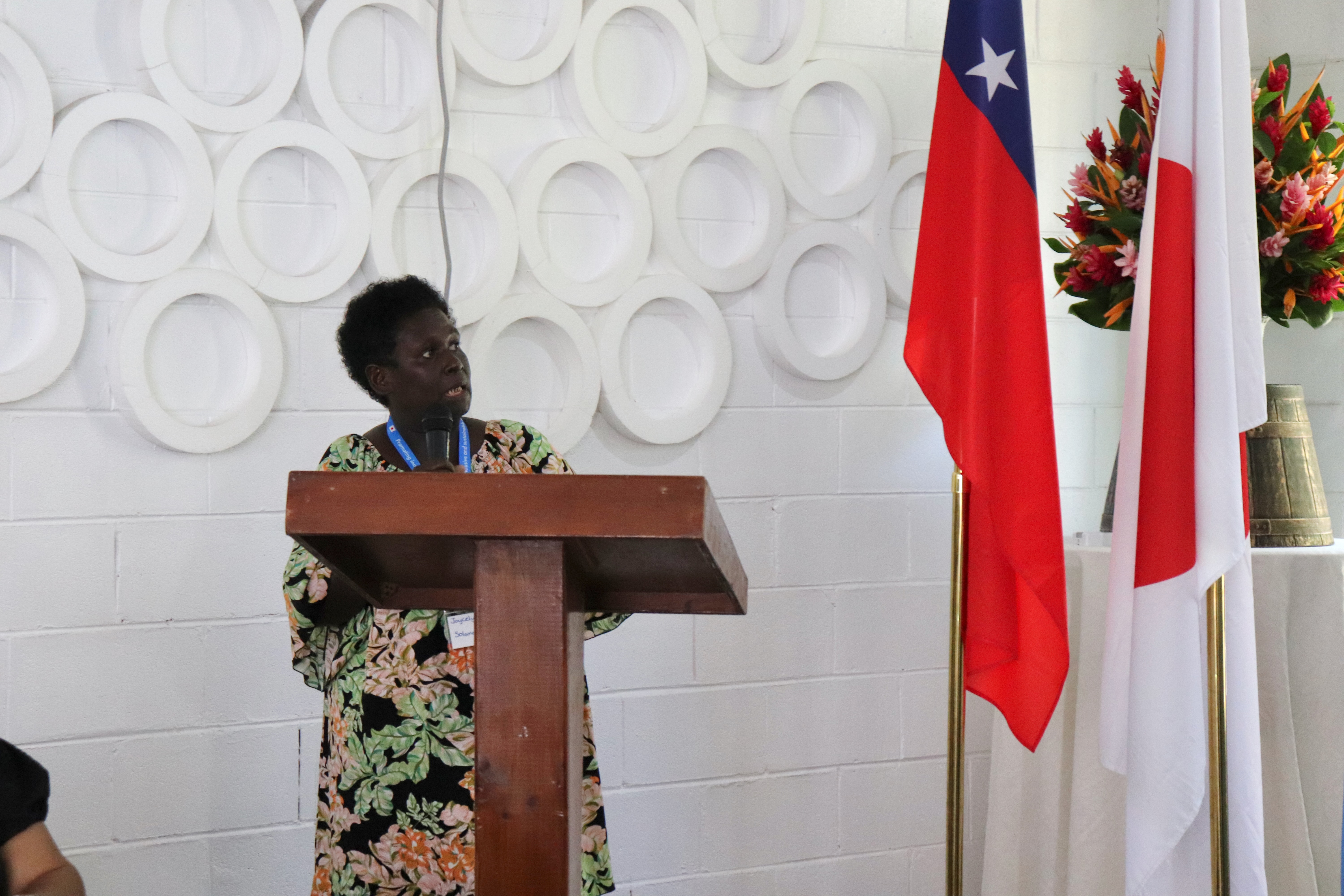
30 September, Hiroshima, Japan – Joycelyn Lamu knows that experiencing a disaster and being prepared for one are two different things. Her community in the Solomon Islands faces earthquakes, tsunamis and tropical cyclones. Yet practical information about how to prepare and respond has not always reached the people who need it.
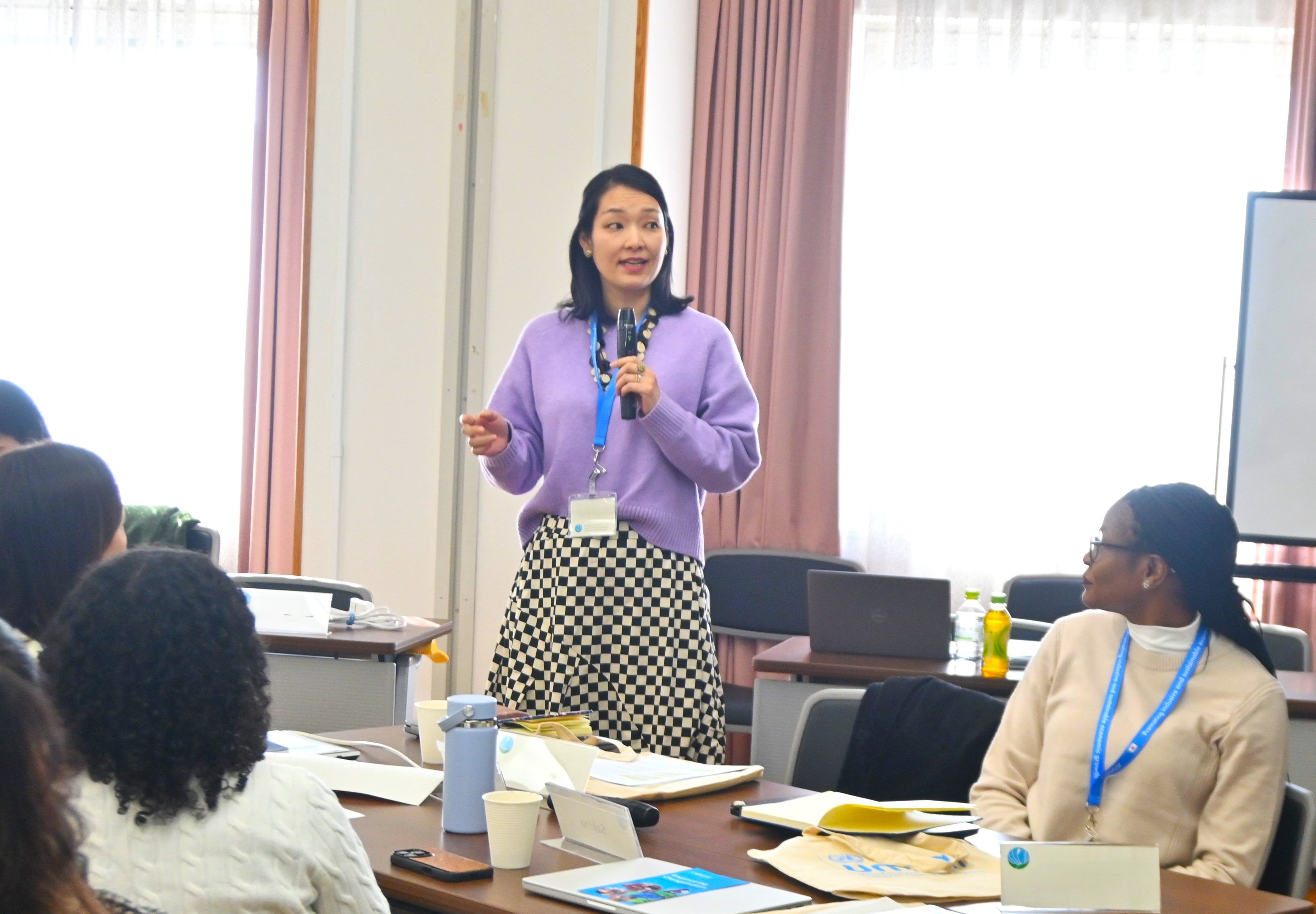
28 August 2026, Hiroshima, Japan – Dr. Yumi Kisaka from Japan has dedicated herself to improving people’s lives through health – from working as a medical doctor to shaping Japan’s health policies and now contributing to global health at the World Health Organization (WHO) as an external relations officer. Yet, despite having achieved many of her career goals, the financial crisis and subsequent organizational downsizing prompted her to reflect on her professional growth, motivation and future direction. The FY2025 Mid-Career Course of the Program for Global Human Resource Development for Peacebuilding and Development helped her remember why she had chosen a career in medicine, clarify her aspirations, and regain a clearer sense of professional purpose.
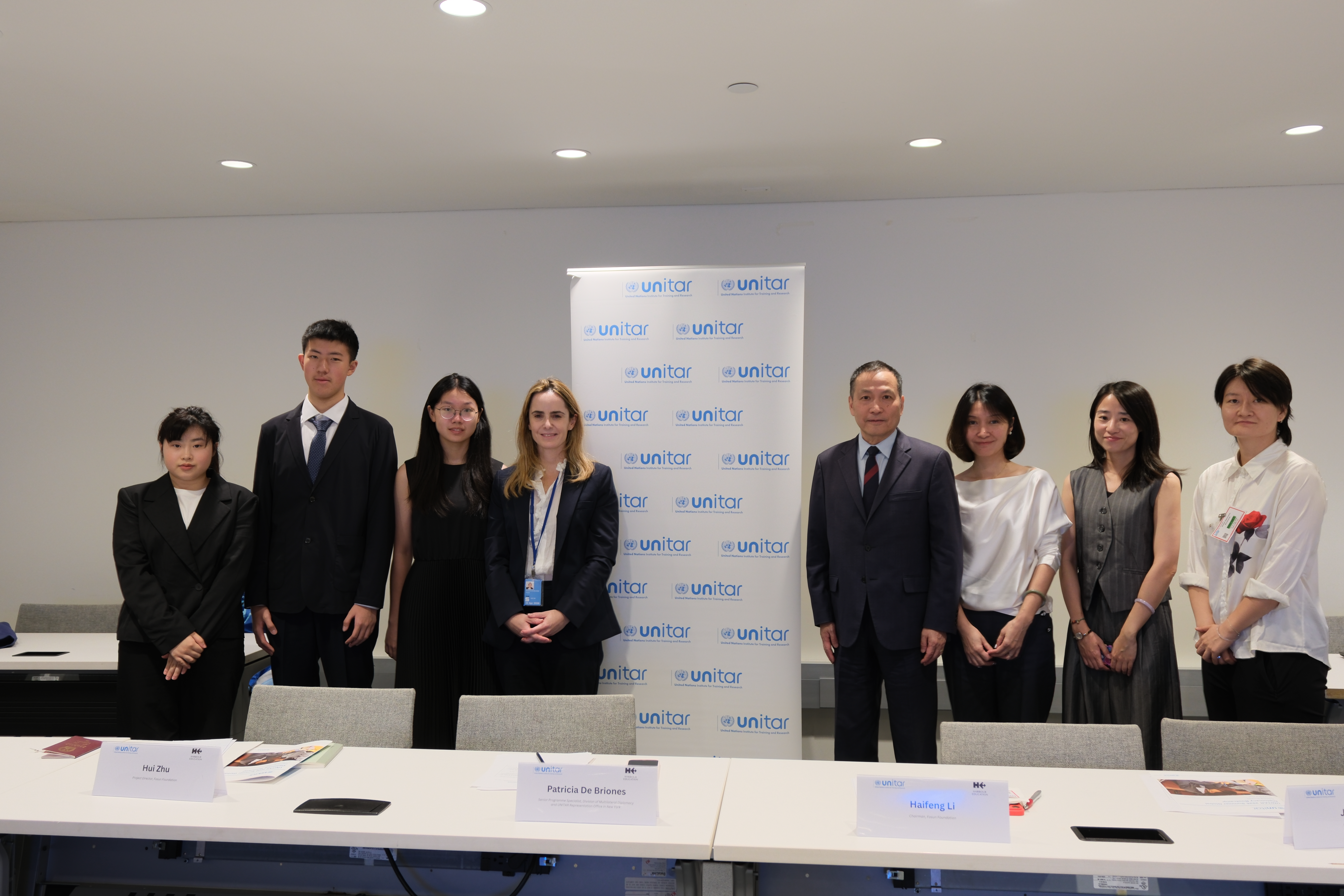
Three students presented their initiatives as part of the Fosun Foundation Visionaries Awards, during the opening ceremony of the sixth edition of the Global Diplomacy Bootcamp, organized by the United Nations Institute for Training and Research (UNITAR) in partnership with Harbour Education.
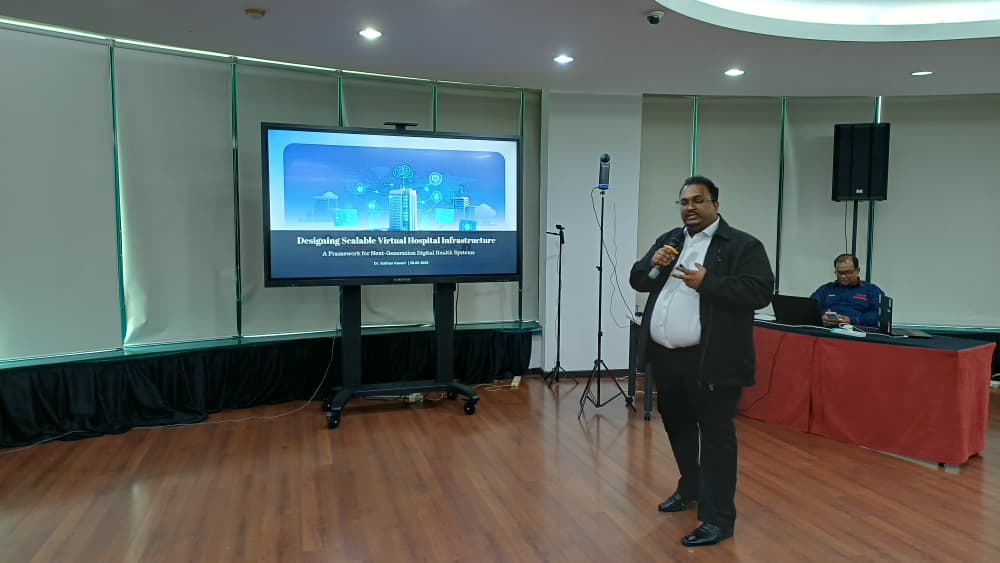
July 2026, Geneva, Switzerland — Like most physicians, Dr. Suthan's journey began at his patients' bedside. Treating patients every day also meant running up agaisnt the friction of the healthcare system, rigid electronic medical records, resource constraints, and delivery pathways that buckled under pressure. "Traditional, brick-and-mortar healthcare models simply cannot scale to meet modern public health demands," he said, describing the realization that pushed him to found ePink Health, a digital health ecosystem built to bring virtual care, remote monitoring, and digital pharmacy services to low-resource settings.
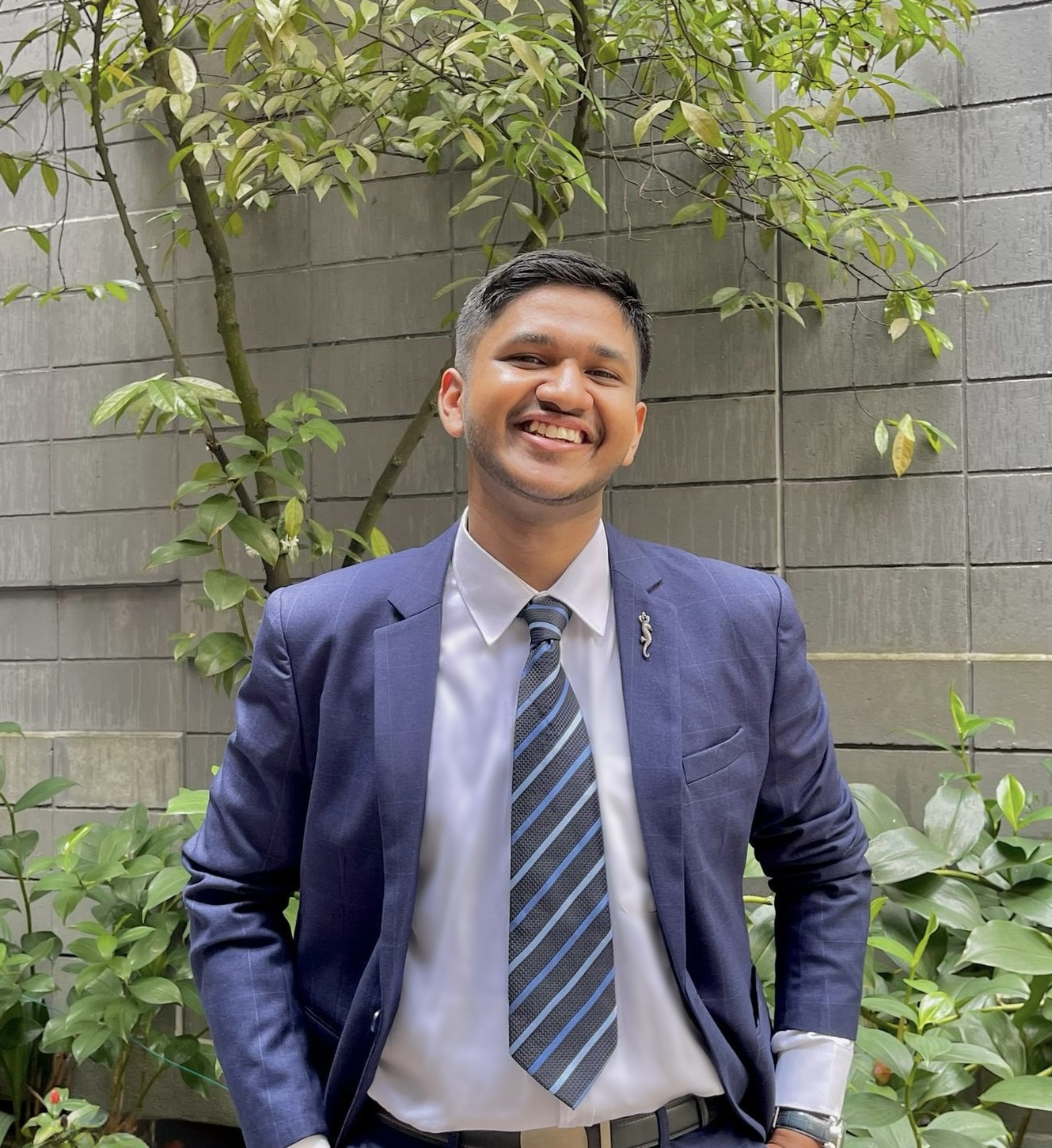
August 2026, Geneva, Switzerland – Most participants came to the Pathway to Prosperity programme from a workplace, hoping to bring new skills back to their teams. Harenthirah Gopala Krishnan came from a lecture hall, with a hunch that Malaysia's data centre industry was about to escalate in terms of presence and scale. He had curiosity and a little exposure to the field, and he saw the programme "as an opportunity to bridge that gap by learning more about modern data centre operations, infrastructure, and how AI is transforming the industry".
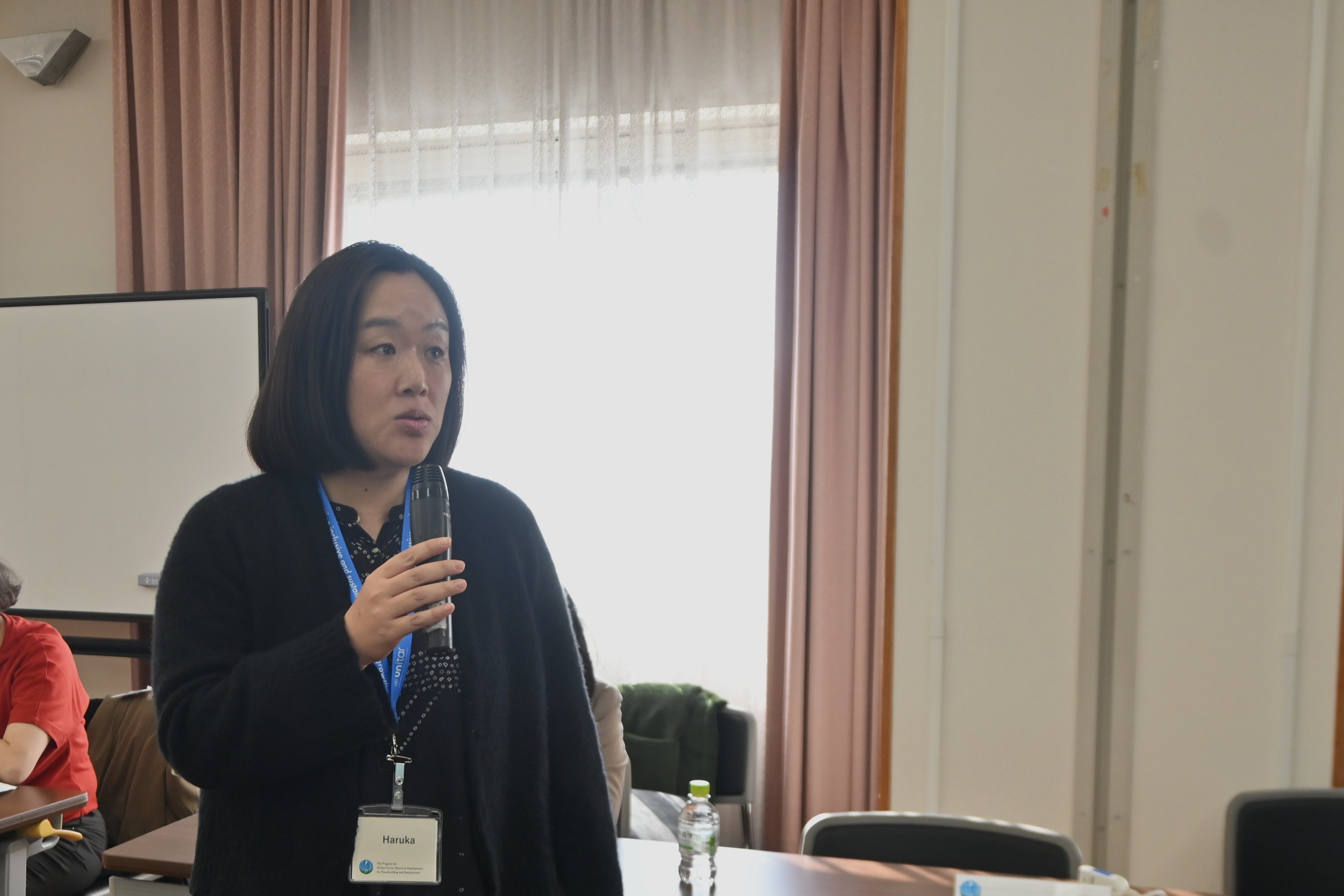
26 August 2026, Hiroshima, Japan – For more than 15 years, Haruka Ueda has supported communities affected by conflict, displacement and disasters across Africa, the Middle East and Asia. Today, she leads emergency response and recovery efforts for the International Organization for Migration (IOM) in Mozambique.
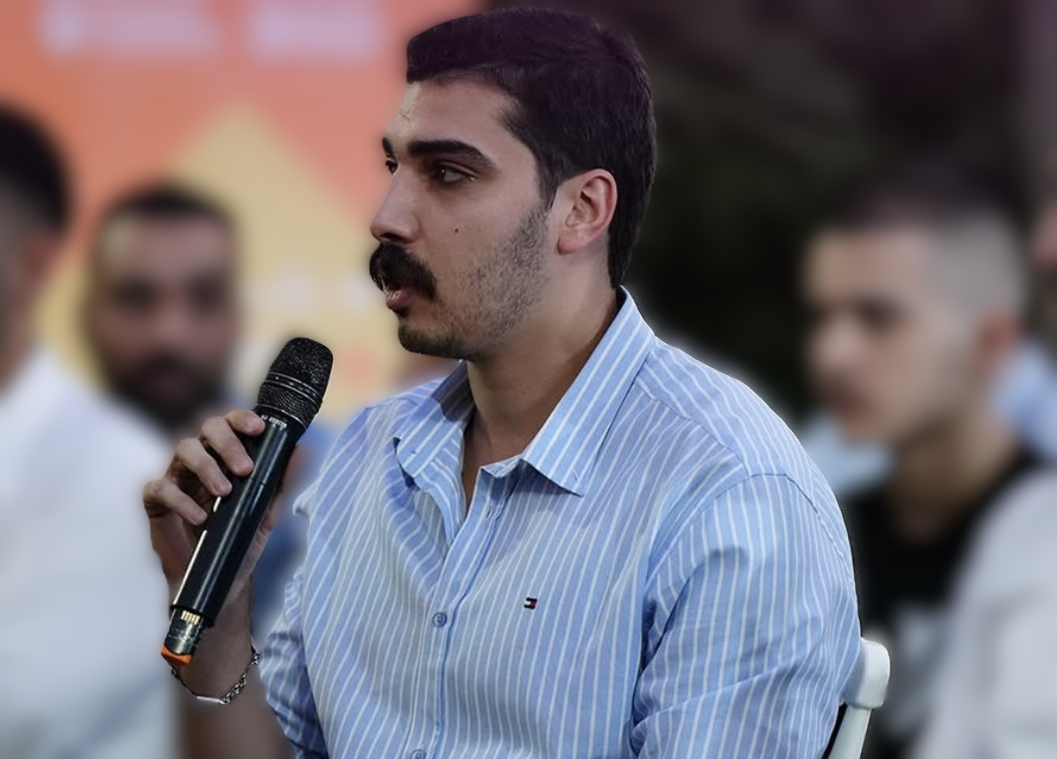
20 August 2026, Hiroshima, Japan-Balancing English-language learning with demanding work schedules can be difficult for young professionals. After observing this challenge in Iraq, UNITAR alumnus Mujtaba Abd Al - Hussain co-founded an online platform offering flexible and structured English-language learning.
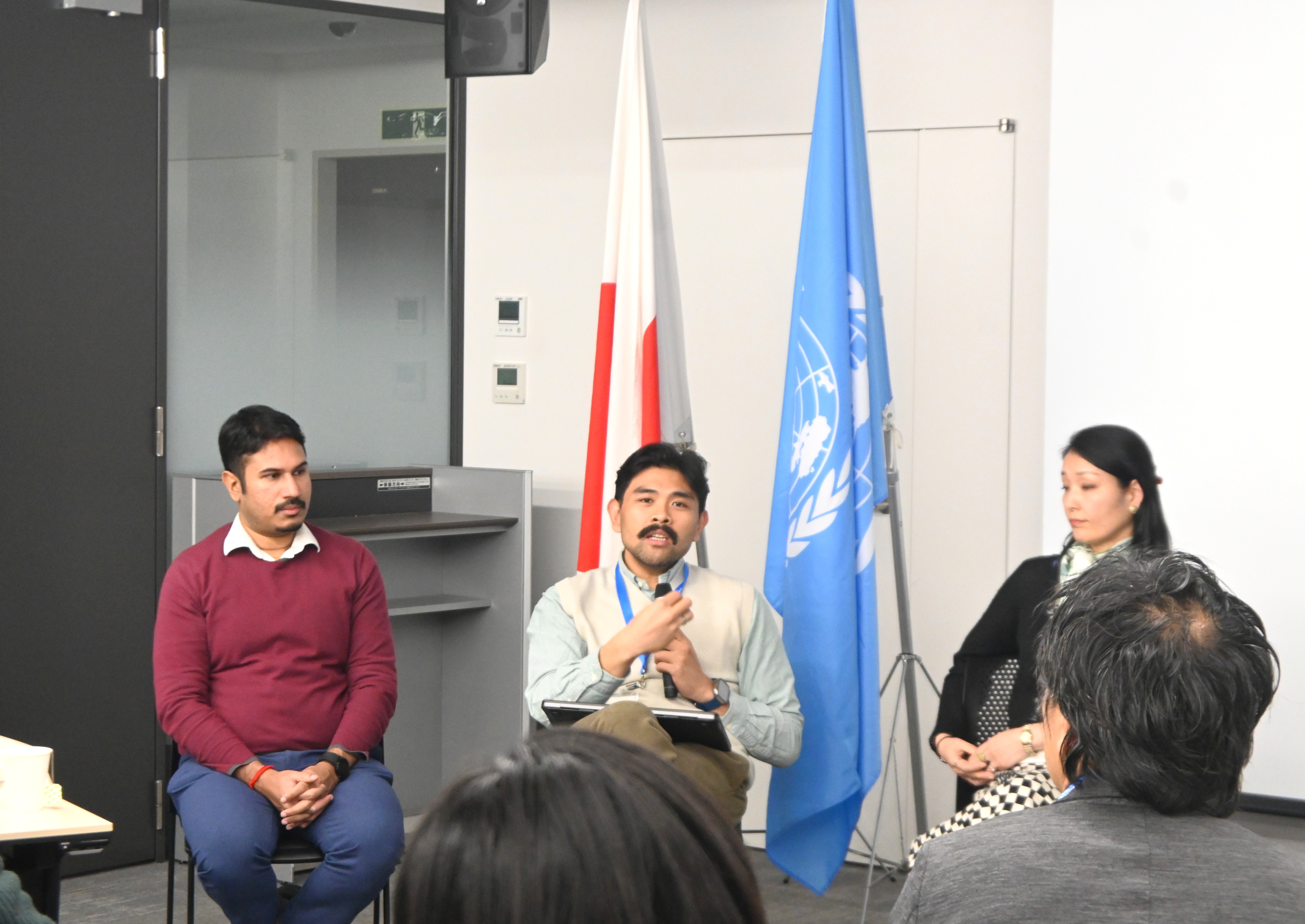
18 August 2026, Hiroshima, Japan – For 15 years, Gerald Cirilo Reyes has worked across humanitarian and development settings within the United Nations system. When Gerald was leading the Resource Mobilization and Partnership Unit at the World Health Organization (WHO) in Syria, he joined the FY2025 Mid-Career Course of the Program for Global Human Resource Development for Peacebuilding and Development to pause and take stock on what he has learned and what he still needs to learn to become a better leader.
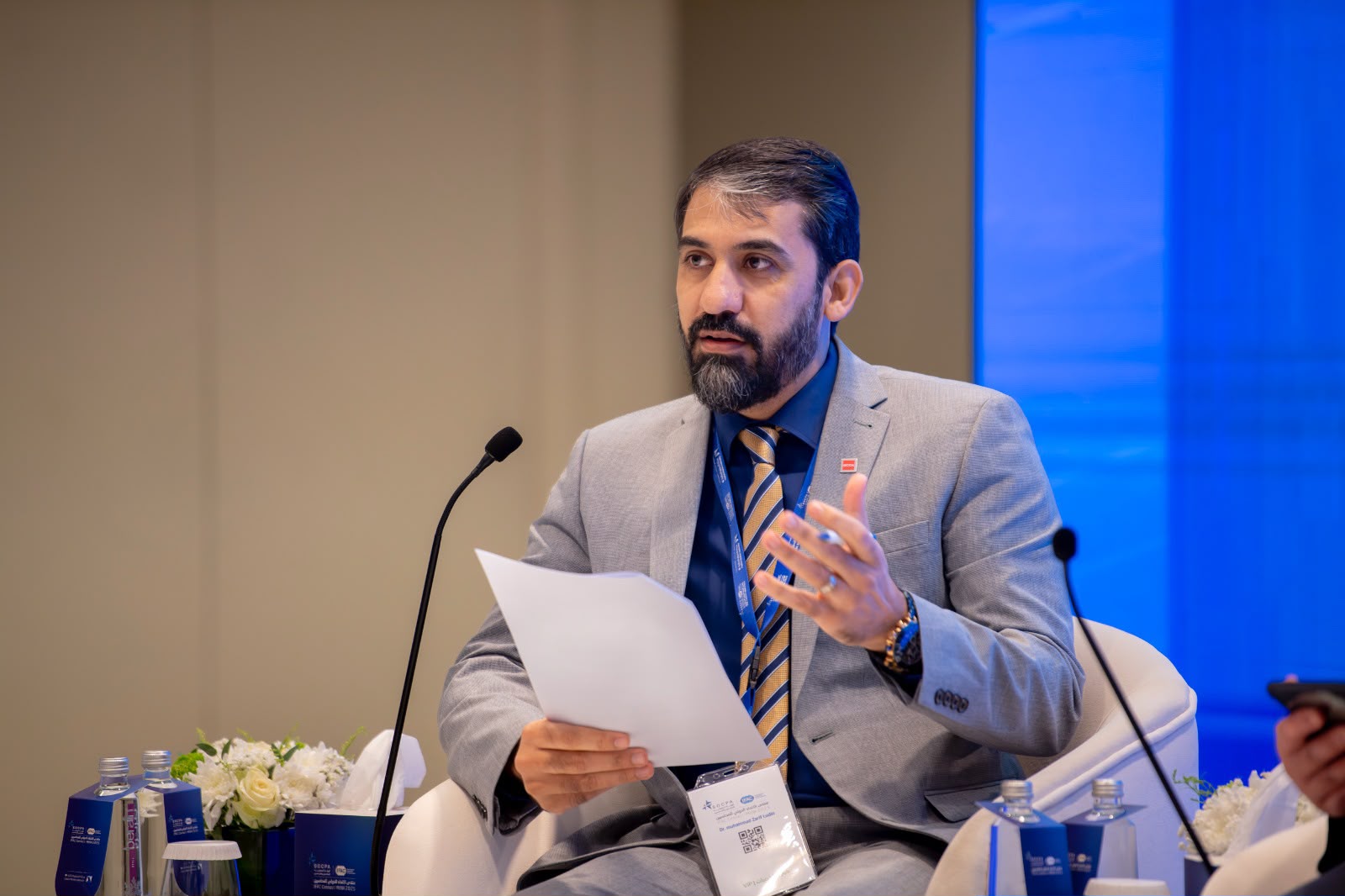
Zarif Ludin, originally from Afghanistan, is Head of Institutional Partnerships at the Association of Chartered Certified Accountants (ACCA). He completed the UNITAR Executive Master’s Degree Programme in 2016. Since then, he has been applying his skills in advancing public financial management systems globally through the accountancy profession. Recently, he helped bring about the new partnership between ACCA and UNITAR, through which the two entities plan to jointly design, deliver and scale practical learning pathways in finance, sustainability, digital innovation, entrepreneurship, public financial management, ethics and value creation.
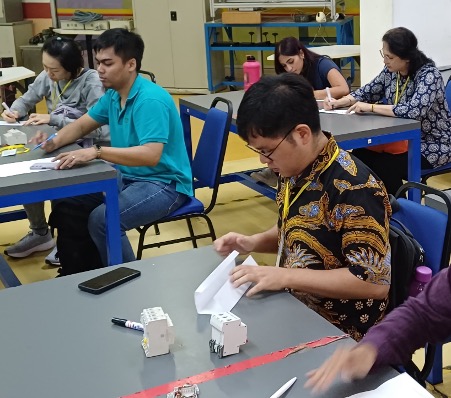
May 2026, Geneva, Switzerland — When Tan Yu Xian first joined Cohort 1 of the Pathway to Prosperity Programme, he found himself in a room of working professionals: engineers, managers and specialists, some with twenty or thirty years of industry experience behind them. The programme has been designed for exactly this audience: early and mid-career professionals upskilling in AI and data centre infrastructure, two of the fastest-moving fields in the global economy.