

- Masato Yakabe is a Japanese humanitarian professional with four years of experience in development and emergency response.
- He participated in the FY2025 Primary Course of the Program for Global Human Resource Development for Peacebuilding and Development, commissioned by the Ministry of Foreign Affairs of Japan. It was held online and onsite, in Hiroshima and Tokyo, Japan.
- In the Course, Masato affirmed what it takes to be a good global citizen, gained practical skills for United Nations work, and clarified his career path.
- The Program is implemented by Hiroshima University in collaboration with the United Nations Volunteers (UNV) programme and the United Nations Institute for Training and Research (UNITAR).
Hiroshima University and UNITAR
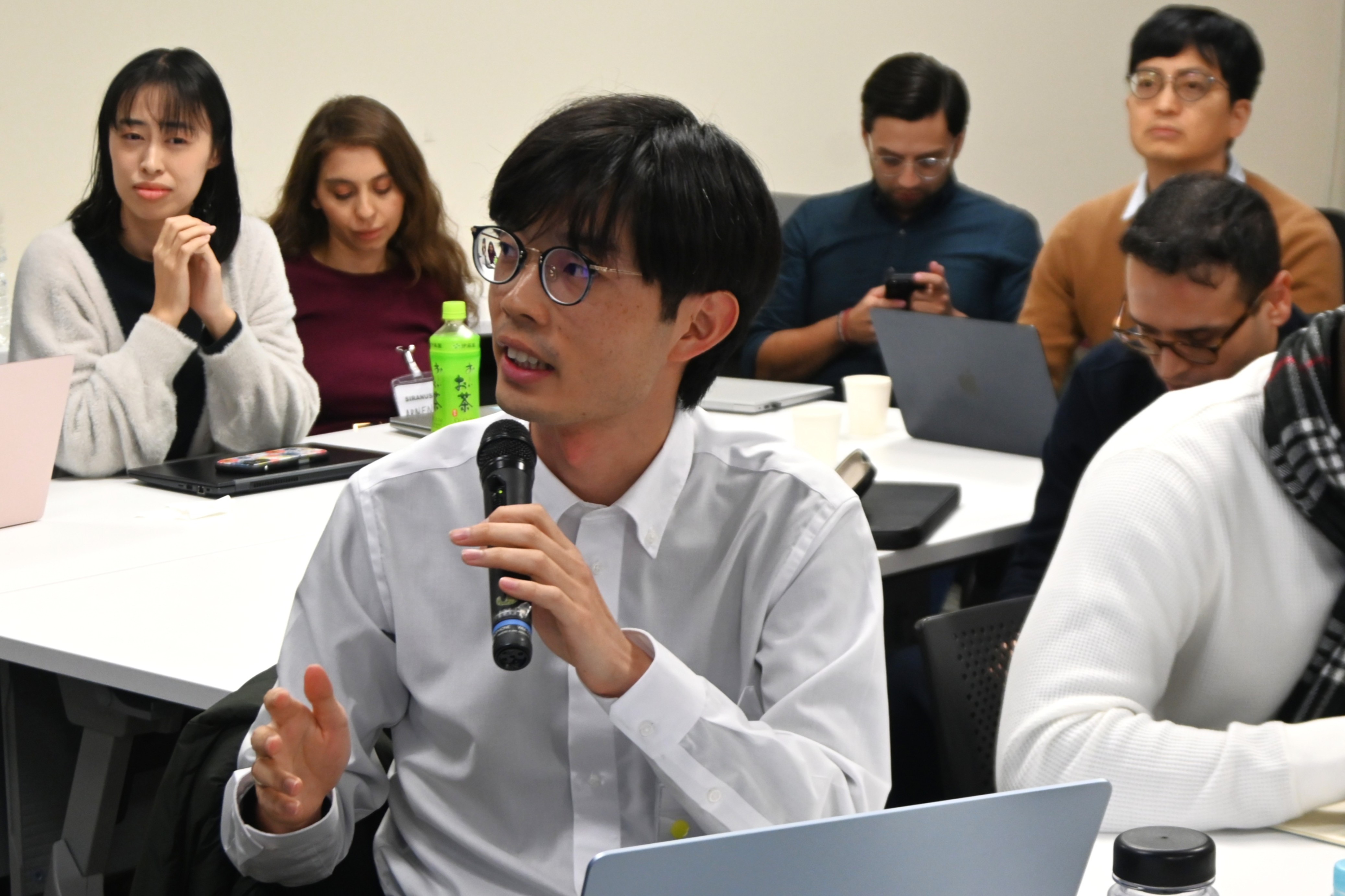
19 June 2026, Hiroshima, Japan – Masato Yakabe from Japan worked with a Japanese NGO supporting communities in Gaza for four years. Masato joined the FY2025 Primary Course of the Program for Global Human Resource Development for Peacebuilding and Development, where he affirmed what it takes to be a good global citizen, gained practical skills for United Nations work, and clarified his career path in humanitarian affairs.
Finding in the Field a Desire to Help Shape Longer-Term Solutions
Masato collaborated closely with the communities to provide grass-roots support. He valued his NGO experience but witnessing the humanitarian crisis, he began asking himself deeper questions: how could he contribute to creating more sustainable and lasting impact? Was there a way to move beyond immediate humanitarian aid and help shape longer-term solutions?
Inspired by friends who had joined the previous cohorts of the training program and went on to work at international organizations, Masato decided to apply for the FY2025 Primary Course. Through the Course, he hoped to broaden his capacity as an international cooperation professional and explore new career paths within the UN system.
Learning the Essential Qualities of a Good Global Citizen
Hiroshima University and UNITAR
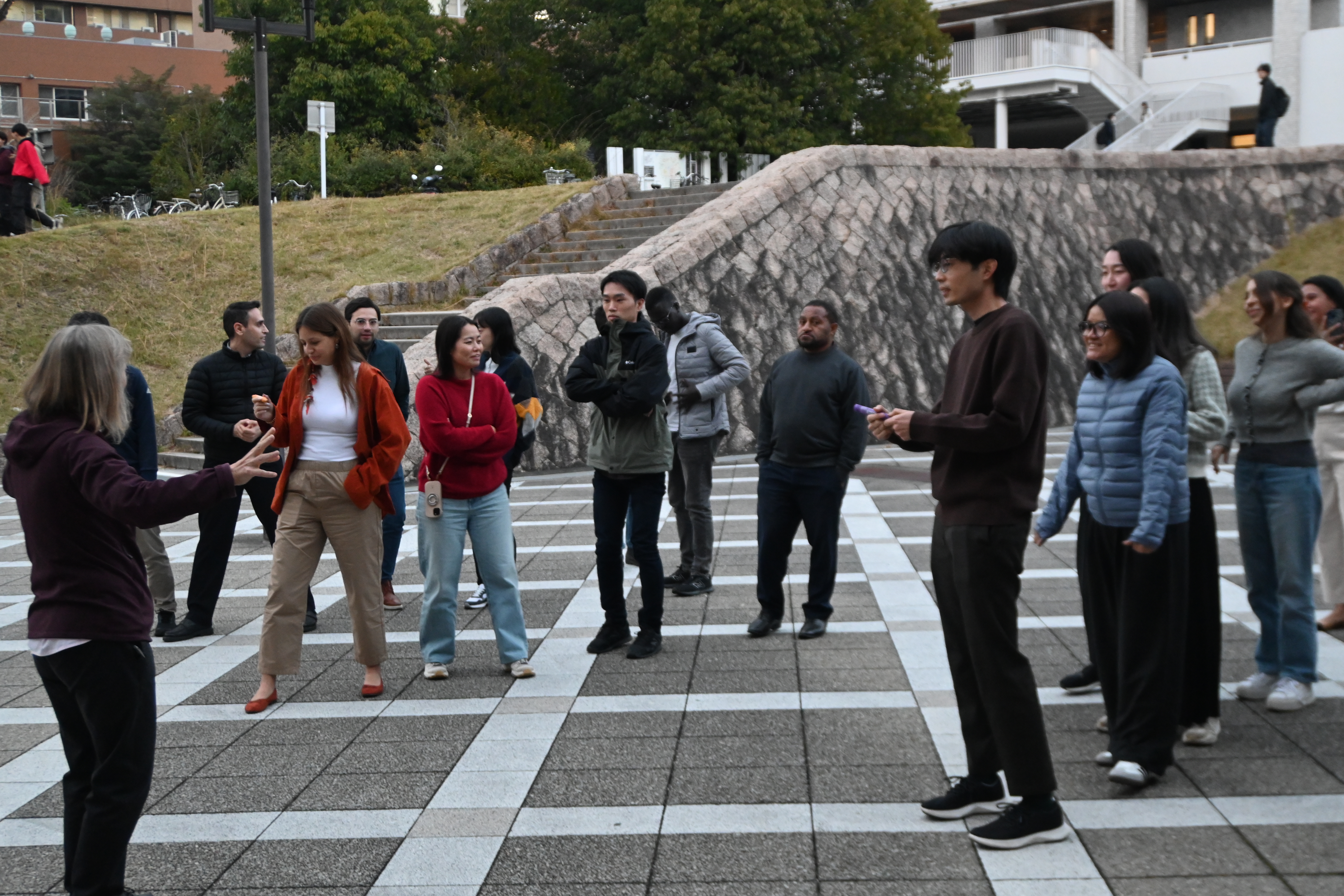
The Program for Global Human Resource Development for Peacebuilding and Development was set up by the Ministry of Foreign Affairs of Japan to strengthen the capacity of individuals working for peacebuilding and development professionals, with the Primary Course focusing on early career professionals. Since FY2024, it has been delivered by Hiroshima University in close cooperation with the United Nations Institute for Training and Research (UNITAR) and the United Nations Volunteers (UNV) programme. The FY2025 primary course combined online pre-training in October 2025 and in-person training from 3 to 30 November 2025 in Tokyo and Hiroshima, Japan. Twelve participants from Japan and 1 participant each from Armenia, Cambodia, Cameroon, Ecuador, Guatemala, Iraq, Nepal, Palestine, Papua New Guinea, South Sudan, Timor-Leste, and the African Union Commission (AUC) took part.
For Masato, one of his biggest learnings from the course was recognizing the essential qualities needed to be good global citizens.
After 30 or 40 years, … we are not talking about SDGs or other trend[ing] issues anymore. But there must be … universal and unchangeable things. This is the key [to] being good global citizens…. I learned this from every single moment from other associates and lecturers. - Masato Yakabe (Japan), Program Associate of the FY2025 Primary Course
Elevating Experience Through Practical Training
Hiroshima University and UNITAR
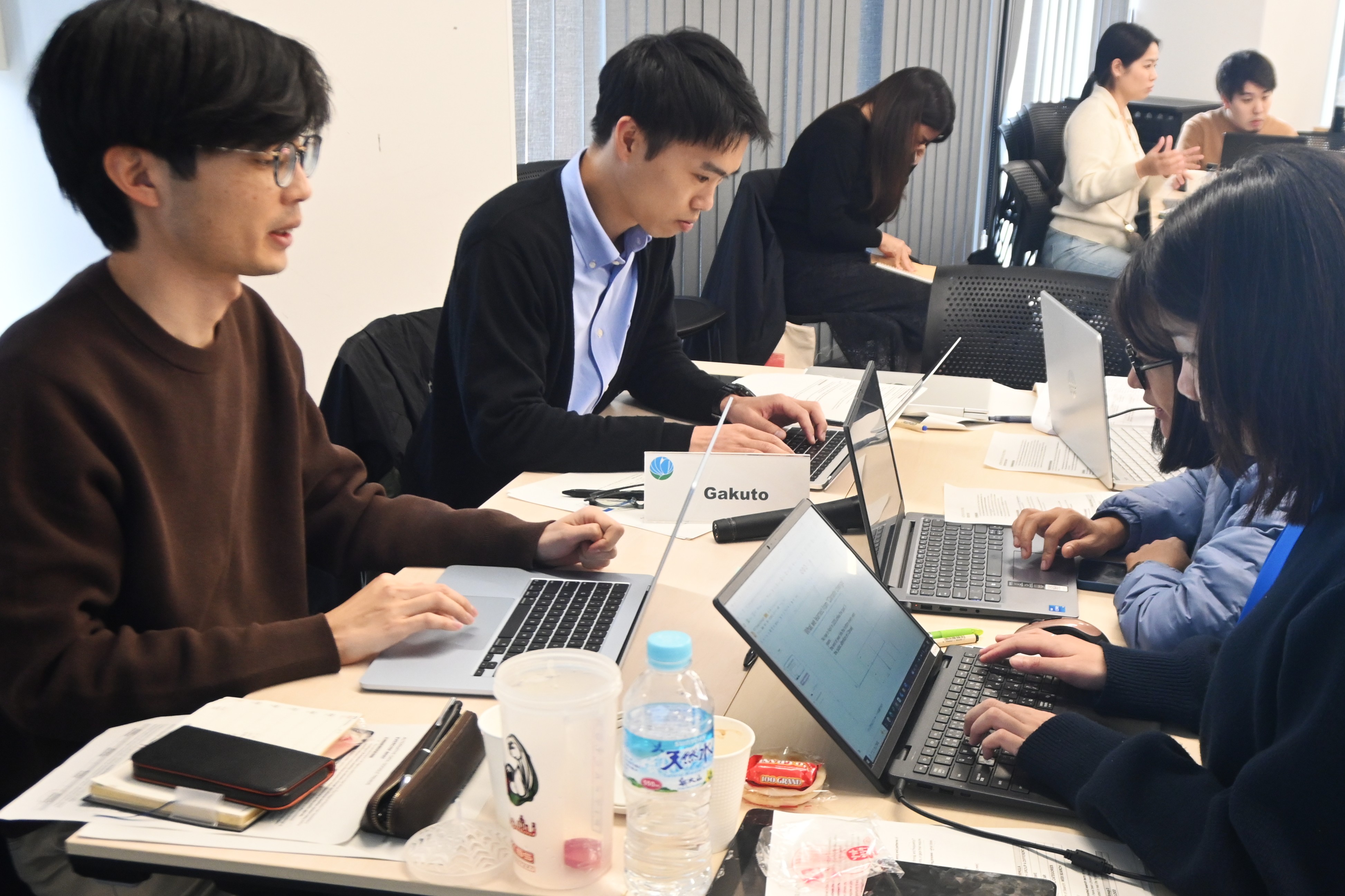
One central course component was sessions to build the early career professionals’ practical skills. In groups, the participants developed projects using country case studies. Although Masato had previously worked in project development and management, the simulated UN operations environment showed him differences between the United Nations and his past experiences. He also found fresh and illuminating his first time collaborating with colleagues from many different backgrounds and receiving feedback from experts.
Up to now, I have experienced all the processes like needs assessments, drafting proposals, and managing projects. However, coordinating with … associates from very various backgrounds and receiving feedback from professionals – this [was a] totally new experience for me.
Not only did the course develop the participants’ professional skills but it also sought to support their career development. Masato valued the opportunities for self-reflection throughout the course. He had already begun to seriously consider a career in international organizations before joining the course, but he did not yet have a clear idea of how his past experiences could be applied to his future career. The course’s career development sessions helped him through this: he was able to reassess his professional journey, better understand his strengths and weaknesses, and identify areas for further growth as he prepares for a role in the United Nations system.
Shaping Alternative Paths to His Dreams
Hiroshima University and UNITAR
Masato says that in his life, he rarely achieved his first choice and had to find alternative paths. But now, those paths have brought him to a field that he feels deeply passionate about.
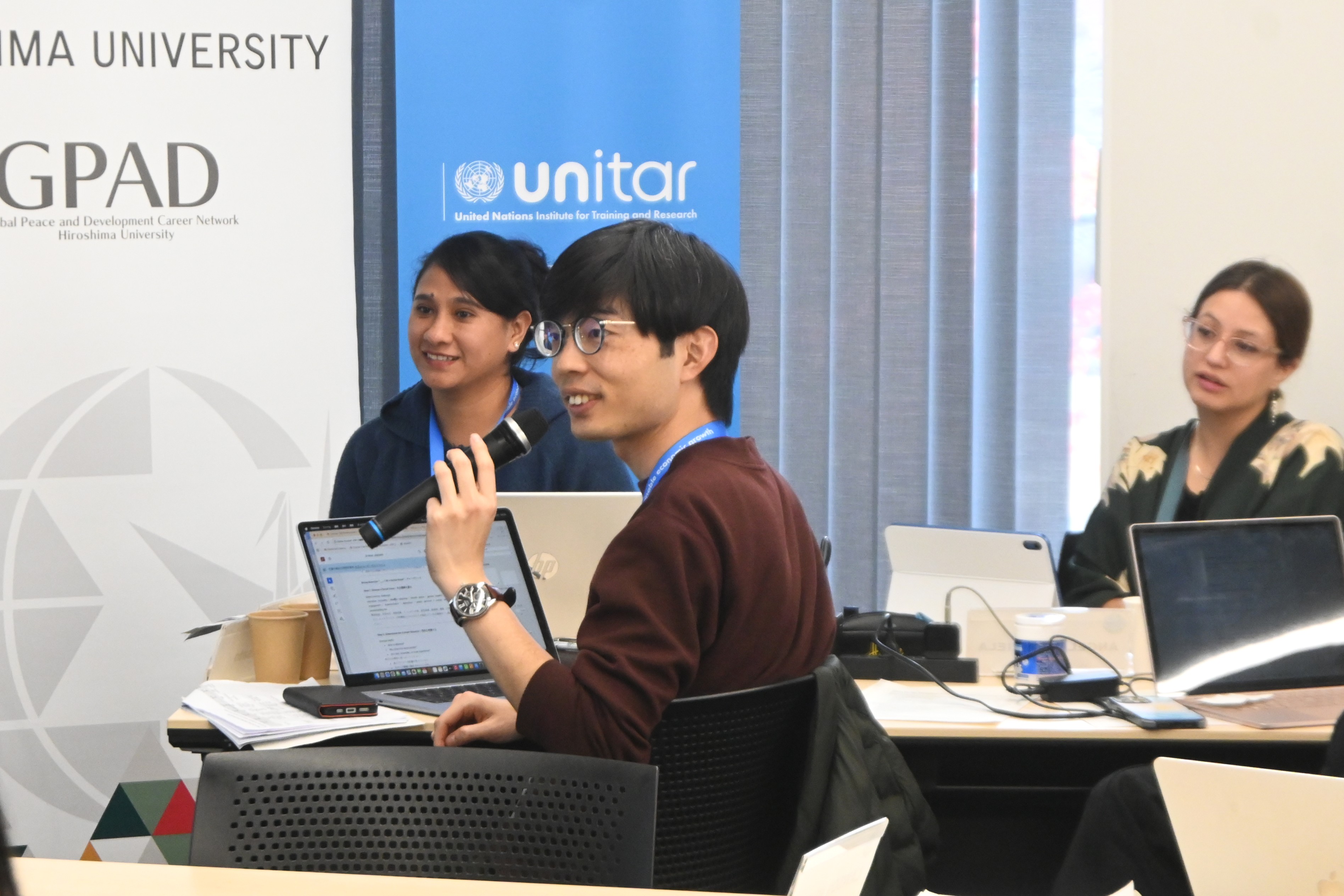
He strongly recommends the Primary Course to young professionals like him who aspire to careers in international organizations. Masato believes that even applying for the Primary Course is a valuable learning experience, as it encourages applicants to reflect on their past careers and more clearly articulate their experiences and motivations.
Interacting with such distinguished international representatives [with whom] you can share the same passion will be a trigger to change your life and improve yourself.
Since completing the course, Masato is supporting people in Jordan as an officer with the International Organization for Migration. With all his experiences and learning, he hopes to contribute to protecting the lives and dignity of marginalized people, particularly in the Middle East.
About the Human Resource Development Program by the Ministry of Foreign Affairs of Japan
The Ministry of Foreign Affairs of Japan has implemented its human resource development program in peacebuilding since 2007. In fiscal year 2015, the Program for Global Human Resource Development for Peacebuilding and Development was launched to comprehensively conduct the discovery, development and career-building of human resources. The Program has actively advanced capacity development in this field, serving as a vital resource for a broad spectrum of practitioners – from young professionals seeking their entry point to mid‑career experts aiming to leverage their experience and advance to the next stage. For three years, starting from fiscal year 2024, Hiroshima University will manage and operate the programme in cooperation with UNITAR.
Ministry of Foreign Affairs of Japan: https://www.mofa.go.jp/fp/ipc/pagewe_000001_00215.html
Global Peace and Development Career Network: https://gpad.hiroshima-u.ac.jp/en/
About Hiroshima University
Hiroshima University was founded in 1949 in Hiroshima City, the site of the first atomic bombing in human history. Guided by its Charter, Hiroshima University is committed to respecting the human rights and individuality of each person and to fostering human resources that will contribute to the realization of a free, peaceful, and sustainable society. It also aims to be a university which is open to and trusted by society, thereby contributing to the local and international community. Furthermore, Hiroshima University will lead the world in providing cutting-edge solutions to global issues. In this way, we aim to nurture educated and internationally-minded individuals who are committed to addressing the challenges and pursuit of peace.
About United Nations Volunteers
The United Nations Volunteers (UNV) programme is a UN organization that promotes volunteerism to support peace and development worldwide. It mobilizes skilled volunteers to serve in UN agencies, government programs, and community initiatives, especially in areas affected by conflict, poverty, or environmental challenges. Japanese participants who graduate from the Primary Course are offered a one-year post with the UNV programme.
About UNITAR
Established in 1965, the United Nations Institute for Training and Research (UNITAR) is the dedicated training arm of the United Nations. Its mission is to strengthen knowledge and skills through high-quality training, research and innovative learning solutions.
Through strategic partnerships and a global learning platform, UNITAR builds skills of individuals, and enhances capacities of institutions and organizations, particularly those in vulnerable contexts, to accelerate progress towards the 2030 Agenda for Sustainable Development and the Pact for the Future.