

Displaying 1 - 10 of 1916

24 October 2026 - On United Nations Day, we are reminded of the enduring commitment made by the Organization's founding Member States to save succeeding generations from the scourge of war, uphold human rights and dignity, advance justice, and work collectively for a more peaceful, sustainable and equitable world.
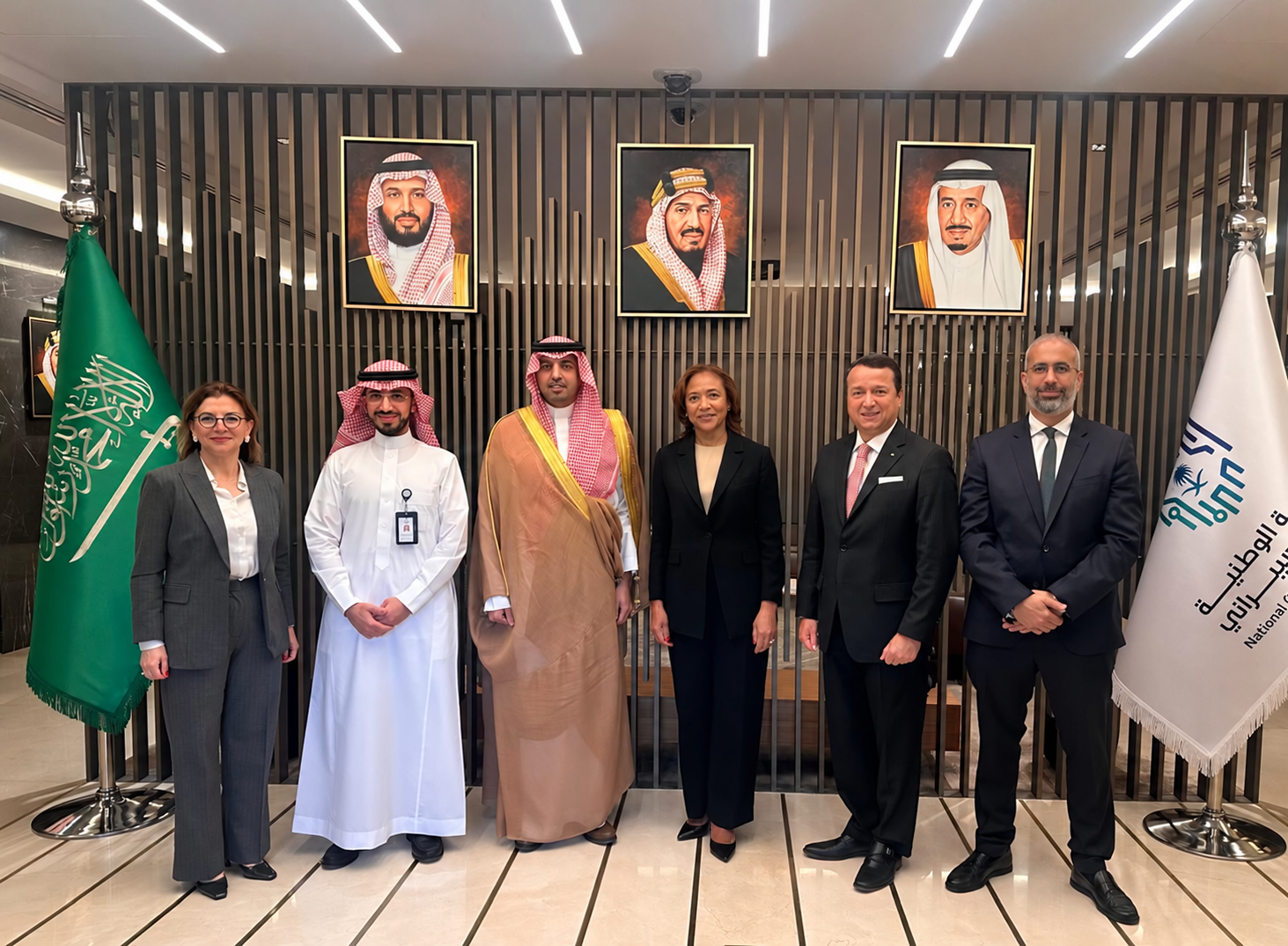
21 October 2026, Geneva, Switzerland- The United Nations Institute for Training and Research (UNITAR) welcomes the approval by the Council of Ministers of the Kingdom of Saudi Arabia of an Agreement for the establishment of its project office in the Kingdom, alongside a Memorandum of Understanding on cybersecurity cooperation between the National Cybersecurity Authority (NCA) and the UNITAR Cybersecurity Office. Announced by the Saudi Press Agency on 20 October 2026, the decision marks a significant milestone in the partnership between the United Nations and the Kingdom of Saudi Arabia, strengthening the institutional foundations for long-term cooperation in cybersecurity capacity development, digital resilience and international knowledge exchange.
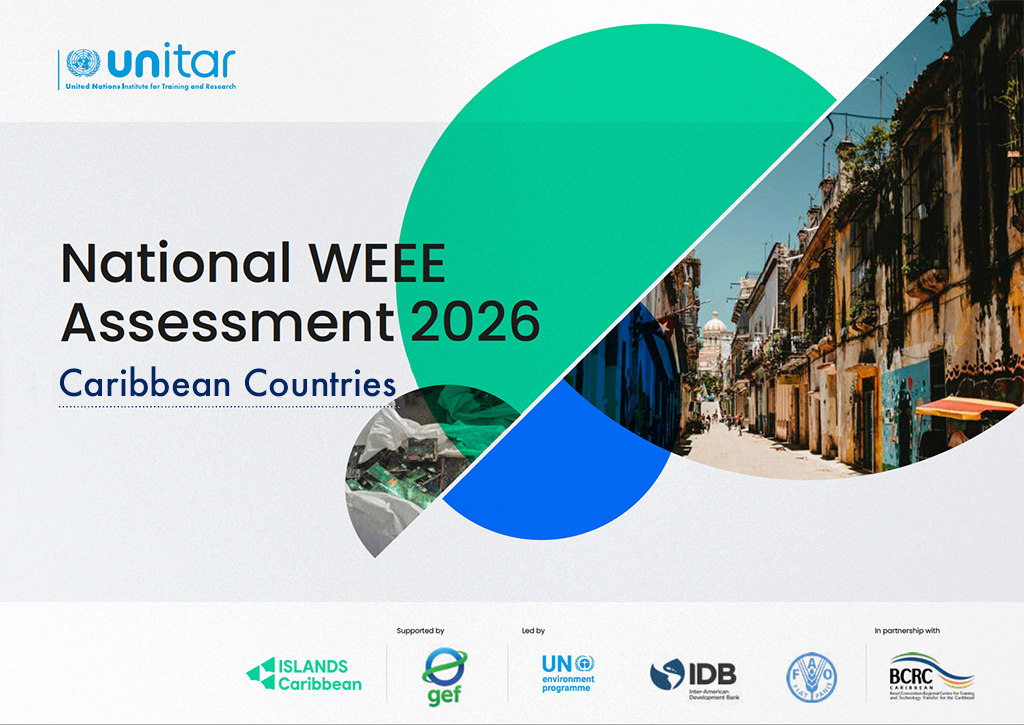
20 October 2026, Geneva, Switzerland – Eleven Caribbean countries now have national assessments of electronic waste (e-waste) and the systems available to manage it. The reports provide a country-specific starting point for decisions on collection, treatment, financing and policy.
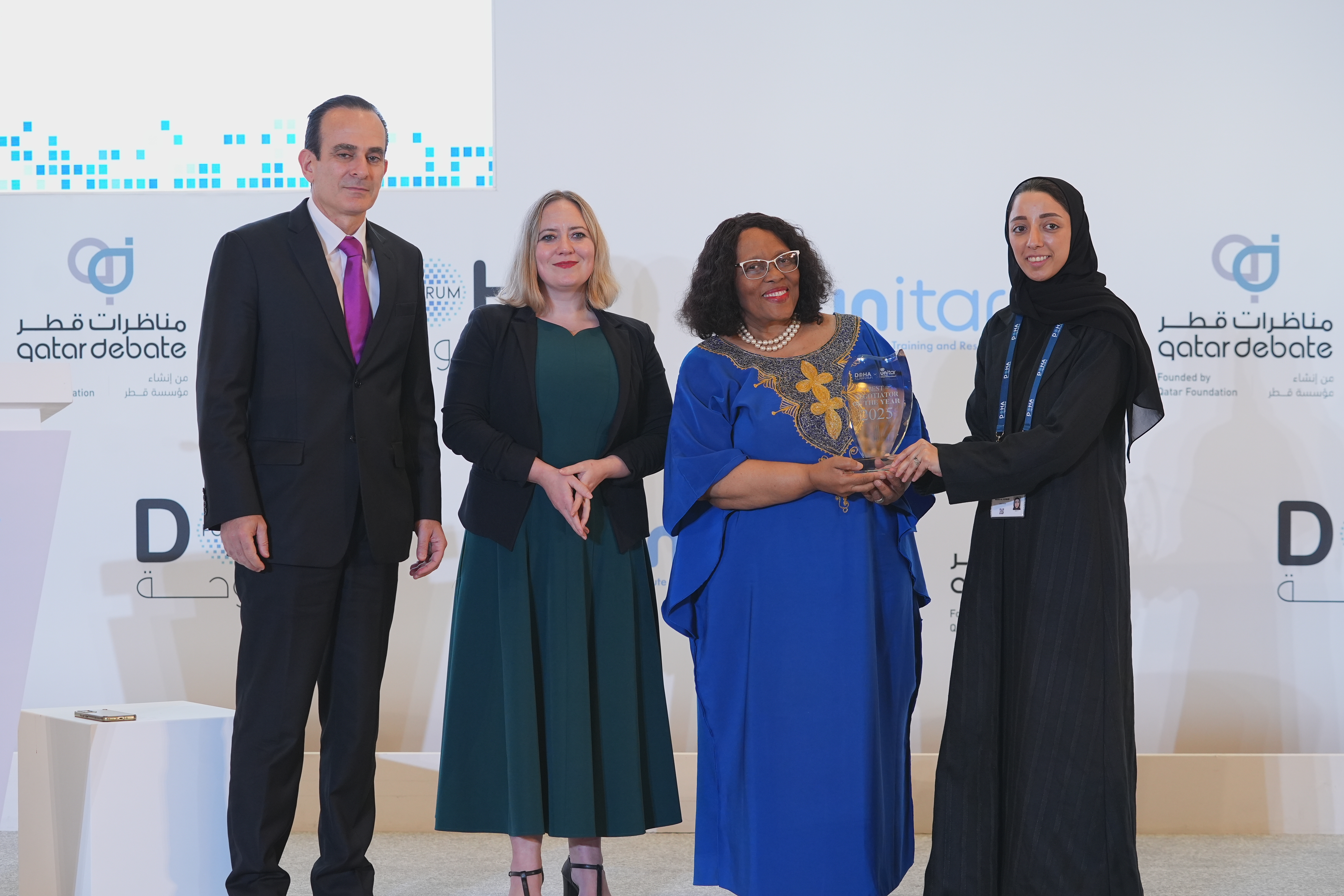
12 October 2026, Geneva, Switzerland – Nominations are open until 1 November 2026 for the Doha Best Negotiator of the Year Award 2026. The award will be presented during Doha World Negotiation Day on 7 December 2026 in Doha, Qatar.
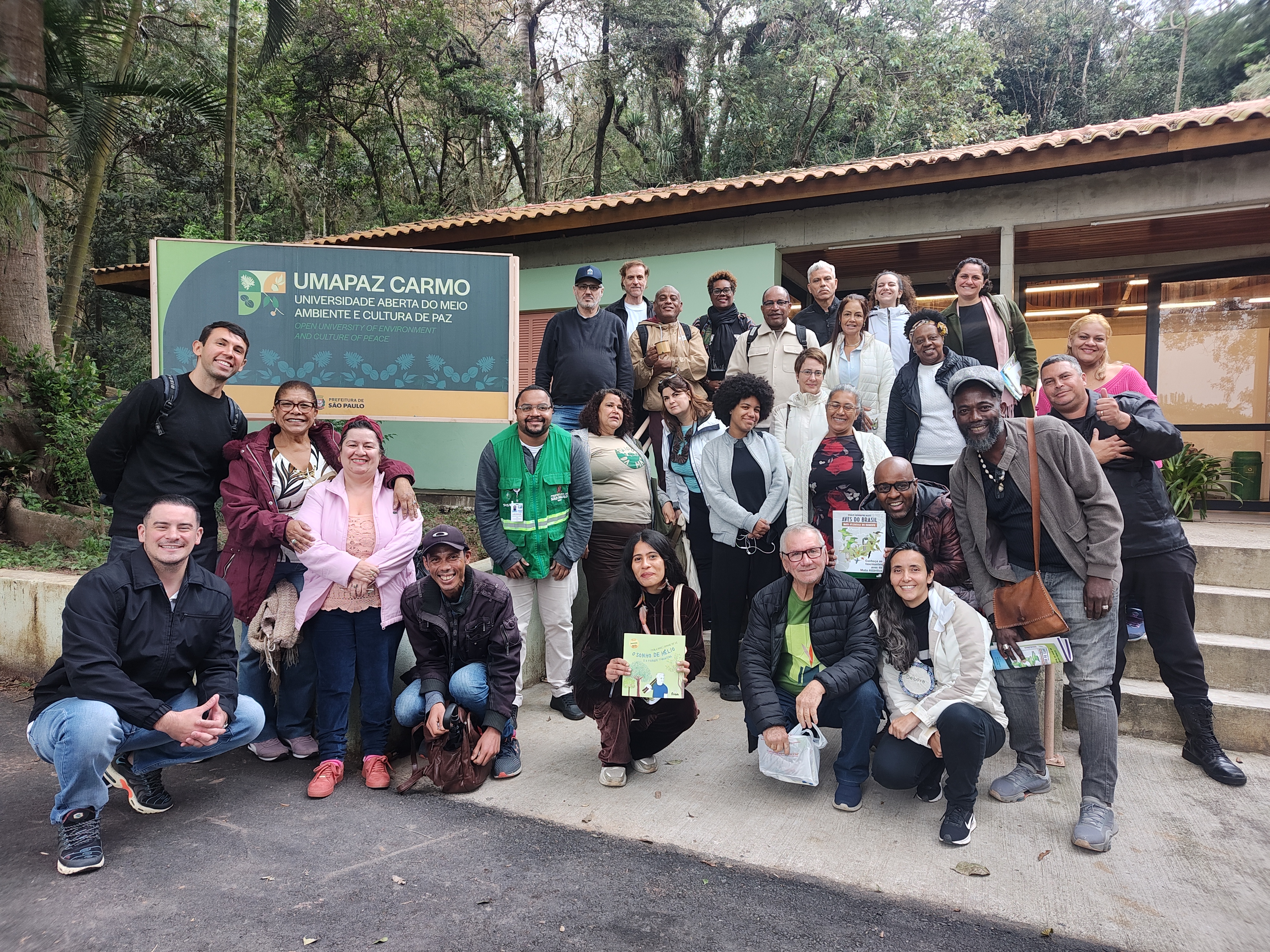
16 October 2026, Geneva, Switzerland - The Green Helmets initiative has launched a training programme in São Paulo's East Zone, Brazil, focusing on environmental governance, human security and community-based environmental action. Developed in partnership with the Open University for the Environment and Culture of Peace (UMAPAZ), the programme aims to strengthen local capacities to address environmental challenges and promote sustainable practices.
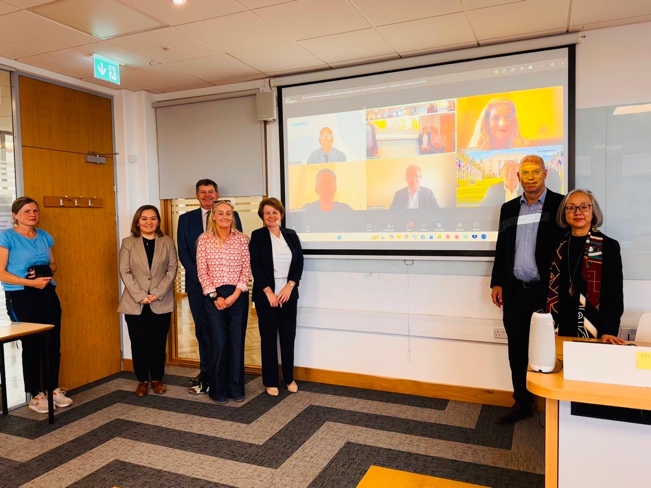
16 October 2026, Geneva, Switzerland – The United Nations Institute for Training and Research (UNITAR) and University College Dublin (UCD) have taken an important step towards developing joint programs offering Certificates, Professional Diplomas and Master's degrees with various specializations in Sustainable Development, and in partnership with VET, Corporate and governmental agencies. This collaboration also provides the platform to launch the first pilot of the Capabilities 4 the Future (CAP4FUTURE) Hub in Ireland.

8 October, 2026 - Geneva, Switzerland. New joint degree programme combines UN expertise with AIT academic rigor to prepare working professionals for ESG leadership roles, with a ten-week webinar series launching ahead of the 2027 programme start.
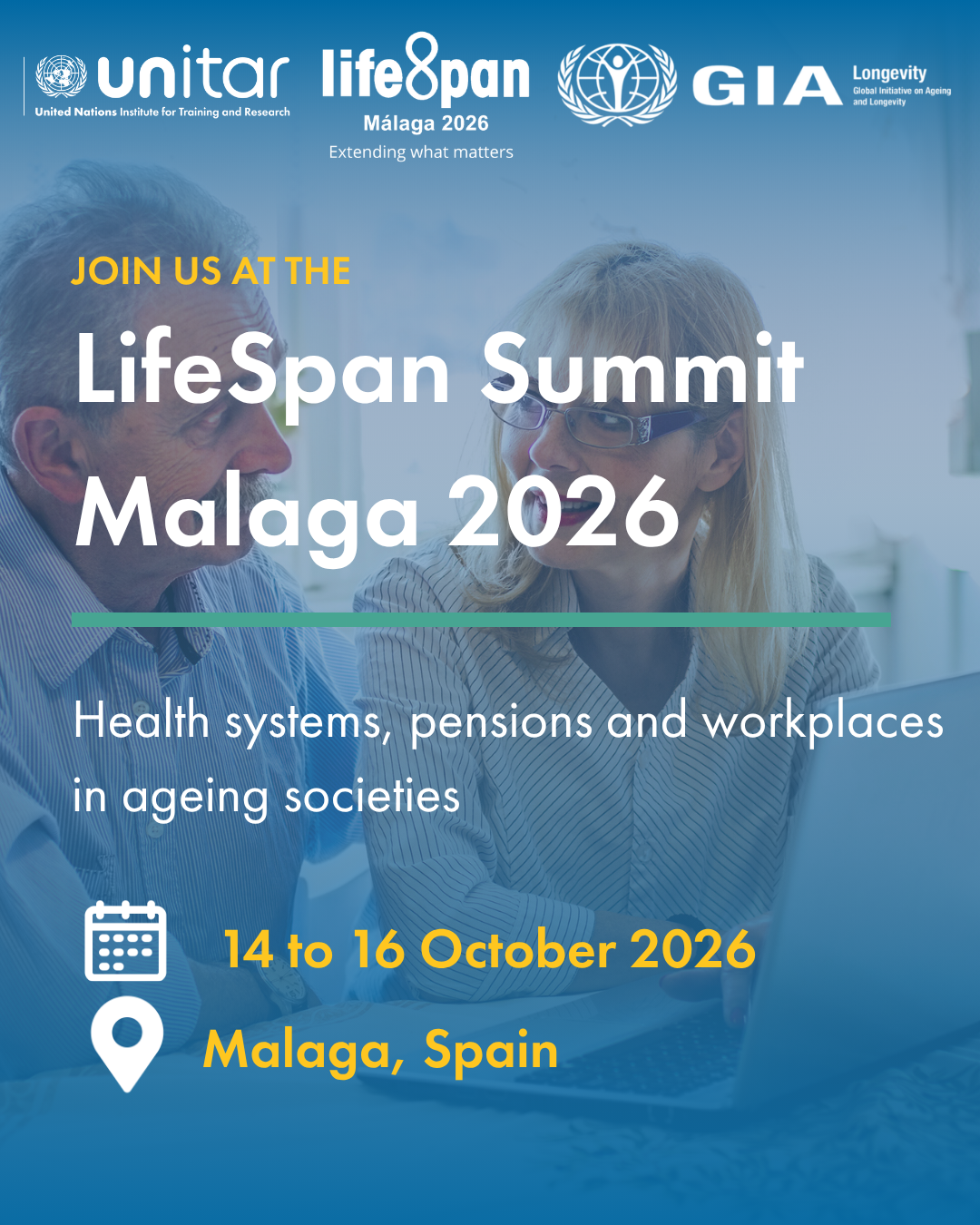
7 October 2026, Geneva, Switzerland – The 100-year life is changing business, policy and society. From 14 to 16 October 2026, the LifeSpan Summit in Málaga will bring together institutions, businesses, researchers and innovators who can help shape how societies respond to longer lives.
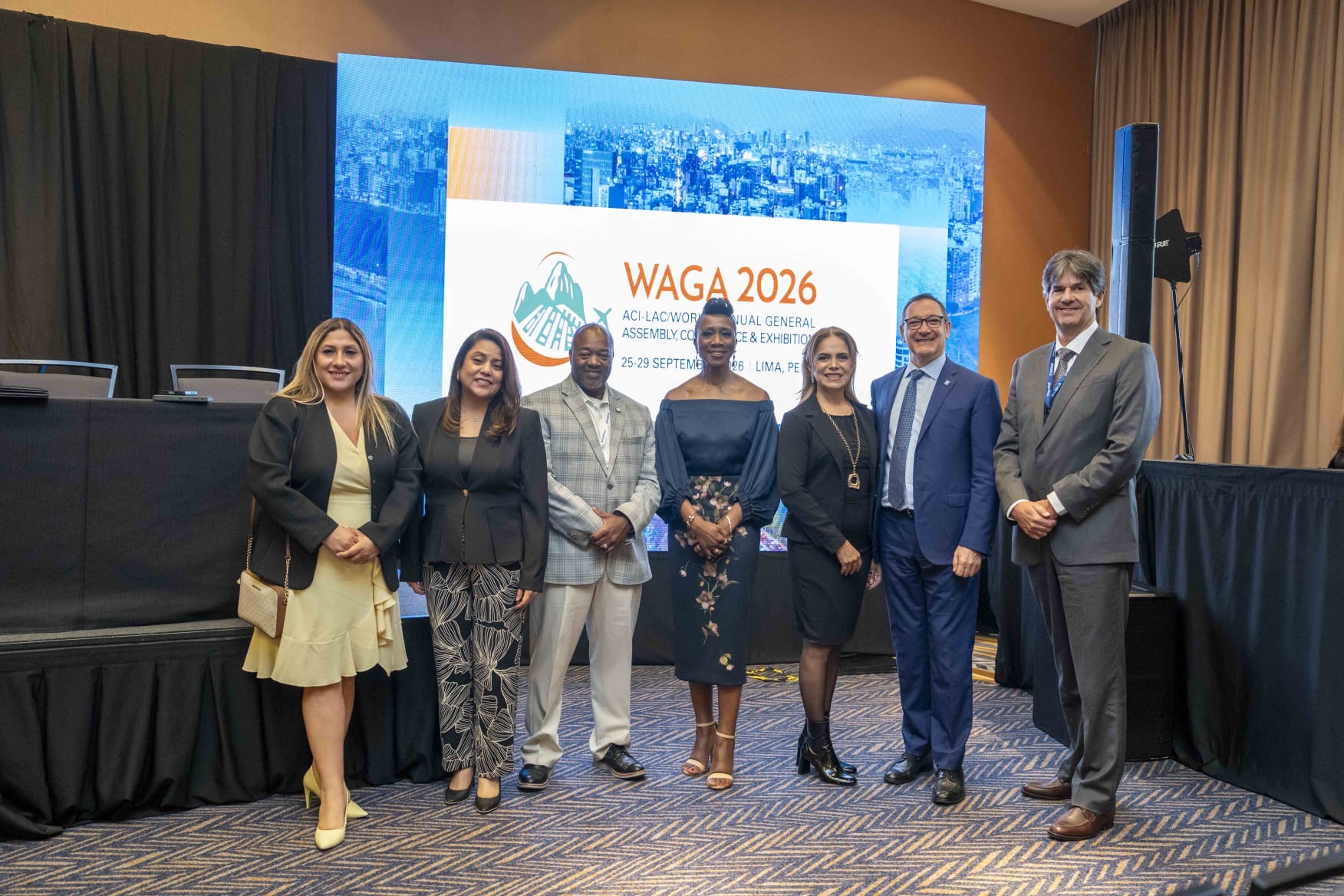
2 October 2026, Geneva, Switzerland – UNITAR and Airports Council International Latin America and the Caribbean (ACI-LAC) have signed an agreement to expand training for airport officials and civil aviation authorities in disaster resilience, emerging technologies, energy transition, environmental sustainability and inclusion.
日内瓦/都灵,2026年9月3日 —— 联合国大会今天通过一项决议(A/RES/80/306号决议,2026年9月3日通过),支持将联合国系统职员学院(UNSSC)并入联合国训练研究所(UNITAR),并设立新的联合国能力与学习创新研究所(UNICLI),计划于2027年1月1日成立。该决定是更广泛的“联合国80周年倡议”的一部分,该倡议旨在使联合国更加协调一致、高效,并能更好地应对当今的挑战。