

Displaying 11 - 20 of 1917
日内瓦/都灵,2026年9月3日 —— 联合国大会今天通过一项决议(A/RES/80/306号决议,2026年9月3日通过),支持将联合国系统职员学院(UNSSC)并入联合国训练研究所(UNITAR),并设立新的联合国能力与学习创新研究所(UNICLI),计划于2027年1月1日成立。该决定是更广泛的“联合国80周年倡议”的一部分,该倡议旨在使联合国更加协调一致、高效,并能更好地应对当今的挑战。
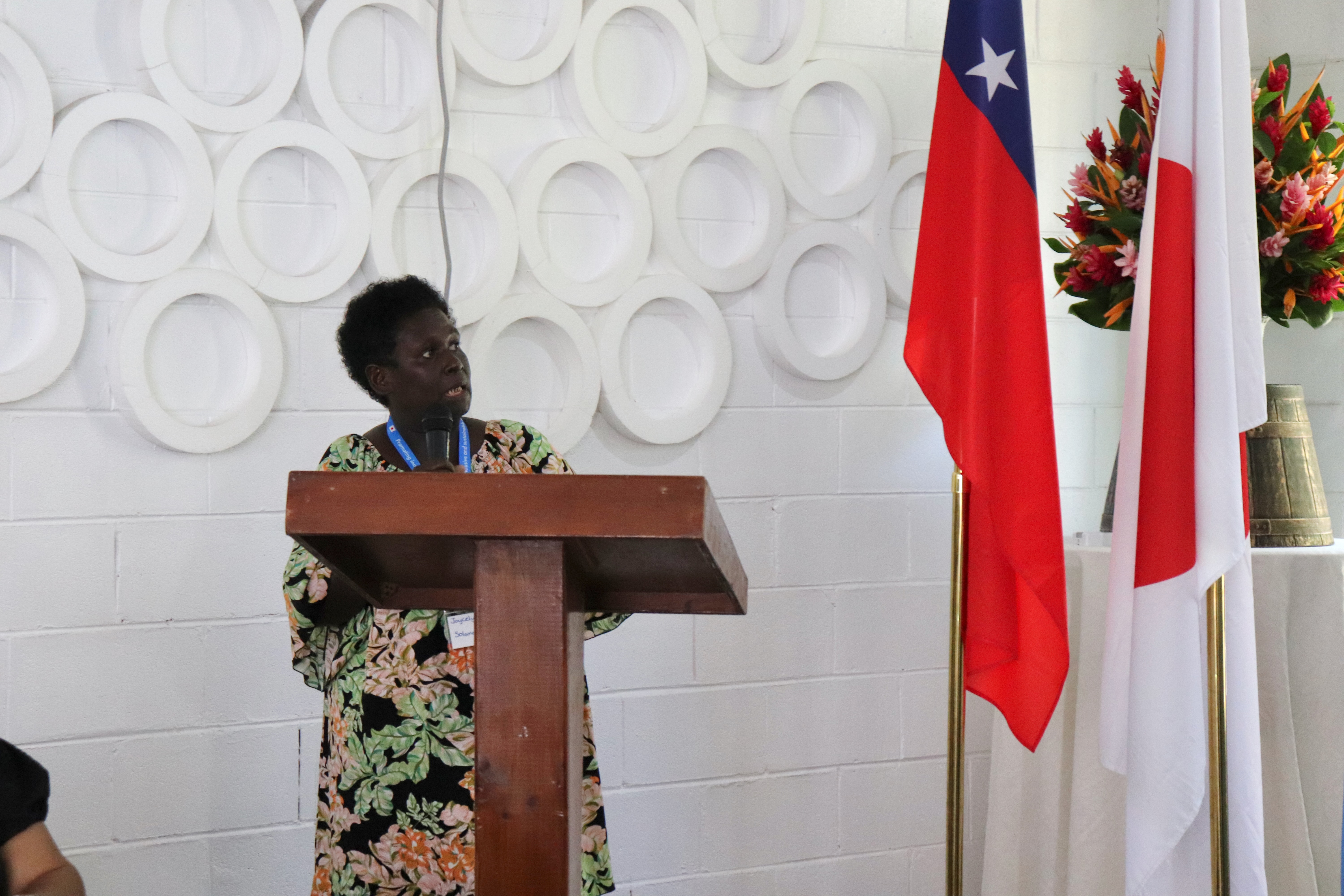
30 September, Hiroshima, Japan – Joycelyn Lamu knows that experiencing a disaster and being prepared for one are two different things. Her community in the Solomon Islands faces earthquakes, tsunamis and tropical cyclones. Yet practical information about how to prepare and respond has not always reached the people who need it.
25 September 2026, New York/Istanbul - The United Nations Institute for Training and Research (UNITAR), the Eurasian Universities Union (EURAS), and Istanbul Aydın University (IAU) launched the Platform on Maritime Governance and Security at the event on the margins of the 81st Session of the United Nations General Assembly in New York on 25 September 2026.
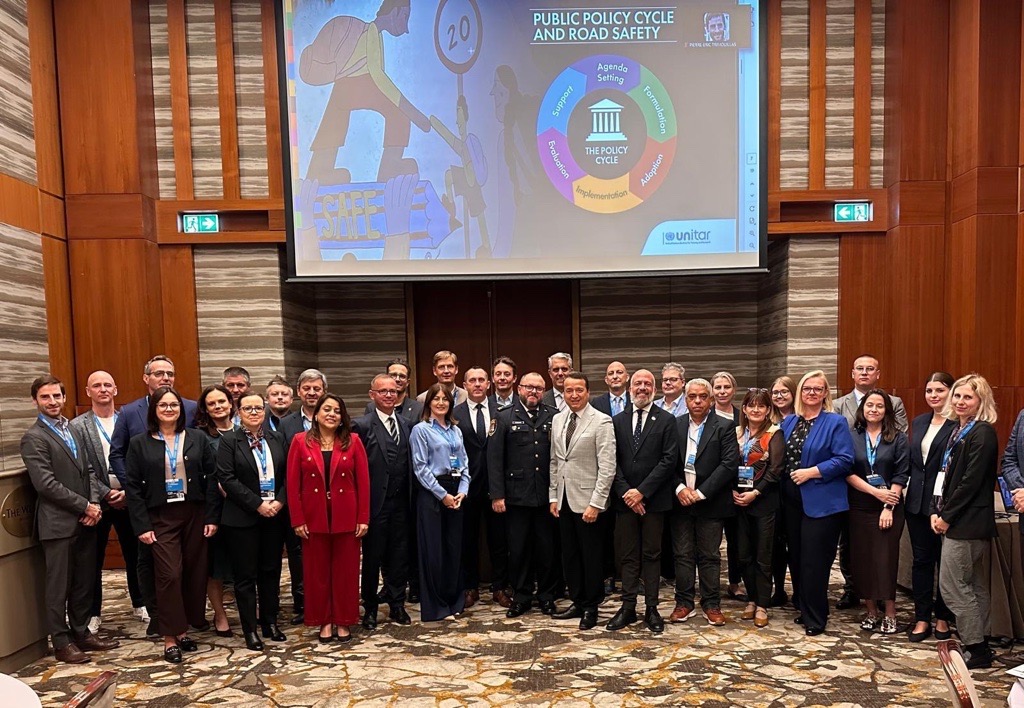
24 September 2026, Warsaw, Poland – The United Nations Institute for Training and Research (UNITAR), in close collaboration with the Fédération Internationale de l'Automobile (FIA) and supported by the FIA Foundation, held the second face-to-face workshop for the Central and Eastern Europe under the Safe Mobility for All and for Life (SM4A4L) initiative. The meeting, held on 22–23 September in Warsaw, marked the strategic transition from conceptual learning toward the formulation of concrete interventions on the ground.
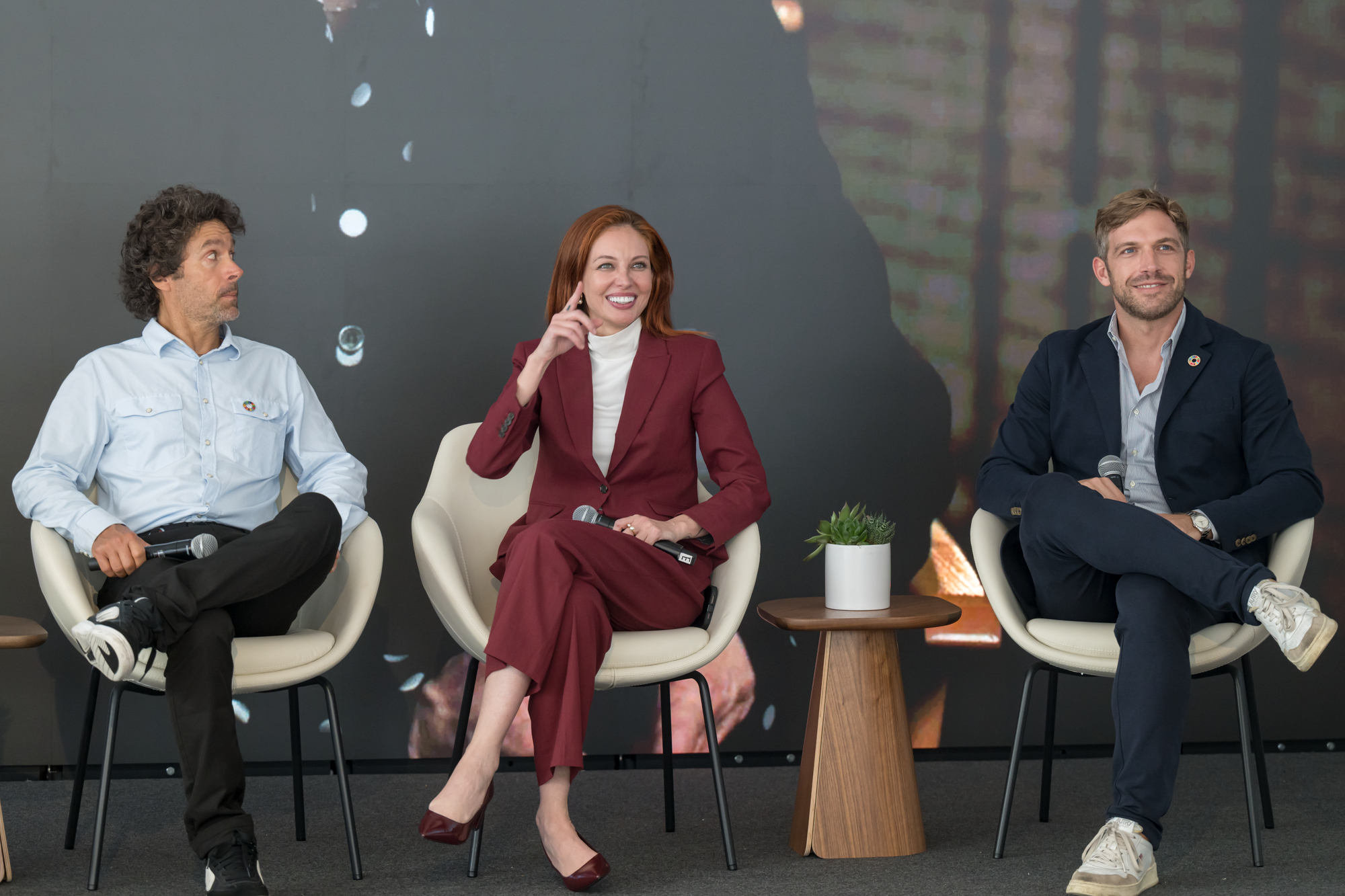
23 September 2026, Geneva, Switzerland – UNITAR is launching a new Online Professional Diploma in Skills for the Future and Employability, combining technical and human-centred skills to help professionals adapt to a rapidly changing world of work. The three-month online programme begins in January 2027 and includes six live workshops, also available individually as micro-credentials.
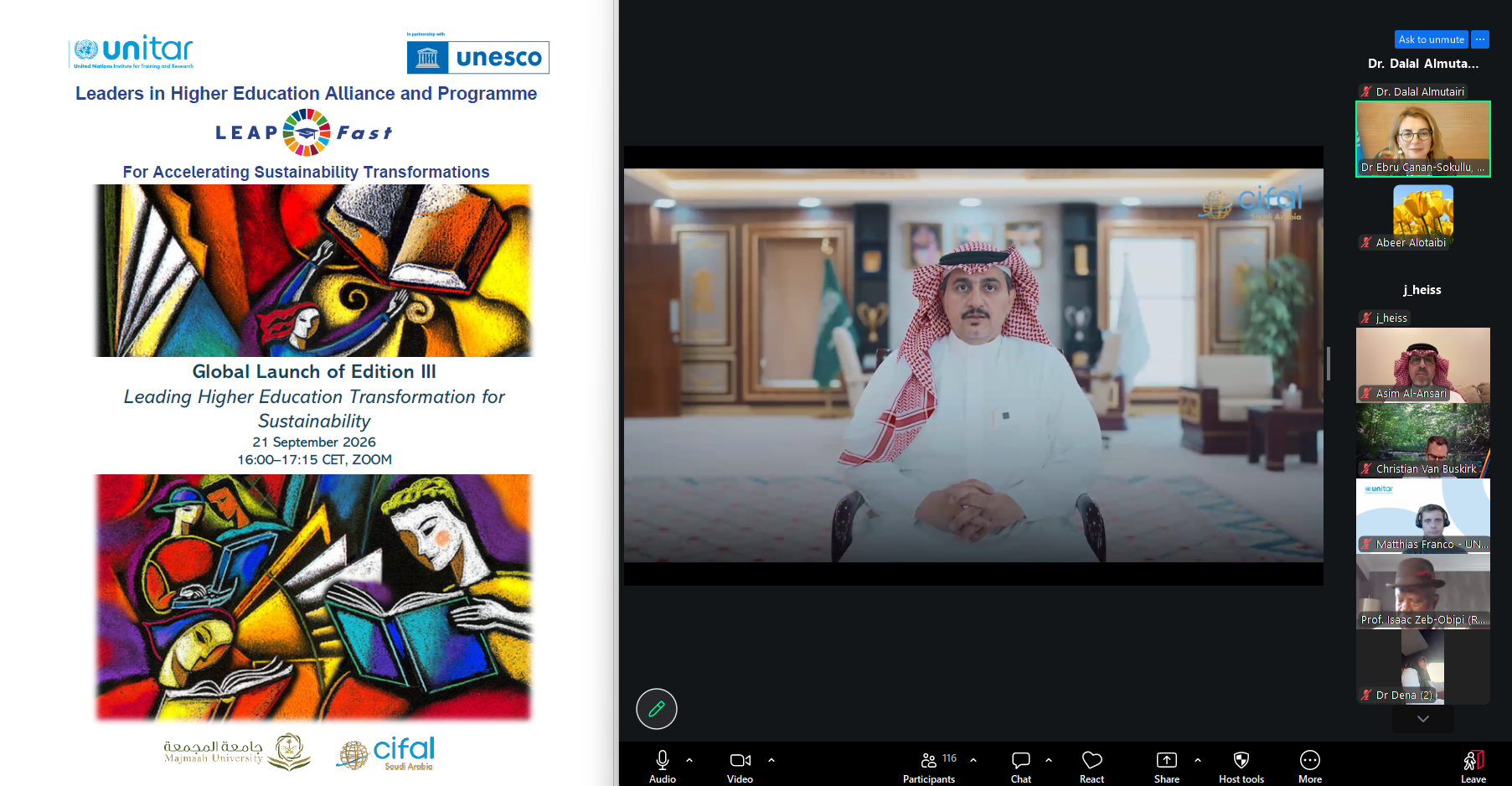
21 September 2026 - Geneva, Switzerland / Majmaah, Saudi Arabia - Senior leaders from 35 higher education institutions in 20 countries have begun a UN-backed programme designed to move universities from pledging support for sustainability to changing how they govern, teach, research and spend.
The 106 participants started the third edition of LEAP-FAST, the Leaders in Higher Education Alliance and Programme for Accelerating Sustainability Transformations, at a virtual launch convened by the United Nations Institute for Training and Research (UNITAR) and UNESCO. The launch was organised in partnership with Majmaah University and CIFAL Saudi Arabia, part of UNITAR's CIFAL Global Network of training centres.
The 106 participants started the third edition of LEAP-FAST, the Leaders in Higher Education Alliance and Programme for Accelerating Sustainability Transformations, at a virtual launch convened by the United Nations Institute for Training and Research (UNITAR) and UNESCO. The launch was organised in partnership with Majmaah University and CIFAL Saudi Arabia, part of UNITAR's CIFAL Global Network of training centres.
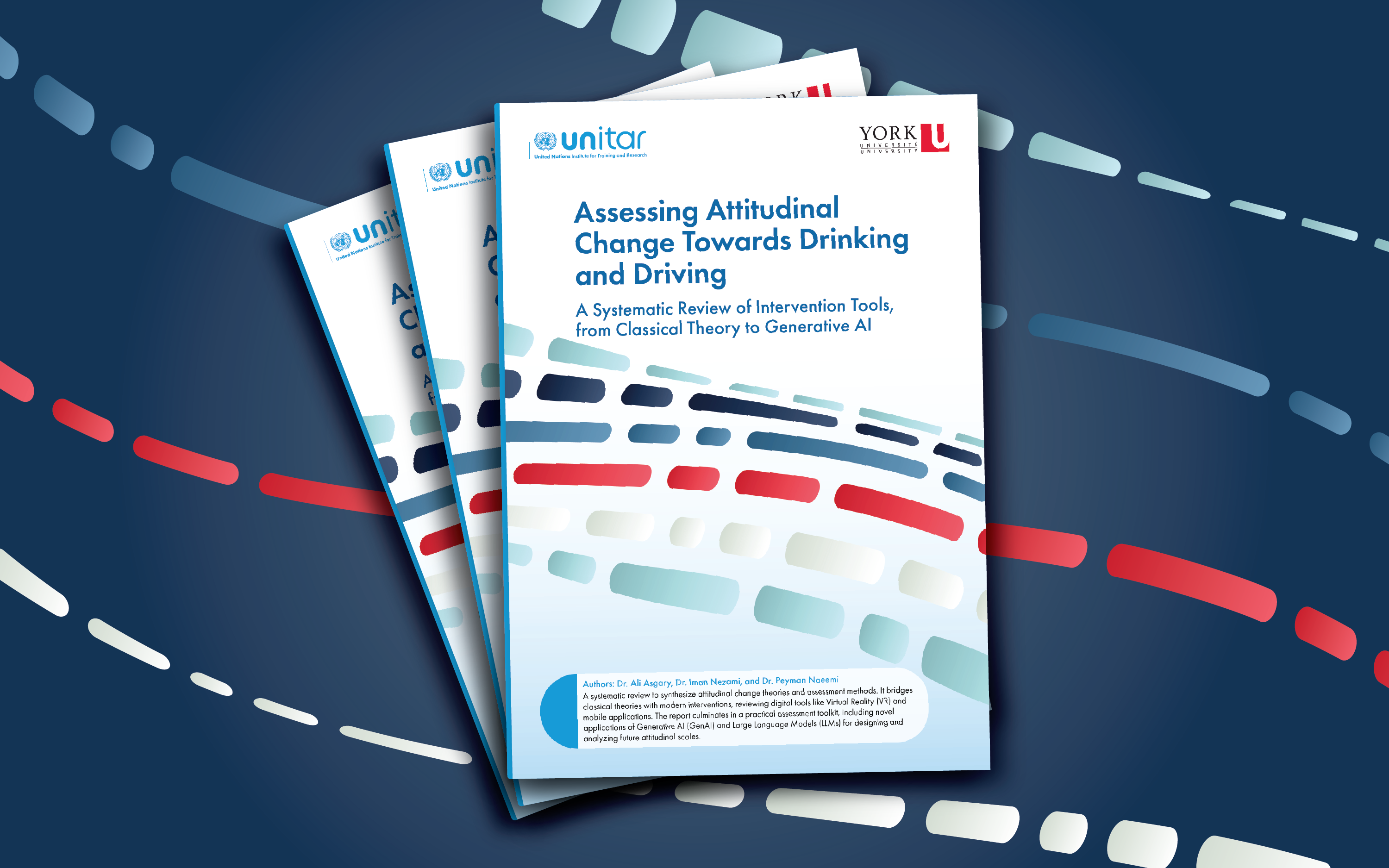
17 September 2026, Geneva, Switzerland – UNITAR, in collaboration with York University in Canada, released the study, “Assessing Attitudinal Change Towards Drinking and Driving: A Systematic Review of Intervention Tools, from Classical Theory to Generative AI. Understanding why many interventions produce only short-lived results, while providing a practical and evidence-based toolkit that governments, NGOs, and road-safety practitioners can use to measure and, ultimately, increase attitudinal and behavioural change are the key objectives of this study.
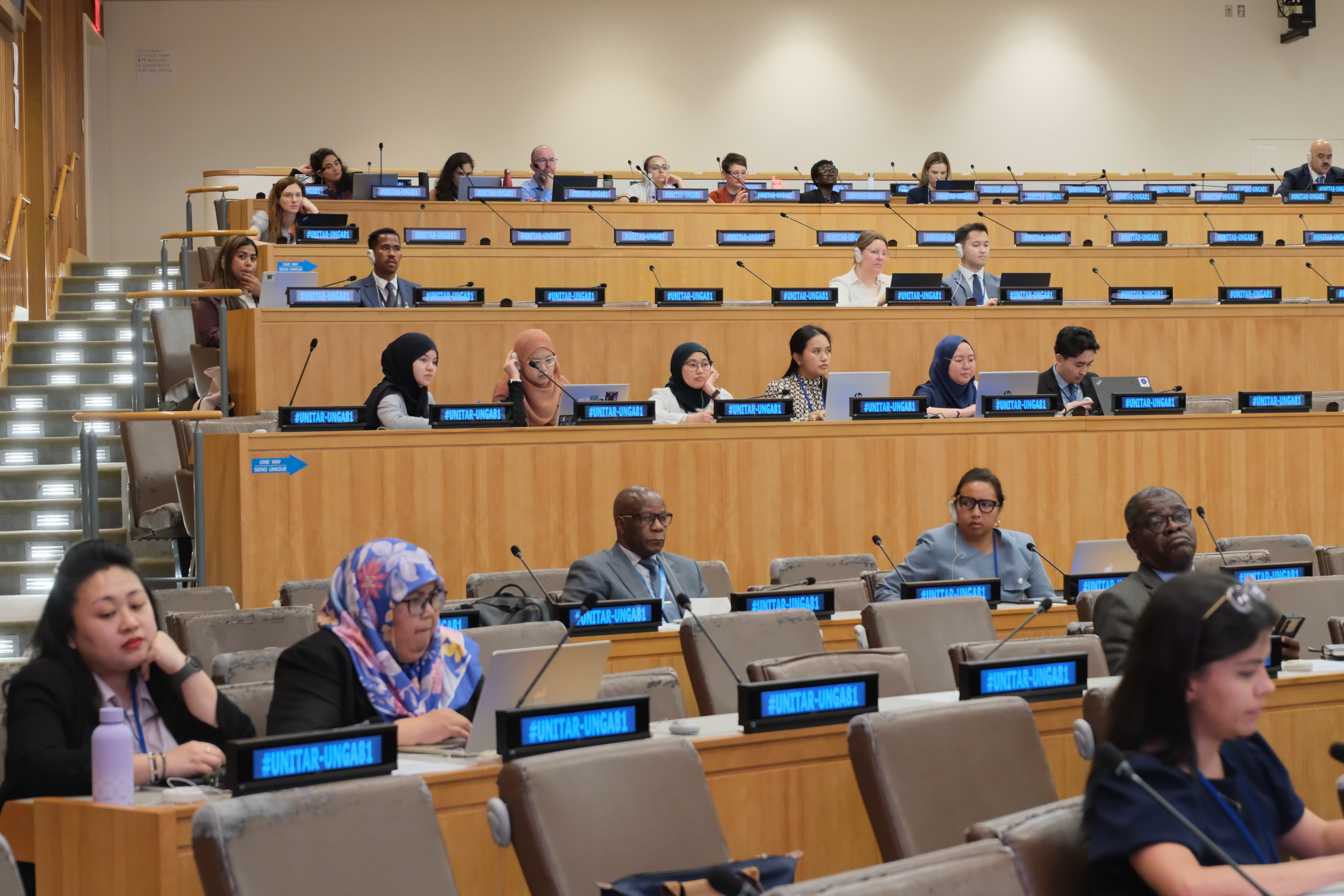
16 September 2026, New York, United States – More than 130 delegates gathered at United Nations Headquarters in New York on 14 September for a UNITAR briefing to strengthen their understanding of the procedures, priorities and working methods of the 81st session of the General Assembly.
Held ahead of the new session, the Briefing for Delegates on the 81st General Assembly and the Main Committees provided practical guidance on the General Assembly’s programme of work, elections, draft resolutions, Main Committees and Rules of Procedure, as well as the relationship between the General Assembly and the Security Council.
The annual programme forms part of UNITAR’s longstanding support to diplomats preparing for the General Assembly and High-Level Week. Since 2017, UNITAR has convened the annual programme in partnership with the Permanent Mission of the Republic of Singapore to the United Nations and the Forum of Small States.
Held ahead of the new session, the Briefing for Delegates on the 81st General Assembly and the Main Committees provided practical guidance on the General Assembly’s programme of work, elections, draft resolutions, Main Committees and Rules of Procedure, as well as the relationship between the General Assembly and the Security Council.
The annual programme forms part of UNITAR’s longstanding support to diplomats preparing for the General Assembly and High-Level Week. Since 2017, UNITAR has convened the annual programme in partnership with the Permanent Mission of the Republic of Singapore to the United Nations and the Forum of Small States.
9 September 2026, Curitiba, Brazil – CIFAL Curitiba delivered 156 initiatives reaching 1,872 participants in 2025, according to its newly published Annual Report of Activities. The report highlights the Centre’s work across economic and social development, sustainability and governance, including programmes promoting migrant inclusion, advancing women’s entrepreneurship and fostering responsible business practices.
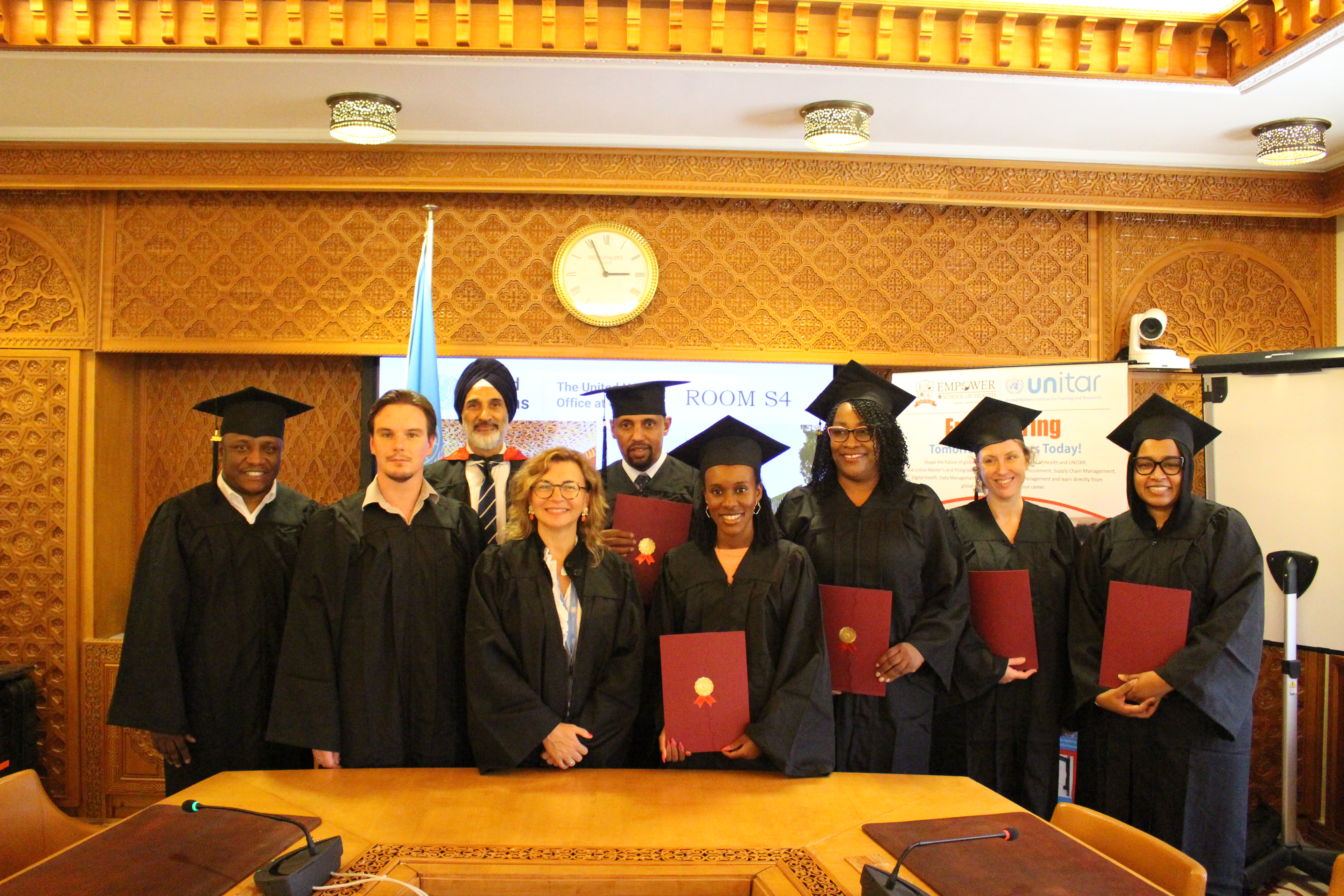
28 August 2026, Geneva, Switzerland - The United Nations Institute for Training and Research (UNITAR) and Empower School of Health celebrated the graduation of the 2026 cohort of their joint programmes in a ceremony held at the Palais des Nations. The event brought together graduates from every region of the world alongside senior United Nations officials, as well as faculty and industry partners, marking one of the most internationally representative graduating classes in the partnership's history.