

UNITAR
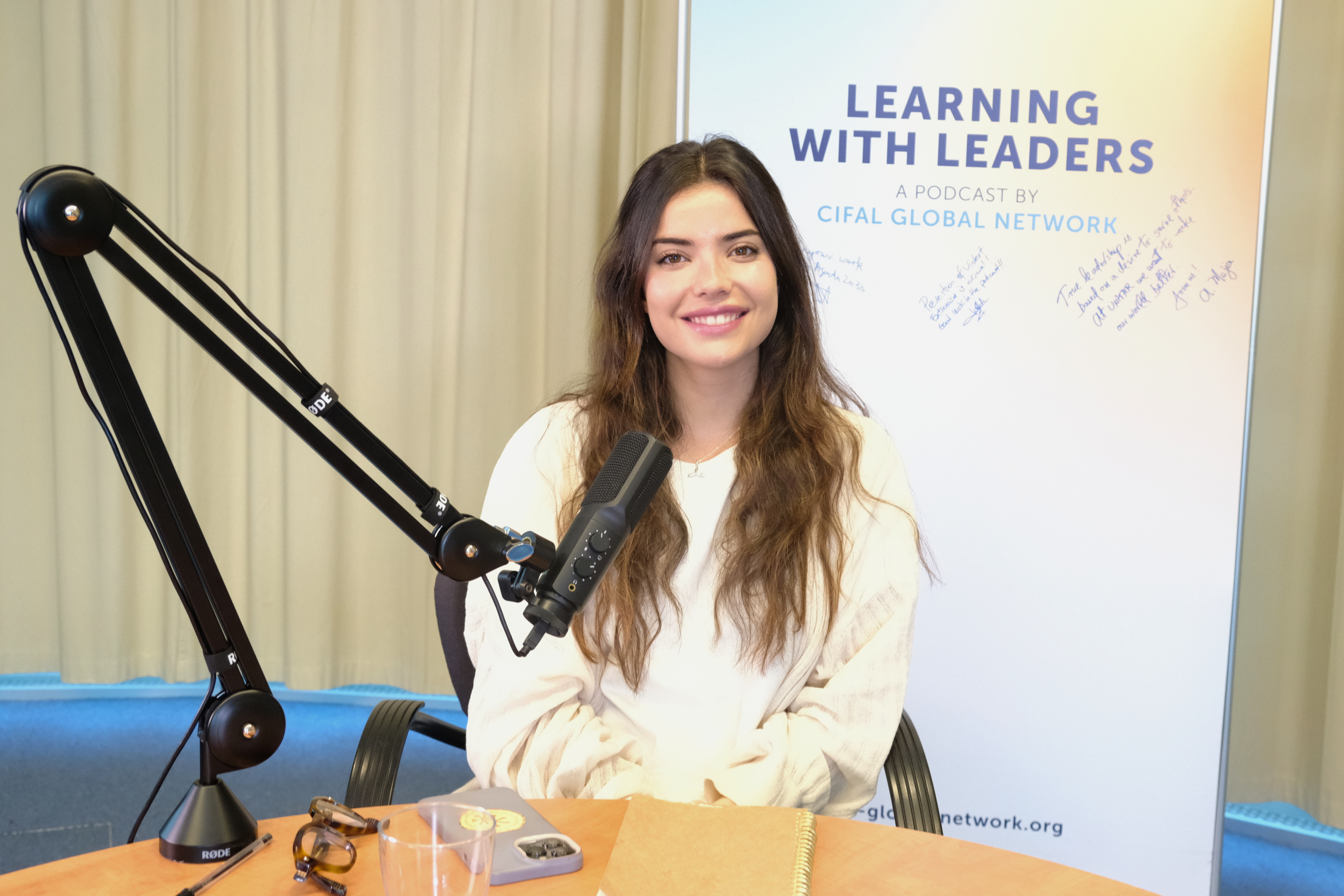
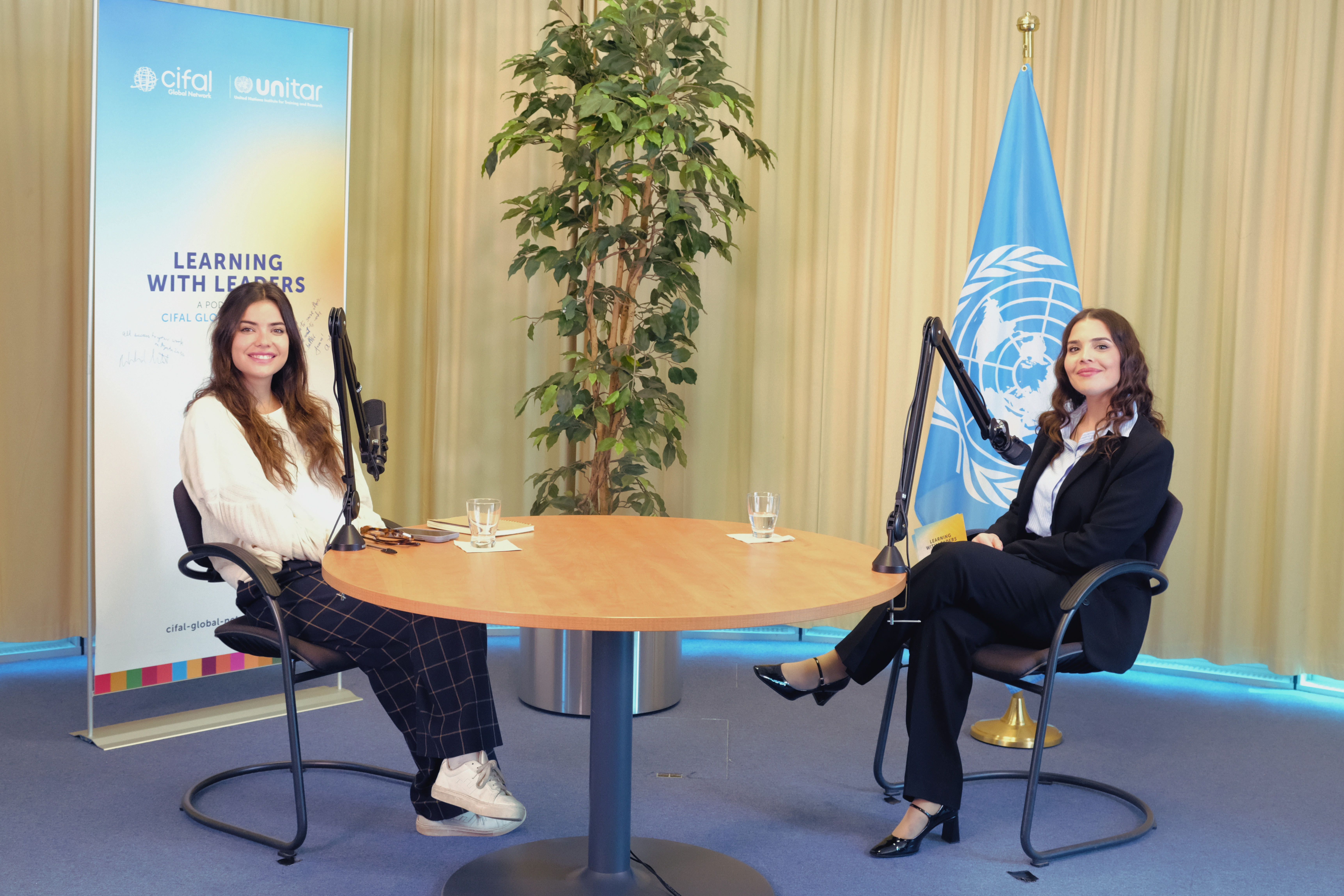
10 August 2026, Geneva, Switzerland – Environmental activist and content creator Carlota Bruna joins the latest episode of the UNITAR and CIFAL Global Network podcast, Learning with Leaders, to discuss climate action, conscious consumption and the importance of trusting one’s voice.
The conversation comes as extreme heat and wildfires continue to demonstrate the growing effects of climate change. The World Meteorological Organization reported that western Europe experienced its hottest June on record in 2026, with extreme heat and dry conditions contributing to wildfires in the Iberian Peninsula and southern France.
An EU Climate Pact Ambassador and UNESCO Green Citizen, Carlota uses environmental communication to connect scientific knowledge with everyday life. She received the Forbes Spain Best Sustainability Content Creator award in 2023 and has contributed articles to National Geographic. Through her social media platforms, where she has built a community of more than 200,000 followers, she shares information about sustainable living and the environmental consequences of consumption.
In the episode, Carlota reflects on her journey into activism and discusses climate justice, individual responsibility and the role of young people in advancing climate action.
“Every time we buy, we are voting for the planet we want to live in.”
For Carlota, consumption is closely connected to environmental responsibility. The clothes people wear, the food they eat and the products they buy all have consequences that extend beyond the individual consumer.
She explains that her environmental activism emerged partly from frustration with climate discussions that focus exclusively on negative consequences. While acknowledging the seriousness of the crisis, she believes climate communication should be clearer and help people understand how they can act.
“Living in harmony with nature is a privilege.”
UNITAR
Carlota also speaks about the personal demands of environmental advocacy, describing activism as both a responsibility and a privilege.
Living in harmony with nature, she explains, requires people to recognize their place within the natural world and consider whether their everyday choices reflect their values.
She also questions the familiar expression “saving the planet”. In her view, the more immediate objective is to protect life on Earth, including human life. Environmental health and human well-being are deeply connected, and damage to natural systems ultimately affects the people and communities who depend on them.
Reflecting on the global consequences of fast fashion, she draws attention to the environmental damage caused by textile waste. She reminds listeners that many discarded garments ultimately end up in places such as Chile’s Atacama Desert, where mountains of low-quality clothing accumulate and pollute local ecosystems.
For her, creating a more sustainable future is not the responsibility of a select few, but of everyone. Through education, informed choices, and collective action, individuals and communities can contribute to broader efforts to address climate change and advance sustainable development.
Learning With Leaders by CIFAL Global Network
UNITAR
The United Nations Institute for Training and Research (UNITAR) and the CIFAL Global Network (CGN) proudly present Learning with Leaders, a podcast series that brings listeners closer to the people shaping our world.
Through its 30 CIFAL Centres worldwide, the CIFAL Global Network strengthens capacities, promotes knowledge exchange, and empowers local actors to advance sustainable development. Reflecting this mission, the podcast explores how leadership, environmental awareness, education, and collective action can drive more sustainable and resilient societies.
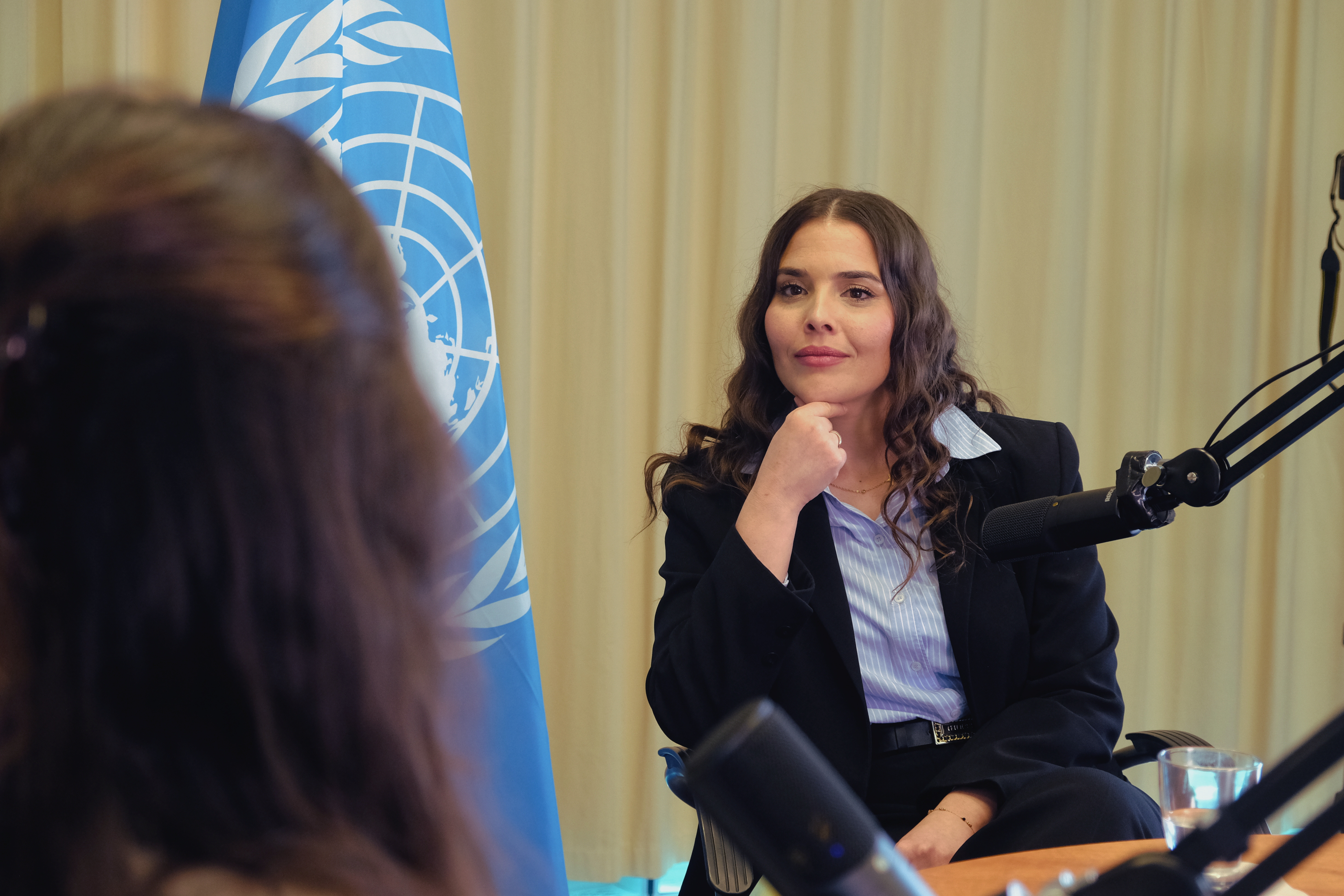
Hosted by Andrea Ríos, each episode features conversations with leaders from diverse sectors, exploring the experiences, challenges, and defining moments that have shaped their journeys. Going beyond titles and achievements, the series uncovers the values, lessons, and personal stories behind impactful leadership, inspiring listeners to create positive change in their own communities.