

Displaying 1 - 10 of 2604
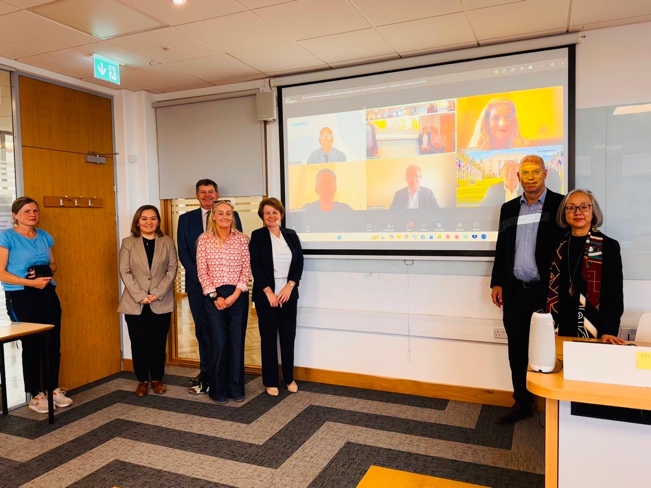
16 October 2026, Geneva, Switzerland – The United Nations Institute for Training and Research (UNITAR) and University College Dublin (UCD) have taken an important step towards developing joint programs offering Certificates, Professional Diplomas and Master's degrees with various specializations in Sustainable Development, and in partnership with VET, Corporate and governmental agencies. This collaboration also provides the platform to launch the first pilot of the Capabilities 4 the Future (CAP4FUTURE) Hub in Ireland.
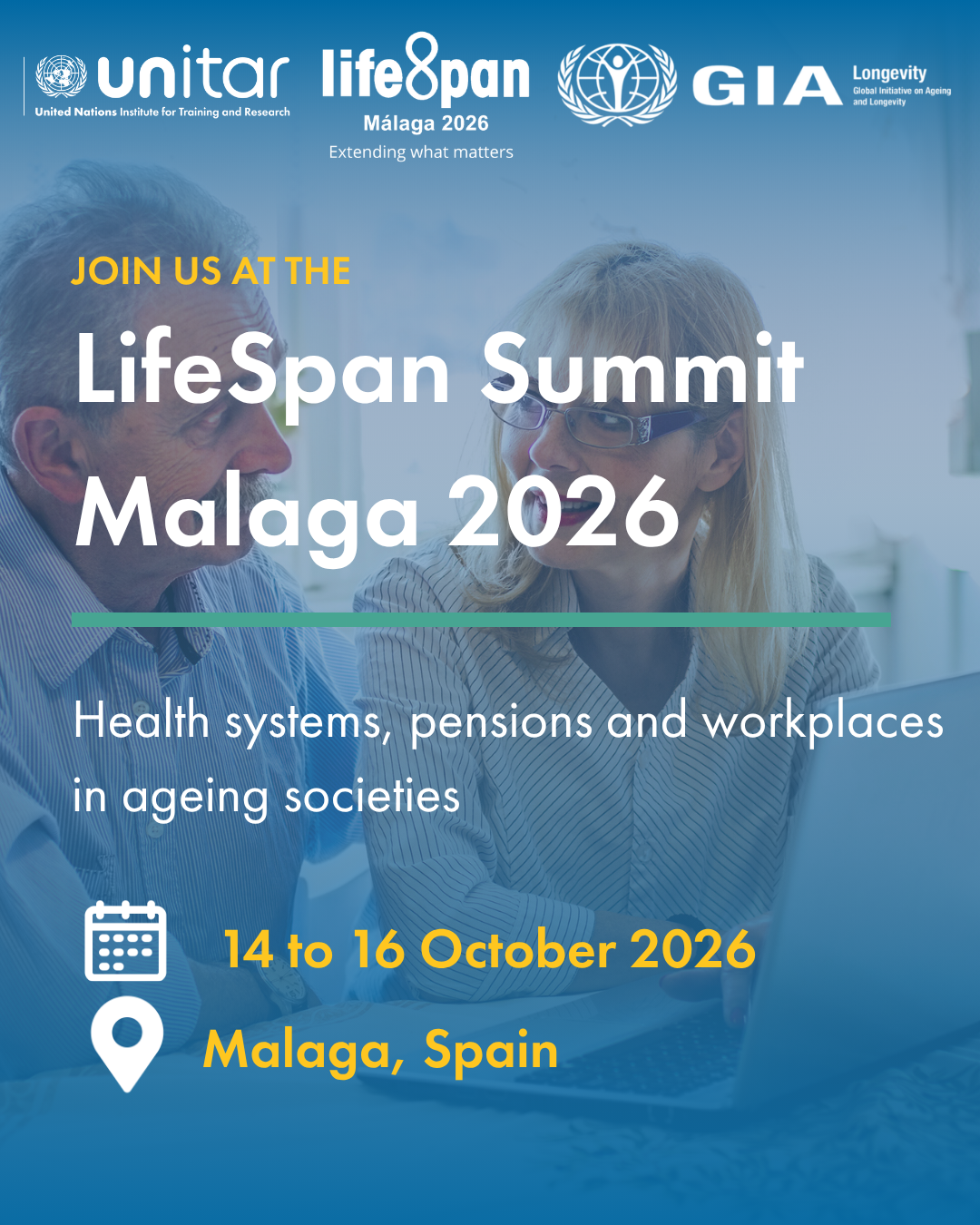
7 October 2026, Geneva, Switzerland – The 100-year life is changing business, policy and society. From 14 to 16 October 2026, the LifeSpan Summit in Málaga will bring together institutions, businesses, researchers and innovators who can help shape how societies respond to longer lives.
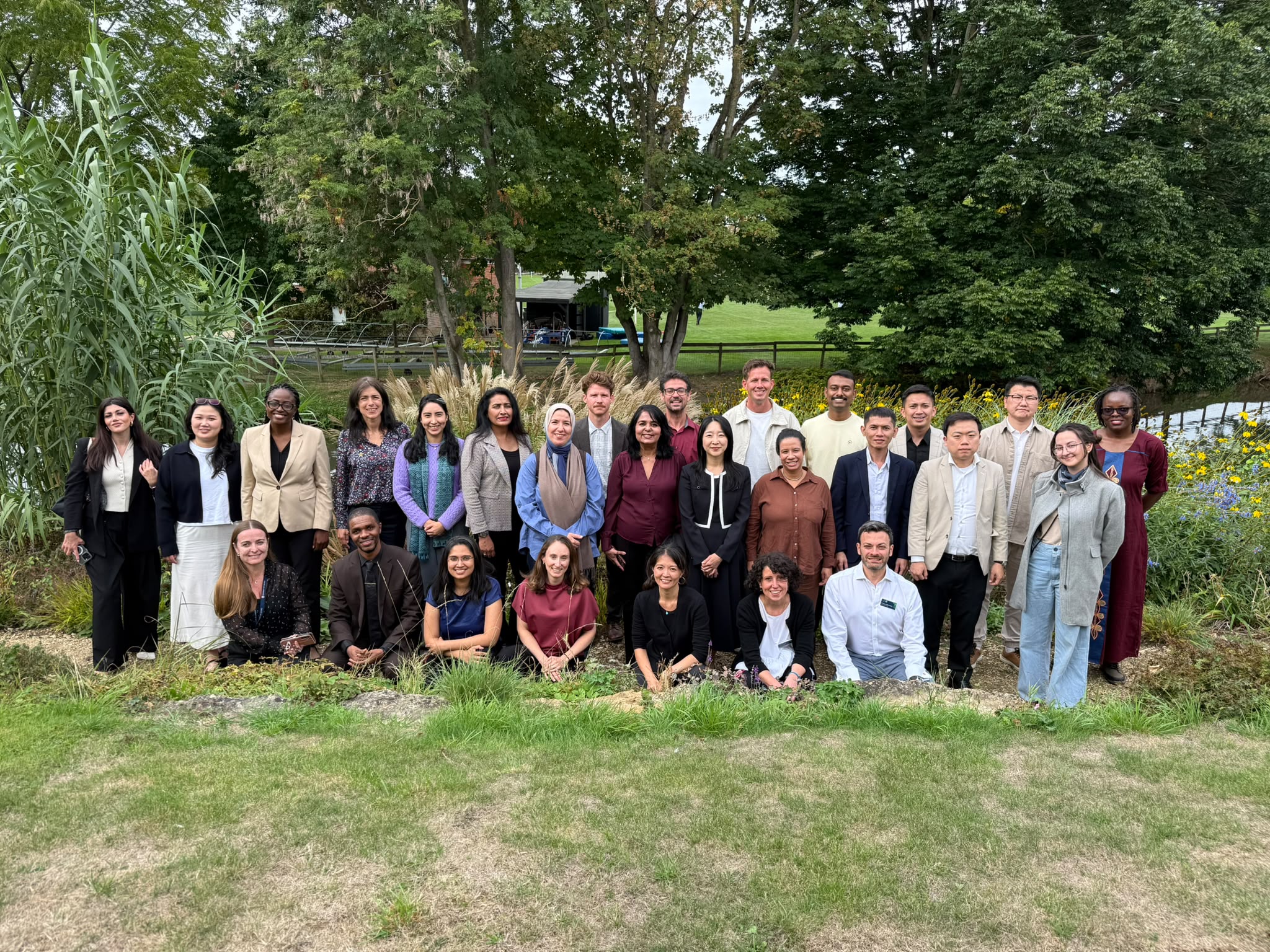
1 October 2026, Oxford, United Kingdom – UNITAR, under the PAGE Partnership, delivered the Future-Proofing Business and the Economy on 21-23 September 2026. The 3-day program, organized with the Oxford Smith School of Enterprise and the Environment, trained senior leaders to navigate change and make economies and businesses more resilient in an ever-uncertain world.
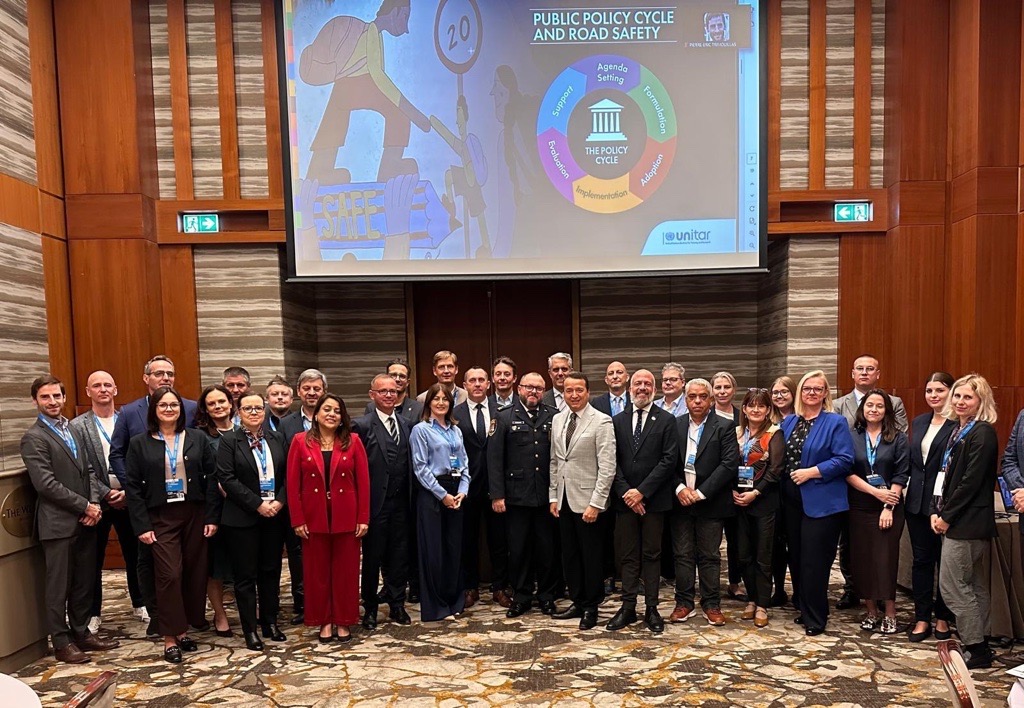
24 September 2026, Warsaw, Poland – The United Nations Institute for Training and Research (UNITAR), in close collaboration with the Fédération Internationale de l'Automobile (FIA) and supported by the FIA Foundation, held the second face-to-face workshop for the Central and Eastern Europe under the Safe Mobility for All and for Life (SM4A4L) initiative. The meeting, held on 22–23 September in Warsaw, marked the strategic transition from conceptual learning toward the formulation of concrete interventions on the ground.
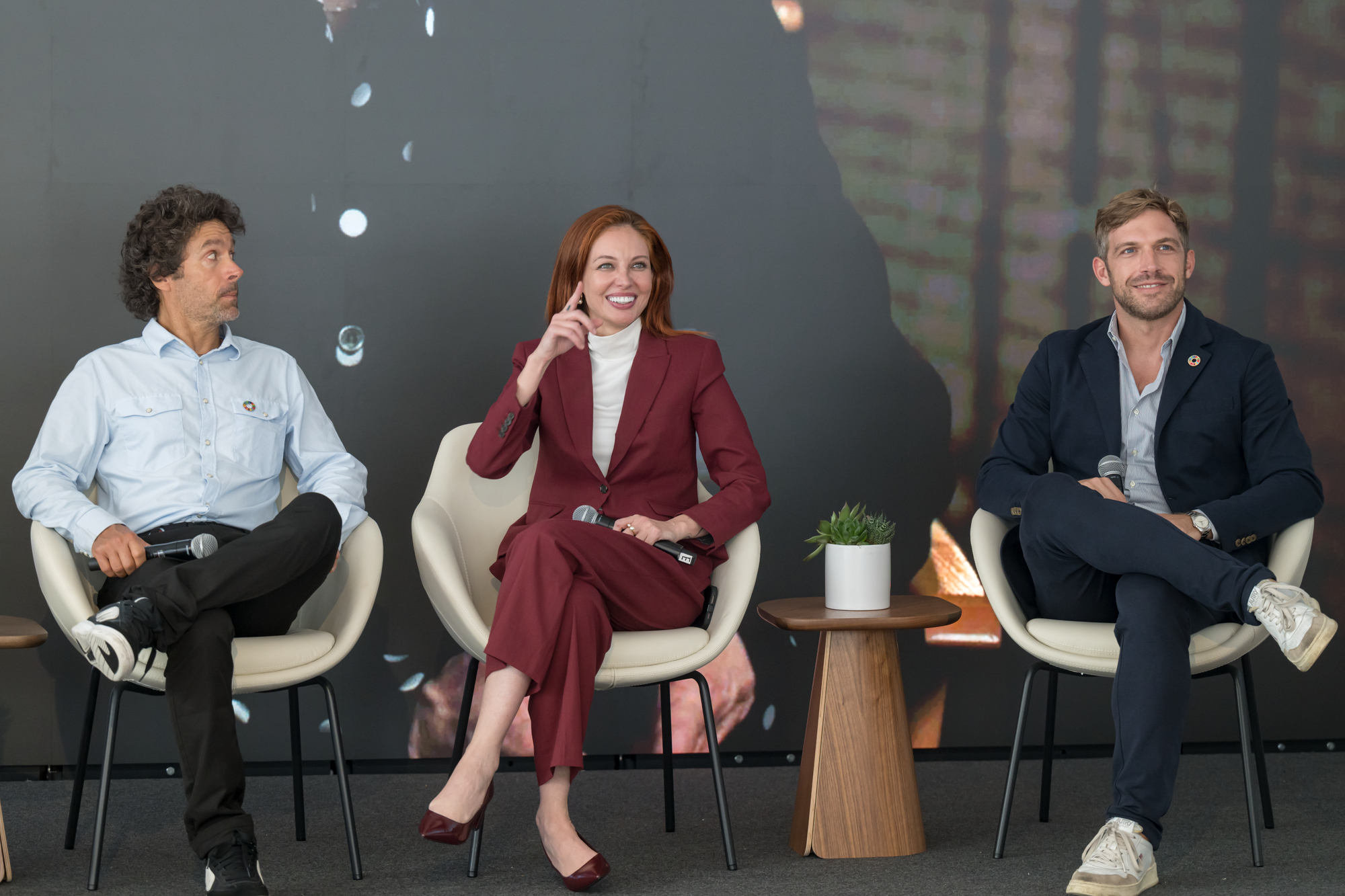
23 September 2026, Geneva, Switzerland – UNITAR is launching a new Online Professional Diploma in Skills for the Future and Employability, combining technical and human-centred skills to help professionals adapt to a rapidly changing world of work. The three-month online programme begins in January 2027 and includes six live workshops, also available individually as micro-credentials.
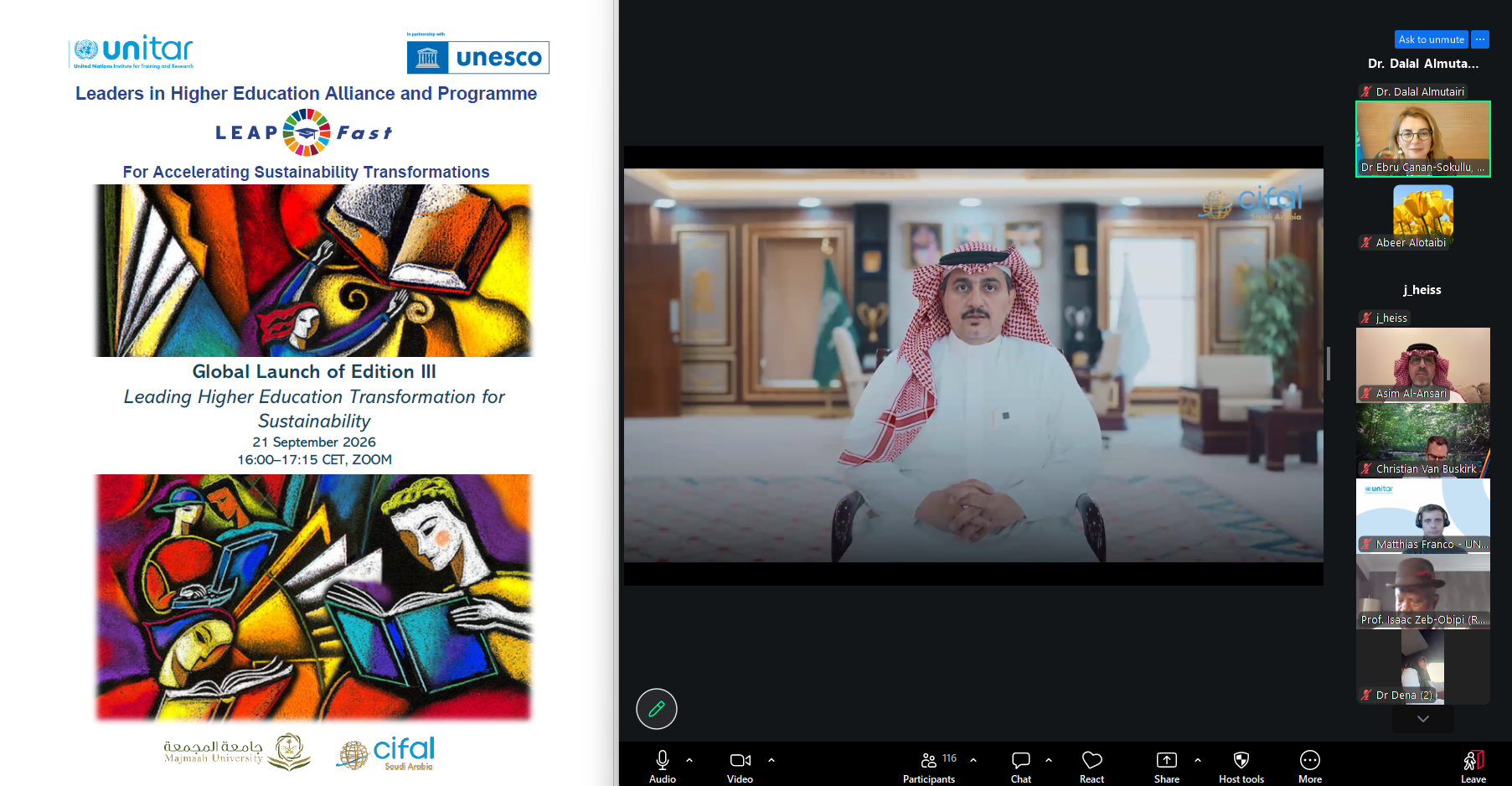
21 September 2026 - Geneva, Switzerland / Majmaah, Saudi Arabia - Senior leaders from 35 higher education institutions in 20 countries have begun a UN-backed programme designed to move universities from pledging support for sustainability to changing how they govern, teach, research and spend.
The 106 participants started the third edition of LEAP-FAST, the Leaders in Higher Education Alliance and Programme for Accelerating Sustainability Transformations, at a virtual launch convened by the United Nations Institute for Training and Research (UNITAR) and UNESCO. The launch was organised in partnership with Majmaah University and CIFAL Saudi Arabia, part of UNITAR's CIFAL Global Network of training centres.
The 106 participants started the third edition of LEAP-FAST, the Leaders in Higher Education Alliance and Programme for Accelerating Sustainability Transformations, at a virtual launch convened by the United Nations Institute for Training and Research (UNITAR) and UNESCO. The launch was organised in partnership with Majmaah University and CIFAL Saudi Arabia, part of UNITAR's CIFAL Global Network of training centres.
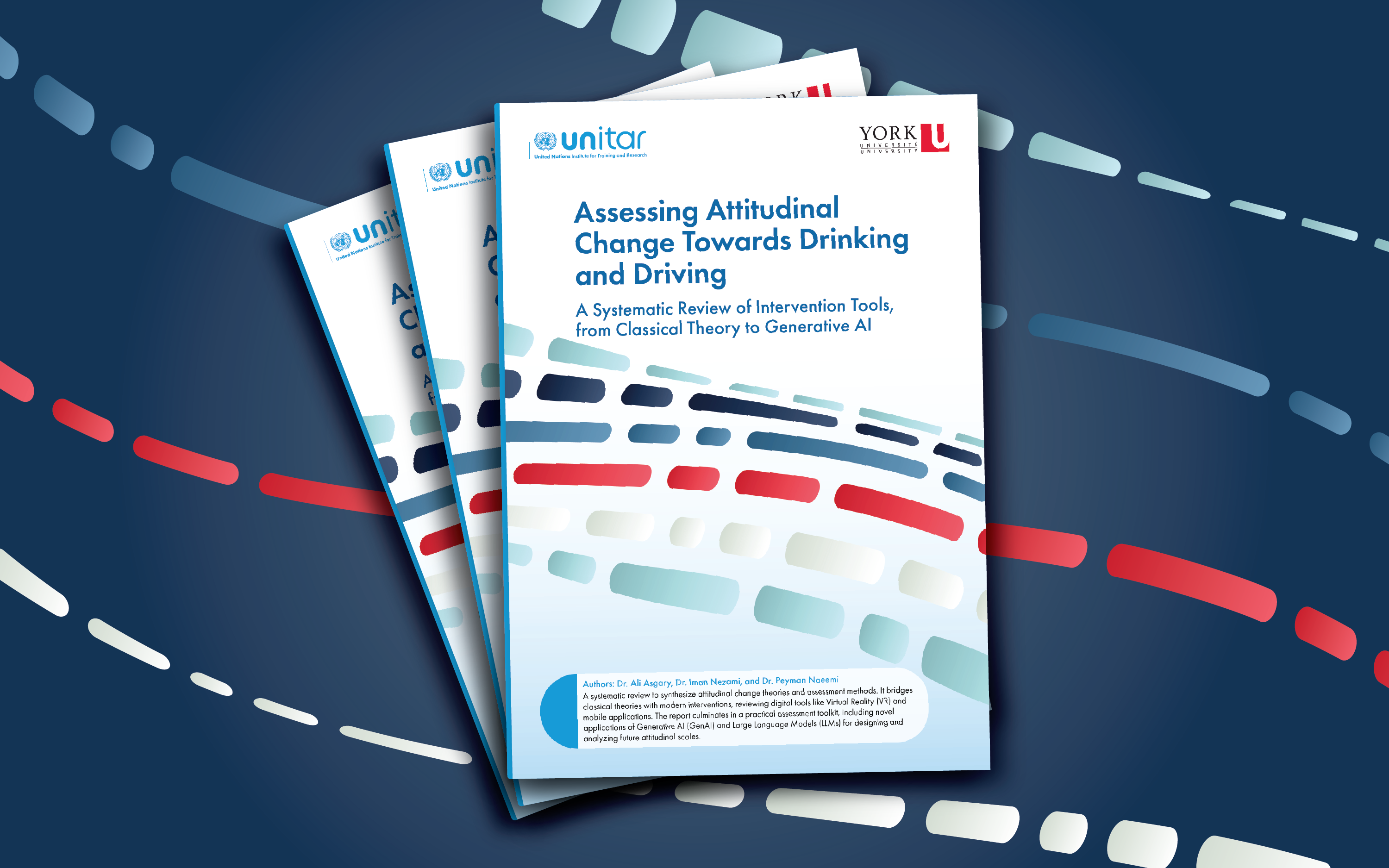
17 September 2026, Geneva, Switzerland – UNITAR, in collaboration with York University in Canada, released the study, “Assessing Attitudinal Change Towards Drinking and Driving: A Systematic Review of Intervention Tools, from Classical Theory to Generative AI. Understanding why many interventions produce only short-lived results, while providing a practical and evidence-based toolkit that governments, NGOs, and road-safety practitioners can use to measure and, ultimately, increase attitudinal and behavioural change are the key objectives of this study.
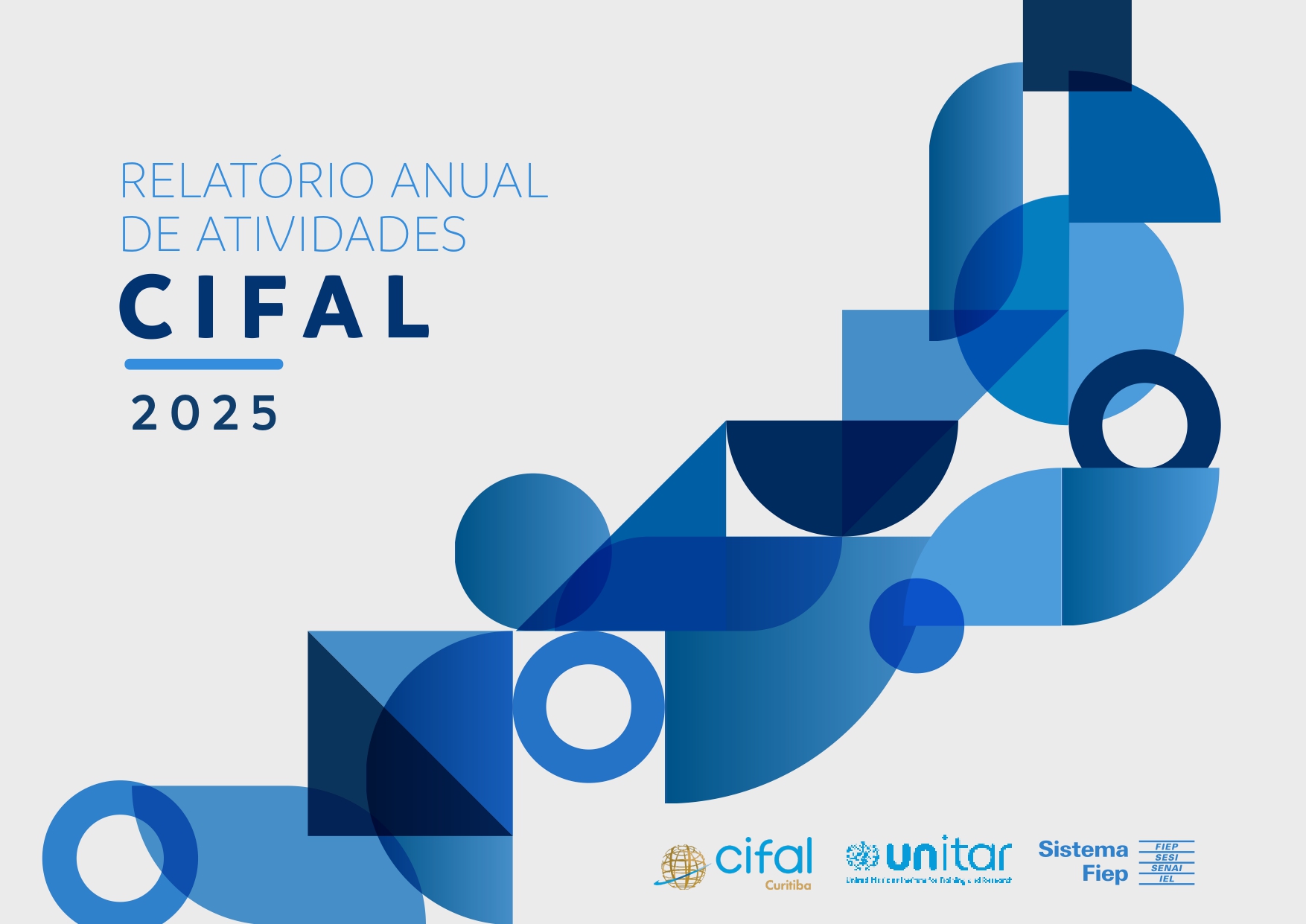
9 September 2026, Curitiba, Brazil – CIFAL Curitiba delivered 156 initiatives reaching 1,872 participants in 2025, according to its newly published Annual Report of Activities. The report highlights the Centre’s work across economic and social development, sustainability and governance, including programmes promoting migrant inclusion, advancing women’s entrepreneurship and fostering responsible business practices.
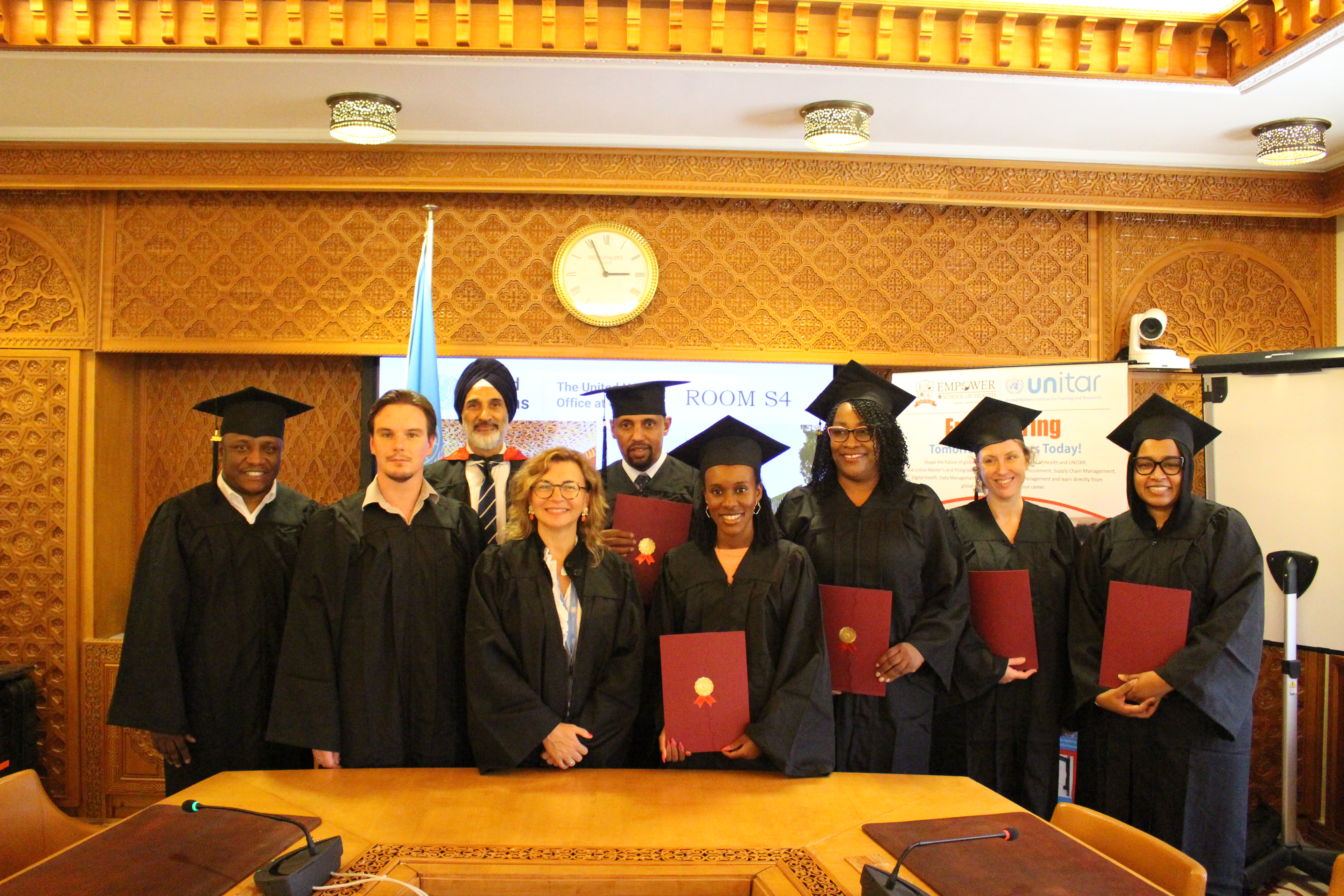
28 August 2026, Geneva, Switzerland - The United Nations Institute for Training and Research (UNITAR) and Empower School of Health celebrated the graduation of the 2026 cohort of their joint programmes in a ceremony held at the Palais des Nations. The event brought together graduates from every region of the world alongside senior United Nations officials, as well as faculty and industry partners, marking one of the most internationally representative graduating classes in the partnership's history.
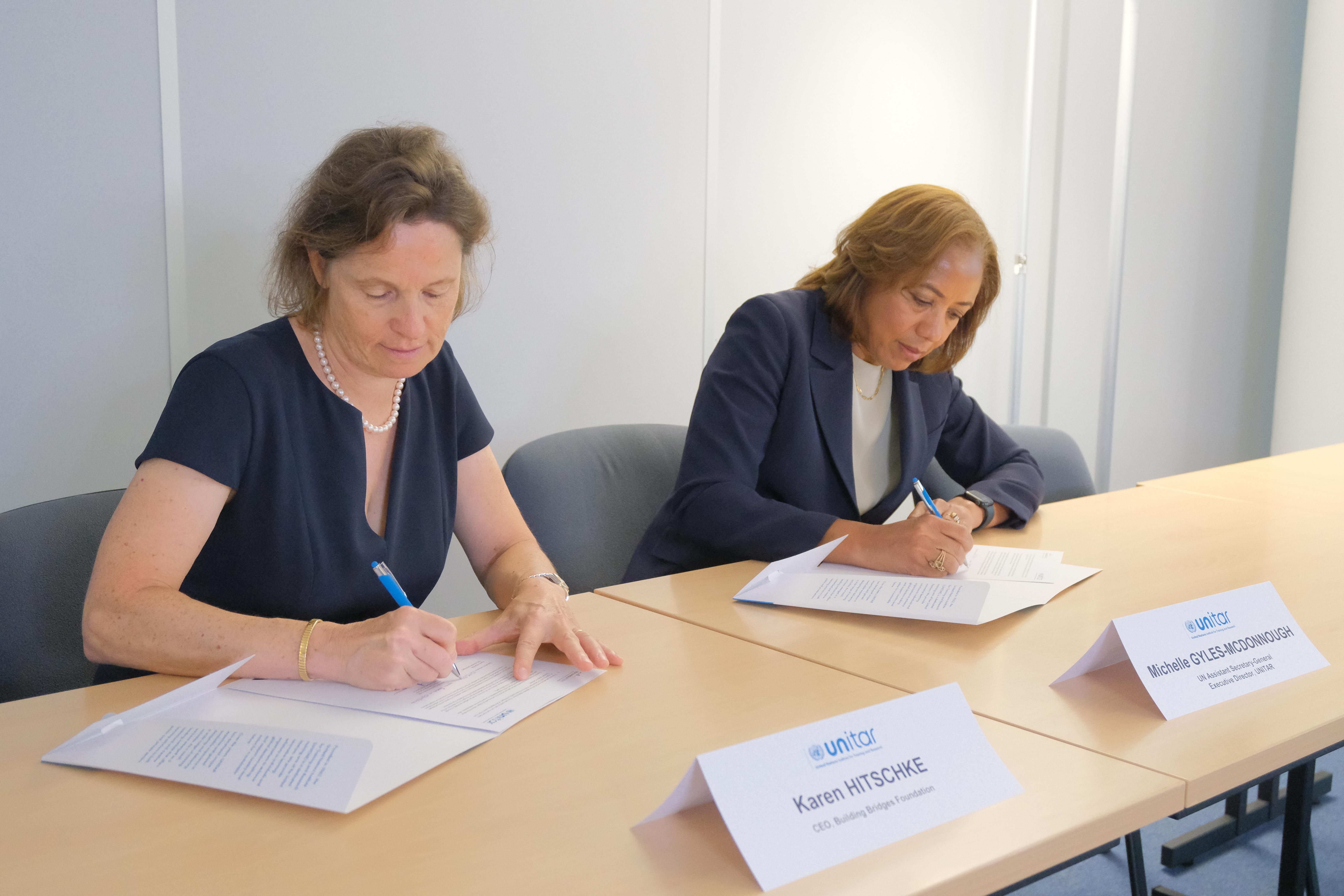
UNITAR has become a Networking Partner of the Building Bridges Conference, which will bring together more than 2’000 participants under the theme “Investable Solutions to Global Challenges” on 6-8 October 2026 at the CICG in Geneva.