

UNITAR
UNITAR
UNITAR
UNITAR
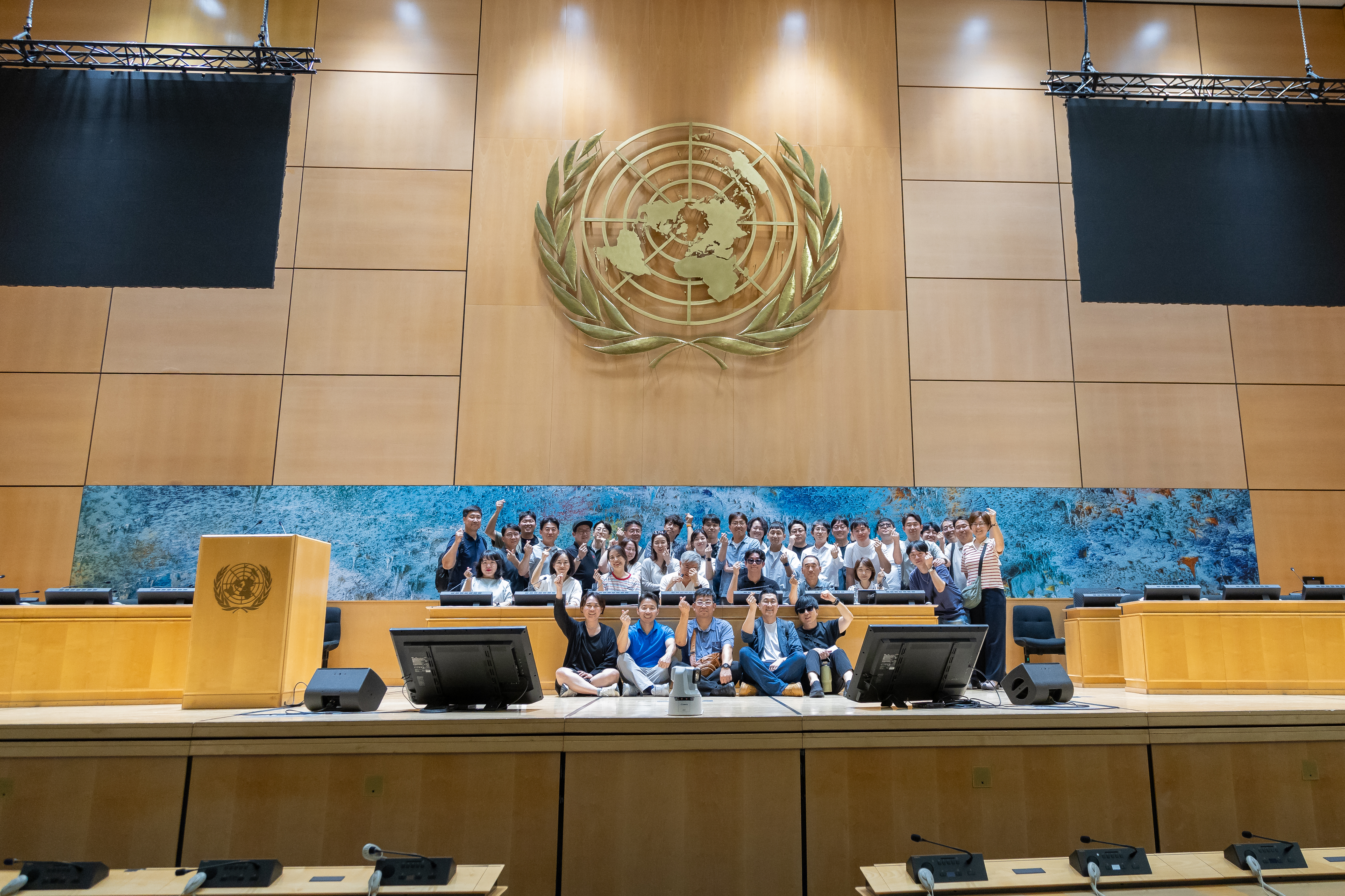
Geneva, July 2026 – The United Nations Institute for Training and Research (UNITAR) concluded its Summer Residential Programme for the aSSIST-SDG MS Dual Master's Degree in AI Engineering and Business Administration. Two cohorts of executives completed the 2026 programme, themed “Leading in the Age of Intelligent Systems: Driving Business, SDGs and Global Impact”, in Geneva, during 13–17 July and 20–24 July 2026, respectively.
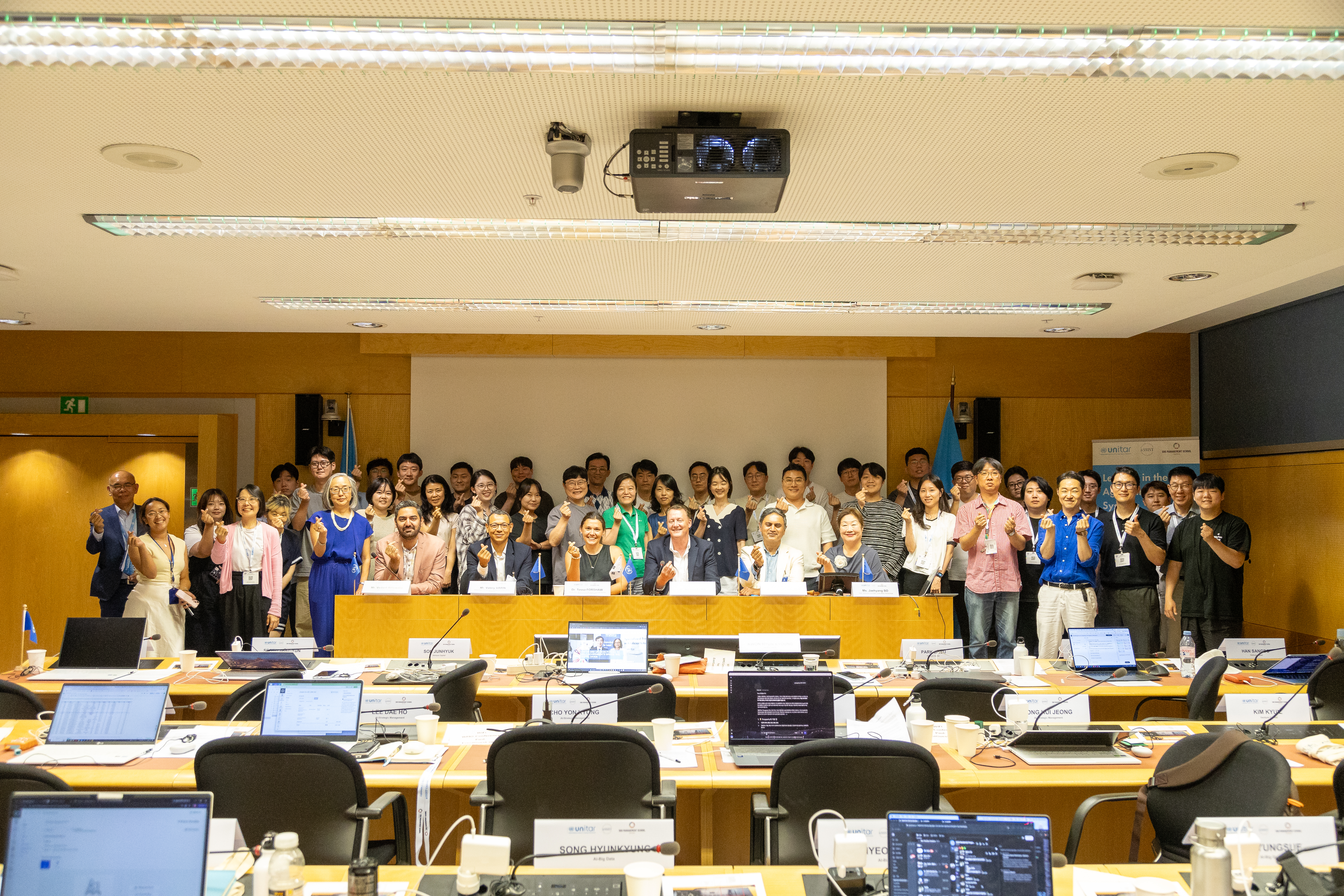
The Summer Residential Programme was organized in partnership with aSSIST University and the SDG Management School. It brought together 83 middle-, senior- and executive-level professionals from leading organizations across the Republic of Korea to strengthen their capacity to lead organizations through artificial intelligence (AI) use, innovation and sustainable development.
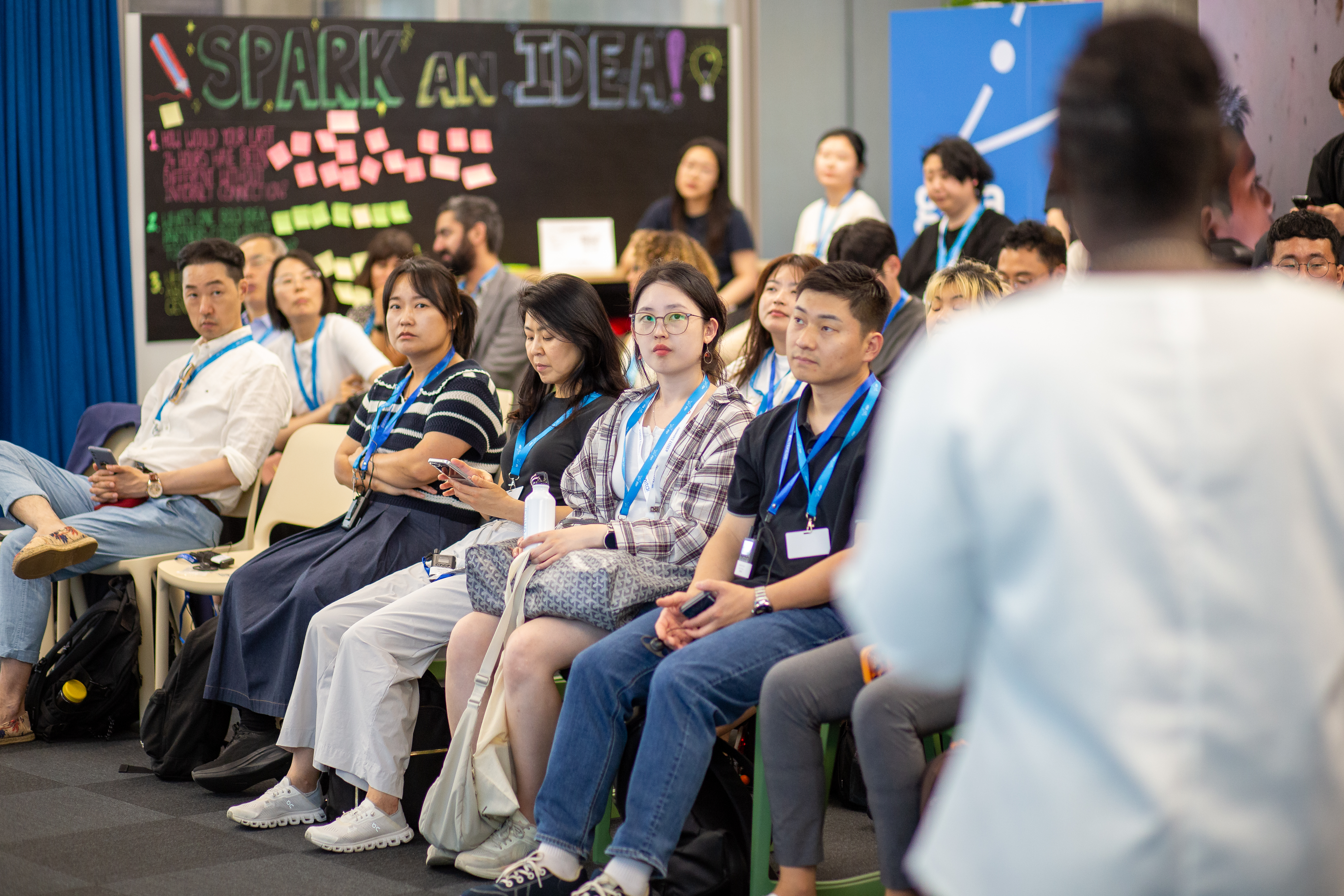
The learner-centred, experiential programme was built around three interconnected pillars emphasizing the practical application of AI to real-world organizational and sustainable development challenges. Participants engaged in an immersive learning experience combining executive lectures, interactive workshops, institutional dialogues and company visits, applied innovation projects and collaborative learning. By the end of the programme, the participants developed and presented practical strategies for integrating AI into organizational decision-making while advancing the Sustainable Development Goals (SDGs).
Inauguration Ceremonies with Senior Leaders
UNITAR
UNITAR
UNITAR
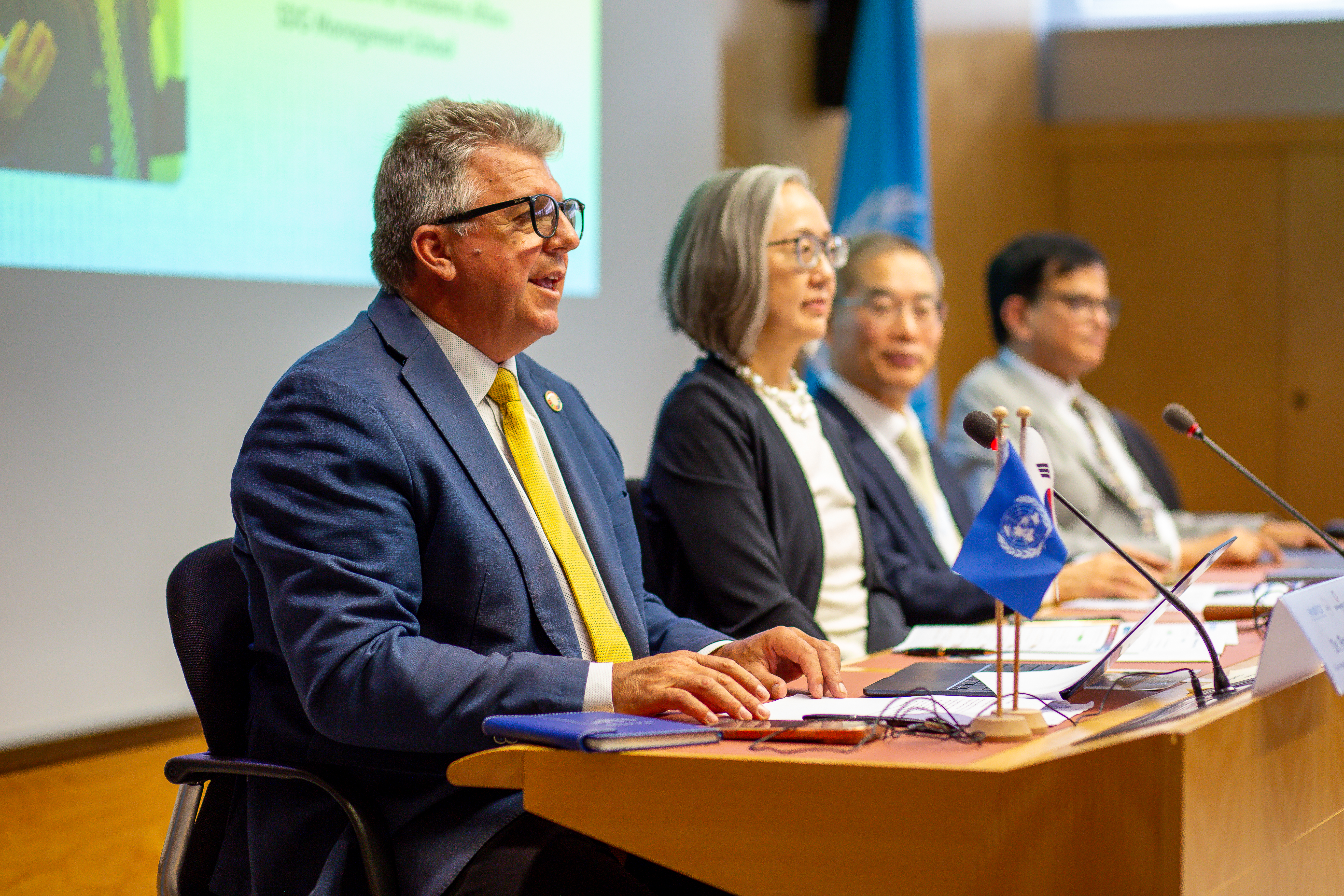
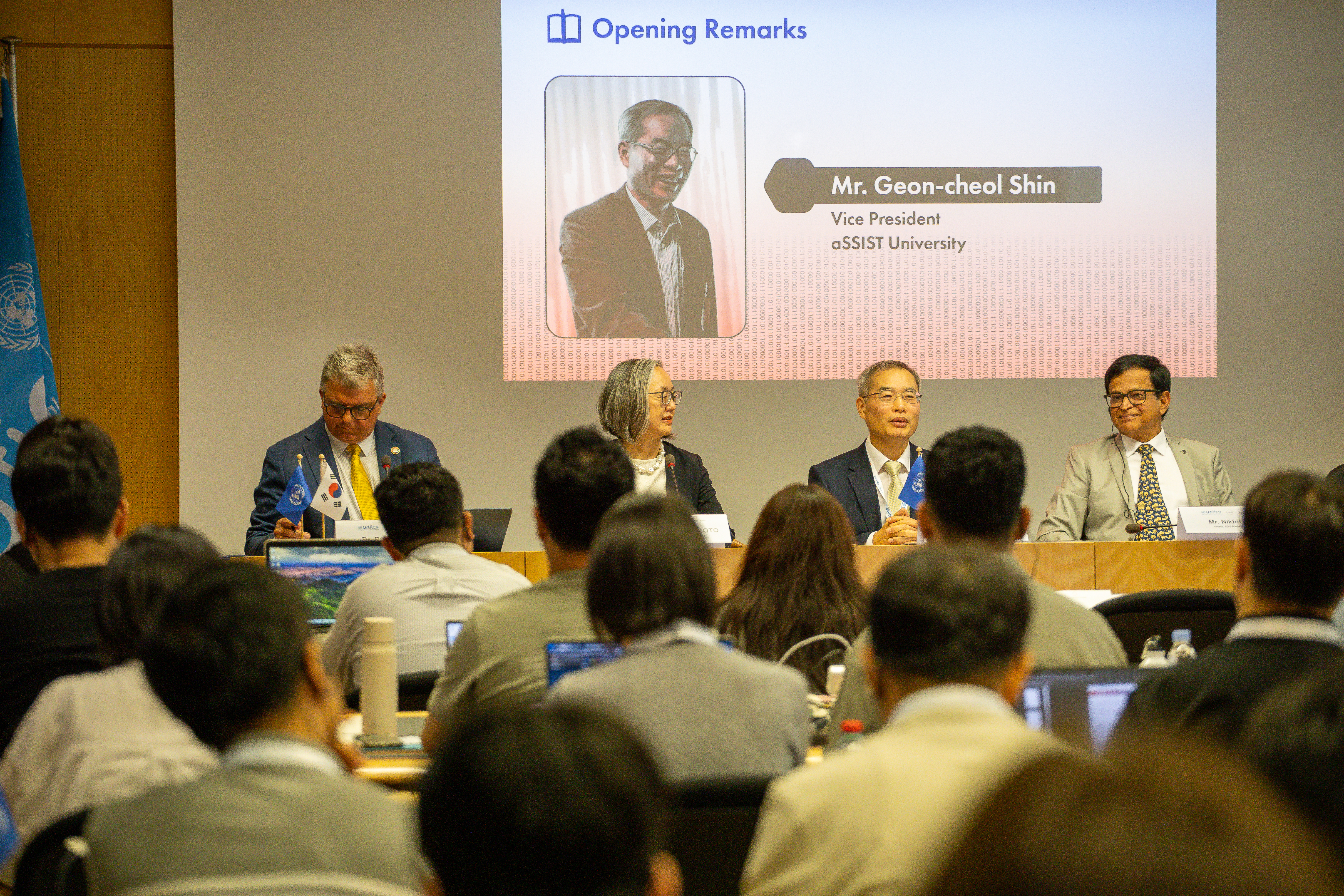
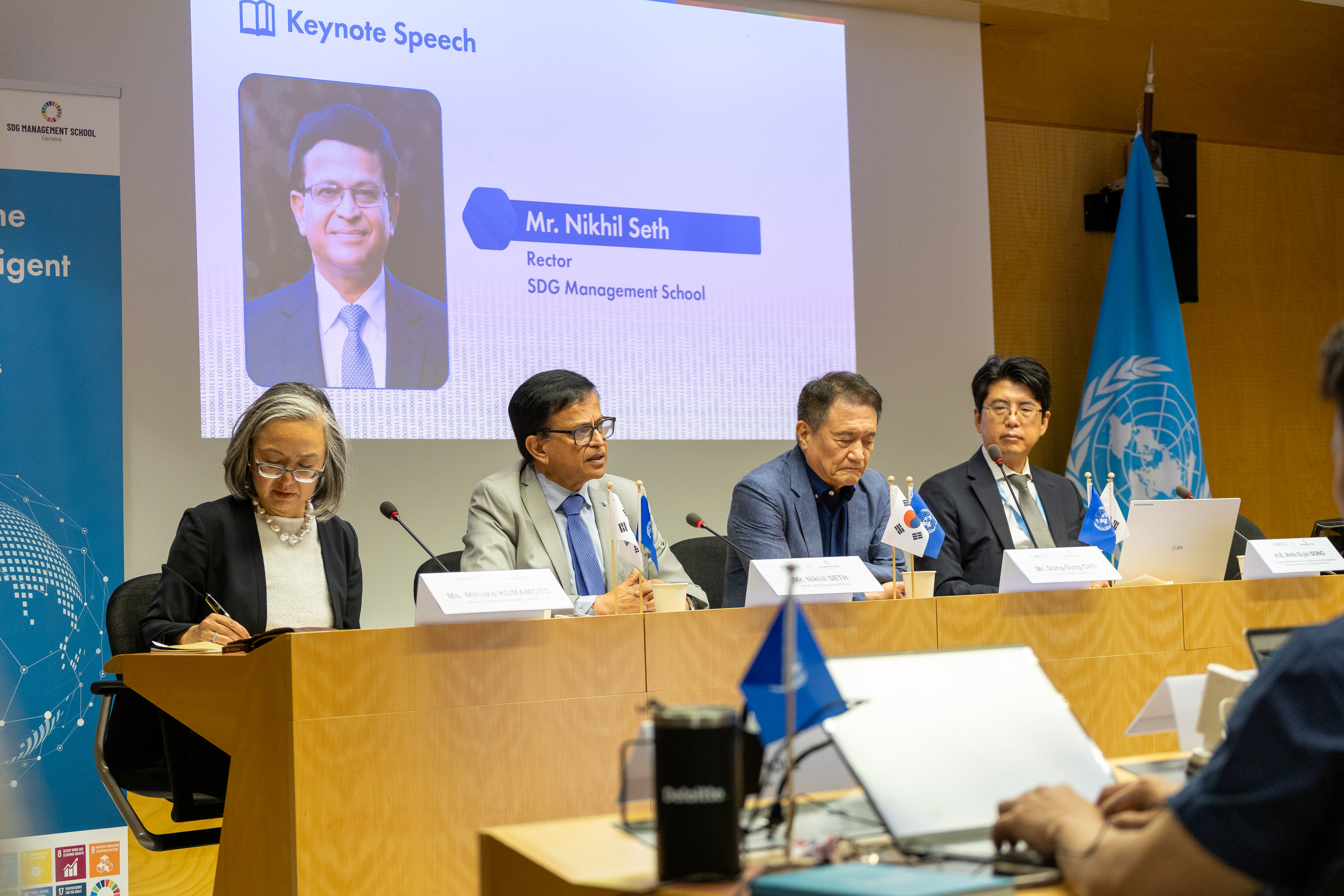
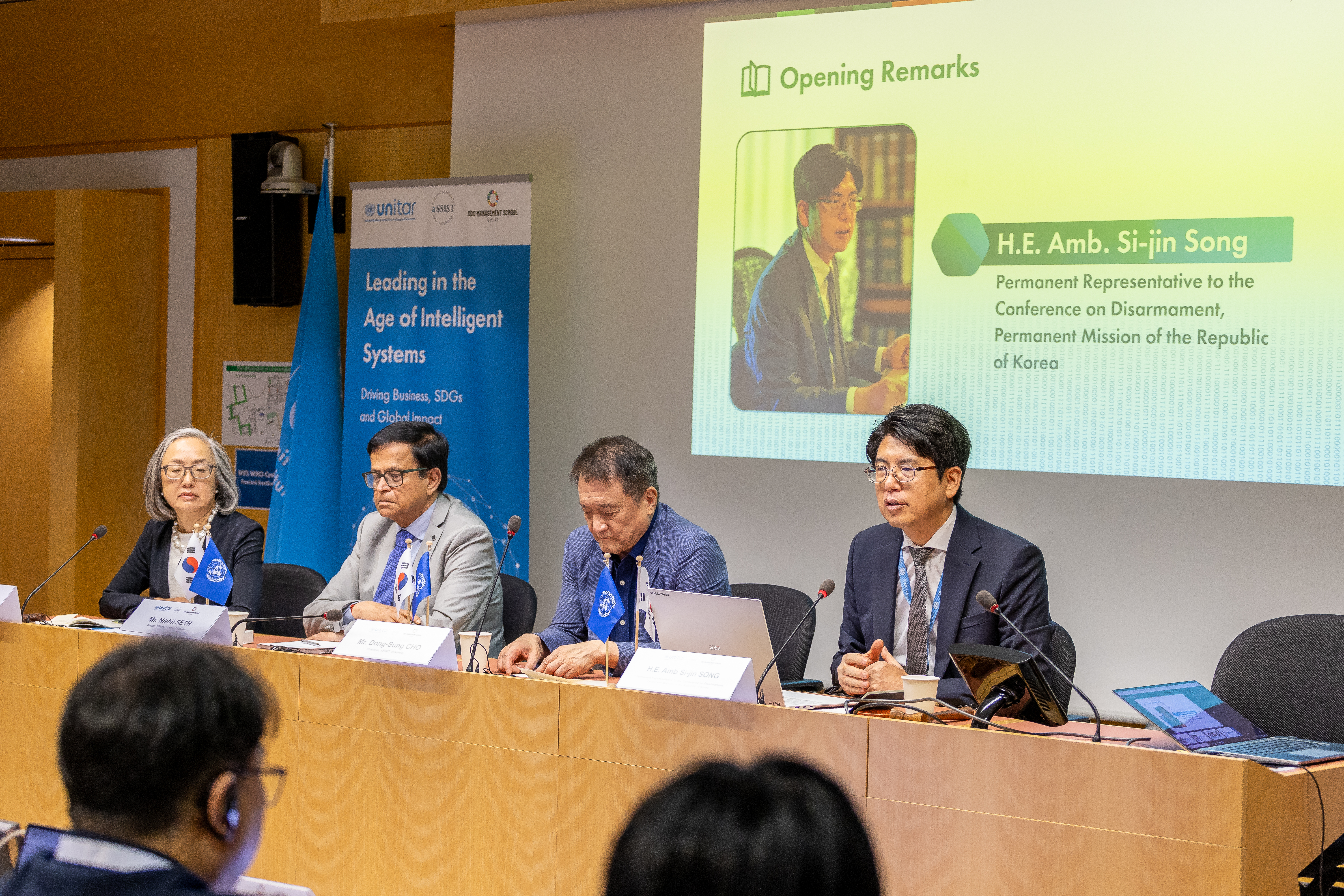
The Summer Residential Programme was inaugurated with senior leaders from UNITAR and its partner institutions. Ms. Mihoko Kumamoto, Director of UNITAR Division for Prosperity, welcomed participants across both cohorts and underscored the importance of preparing leaders who can navigate complexity with responsibility, strategic vision and innovation in an AI-enabled world.
Featured speakers included:
- Ambassador Si-jin Song, Permanent Representative of the Republic of Korea to the Conference on Disarmament in Geneva
- Professor Emeritus Dong-Sung Cho, Chairperson, aSSIST University
- Mr. Geon Cheol Shin, Vice President, aSSIST University
- Mr. Nikhil Seth, Rector, SDG Management School
- Dr. Branko Sain, Vice President for Academic Affairs, SDG Management School
Executive Lectures with Internationally Recognized Faculty
UNITAR
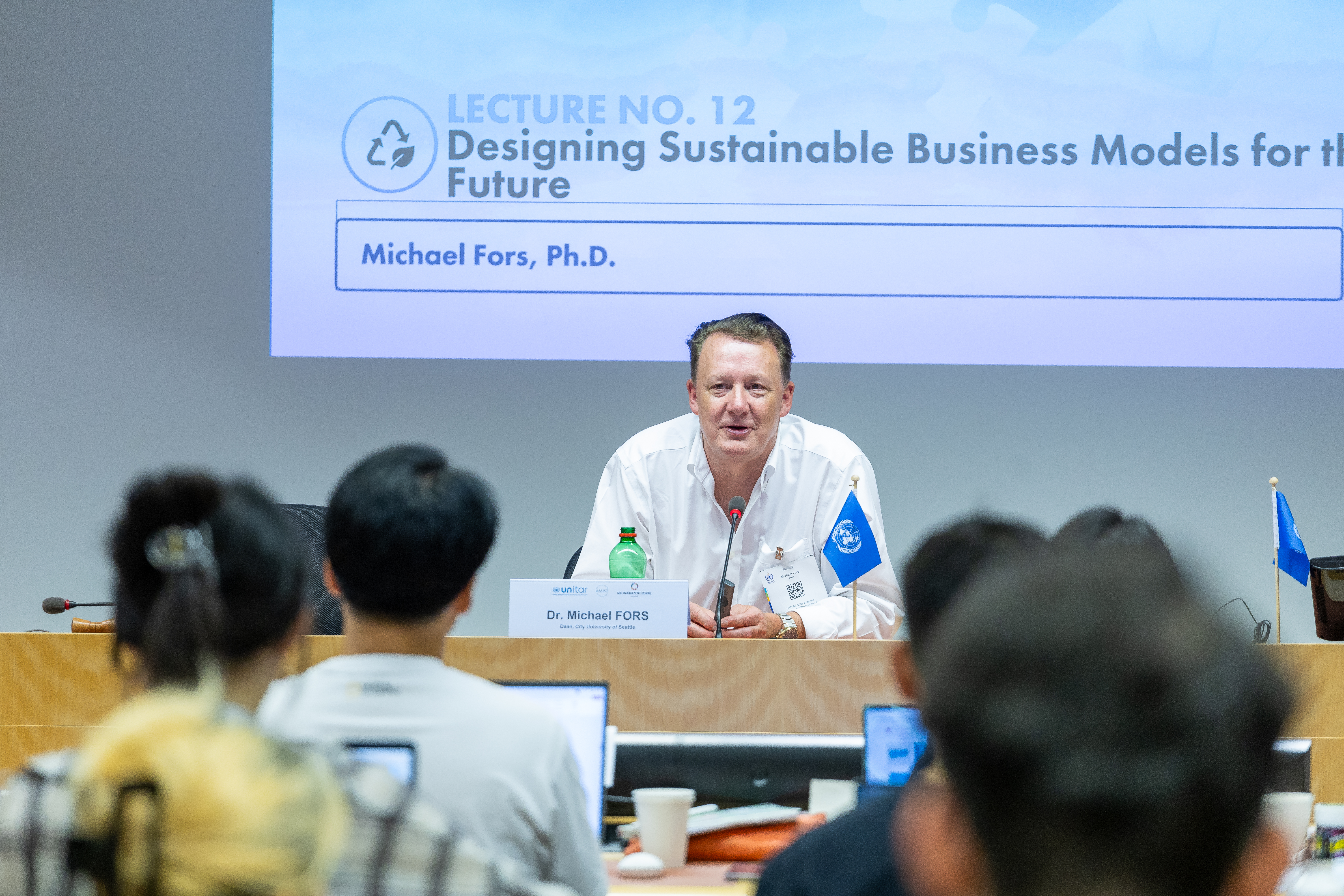
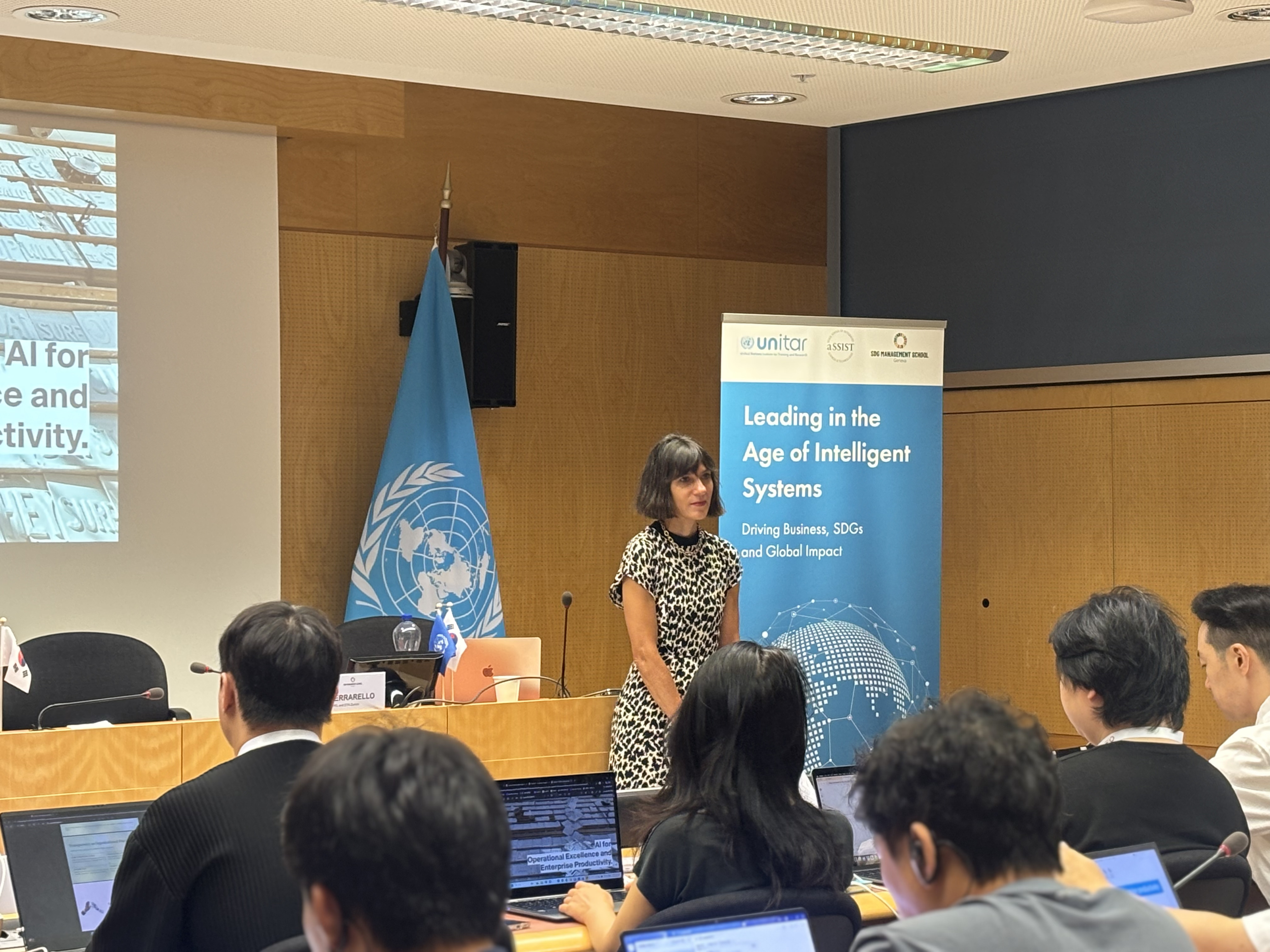
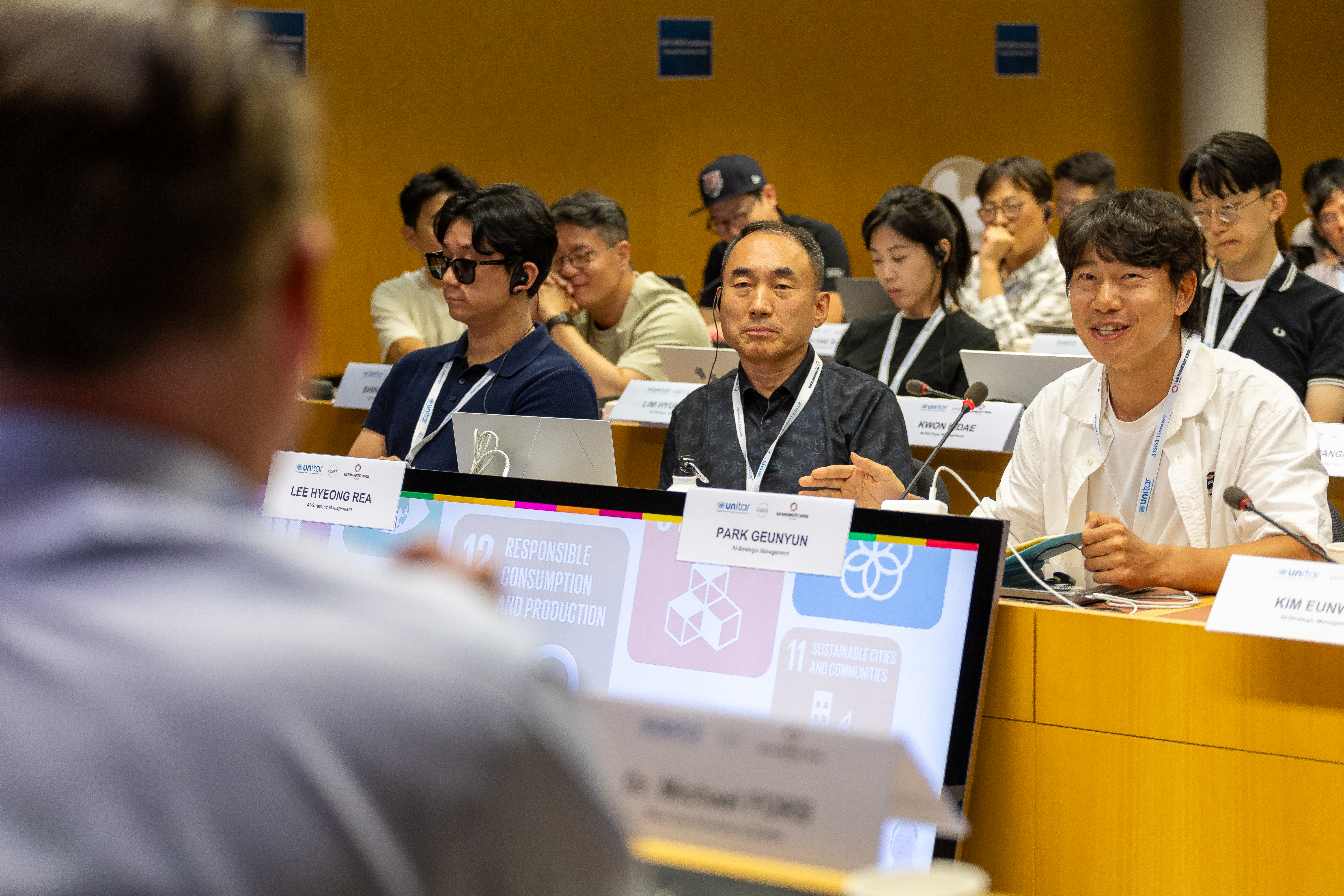
The programme featured an internationally recognized faculty of experts in international development, academia, technology and business. The experts delivered lectures around core themes on strategic foresight and systems thinking, managing and scaling up enterprises, and sustainable business models, shifting the participants’ mindsets and broadening their perspectives to beyond their typical business environments.
Faculty
Internationally recognized experts who gave lectures included:
- Ms. Jaehyang So, Chair of the Technical Committee of the Global Water Partnership and former World Bank Director
- Dr. Michael A. Fors, Dean of the School of Business and Management at City University of Seattle and former Executive from Boeing, Microsoft and Intel
- Dr. Tessa Forshaw, Faculty Chair of the Workplace Learning and Workforce Development at the Harvard Graduate School of Education
- Mr. Vedant Ahluwalia, CEO of Dataviv Technologies
- Dr. Laura Ferrarello, strategist, researcher, and educator from École Polytechnique Fédérale de Lausanne (EPFL) and Eidgenössiche Technische Hochschule (ETH) Zurich
High-level Panel Discussions
UNITAR
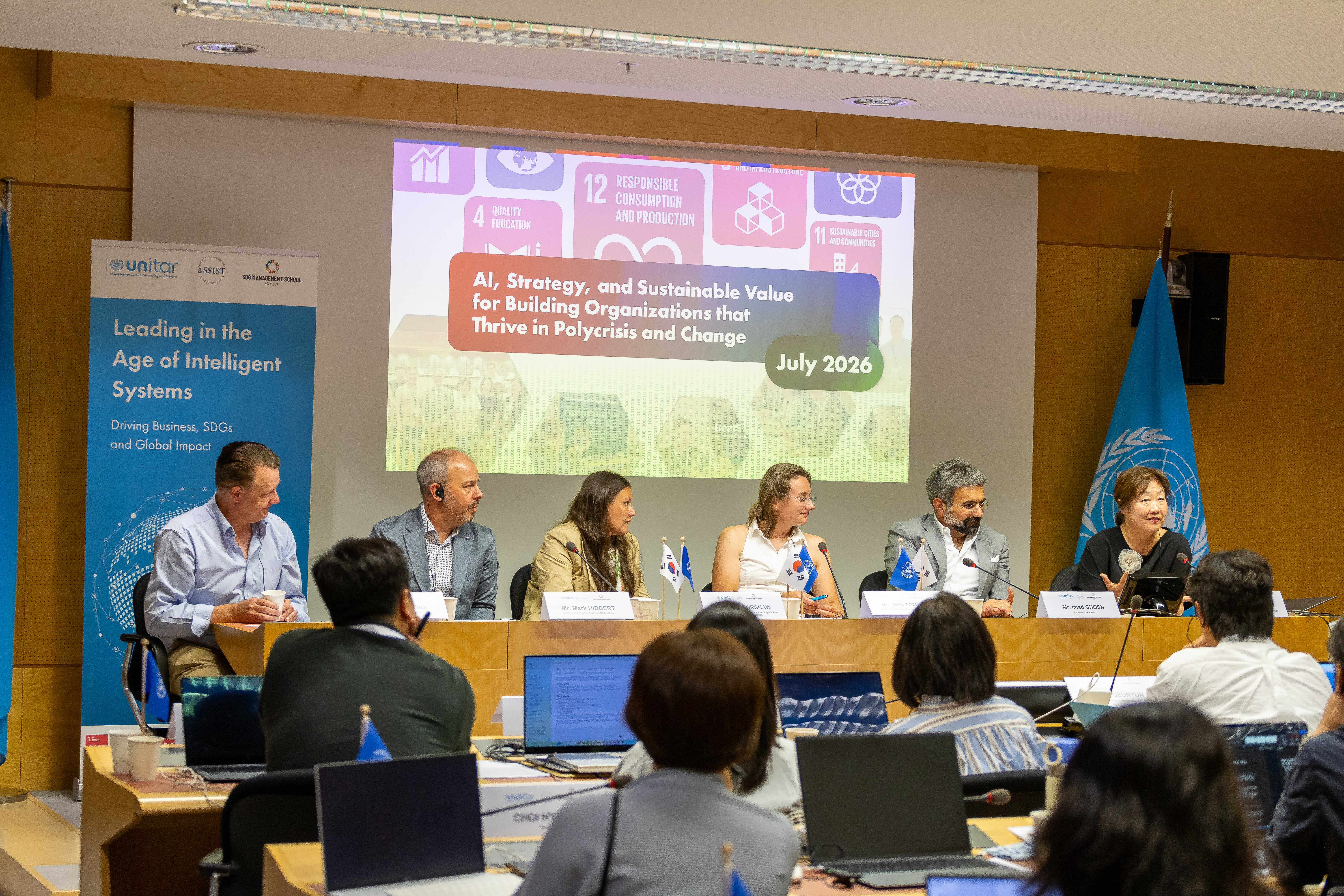
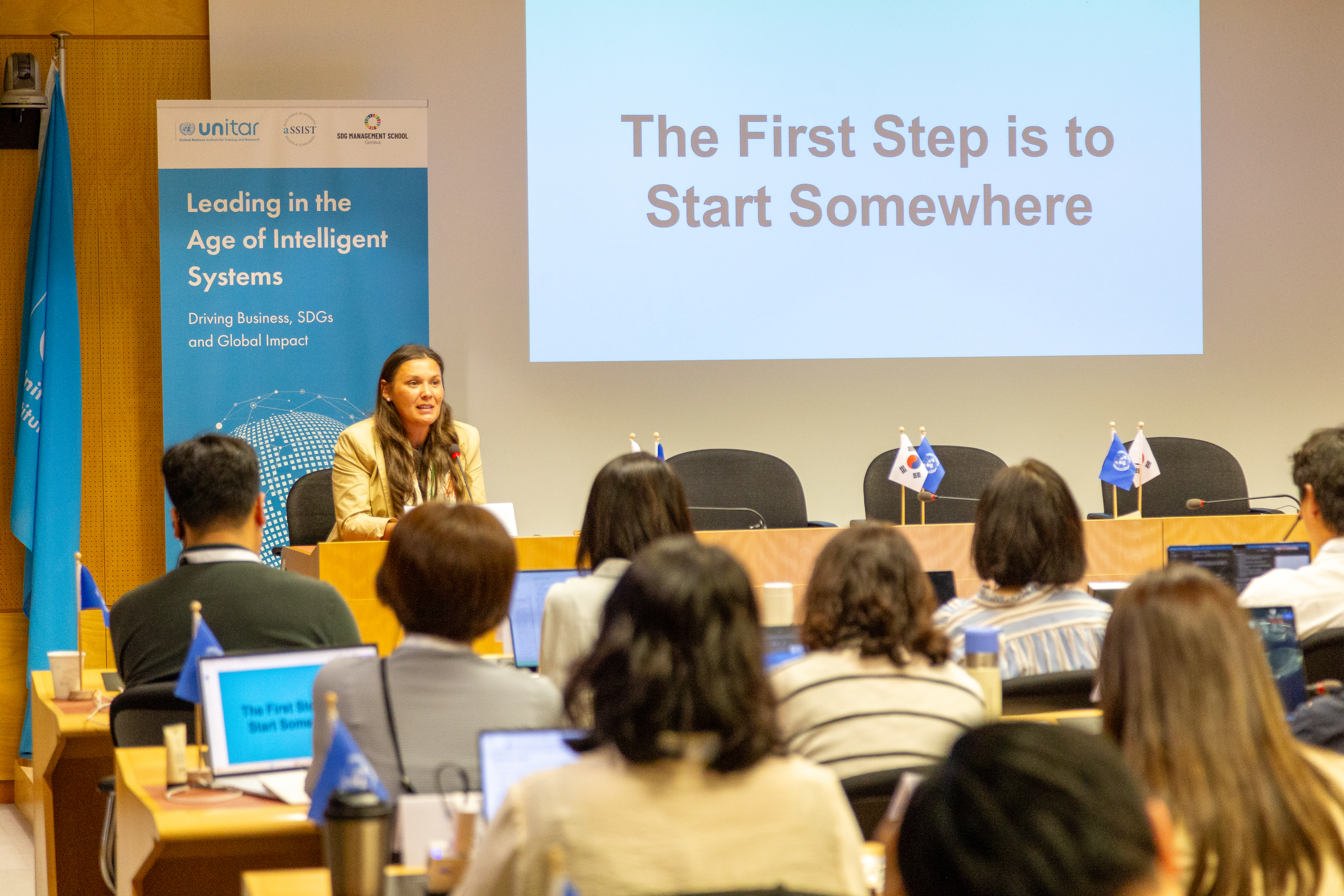
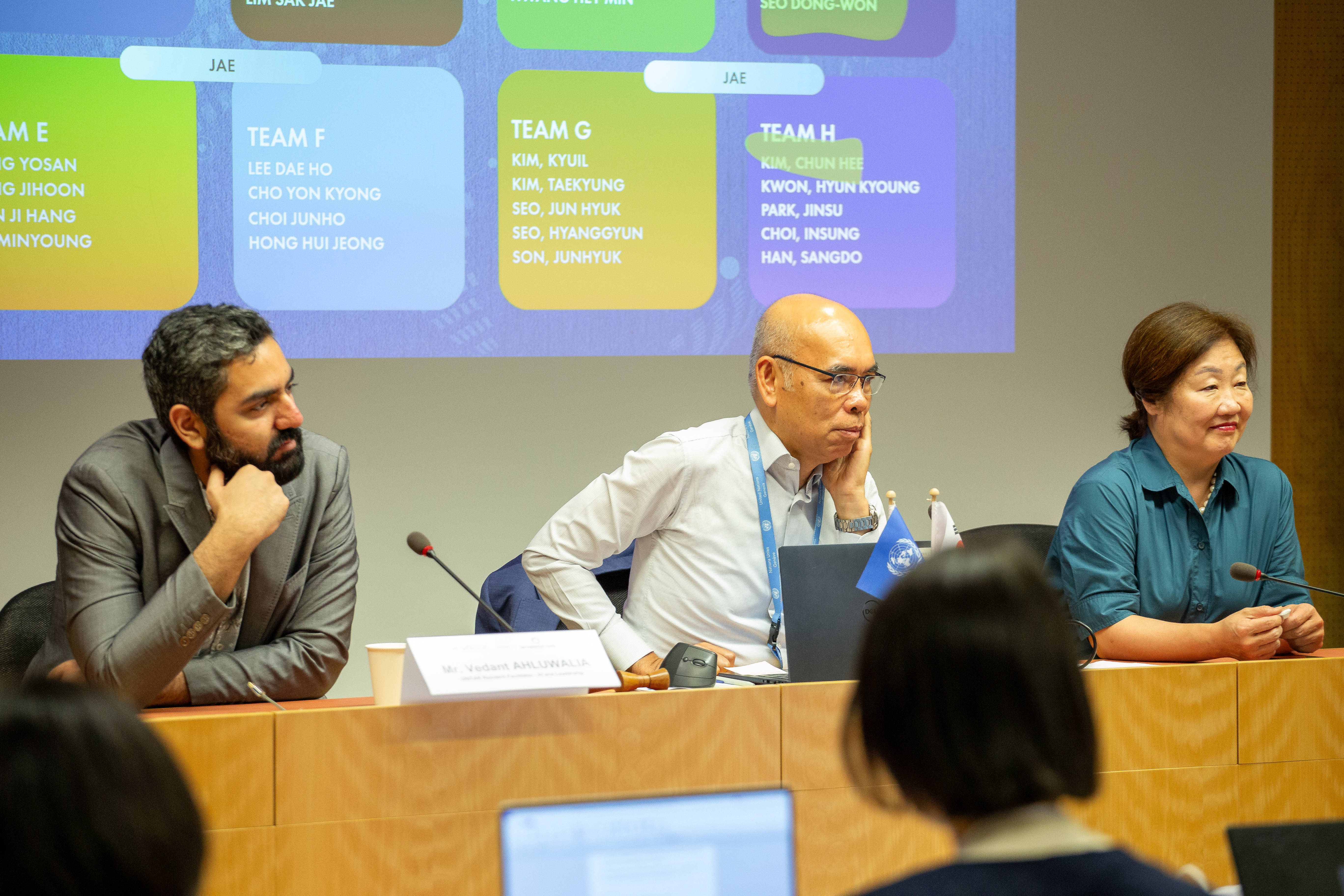
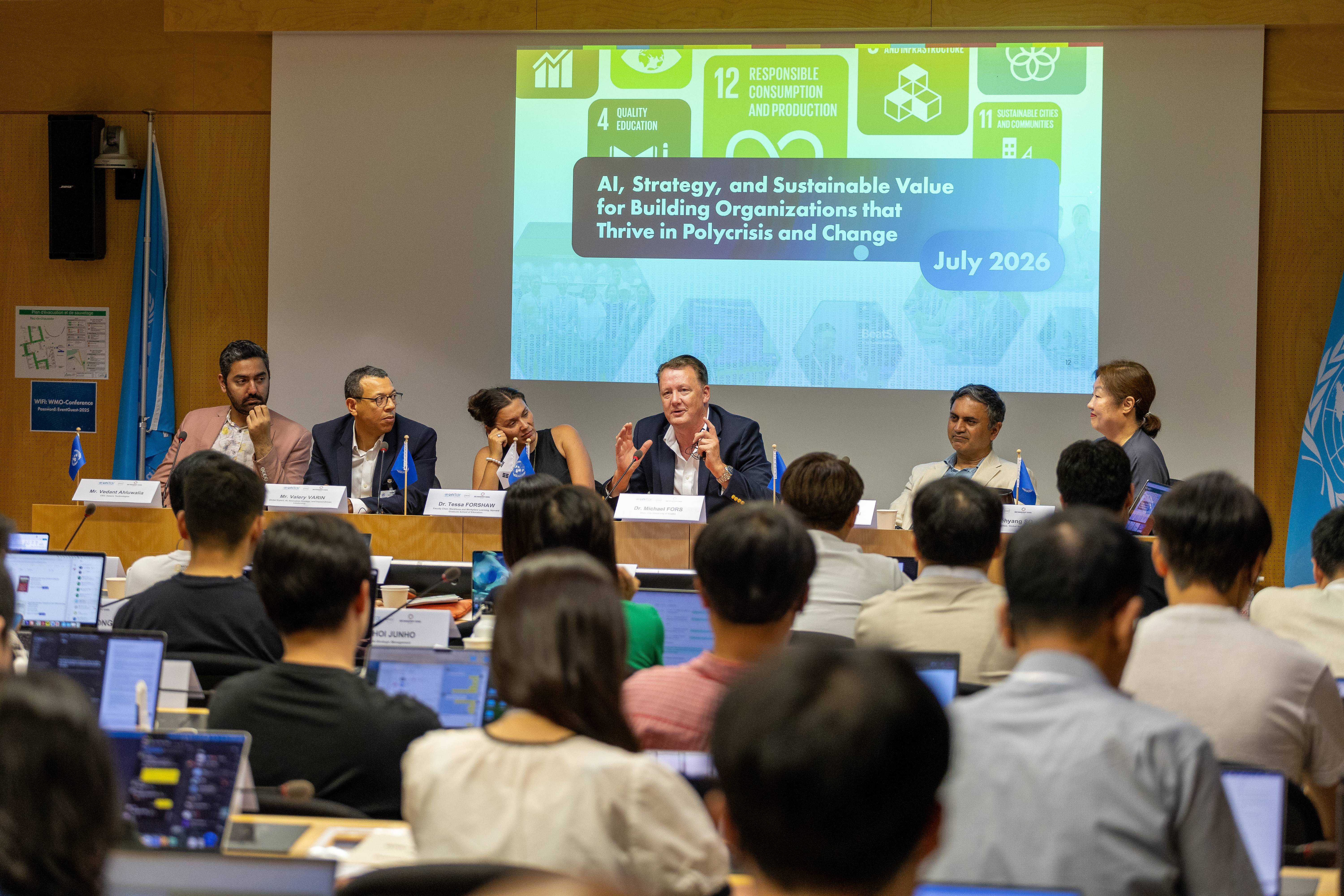
Each cohort joined a high-level panel discussion, themed “AI, Strategy and Sustainable Value for Building Organizations that Thrive in Polycrisis and Change.” Serving as the programme’s capstone dialogue, the panel discussion brought together leaders from international organizations, academia, global technology companies and the private sector to examine how organizations can strategically harness AI, foresight and sustainable leadership to remain resilient, adaptive and high-performing amid growing global uncertainty.
Across both cohorts, the discussions reinforced a common message: while AI is transforming every sector, sustainable success will depend on leaders who combine technological innovation with ethical decision-making, systems thinking, collaboration and a long-term commitment to sustainable development.
UNITAR is grateful to the panelists who contributed to these discussions. Cohort 1, moderated by Ms. Jaehyang So, featured Mr. Sameer Chauhan, Dr. Michael A. Fors, Dr. Tessa Forshaw, Mr. Vedant Ahluwalia and Mr. Valéry Varin. Cohort 2 brought together Dr. Michael A. Fors, Dr. Tessa Forshaw, Ms. Jitka Tomková, Mr. Mark Hibbert and Mr. Imad Ghosn.
UNITAR
UNITAR
UNITAR
Institutional Dialogue and Visits to Organizations at the Forefront of Innovation and Global Governance
UNITAR
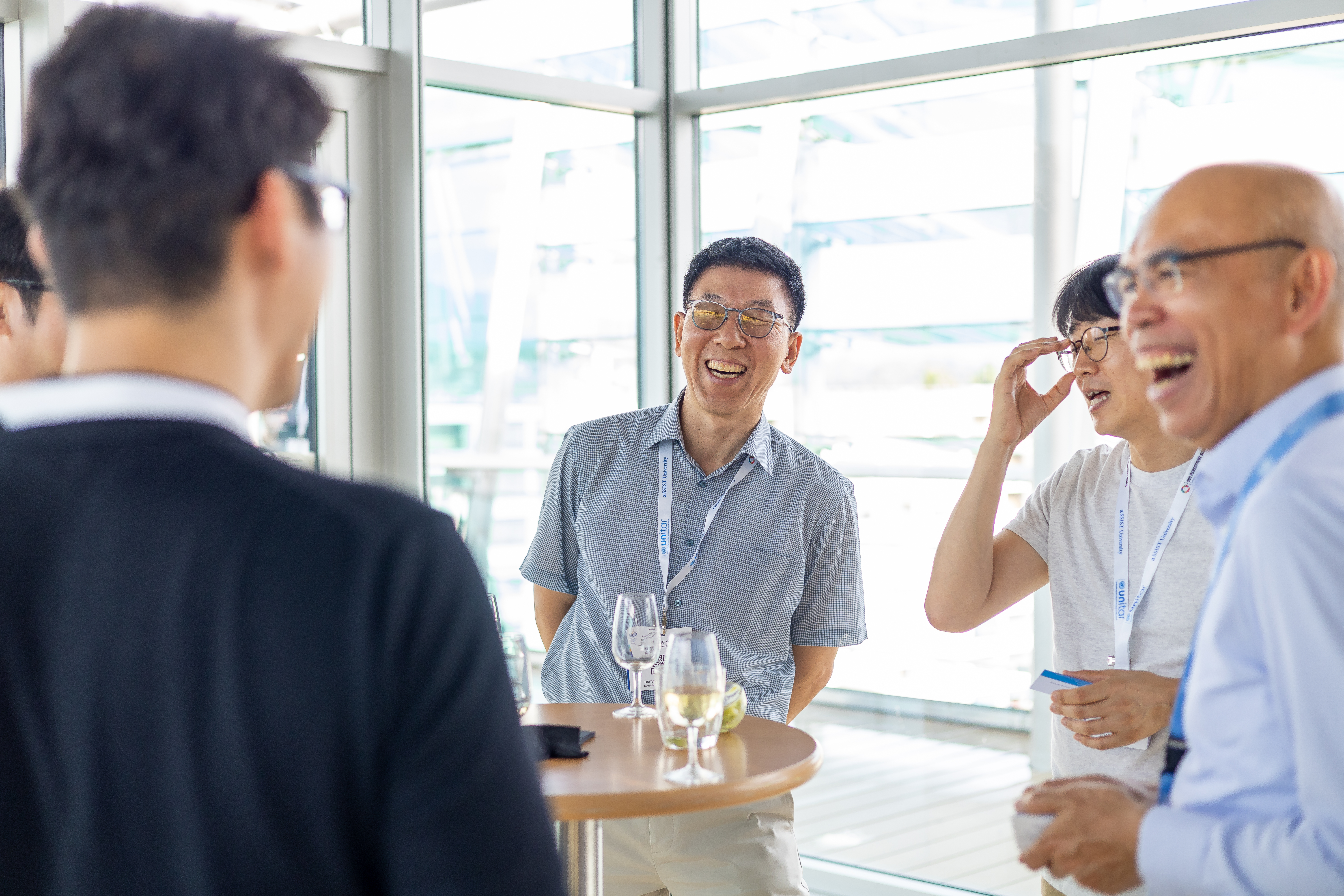
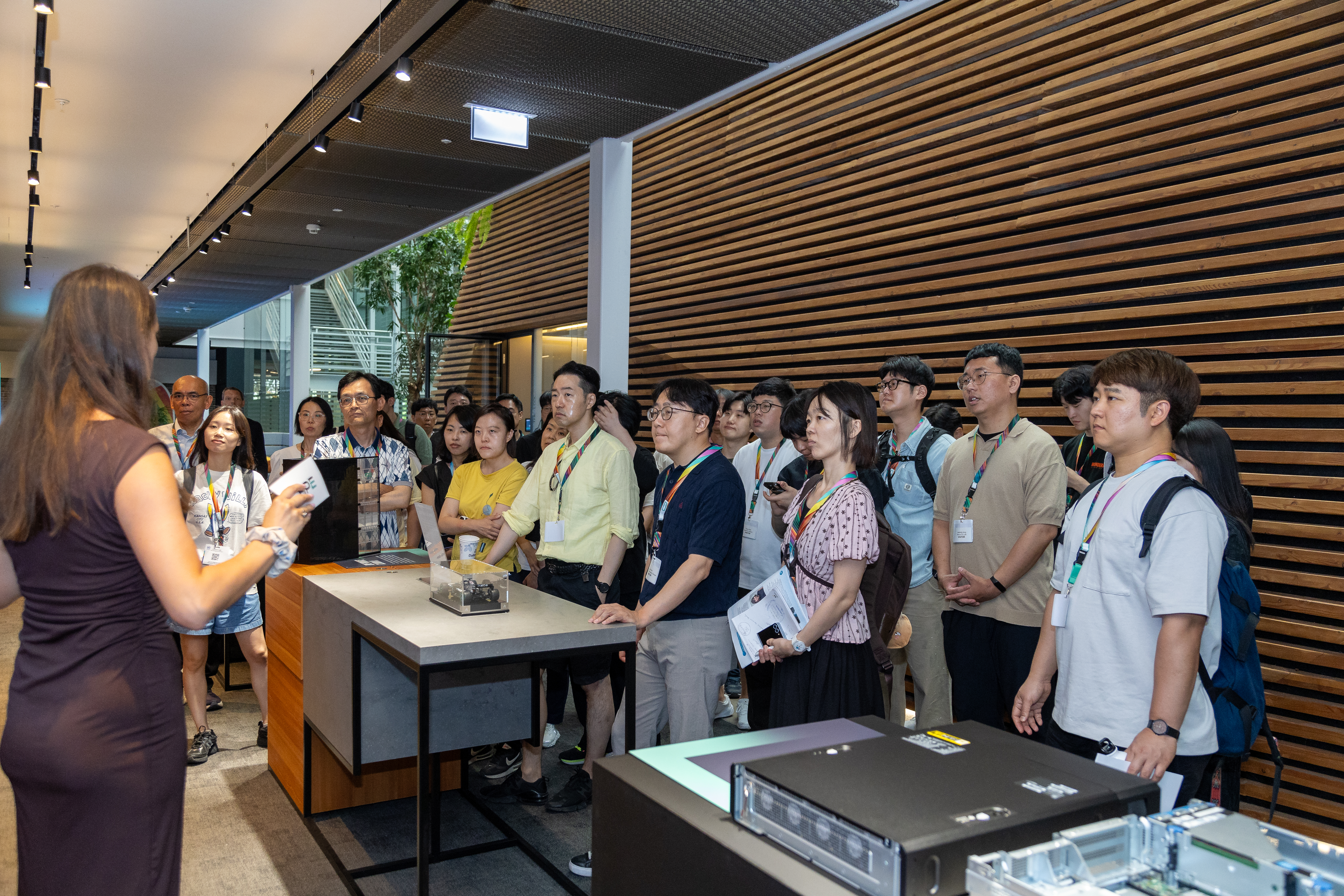
The learning extended beyond the classroom through visits to organizations at the forefront of innovation and global governance. Participants engaged with experts from Hewlett Packard Enterprise, Deloitte Switzerland and Italy, Campus Biotech and UN Trade and Development (UNCTAD), gaining first-hand insights into AI adoption, enterprise transformation and technology policy.
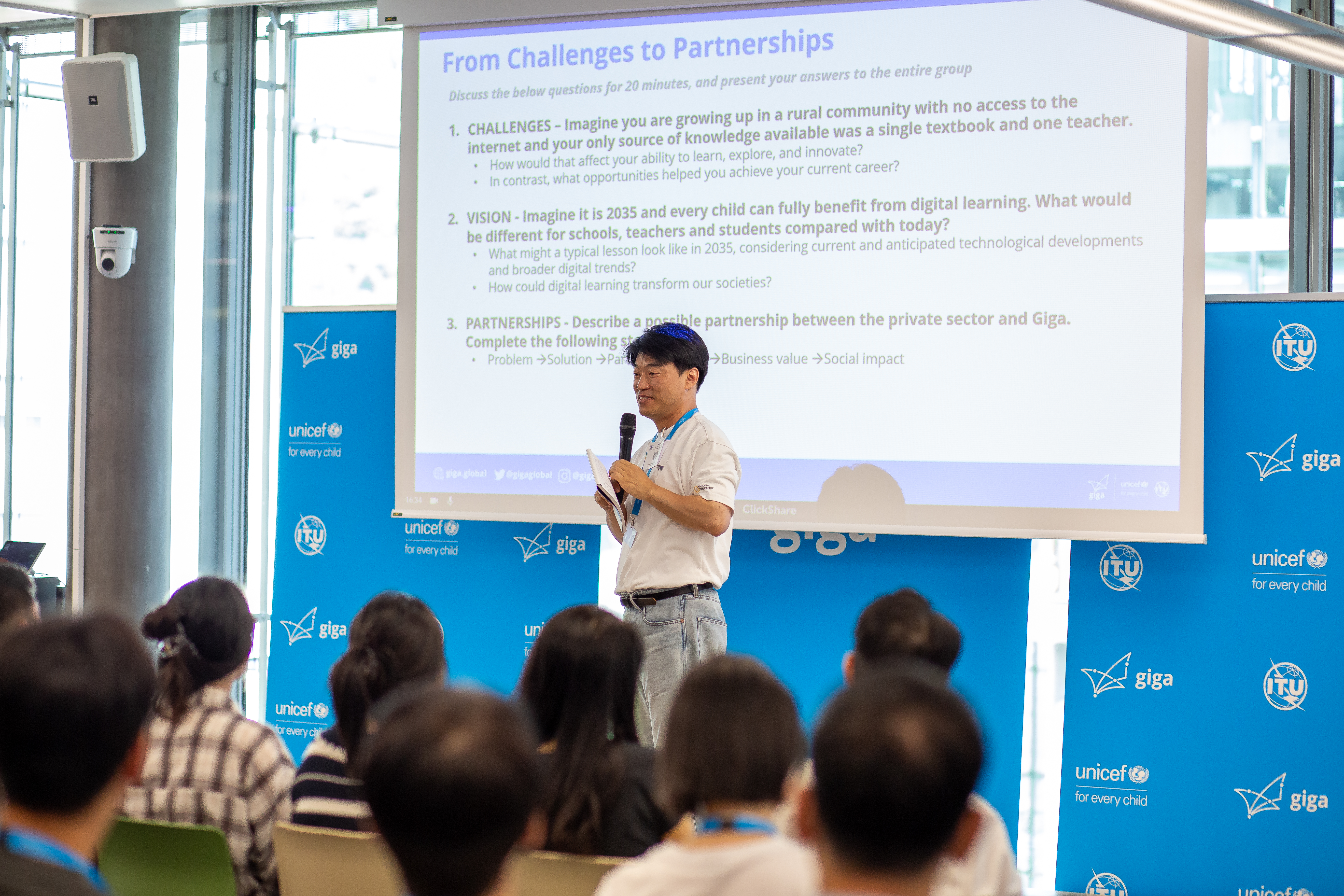
Cohort One also visited the International Telecommunication Union to explore global digital development initiatives, while Cohort Two participated in a dialogue at the World Intellectual Property Organization, highlighting the importance of innovation ecosystems and intellectual property in the AI era.
UNITAR
UNITAR
UNITAR
Applied Innovation Projects and Collaborative Learning
UNITAR
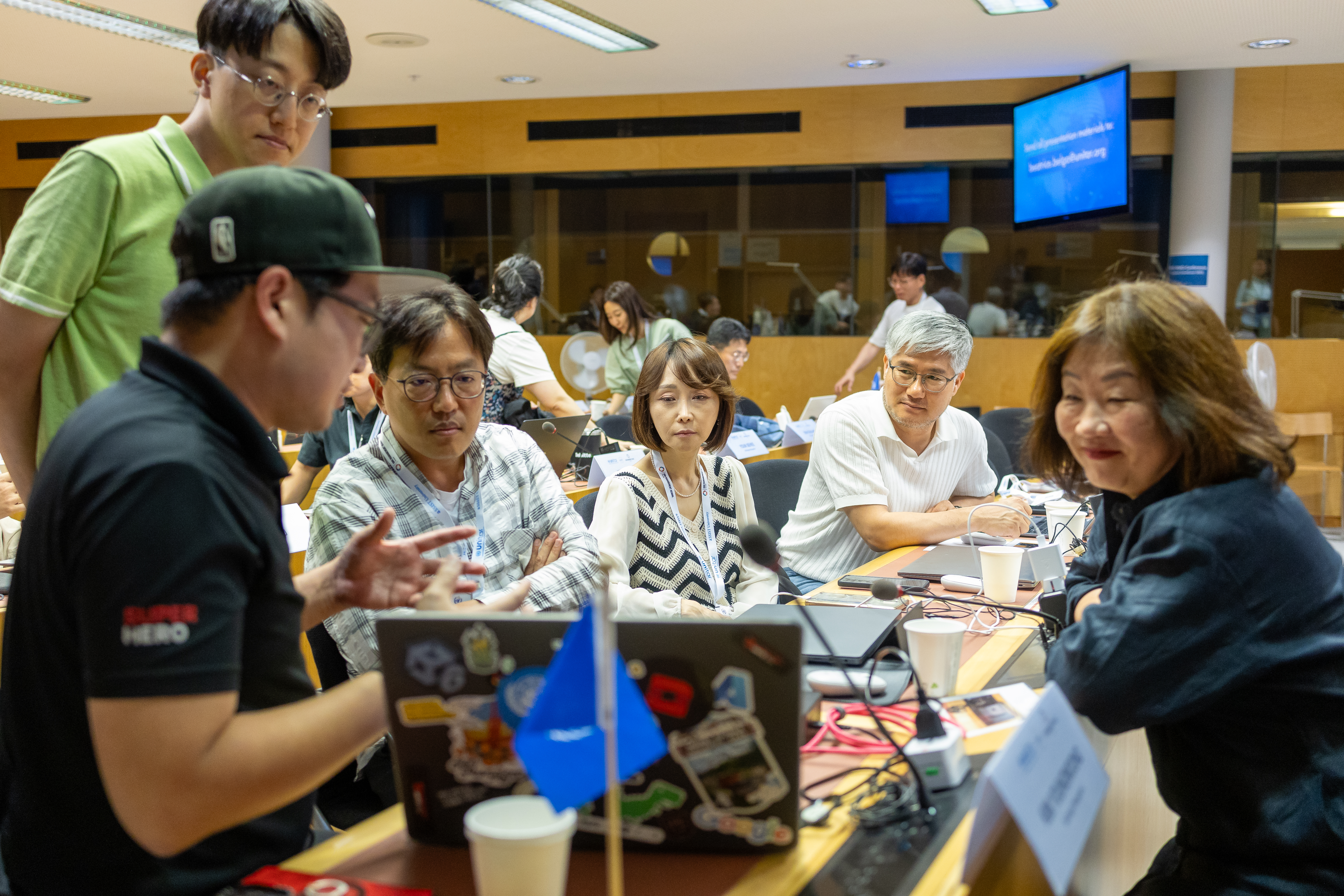
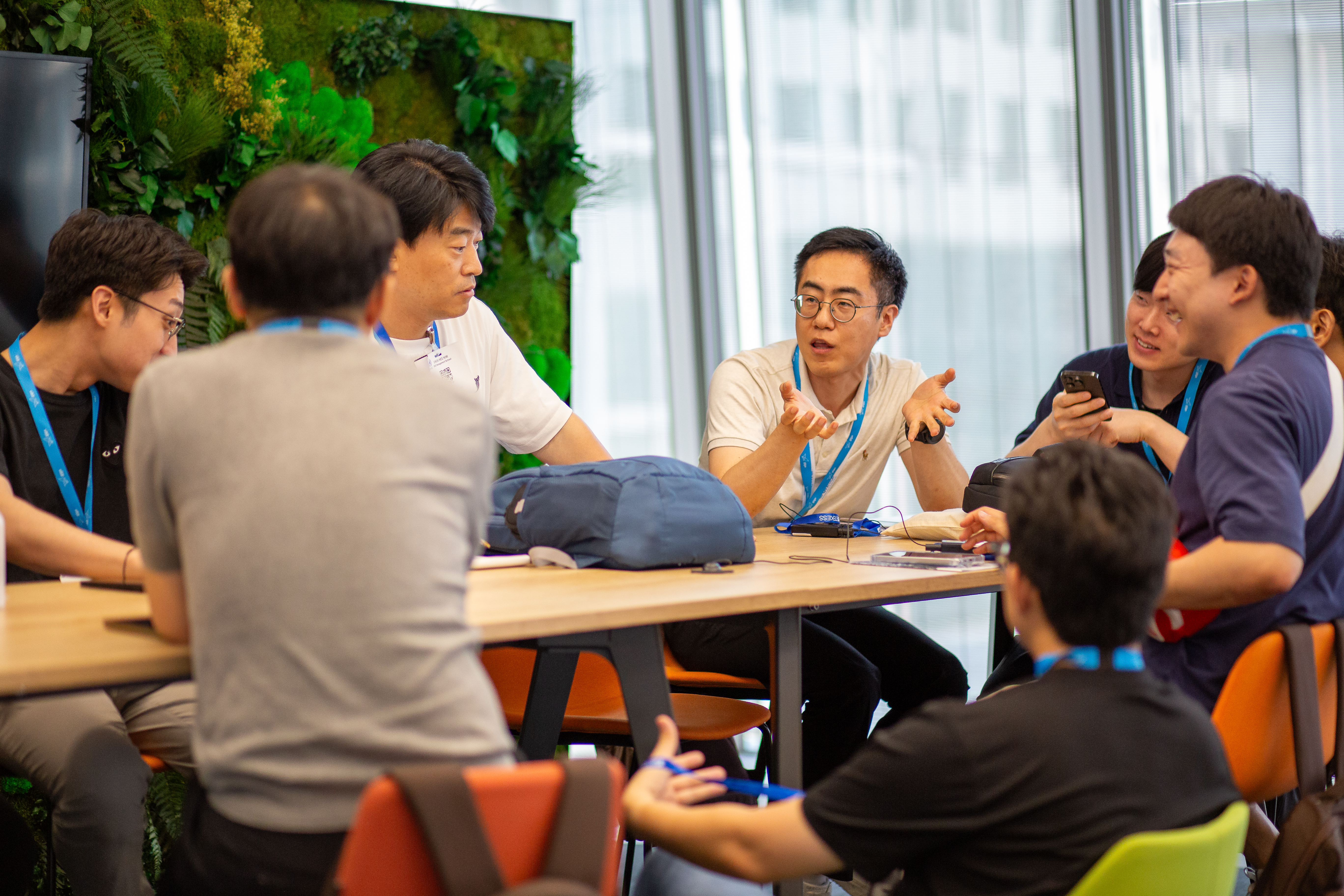
Participants applied their learning through individual leadership strategies and collaborative innovation projects, developing AI-enabled solutions to address real-world challenges aligned with the SDGs. Outstanding solutions were chosen by the judges based on their SDG impact, presentation, innovativeness and implementation design and recognized.
By convening internationally recognized experts and experienced executives from across sectors, UNITAR’s Summer Residential Programme reaffirmed its commitment to equipping current and future leaders with the knowledge, skills and collaborative networks needed to navigate complexity, accelerate responsible digital transformation and advance the SDGs. As AI continues to reshape economies and societies, the programme demonstrated that sustainable progress will be driven not only by technological advancement, but by leaders capable of translating innovation into lasting public and organizational value.
UNITAR
UNITAR
UNITAR
About the Summer Residential Programme 2026
The UNITAR Residential Programme 2026, themed “Leading in the Age of Intelligent Systems: Driving Business, SDGs and Global Impact,” is an immersive, week-long learning experience designed for professionals. Integrating technological innovation with global responsibility, the practice-oriented programme equips current and emerging leaders to ethically and strategically harness artificial intelligence and digital tools in alignment with the Sustainable Development Goals (SDGs). Through a combination of executive lectures, hands-on workshops, site visits, and collaborative exercises, participants strengthen their strategic decision-making, cross-cultural collaboration, and capacity to drive sustainable transformation in an AI-enabled global economy.
About UNITAR
Established in 1965, the United Nations Institute for Training and Research (UNITAR) is the dedicated training arm of the United Nations. Its mission is to strengthen knowledge and skills through high-quality training, research and innovative learning solutions.
Through strategic partnerships and a global learning platform, UNITAR builds skills of individuals, and enhances capacities of institutions and organizations, particularly those in vulnerable contexts, to accelerate progress towards the 2030 Agenda for Sustainable Development and the Pact for the Future.