

- Miki Sakiyama from Japan is a peacebuilding professional currently working for the United Nations Population Fund as a women and youth empowerment specialist.
- She participated in the FY2024 Primary Course of the Program for Global Human Resource Development for Peacebuilding and Development, commissioned by the Ministry of Foreign Affairs of Japan. It was held online and onsite, in Hiroshima and Tokyo.
- The Program is implemented by Hiroshima University in collaboration with the United Nations Volunteers (UNV) programme and the United Nations Institute for Training and Research (UNITAR).
Hiroshima University and UNITAR
29 May 2026, Hiroshima, Japan – Miki Sakiyama has built her career working for gender equality and women’s empowerment. In her current role at the United Nations Population Fund (UNFPA), she supports programmes that advance women’s rights, youth participation, and inclusive development.
Questioning Social Roles, Gender and Opportunities
Miki was born on Nagasaki Memorial Day – the day commemorating the second atomic bombing in human history. Because of her birthday, Miki grew up with frequent opportunities to reflect on the meaning of peace, conflict and human security, which laid the foundation for her long-term commitment to peace, development and international cooperation.
After graduating from university, where she majored in political science with a focus on international politics, Miki joined the corporate sector. While gaining valuable professional experience, Miki became increasingly aware of subtle, yet persistent gender inequality in everyday working life. The experiences prompted her to reflect more deeply on how social expectations shape opportunities and roles.
Miki’s awareness of gender roles deepened during her time in Sudan as a Japan International Cooperation Agency volunteer. Living and working closely with local communities, she observed how gender norms shaped women’s daily lives and how socially defined roles dictated the responsibilities and opportunities available to women and men, affecting women’s mobility and participation in society. This understanding strengthened her determination to contribute to improving women’s social status and expanding their opportunities.
From Field Aspirations to a Global Classroom
After returning from Sudan, Miki obtained her master’s degree, worked with UN agencies in Japan, and managed the portfolio of the Japan-funded gender-related projects at the Ministry of Foreign Affairs of Japan, where she grew increasingly motivated to gain more direct, field-based experience. Wanting to deepen her practical understanding of development and peacebuilding, she decided to participate in the Primary Course of the Program for Global Human Resource Development.
The Program, commissioned by the Ministry of Foreign Affairs and implemented by Hiroshima University in partnership with United Nations Institute for Training and Research (UNITAR) and the UN Volunteers (UNV) programme, sets out to discover, develop and build human resources for peacebuilding. The Primary Course focuses on young professionals committed to building careers in peacebuilding and development and includes about four weeks of training held online and onsite, in Hiroshima and Tokyo. Japanese participants are then deployed overseas for one year as UNVs. Miki joined the FY2024 Primary Course as one of 23 Program Associates.
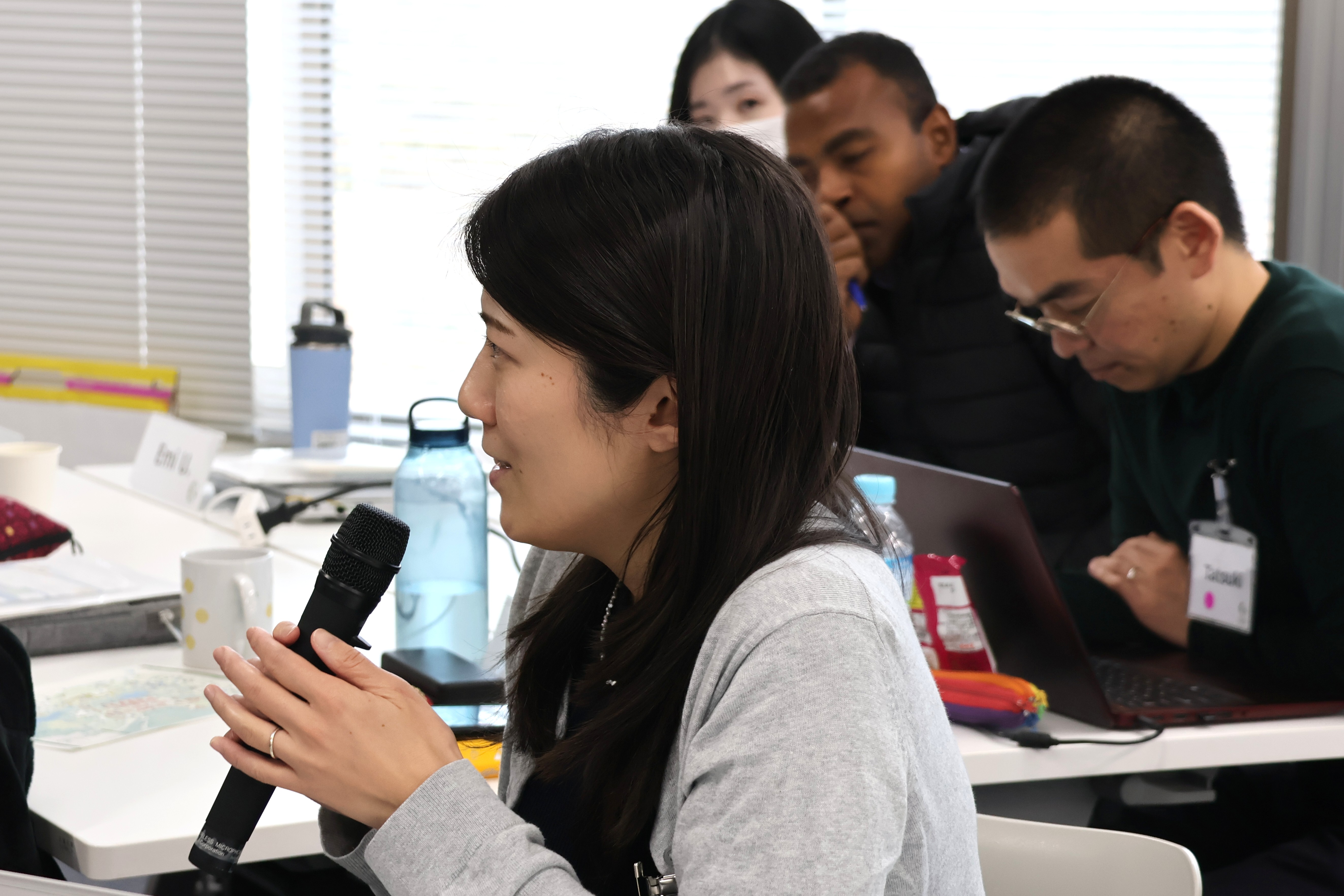
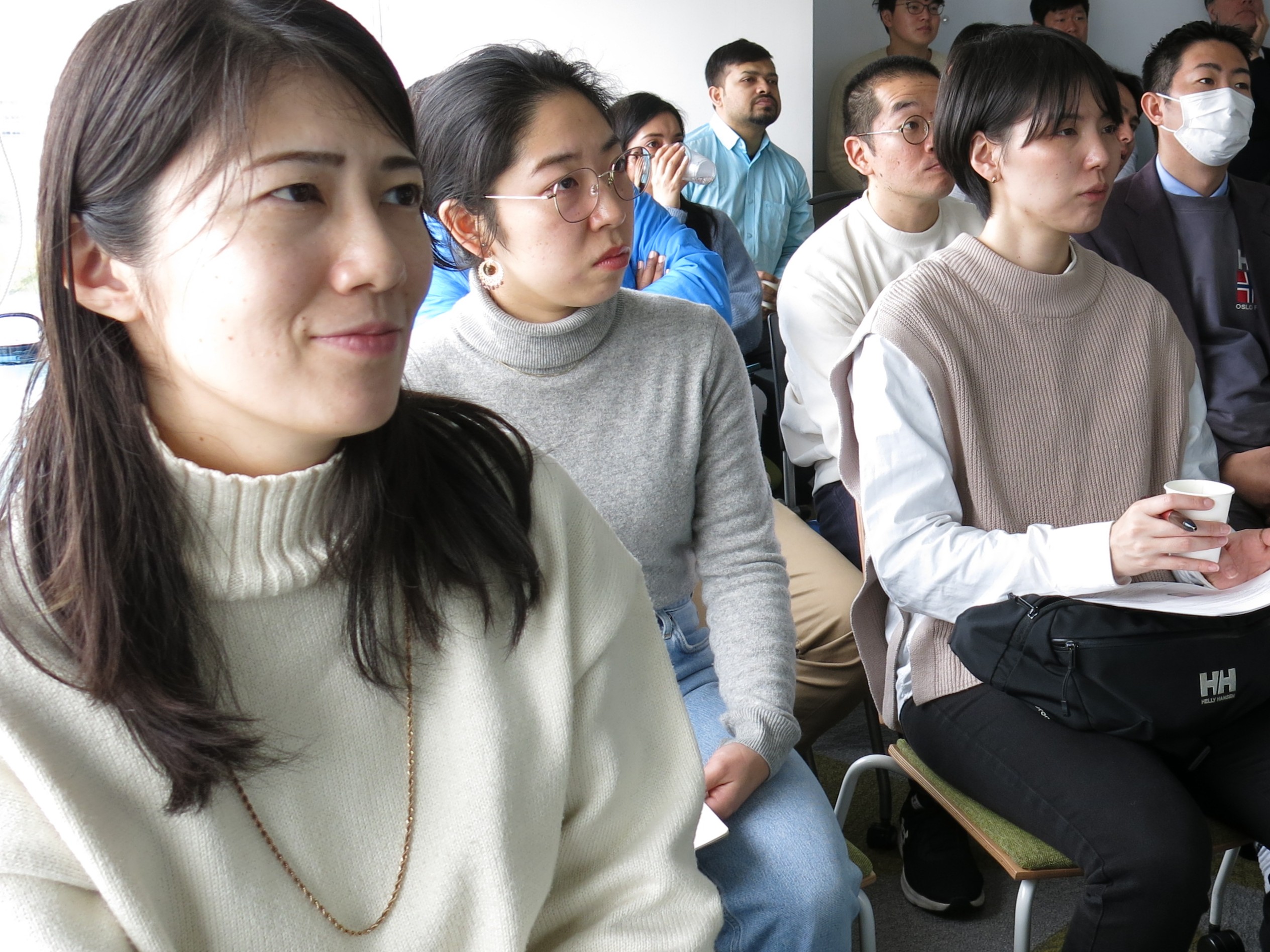
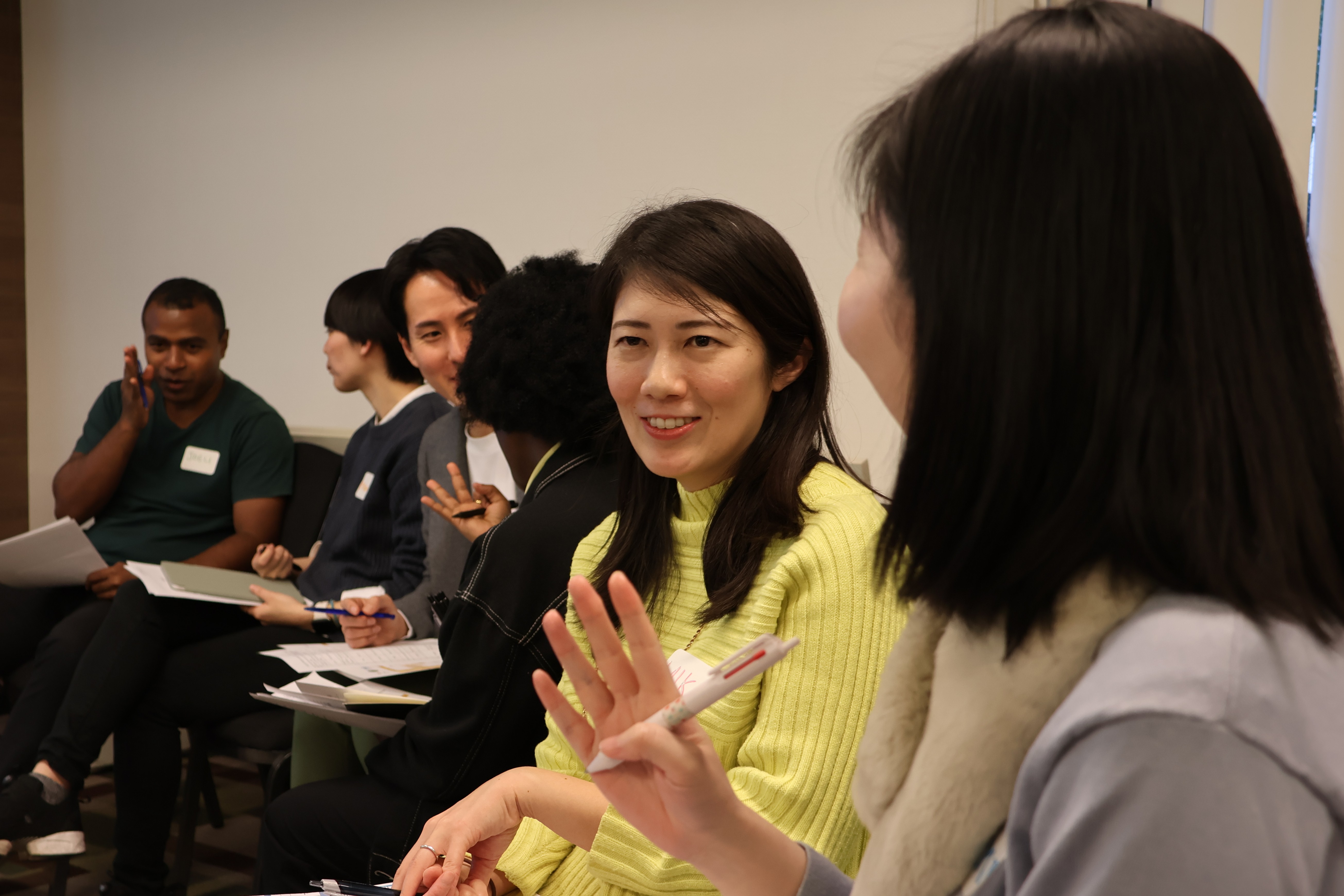
For Miki, one of the most impactful aspects of the Course was the diversity of its participants, who came from various countries, professional backgrounds and social contexts, bringing a wide range of perspectives. Engaging with them broadened Miki’s perspectives on how peacebuilding and development challenges are understood and approached across countries and institutions.
In addition to learning theory, the Course provided practical training that prepares participants for working in UN system. For example, it covered workplace practices in the UN System such as close and interactive communication. The Course also allowed gave her the space to reflect on how to communicate and conduct herself in a country office setting – insights that she says have already proven valuable in carrying out her responsibilities at UNFPA.
The session was really practical ... for example, how to develop your work plan, which needs to be aligned with the teams, the country offices, and the organization's strategy. —Miki Sakiyama (Japan), Alumna of the FY2024 Primary Course
Hiroshima University and UNITAR
Hiroshima University and UNITAR
Embarking on the Next Step in Her Career
Miki Sakiyama
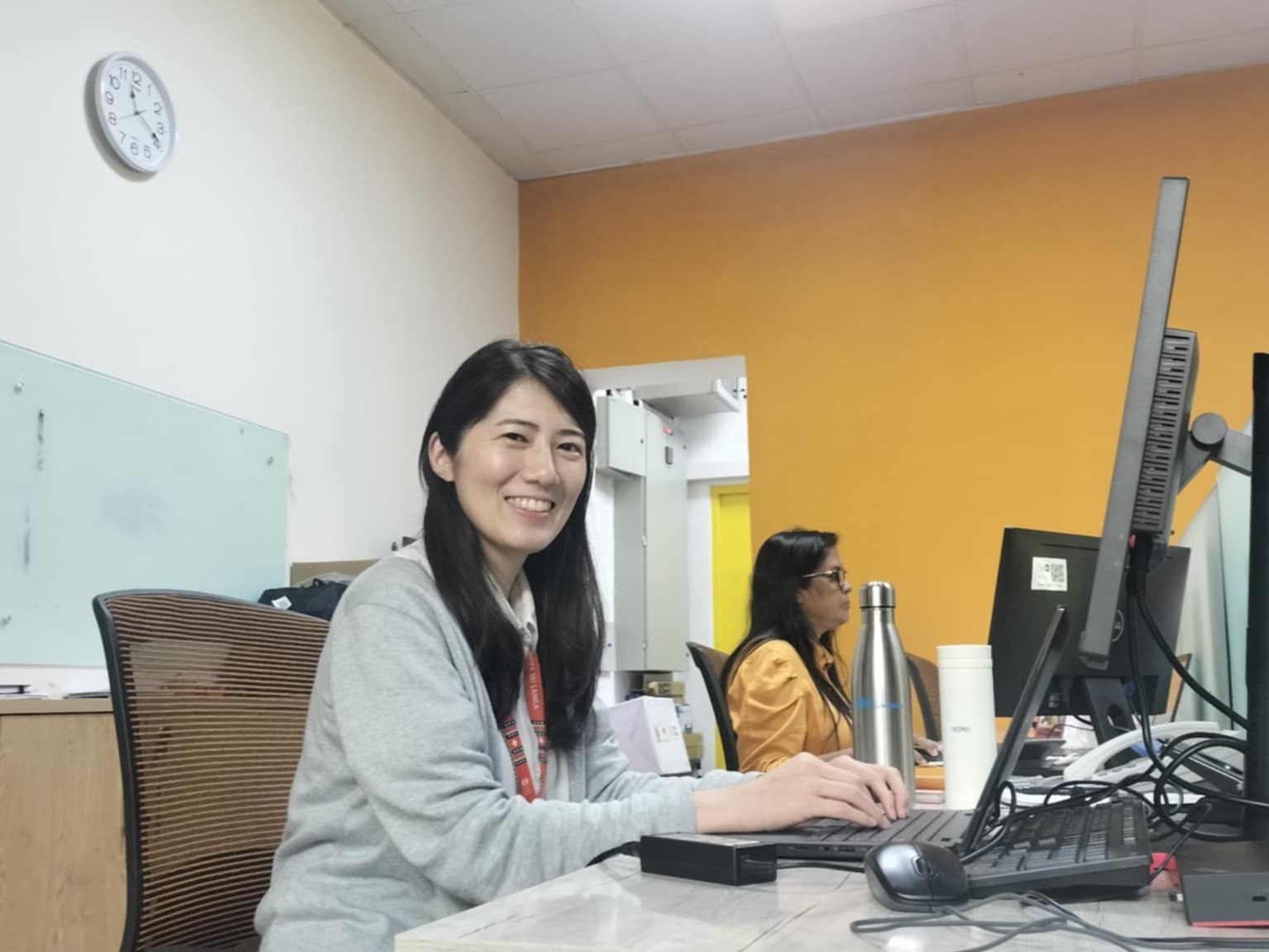
After completing the training in Japan, Miki was assigned to UNFPA for the one-year practical phase of the Program. At UNFPA, she works as Women and Youth Empowerment Specialist on initiatives that promote gender equality and women’s empowerment and foster inclusive and equitable societies. Miki says she finds great joy in seeing women’s lives change for the better and their workplace become more gender sensitive through the interventions in the field.
Nearly at the end of her one-year assignment with UNFPA, Miki compares herself today to what she was before the Course:
It's a huge difference for me. I became more proactive, more tough.
She hopes to continue to help create societies where women and girls can fully realize their potential and participate equally in all aspects of life.
The original version of the article was published on the GPAD website.
About the Human Resource Development Program by the Ministry of Foreign Affairs of Japan
The Ministry of Foreign Affairs of Japan has implemented its human resource development programme in peacebuilding since 2007. In fiscal year 2015, the Program for Global Human Resource Development for Peacebuilding and Development was launched to comprehensively conduct the discovery, development and career-building of human resources. The Program has actively advanced capacity development in this field, serving as a vital resource for a broad spectrum of practitioners – from young professionals seeking their entry point to mid‑career experts aiming to leverage their experience and advance to the next stage. For three years starting from fiscal year 2024, Hiroshima University will manage and operate the Program in cooperation with UNITAR.
Ministry of Foreign Affairs of Japan: https://www.mofa.go.jp/fp/ipc/pagewe_000001_00215.html
Global Peace and Development Career Network: https://gpad.hiroshima-u.ac.jp/en/
About Hiroshima University
Hiroshima University was founded in 1949 in Hiroshima City, the site of the first atomic bombing in human history. Guided by its Charter, Hiroshima University is committed to respecting the human rights and individuality of each person and to fostering human resources that will contribute to the realization of a free, peaceful, and sustainable society. It also aims to be a university which is open to and trusted by society, thereby contributing to the local and international community. Furthermore, Hiroshima University will lead the world in providing cutting-edge solutions to global issues. In this way, we aim to nurture educated and internationally-minded individuals who are committed to addressing the challenges and pursuit of peace.
About UN Volunteers
The United Nations Volunteers (UNV) programme is a UN organization that promotes volunteerism to support peace and development worldwide. It mobilizes skilled volunteers to serve in UN agencies, government programs, and community initiatives, especially in areas affected by conflict, poverty, or environmental challenges. Japanese participants who graduate from the Primary Course are offered a one-year post with the UNV programme.
About UNITAR
Established in 1965, the United Nations Institute for Training and Research (UNITAR) is the dedicated training arm of the United Nations. Its mission is to strengthen knowledge and skills through high-quality training, research and innovative learning solutions.
Through strategic partnerships and a global learning platform, UNITAR builds skills of individuals, and enhances capacities of institutions and organizations, particularly those in vulnerable contexts, to accelerate progress towards the 2030 Agenda for Sustainable Development and the Pact for the Future.