

Displaying 21 - 30 of 51
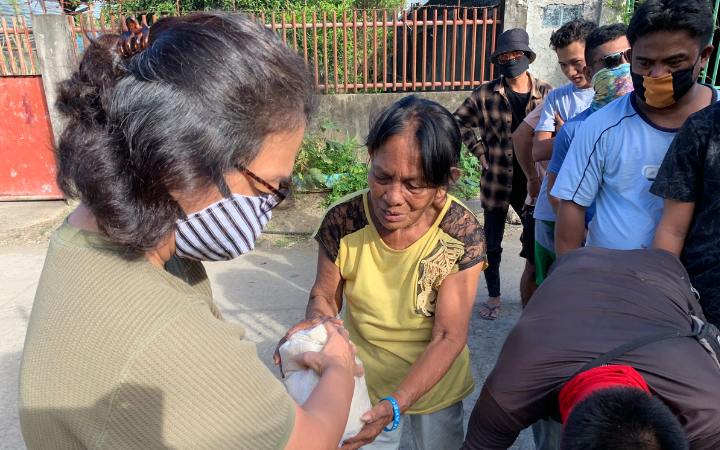
Ladylyn also volunteers with women leaders in a local government unit to create awareness of DRR-related issues. Currently, she has participated in some meetings with the women’s group and she expects to dedicate more time to her volunteer work in the incoming months.
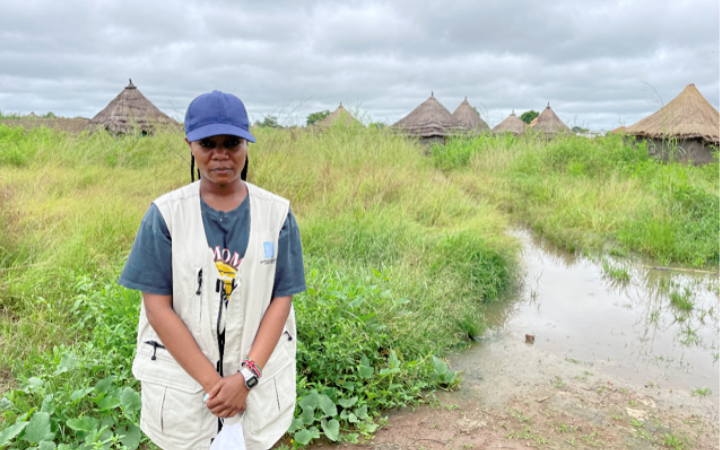
“Guidance from the course was essential in informing my project strategy and there is a lot of change in how I think that has really been informed by the training”.
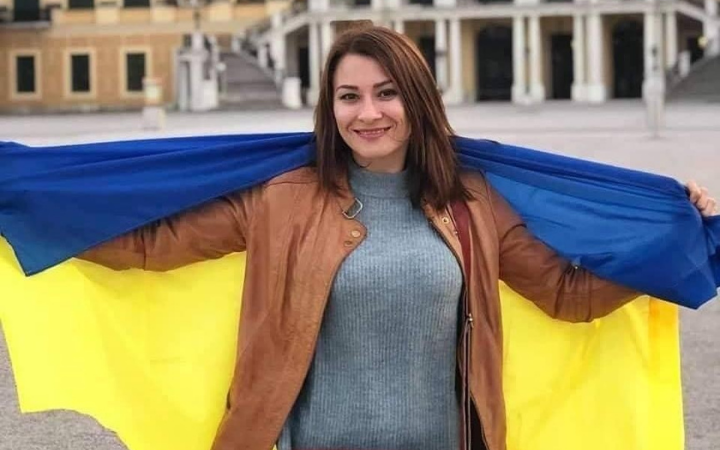
The course arrived at an opportune moment for Tetiana as besides providing better comprehension of food reserves in her region and establishing what more can be done to improve the system and share experiences with partners, it also expanded her knowledge in analyzing food security issues.

Maureen Nduta was born and raised in Nairobi, Kenya. Having lived in the city all her life, she wanted a fresh experience and moved to Mombasa in the coastal region. Her plans were all set: first get a small restaurant running, then start a small farm to supply produce for the restaurant, and later on enrol for a business degree. Everything seemed to be going to plan. Then COVID-19 happened.
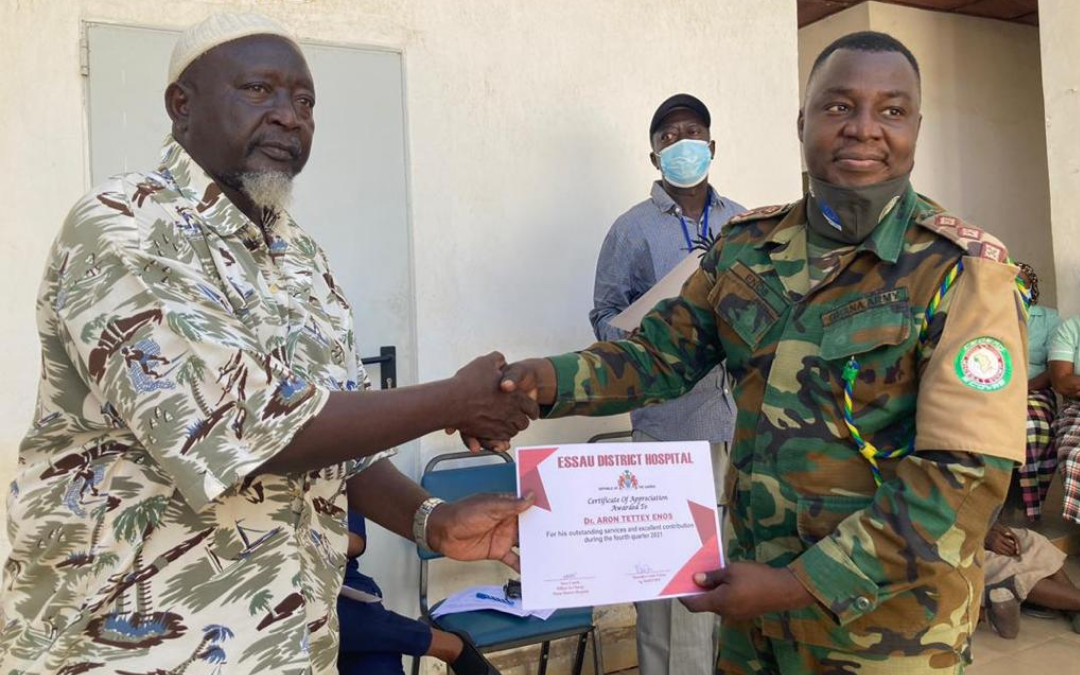
“Would be beneficial to repeat such training programs before every deployment and non-medical members should be included.”

Multilateral Diplomacy - Building capacities in the area of gender, women’s leadership and mentoring
“I have applied the mindfulness skill and also the stress management techniques. My approach to situations and circumstances has also been modified as I try to incorporate cultural diversity and my approach interacting with my colleagues.”

Fabiola is a resident doctor of neonatology at Centro Hospitalario Pereira Rossel (CHPR) in Uruguay but she is originally from Bolivia. During her studies in Uruguay, Fabiola had an experience at the hospital that made her realize the importance of surgical obstetrician processes and the need to foster these processes in her home country.
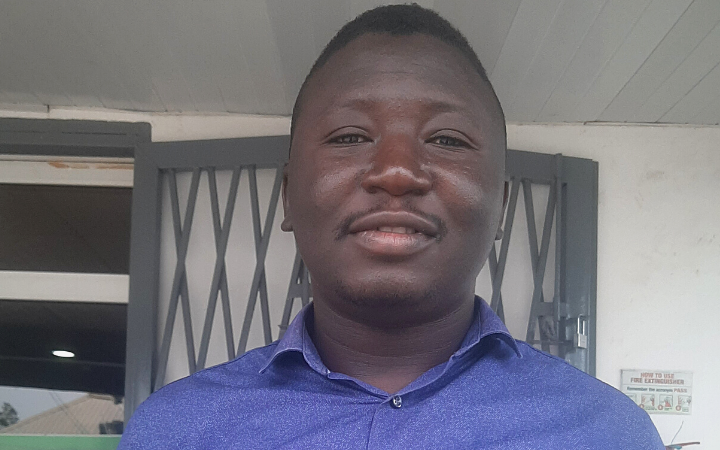
Ali was able to use the information from his own country to make informed judgements on how to negotiate and manage tax decisions for the population according to their business sector.

National ownership to monitor and achieve the SDGs is at the heart of the 2030 Agenda. However, many National Statistical Offices (NSO) face challenges in monitoring and reviewing the implementation of the SDGs. These challenges include the complexity of measuring certain problems and building relevant indicators, limited statistical capacity to monitor identified indicators, the lack of tools to facilitate the use of available information, and coordination difficulties experienced by stakeholders in producing, storing, and using the data, to name just a few.

Nkiru recognized that an important factor that contributed to foster application of knowledge in her organization is the existence of a large network of women with the capabilities to utilize the new knowledge without the need for extra personnel.