

Displaying 1 - 10 of 135

22 June 2026, Geneva, Switzerland - The High-level Political Forum on Sustainable Development (HLPF) will be convened from 7 to 15 July 2026, under the auspices of the Economic and Social Council (ECOSOC). UNITAR will convene leaders, policymakers, academia, UN partners, local authorities and practitioners to explore practical solutions for accelerating progress towards the Sustainable Development Goals (SDGs). Through a series of high-level events and strategic dialogues, UNITAR will showcase innovative approaches to capacity development, knowledge sharing and multi-stakeholder partnerships that support sustainable, inclusive and resilient development worldwide.
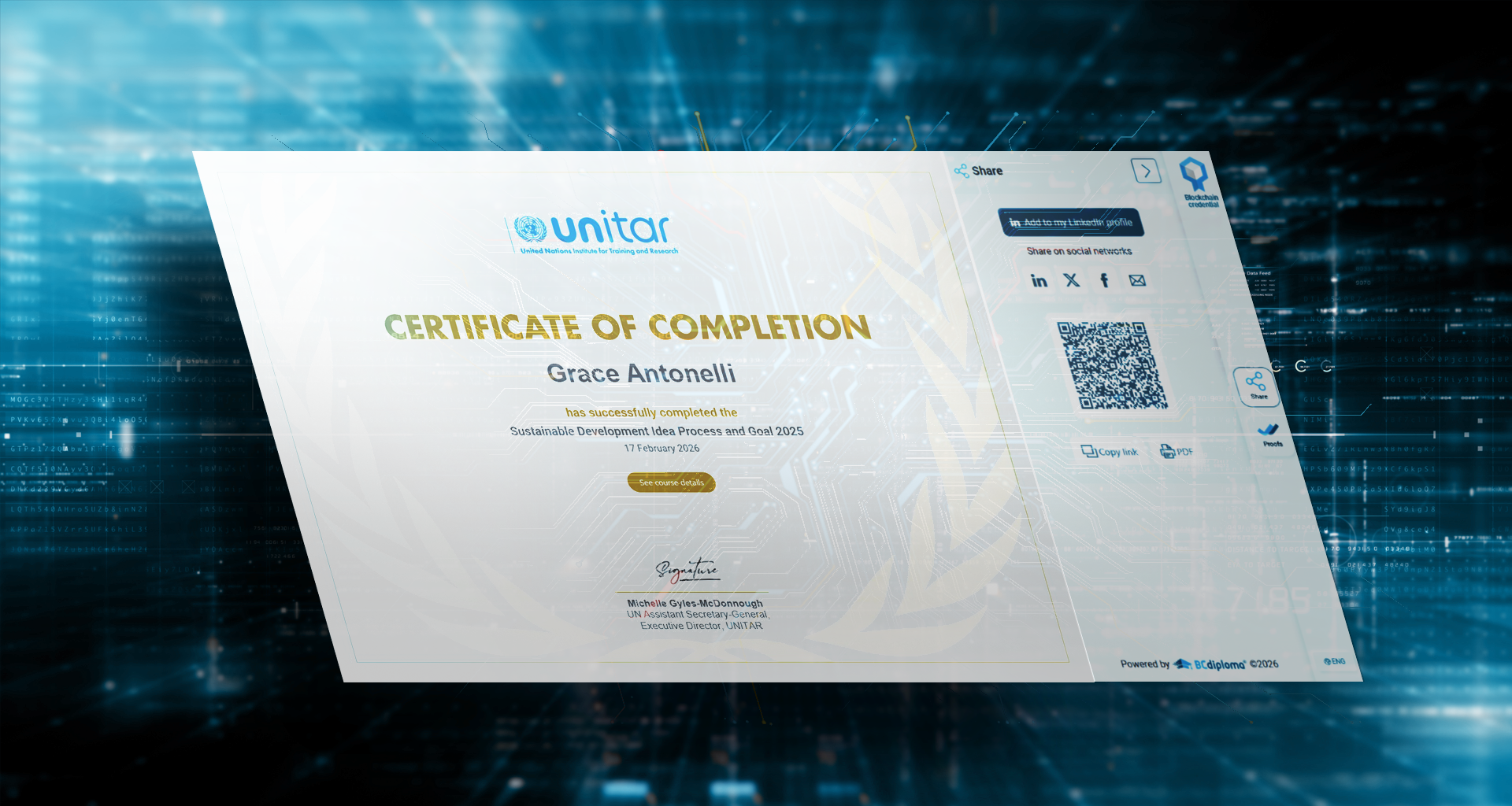
3 June 2026 - Following the roll-out of the digital credentials on the UNCC:Learn platform in January 2026, the United Nations Institute for Training and Research (UNITAR) is launching its new digital credentialing system, starting with a first set of courses, as part of a phased rollout across its learning portfolio.
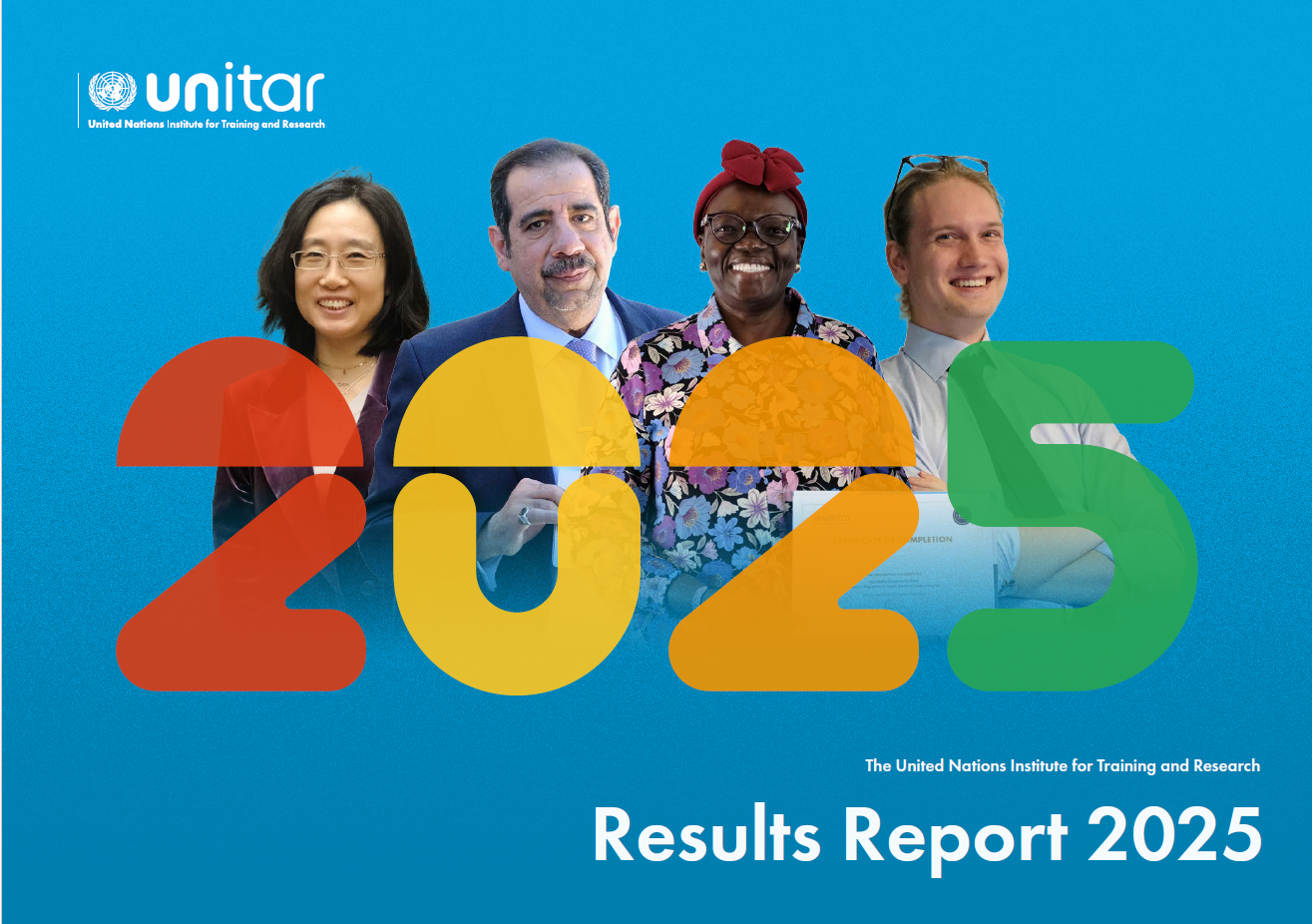
2025 Results Report: Strengthening Capacities and Expanding Partnerships for Sustainable Development
8 May 2026, Geneva, Switzerland - The United Nations Institute for Training and Research (UNITAR) issued the 2025 Results Report. The report highlights the progress, partnerships and impact achieved throughout the year. Amid rising expectations for a more agile and impactful United Nations, UNITAR continued to strengthen capacities across Member States and among diverse stakeholders worldwide while advancing important institutional milestones, including the adoption of UNITAR’s new four-year Strategic Framework.

21 November 2025, Praia, Cabo Verde - UNOSAT’s satellite analysis played a crucial role after the August 2025 storms in Cabo Verde, providing the only comprehensive overview of floods, landslides, and infrastructure damage when ground access was limited. The data guided emergency response, supported operational decisions, and fed directly into the Government’s USD 42.6 million national recovery and resilience plan. This close collaboration with national authorities and UN partners demonstrated the cost-effectiveness and essential value of geospatial information across the entire disaster management cycle.
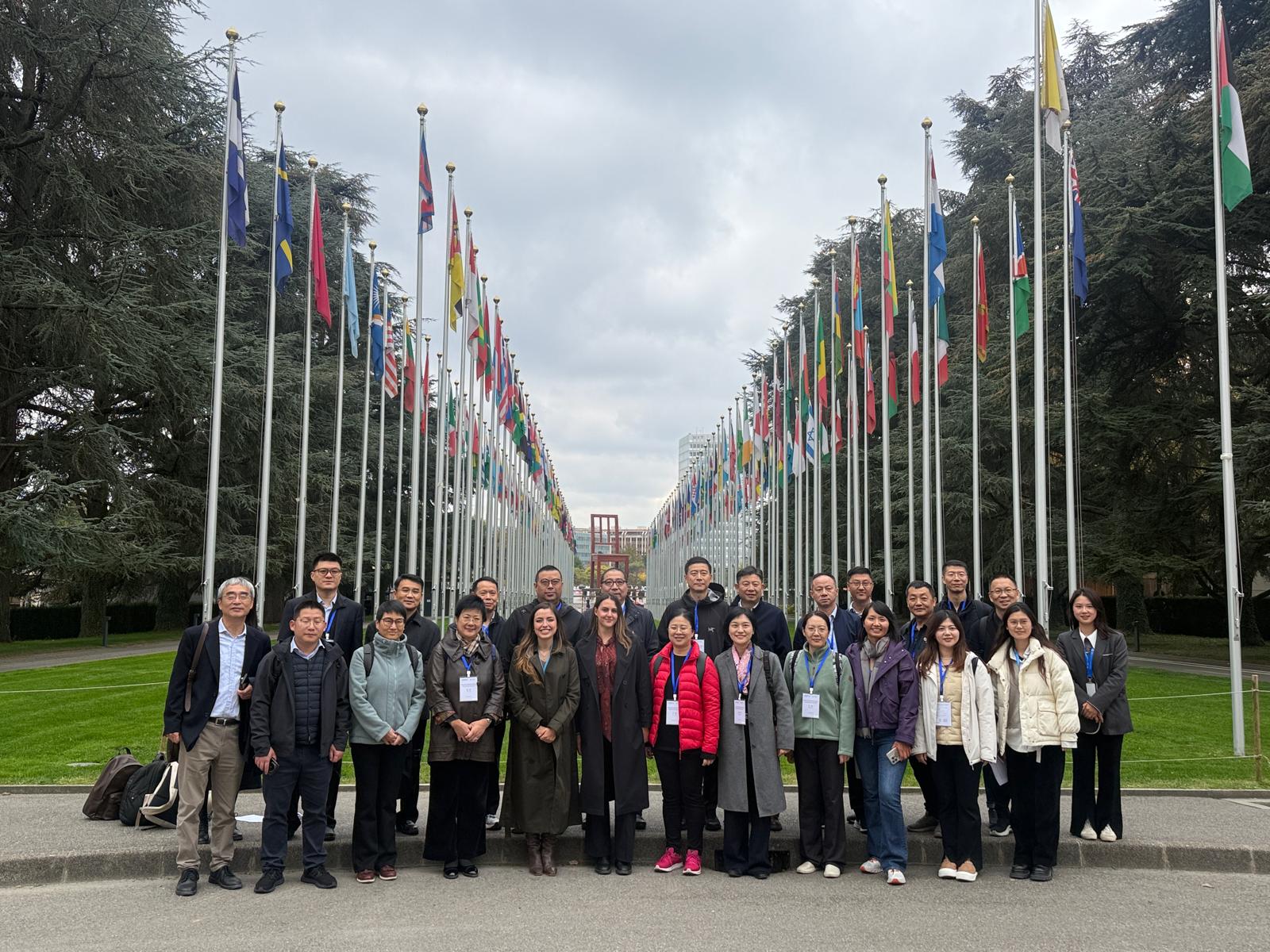
3 November 2025, Geneva, Switzerland – The United Nations Institute for Training and Research (UNITAR) and the CIFAL Global Network successfully concluded the Science, Technology, and Sustainable Development Training Programme for Senior Officials, co-developed by UNITAR and CIFAL Shanghai. The programme took place from 13 to 30 October 2025 at UNITAR Headquarters in Geneva, Switzerland.
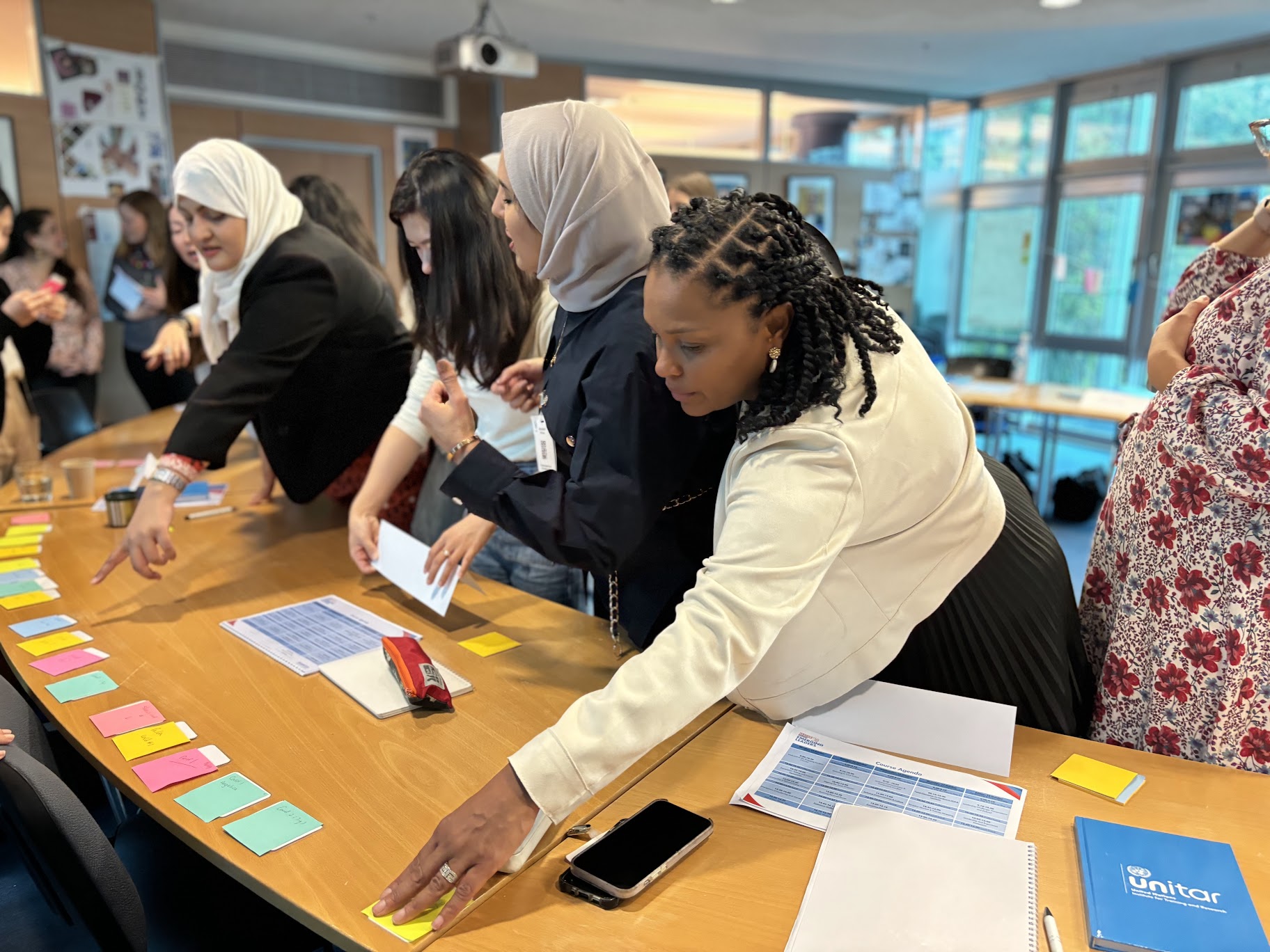
24 October 2024, Geneva, Switzerland - On United Nations Day, observed every year on 24 October, the research and training institutes of the United Nations reaffirm their essential role in building an integrated, effective, and future-ready UN system that delivers for people. This day marks the anniversary of the entry into force of the UN Charter in 1945 — the founding moment of the Organization — and invites reflection on the UN’s enduring mission to promote peace, development, and human rights and how knowledge and learning support that mission.
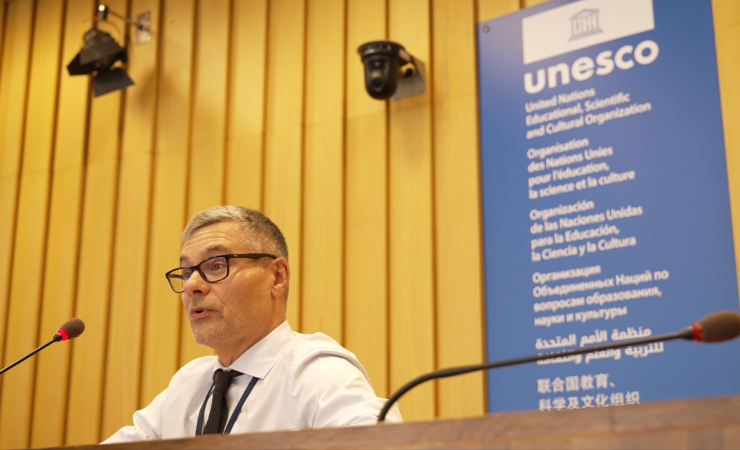
24 July 2025, Paris, France - On 12 July 2025, the United Nations Satellite Centre (UNOSAT) took part in the 47th session of the World Heritage Committee at UNESCO Headquarters in Paris. In collaboration with the International Centre on Space Technologies for Natural and Cultural Heritage (HIST), UNOSAT co-hosted a thematic session titled: Digital Technologies for Sustainable Development of World Heritage Sites. This collaboration was part of a broader effort to promote the use of digital tools and geospatial technologies in support of UNESCO’s mission to safeguard World Heritage.

5 May 2025, Geneva, Switzerland - We're pleased to announce that UNITAR has officially joined the Villars Institute and the Global Learning Council as a co-founder of the Global Learning Conference — a powerful partnership united by a shared mission to shape the future of education and lifelong learning.

8 March 2025, Geneva, Switzerland - On this International Women’s Day, I am pleased to announce that I joined the International Gender Champions. Today, we must all answer the call to action to achieve a future where the rights, equality, and empowerment of all women and girls are fully realized. The theme, For ALL Women and Girls: Rights. Equality. Empowerment., serves as a powerful reminder that gender equality is not just a goal—it is a necessity.
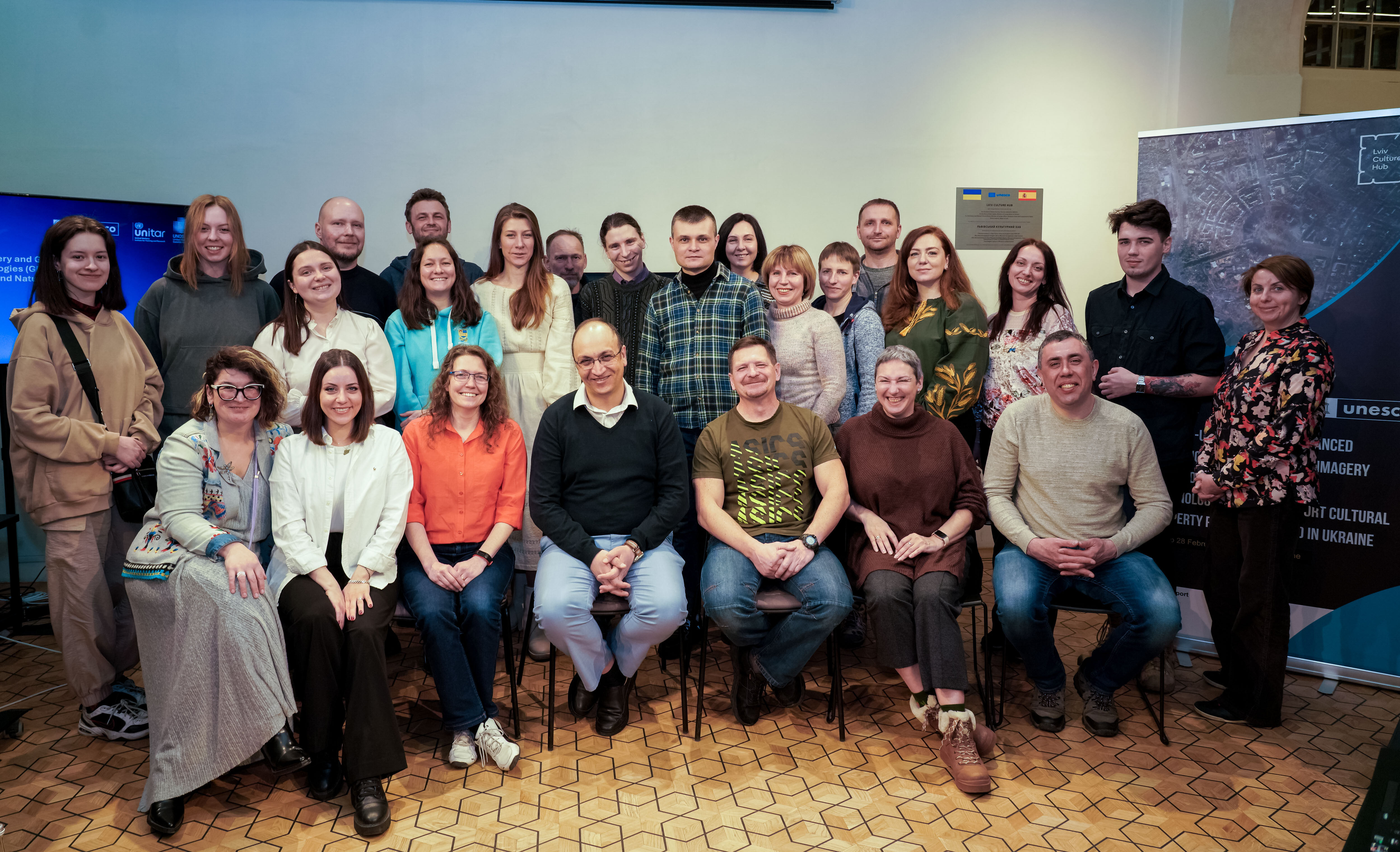
28 February 2025, Lviv, Ukraine – In a significant step toward safeguarding Ukraine’s cultural and natural heritage, UNOSAT and UNESCO hosted an advanced training session in Lviv from 25-28 February 2025. With a focus on satellite imagery-based damage assessment and environmental monitoring, Ukrainian heritage professionals and archaeologists honed their skills in geospatial technologies. Through hands-on exercises and open-source platforms, participants learned to document and monitor invaluable heritage sites—empowering them to make a real impact in their daily work. This training is part of an ongoing effort to bolster Ukraine’s capacity to preserve its rich cultural legacy and natural heritage in the face of ongoing challenges.