

UNITAR
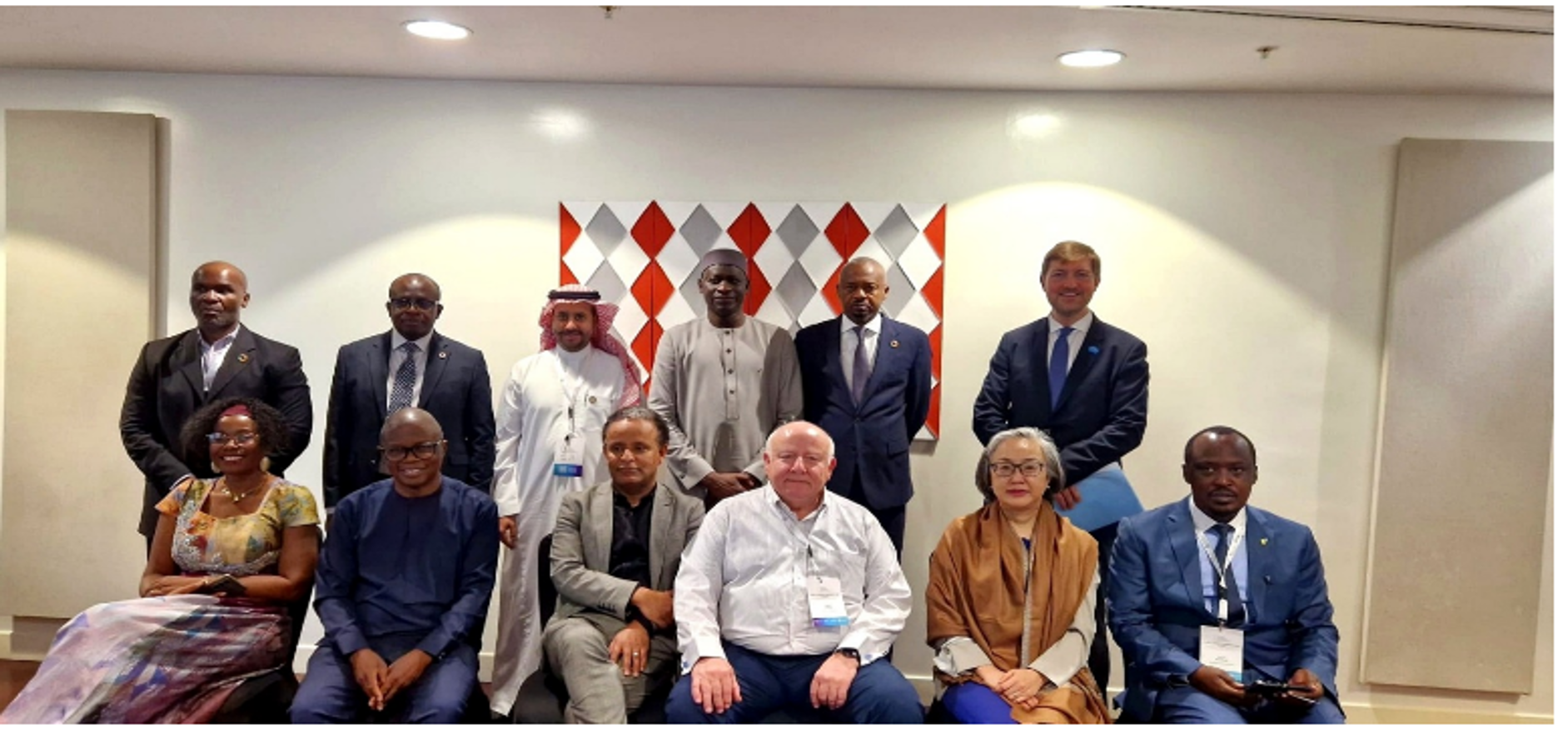
24 February 2026, Kigali, Rwanda - The LEAP-FAST consortium convened a high-level roundtable and expert interactive dialogue entitled “Future-Ready Higher Education Leadership: The Role of the CIFAL Global Network and LEAP-FAST in Transforming Institutions” on 19 February 2026, during the Global Learning Conference in Kigali. Bringing together senior university leaders, municipal authorities, CIFAL Centre Directors, UN partners and practitioners committed to advancing sustainable development through transformative higher education. The dialogue placed strong emphasis on Africa as a strategic epicentre for future global leadership, innovation and demographic dynamism.
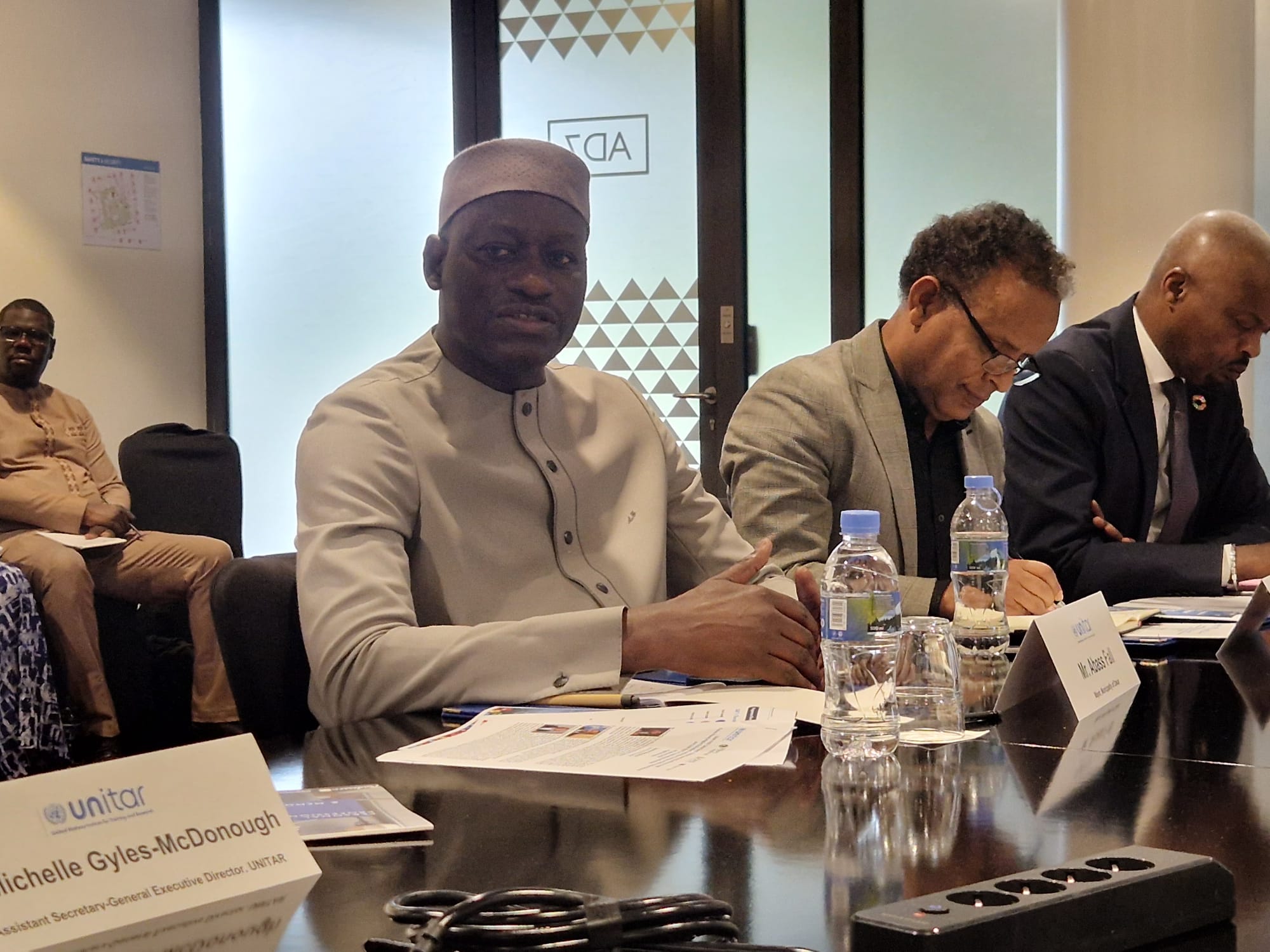
Opening the session, Ms Michelle Gyles-McDonnough, UN Assistant Secretary-General, Executive Director of UNITAR, reaffirmed UNITAR’s commitment to strengthening higher education institutions as engines of inclusive and resilient societies. She underscored that universities shape not only skills but also values, agency and pathways for meaningful participation of young people in building resilient and inclusive societies.
Highlighting Africa as home to the world’s youngest population and one of its greatest reservoirs of future talent, she stressed that forward-looking education systems will be decisive in enabling young people to drive sustainability, innovation and inclusive growth. LEAP-FAST, she noted, seeks to support institutions in cultivating leadership capable of advancing scientific production, sustainability solutions and inclusive development pathways across the continent and beyond.
The Interactive Dialogue reinforced the need for systemic integration of sustainability across higher education ecosystems. Ms Julia Heiss, UNESCO Chief of Section for Education for Sustainable Development, emphasised the importance of a whole-institution approach to sustainability. She noted that meaningful transformation requires embedding sustainable development principles across governance, curricula, research agendas, campus operations and community engagement.
UNITAR
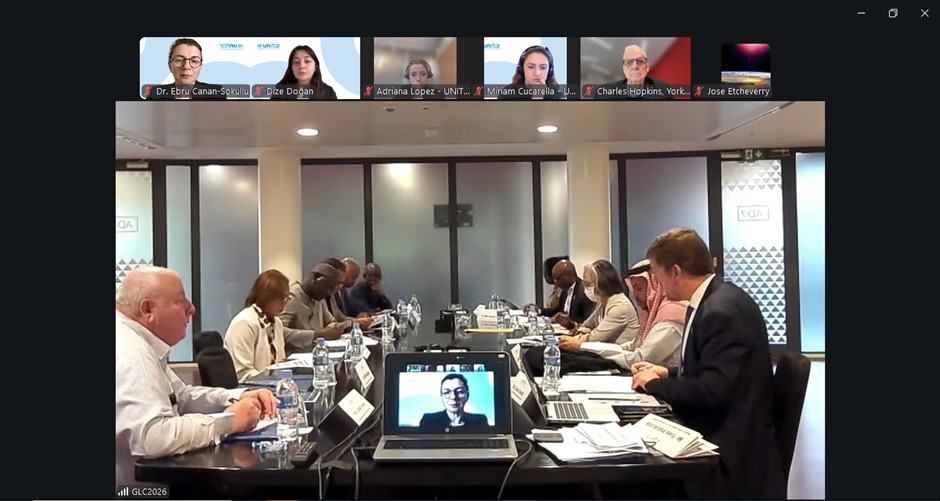
The event showcased the operational strength of the UNITAR CIFAL Global Network as a bridge between global frameworks and local implementation. Directors and representatives from several CIFAL Centres participated both in person and online, including CIFAL Kigali, CIFAL Dakar, CIFAL Banjul, CIFAL Durban, CIFAL Saudi Arabia and CIFAL Istanbul. Their engagement highlighted the Network’s capacity to mobilise municipalities, academic institutions and community actors around shared development priorities.
Special recognition was given to CIFAL Saudi Arabia for its strong support of the initiative, including its commitment to host future LEAP-FAST activities and contribute to scaling the programme globally, reflecting a growing cross-regional alliance linking Africa, the Middle East, Europe and other regions around a shared agenda of sustainability-oriented higher education leadership.
The dialogue, moderated by Mr Jonas Haertle, Chief Executive Director's Office, UNITAR, benefited from the participation of senior municipal and academic leaders representing both cities and universities as co-drivers of sustainable development. The Mayor of Dakar highlighted the role of cities as living laboratories for sustainability innovation and local implementation of global agendas. Prof. Herbert Samuel Robinson, Vice Chancellor of the University of The Gambia, emphasised the responsibility of African universities to equip young people with context-relevant skills and proposed the establishment of an African LEAP-FAST Hub to strengthen regional leadership, coordination and institutional collaboration across the continent. Prof. Baylie Damtie Yeshita, Vice Chancellor of Kepler University in Rwanda, underscored the importance of agile, future-ready models of higher education aligned with labour-market needs and social transformation.
Participants from LEAP-FAST Editions I and II joined the session online from multiple regions. Dr. Aiman Albarakati, Director of CIFAL Saudi Arabia at Mahmaah University, introduced insights from institutions already engaged in the programme. Their interventions illustrated early impacts in leadership development, institutional transformation and cross-regional collaboration, demonstrating how LEAP-FAST is evolving from a pilot alliance into a scalable global platform.
UNITAR
Conceptualised in partnership with UNESCO in 2023 and progressively implemented through 2024 and 2025, LEAP-FAST is structured around four integrated pillars: a leadership dialogue, a certification programme, an SDG Ambassadors initiative, and regional and national spin-offs designed to scale impact. The initiative now connects a growing global network of universities and aims to expand into a pioneering alliance engaging hundreds of institutions committed to sustainability transformations, with a strong African pillar emerging as a cornerstone of its global architecture.
Discussions focused on strengthening learning ecosystems, enhancing the effectiveness and inclusivity of capacity development, and designing responsive training models suited to rapidly evolving policy and labour-market environments. Participants highlighted the need to empower universities to act as hubs for innovation, entrepreneurship and societal transformation, particularly in regions undergoing rapid demographic change.
The high-level roundtable and expert interactive dialogue also provided an opportunity to deepen partnerships across the CIFAL Global Network and explore how universities, municipalities and development actors can collectively advance shared missions. Participants welcomed the emphasis on cross-regional learning, co-creation and sustained engagement, recognising that collaboration across institutions and regions is essential to accelerating sustainability transformations.
Through this collaborative platform, LEAP-FAST continues to strengthen global university leadership and cultivate a growing community of change agents dedicated to shaping inclusive, innovative and sustainable futures, with Africa at the forefront of this transformation.