

UNITAR
The United Nations Institute for Training and Research (UNITAR) Pathway to Prosperity programme, supported by Google, equips early-career and mid-career professionals in Selangor, Malaysia, with future-proof technical skills in AI and data centre management.
UNITAR recognizes the need to address the growing demand for skilled professionals in AI and data centre management in Malaysia. The current country-specific challenges include:
- Bridging the Skills Gap: There is a significant shortage of hands-on, practical experience in AI and data centre management among Malaysian youth and young professionals.
- Enhancing Employability: There is a demand for industry-aligned training that converts "theoretical knowledge into job-ready skills especially in the areas of AI and data centre management.
- Empowering Local Communities: Strengthening local talent in Selangor to support data centre initiatives while also promoting broader economic growth and social inclusivity in the region."
Through a structured blended learning journey, participants will gain hands-on competencies across data centre operations, cybersecurity, infrastructure, and AI technologies – culminating in joint UNITAR x Google certifications that directly enhance participants’ employability and readiness for careers in AI-related industries and data centres.
The content was relevant, engaging, and helped bridge theory with practice, making it highly valuable for my learning and professional development.”
— Cohort 1 Participant
Programme Snapshot
Pathway to Prosperity is meeting a genuine and urgent workforce development need in Selangor’s technology sector. Every gap has been met with a deliberate, evidence-informed solutions.
Participants
The programme participants are early-career and mid-career professionals in Selangor, Malaysia, who are interested in pursuing or transitioning into a career related to data centres or AI.
Enrolment
- Cohort 1 (January-April 2026) - 96 participants
- Cohort 2 (April-June 2026) - 157 participants
- Cohort 3 (June-September 2026) - 175 participants
Skills Domain
The Data Centre and AI program is structured into five interactive modules, allowing participants to progress at their own pace and resume seamlessly from where they left off. Each lesson incorporates engaging, interactive elements beyond static text and images to enhance the learning experience. The topics of each module are:
- Introduction to Data Centres – Builds foundational knowledge of data centre architecture, core technologies, and best practices for reliability, security, and operational efficiency.
- OT Cybersecurity: Network & Hardware Safety in Data Centres – Covers securing operational technology environments through network segmentation, threat detection, vulnerability assessment, and incident response tailored to data centres.
- An Overview of Network-Critical Physical Infrastructure (NCPI) – Covers securing operational technology environments through network segmentation, threat detection, vulnerability assessment, and incident response tailored to data centres.
- Data Centre Infrastructure: Integrated Course Summary – Focuses on calculating power and cooling requirements, right-sizing infrastructure, and understanding piping systems and failure modes in data centre environments.
- AI-Driven Data Centres: Integrated Course Summary – Explores how AI workloads reshape data centre design, covering liquid cooling technologies, infrastructure challenges, and best practices for building AI-optimised, energy-efficient facilities.
To reinforce understanding, short quizzes are included at the end of every lesson, followed by a multiple-choice assessment at the conclusion of each module. Additionally, each module features a dedicated discussion forum where participants can share reflections, raise questions, and exchange key learning insights with peers.
Programme Components
The programme is delivered through three integrated learning components:
- Moodle (asynchronous online learning): Participants access e-modules at their own pace via web or mobile.
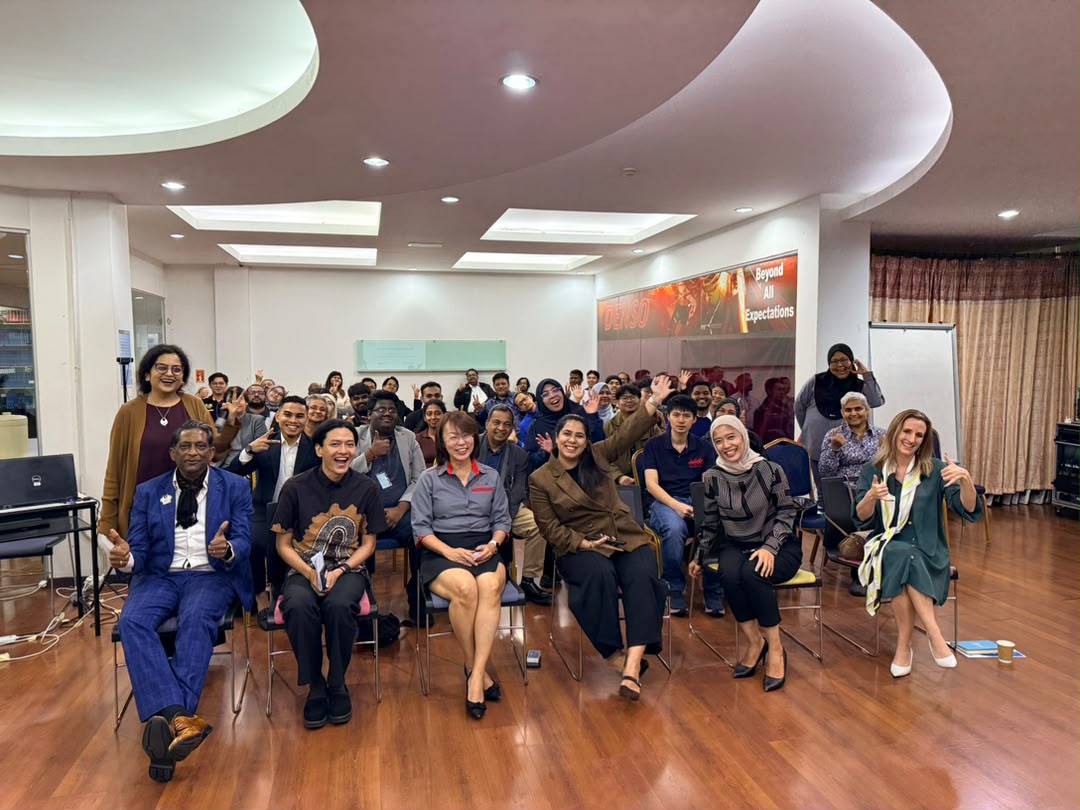
- Weekly webinars: 90-minute, live peer-learning sessions on Zoom feature local and international experts who guide and train participants.
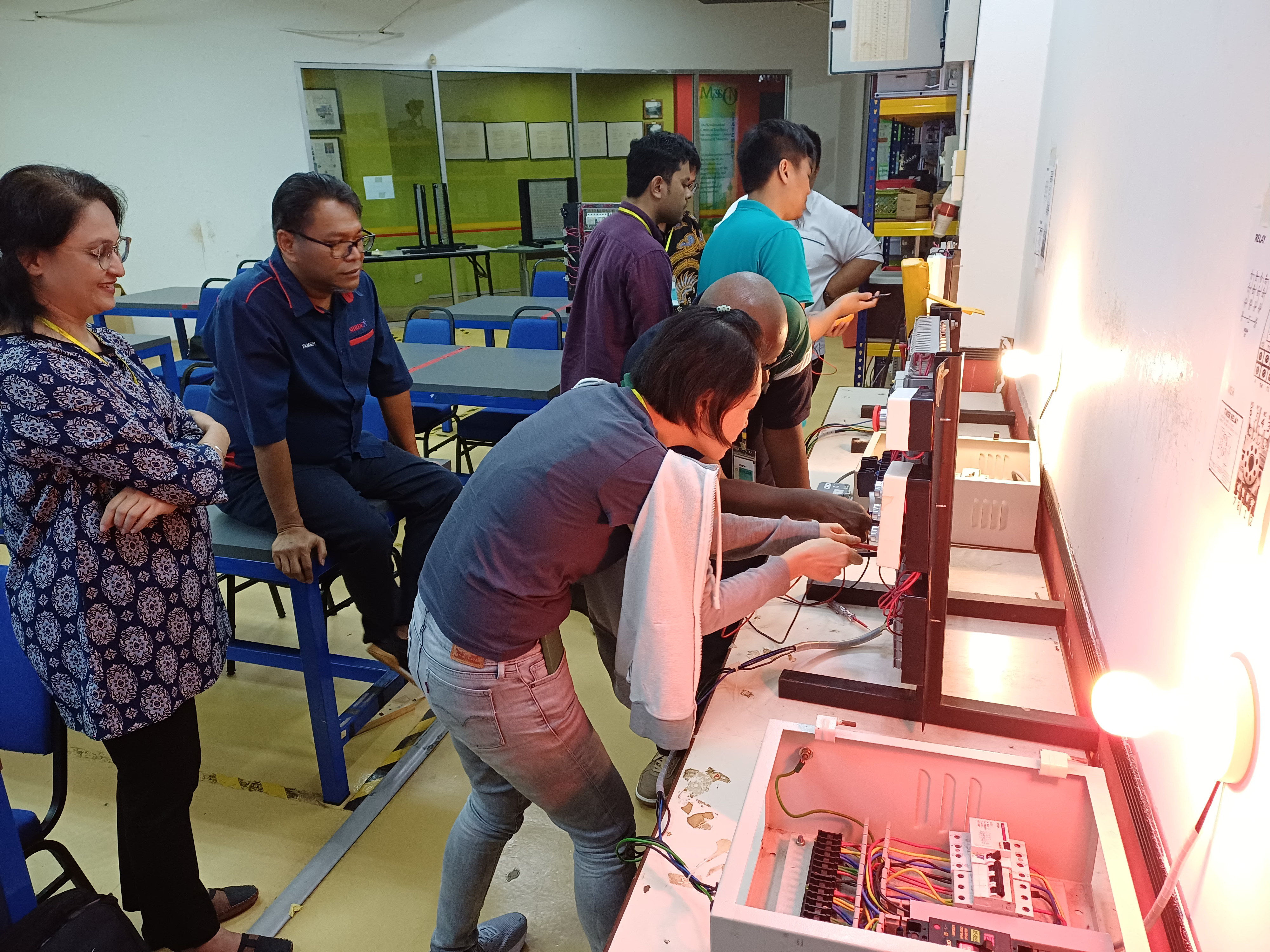
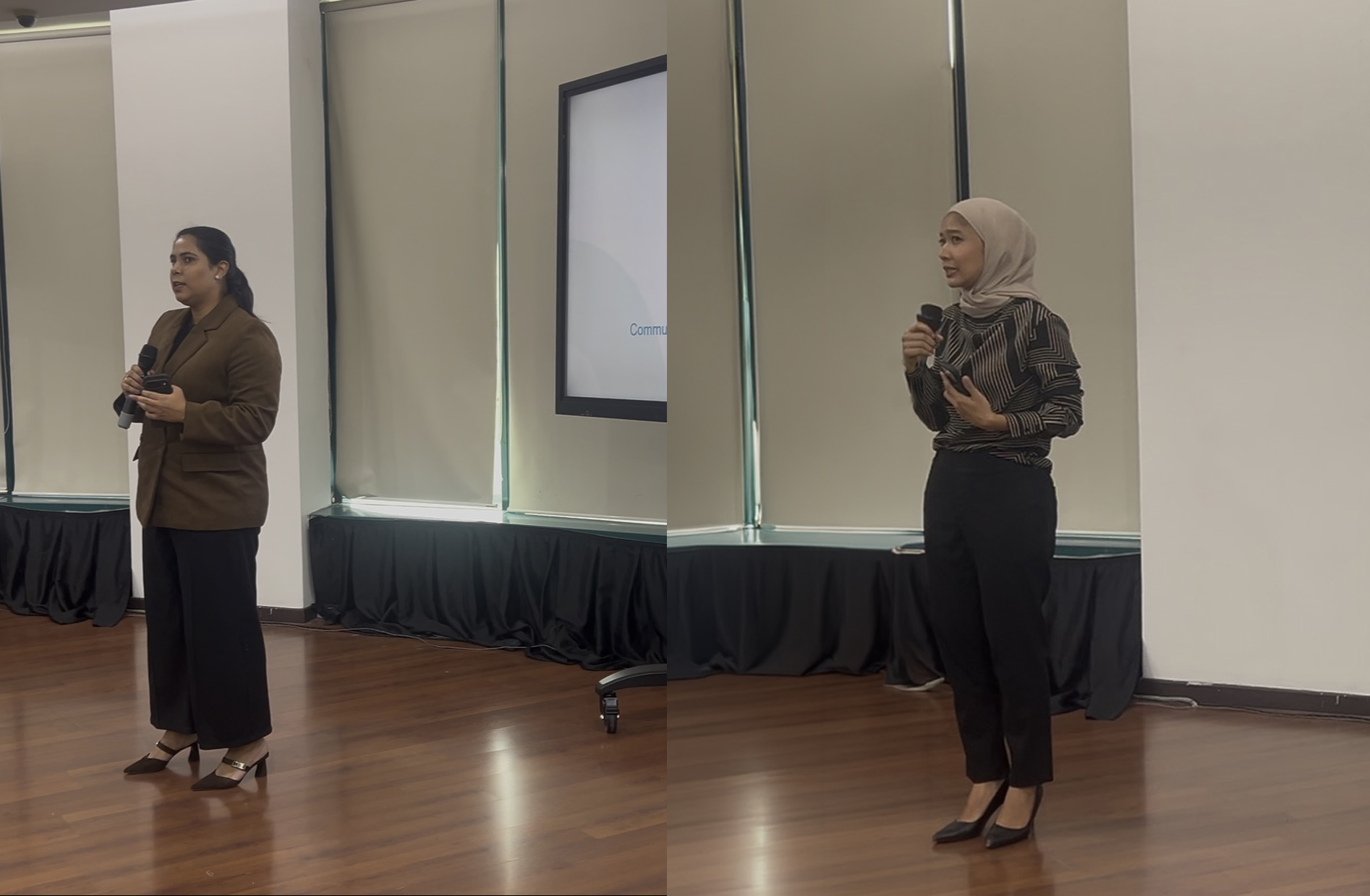
- In-person workshops: In three immersive days during the second half of each cohort, participants synthesise their learning and finalize a capstone group project, which they present on the final day.
The top three capstone teams across the three cohorts will be invited to present at the final conference (October 2026). This conference will provide them with the opportunity to reflect on their growth, share their stories, showcase their work and engage with a diverse, professional community.
Programme Outcomes
UNITAR
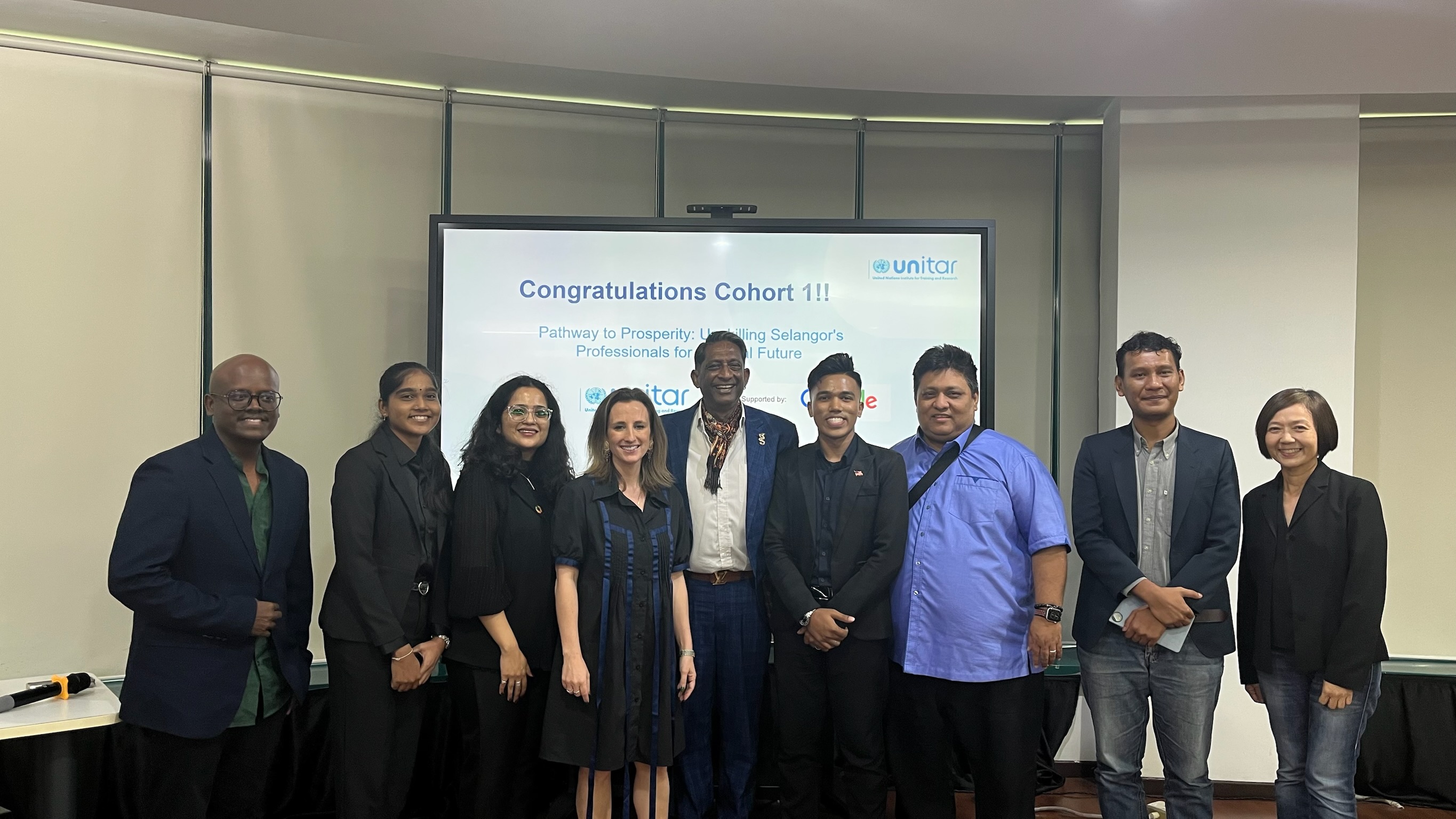
The programme's impact is felt at multiple levels of the local community. Directly, participants from diverse sectors including the private sector, government, academia, NGOs, and the unemployed gain the technical competencies, professional confidence, and networks to re-enter or advance within Malaysia's digital economy. Indirectly, as these participants carry their skills and credentials back into their workplaces, families, and community networks, the programme's impact multiplies outward. Organisations benefit from upskilled employees; unemployed participants gain a meaningful pathway back into the workforce; and the broader community gains a growing cohort of digitally literate professionals who can, in turn, support the upskilling of those around them. This ripple effect is central to Pathway to Prosperity's theory of change, and tracking it remains a priority as the programme scales.
The self-assessments from Cohort 1show that the programme is delivering powerful outcomes that align directly with the aim to upskill the local workforce: a mean satisfaction score of 4.56 out of 5, zero negative ratings, and 88% of participants confirming they intend to apply their new skills professionally.
- 4.56 / 5.0 overall satisfaction score: Not a single participant rated the programme below neutral – an exceptional result for a hybrid programme spanning a multi-sector, multi-generation and multicultural cohort with widely varying levels of prior digital experience.
- +1.77 levels on avg. skill gain across all six domains: A final competency assessment confirmed that participants advanced by an average of +1.77 levels – progressing from Beginner to Intermediate/Advanced proficiency across all six skills domains in just 12 weeks of blended learning.
- 88% agree, they will apply knowledge in their career: The most direct indicator of real-world impact: 88% of respondents confirmed they will actively apply their skills professionally, demonstrating that learning translated well beyond the classroom.
- 97% rated the programme good or above: Every respondent on the post-course evaluations rated the programme Good or above. Zero negative ratings were recorded – a remarkable endorsement across a highly diverse cohort.
Programme Partner
UNITAR
To deliver high-impact digital upskilling across Selangor, Pathway to Prosperity programme is powered by Google, a global leader in technology and innovation.
This initiative leverages Google’s generous support to UNITAR and specialized curriculum insights to prepare local talent for high-demand roles in the growing artificial intelligence and data center sectors.
Programme Contributors
UNITAR
- Selangor Human Resource Development Centre (SHRDC), an industry-led talent development centre that offers expertise across Data centre and AI, to individuals and organisations, is UNITAR’s local implementation partner.
- Universiti Teknologi MARA (UiTM) Shah Alam, one of Malaysia's largest universities, has supported participant outreach and application drives across its alumni and student community, along with supporting expertise through webinar and capstone review.
- Malaysia Digital Economy Corporation (MDEC), the national agency driving Malaysia's digital economy agenda, which has contributed expertise through webinars and amplified the programme's visibility within government and industry networks.
- reAInmaker AI, founded by Raghunath Pak Joe Murthy, is offering 5 internship placements per cohort. These opportunities are targeted at participants who are unemployed or actively seeking to transition into the AI and data centre industry, providing a direct and practical next step. whose hands-on AI expertise and strong community presence have been pivotal in creating deep interest for future proofing careers.
- The Rotary Clubs active across Selangor, whose civic networks have extended the programme's outreach into grassroots and community-level channels that formal institutional partnerships alone cannot reach.
Meet our Alumni
UNITAR
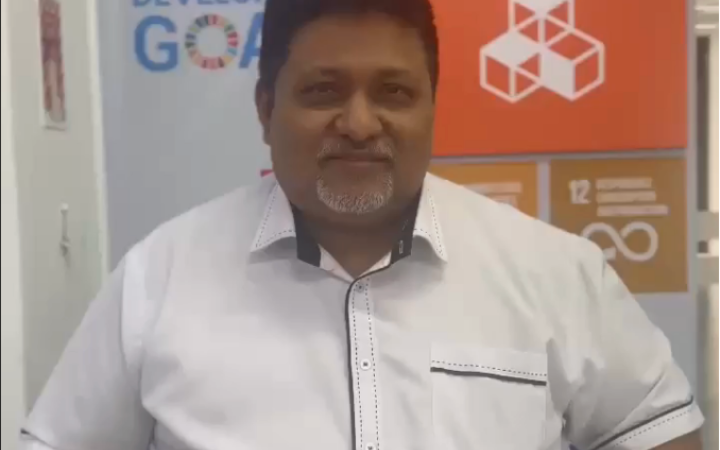
Murugeson "Captain Muru" Ayasamy
Murugeson Ayasamy, known as Captain Muru, participated in Cohort 1 of the Pathway to Prosperity Programme. He is a community leader representing the Rotary Club of Nilay Central and District 3300 Malaysia, he joined the programme to equip himself and his NGO network with practical AI knowledge, so that the communities he serves could stay connected to a rapidly changing world.
UNITAR
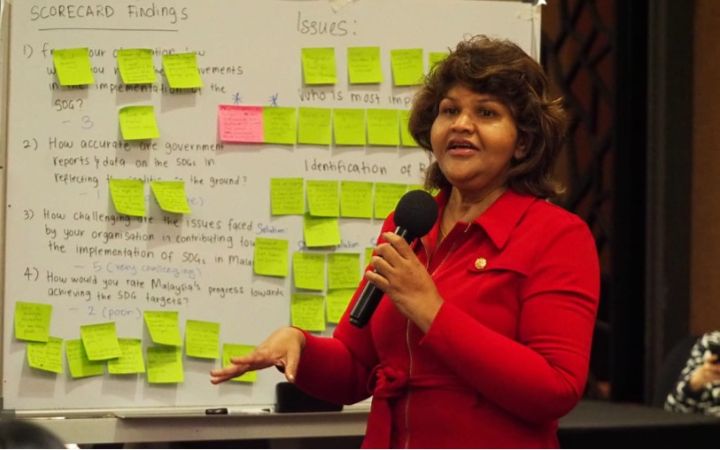
Indrani P. Thuraisingham, Vice President and Legal Advisor of the Federation of Malaysian Consumers Associations (FOMCA), participated in Cohort 1 of the Pathway to Prosperity Programme. She is a community leader and grassroots consumer advocate. She joined the programme to close a critical knowledge gap as Selangor positioned itself to become ASEAN's premier data centre hub, she needed to understand the infrastructure reshaping her constituents' lives.
UNITAR
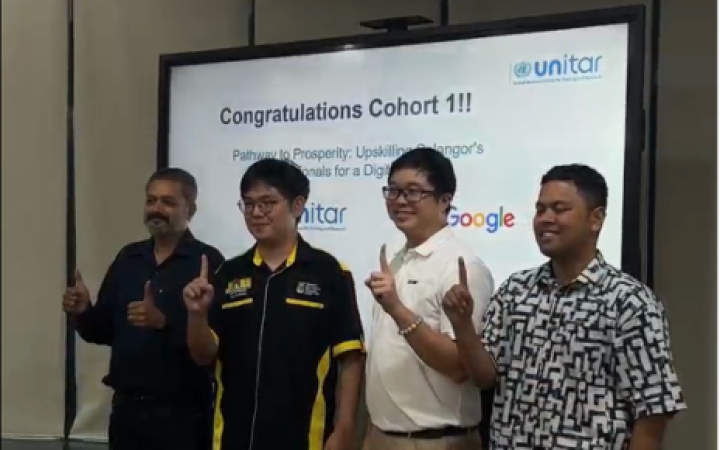
Danny McQueen participated in Cohort 1 of the Pathway to Prosperity Programme. He is a freelance consultant and former head of department at a Malaysian telecommunications company, he joined the programme with twenty years of project management experience behind him.
UNITAR
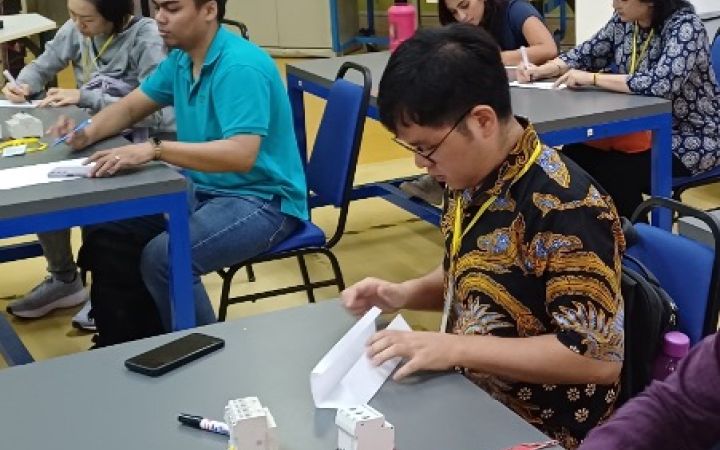
Tan Yu Xian participated in Cohort 1 of the Pathway to Prosperity Programme. He is an Electrical and Electronic Engineering student from Kolej Pendeta Zaba, Universiti Kebangsaan Malaysia (UKM), Tan was one of the youngest participants in his cohort. He joined to explore the intersection of AI and data centre infrastructure, a field adjacent to, but meaningfully beyond, the boundaries of his formal degree.