

Displaying 1101 - 1110 of 1774

November 2021, Geneva, Switzerland - UNITAR’s Green Economy and Trade and Green Fiscal Policy e-courses have won the Gold Award in the Best Advance in Custom Content category of the distinguished Brandon Hall Group HCM Excellence Awards for 2021. The Award underscores UNITAR’s role as one of the main players globally providing state-of-the-art e-learning solutions and resources for free on green economy and climate change-related topics.
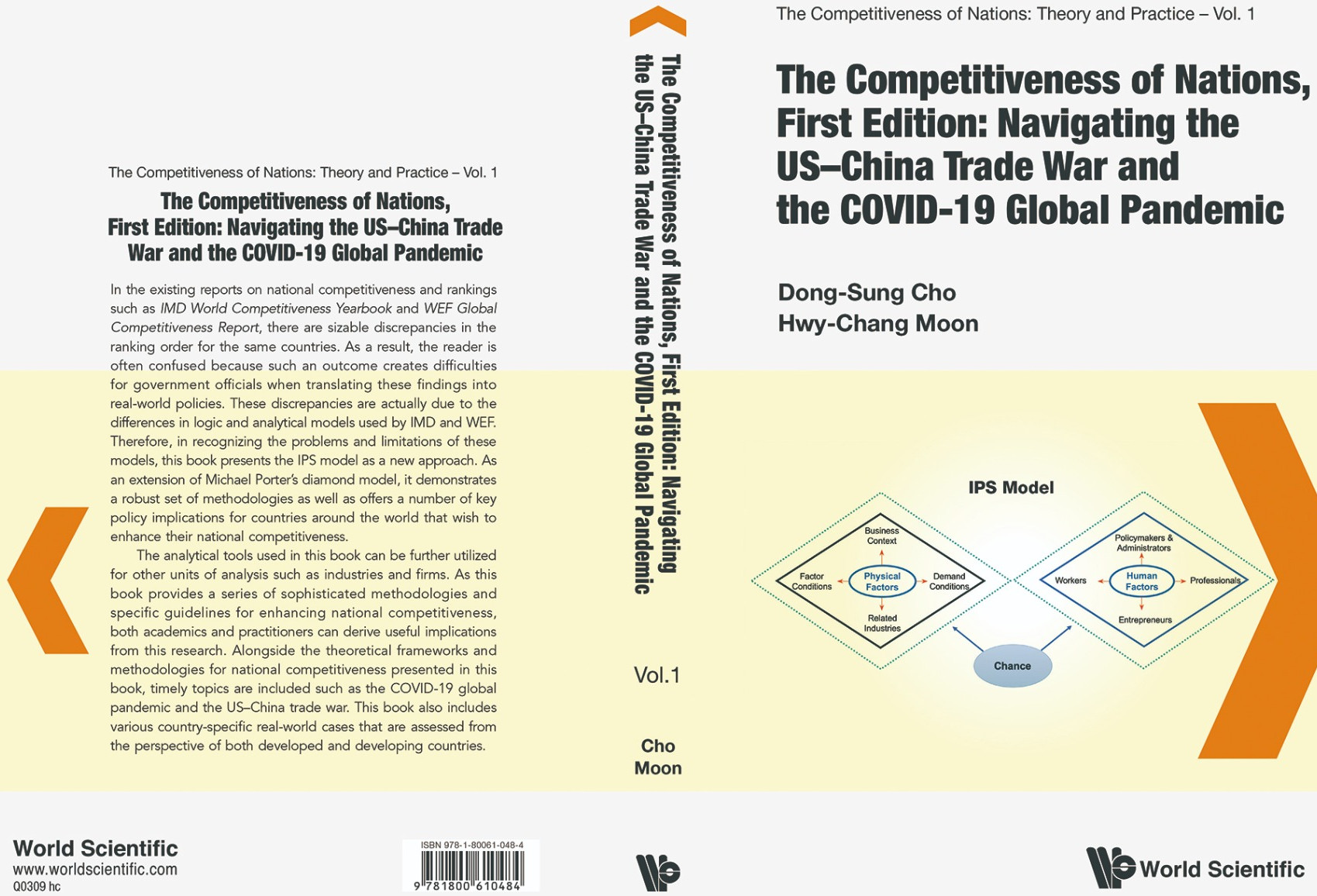
UNITAR, The Institute for Industrial Policy Studies (IPS), and the Taylor Institute at Franklin University Switzerland (FUS), have presented report results on National Competitiveness: Two rankings for each nation with low-cost strategy and differentiation strategy. The results of the IPS National Competitiveness Report were released on October 28, 2021, in a public conference of National Competitiveness organised by IPS and FUS, and co-hosted by UNITAR.
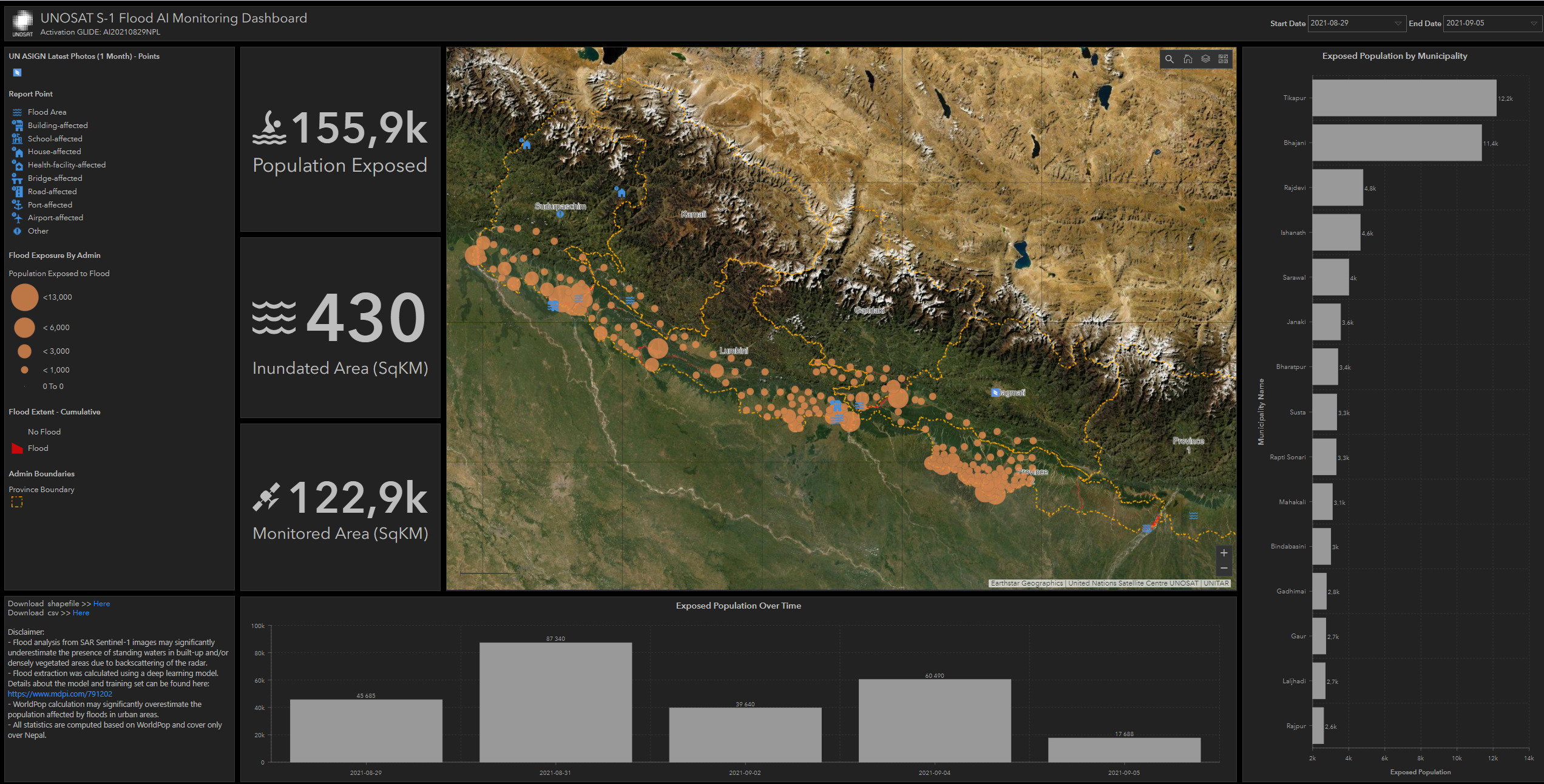
In South Asia, the monsoon season started early and strong this year. Nepal was particularly hit by heavy rainfall in June 2021: flooding and landslides were reported in many parts of the country and affected thousands of families. When the Rapid Mapping service was activated, the UNOSAT FloodAI pipeline was deployed and all products were sent to the Dashboard, turning it into a one-stop-shop for real-time evidence-based decision-making
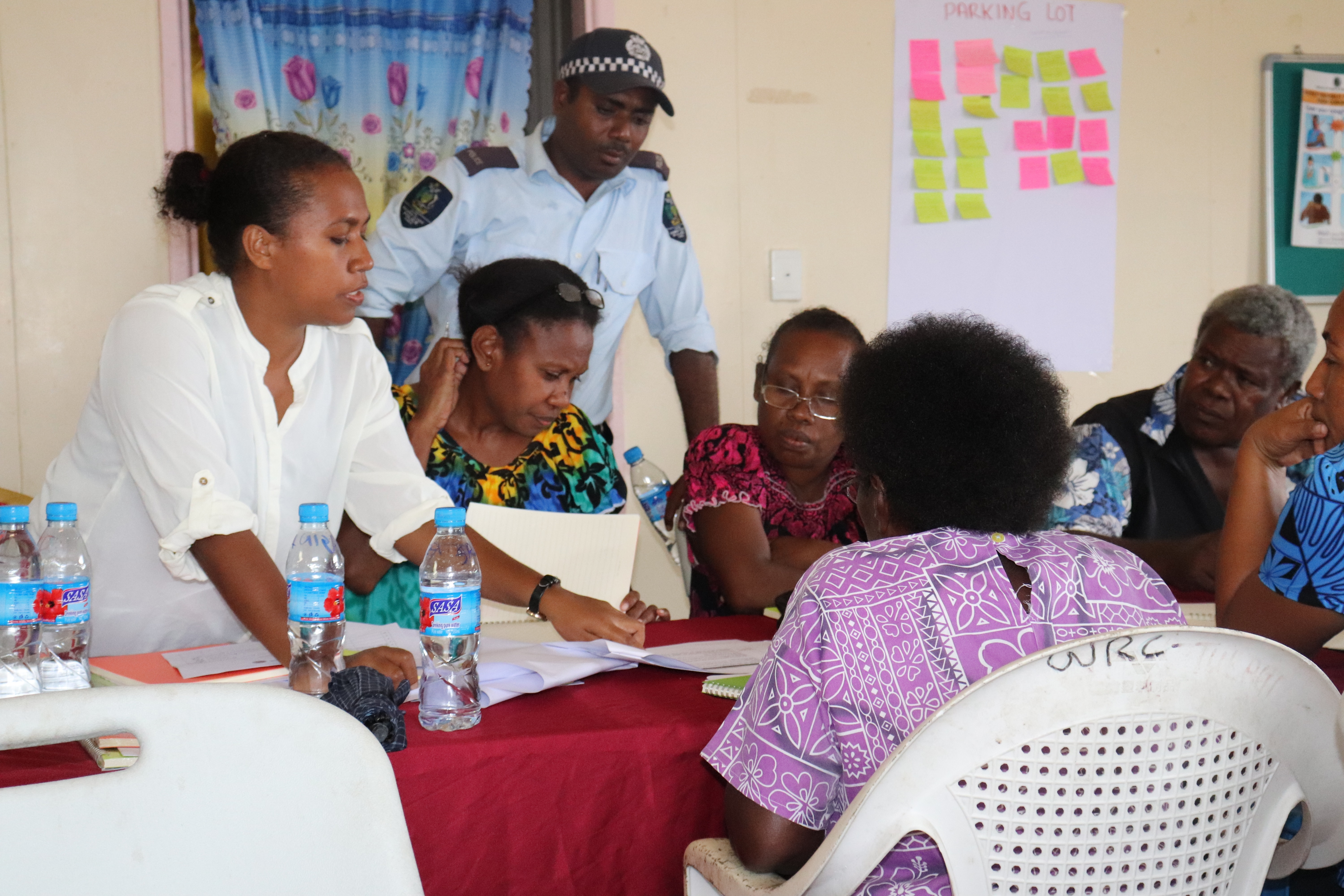
Passion and prayers – that’s how Everlyn Fiualakwa of the Solomon Islands got into disaster risk management. Everlyn had just graduated from university and was looking for a job when an 8.0-magnitude earthquake struck off the coast of Temotu Province, on 6 February 2013. A tsunami followed, killing 10 people. Reading about the disaster in the papers, Everlyn knew then what she wanted to do with her life: to help communities in her country become better prepared to deal with emergencies.

National ownership to monitor and achieve the SDGs is at the heart of the 2030 Agenda. However, many National Statistical Offices (NSO) face challenges in monitoring and reviewing the implementation of the SDGs. These challenges include the complexity of measuring certain problems and building relevant indicators, limited statistical capacity to monitor identified indicators, the lack of tools to facilitate the use of available information, and coordination difficulties experienced by stakeholders in producing, storing, and using the data, to name just a few.

Nkiru recognized that an important factor that contributed to foster application of knowledge in her organization is the existence of a large network of women with the capabilities to utilize the new knowledge without the need for extra personnel.

Les participants, tous originaires d’Afrique sub-saharienne, étaient pour la plupart des représentant de gouvernements et d’autres autorités impliquées dans la formulation de politique agricole, de programme et mesures.
26 October 2021, Geneva, Switzerland - For the second time in succession, UNITAR participated in the judging process to select the top 100 Meaningful Business leaders of the year. Meaningful Business, a global platform for leaders combining profit and purpose, has announced the 3rd edition of the Meaningful Business 100 (MB100) recognising outstanding contributions of individuals in support of the UN Global Goals, sponsored by EY.

"We developed a management model for an entrepreneurship promotion center, which took into account the elements mentioned in the course."

26 October 2021, Hiroshima, Japan - UNITAR ran its online training programme Social entrepreneurship training programme for women in the Horn of Africa from October 2020 to June 2021. 247 women entrepreneurs from Ethiopia, Kenya, Somalia and Sudan joined the programme. Participants developed entrepreneurial skills to address local needs through innovative and creative business solutions.