
Displaying 2251 - 2260 of 3527
UNITAR is organising a learning conferences on “holistic approaches for the implementation of the 2030 Agenda” for African Least Development Countries (LDCs). This conference will specifically target government officials from the 17 English-speaking African LDCs and will take place in Abuja, Nigeria on 1-2 March 2017.
Thursday, 9 February 2017, 2 p.m. - 4.30 p.m. Conference Room XVII, Palais des Nations, Geneva, Switzerland - Join us at the Emirates Room of the Palais for an event commemorating United Nations General Assembly Resolution A65/5, sponsored by the Kingdom of Jordan and adopted unanimously in 2010. This progressive resolution enacted the World Interfaith Harmony Week, to be observed globally every year during the first week of February.
This is a unique opportunity to hear a discussion on the significance of Resolution A65/5 and on the role of faith in peacebuilding and development, in synergy with the 2030 Agenda. Speakers representing several Member States, academic organizations and UN entities, will provide insight on the Muslim and Christian perspectives in these important areas.
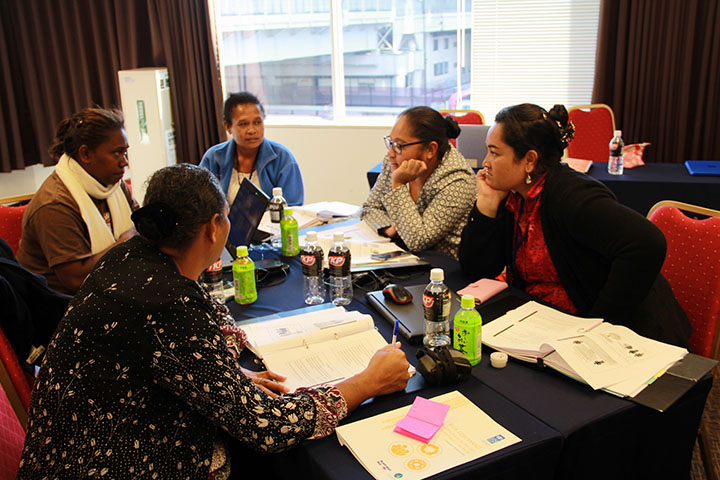
7 February 2017, Hiroshima, Japan - The final workshop of the 2016-2017 UNITAR Hiroshima Training Programme on Anti-Corruption for North Africa successfully concluded in Tokyo on Friday. Supported by the People of Japan, the workshop was held in Hiroshima and Tokyo between 30 January and 3 February 2017. Twenty-four (24) participants from government and civil society organizations came from Algeria, Morocco and Tunisia.
Avoiding an ‘ecological credit crunch’ requires training and education for new skills and a change in attitudes to enable countries to leapfrog towards sustainable consumption and production practices. Children in Bhutan are proving to be valuable agents in this process.
“Domestic resources can mobilise a more immediate, nationally-driven response to climate change, and when aligned with external funding sources, can gain a much greater impact.”
By Sara Tchaparian // 14 November 2016 // Climate Finance