

- Paolo Zurita is a foreign service officer with the Philippine Department of Foreign Affairs. He works with international organizations on nuclear non-proliferation and disarmament.
- He joined the UNITAR Hiroshima Nuclear Disarmament and Non-Proliferation Training in 2025 to strengthen his technical skills in this specialised field.
- In Hiroshima, Paolo learned about the human impact of nuclear weapons and hopes to educate more people in his country about the suffering caused by atomic bombs.
- He believes his new understanding of the perspectives of different countries will help him better negotiate for the Philippines’ stance on disarmament.
UNITAR
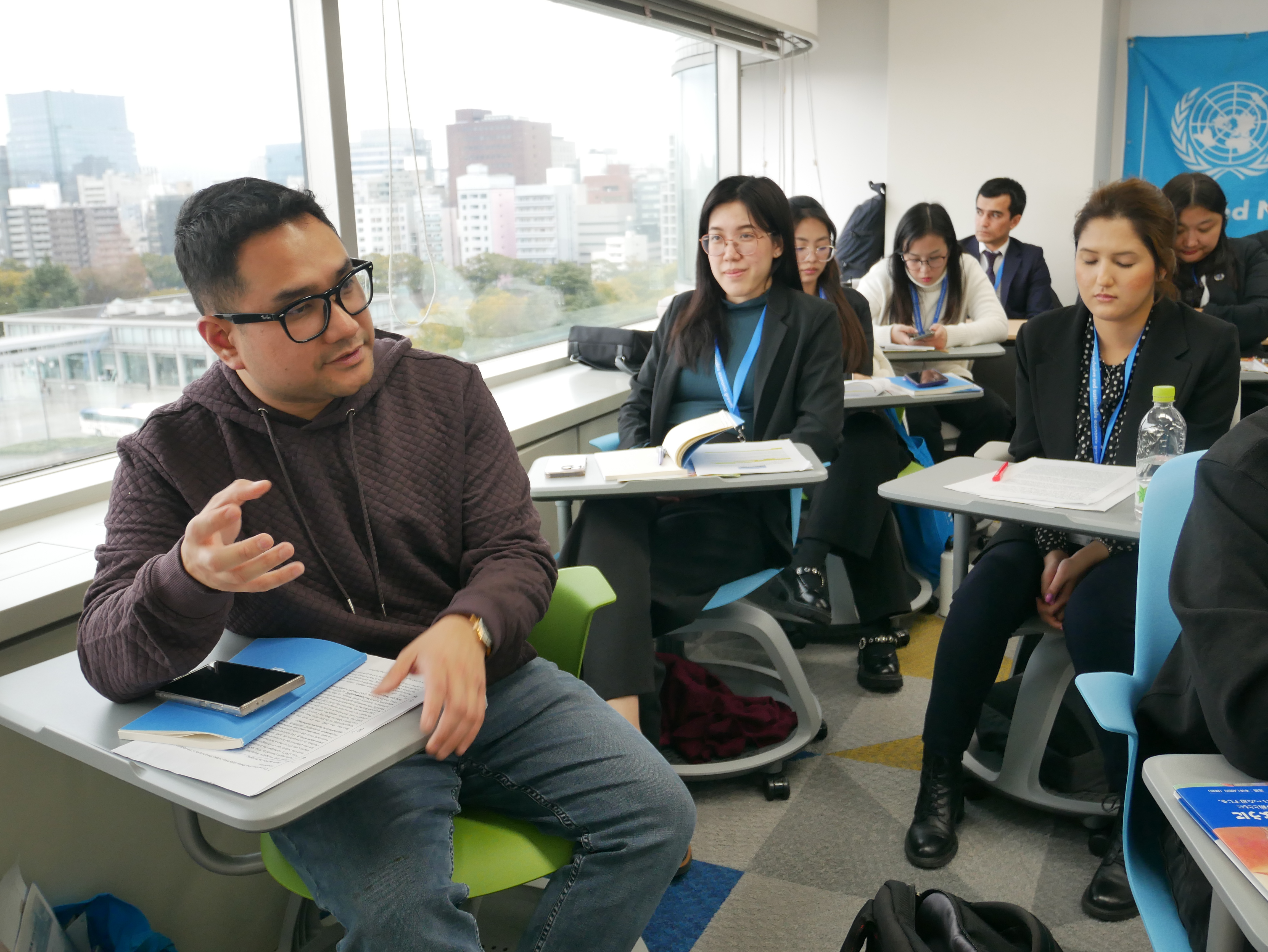
30 January 2026, Hiroshima, Japan - Paolo Zurita is Assistant Director for the Peace and Security Division at the Office of the United Nations and International Organizations, Philippine Department of Foreign Affairs. In this role, he is responsible for handling peace and security matters, especially nuclear non-proliferation and disarmament. He joined the UNITAR Hiroshima Nuclear Disarmament and Non-Proliferation Training in February 2025 to build his technical skills in this highly specialized field.
The Philippines and Nuclear Disarmament
Since 1968, the Philippines has been a committed state party to the Treaty on the Non-proliferation of Nuclear Weapons (NPT), which calls for complete and irreversible nuclear disarmament. A long-time advocate for nuclear disarmament and non-proliferation, Paolo says that his country does its best to convince other state parties to comply with their treaty obligations. The Philippines has also ratified the Treaty on the Prohibition of Nuclear Weapons (TPNW) in 2021 and was among the 122 states that voted in favour of its adoption.
Our work in NPT and TPNW is important, both for our immediate and medium-term national security and national interests but also in promoting international security, a long-term and more enduring interest of the Philippines.” —Paolo Zurita, Department of Foreign Affairs, Philippines
Paolo describes the field of nuclear disarmament and non-proliferation as highly technical and demanding. Philippine foreign service officers are expected to work across many areas –climate change, sustainable development and human rights, as well as nuclear disarmament and non-proliferation – which can be challenging. The UNITAR training came at the right time, allowing him to build technical knowledge and skills to help him better negotiate for his country’s interests.
The UNITAR Training Programme
The UNITAR Hiroshima Nuclear Disarmament and Non-Proliferation Training Programme gave Paolo a solid understanding of this highly specialized field. Since 2015, the programme has trained Asian government officials involved in disarmament efforts, offering them up-to-date insights into global nuclear-policy debates and building essential negotiation and communication skills. The programme is run by UNITAR and the UNITAR Association, with financial support from the Hiroshima Prefectural Government and the City of Hiroshima.
UNITAR's training is very helpful in keeping diplomats such as myself abreast of what has been happening.
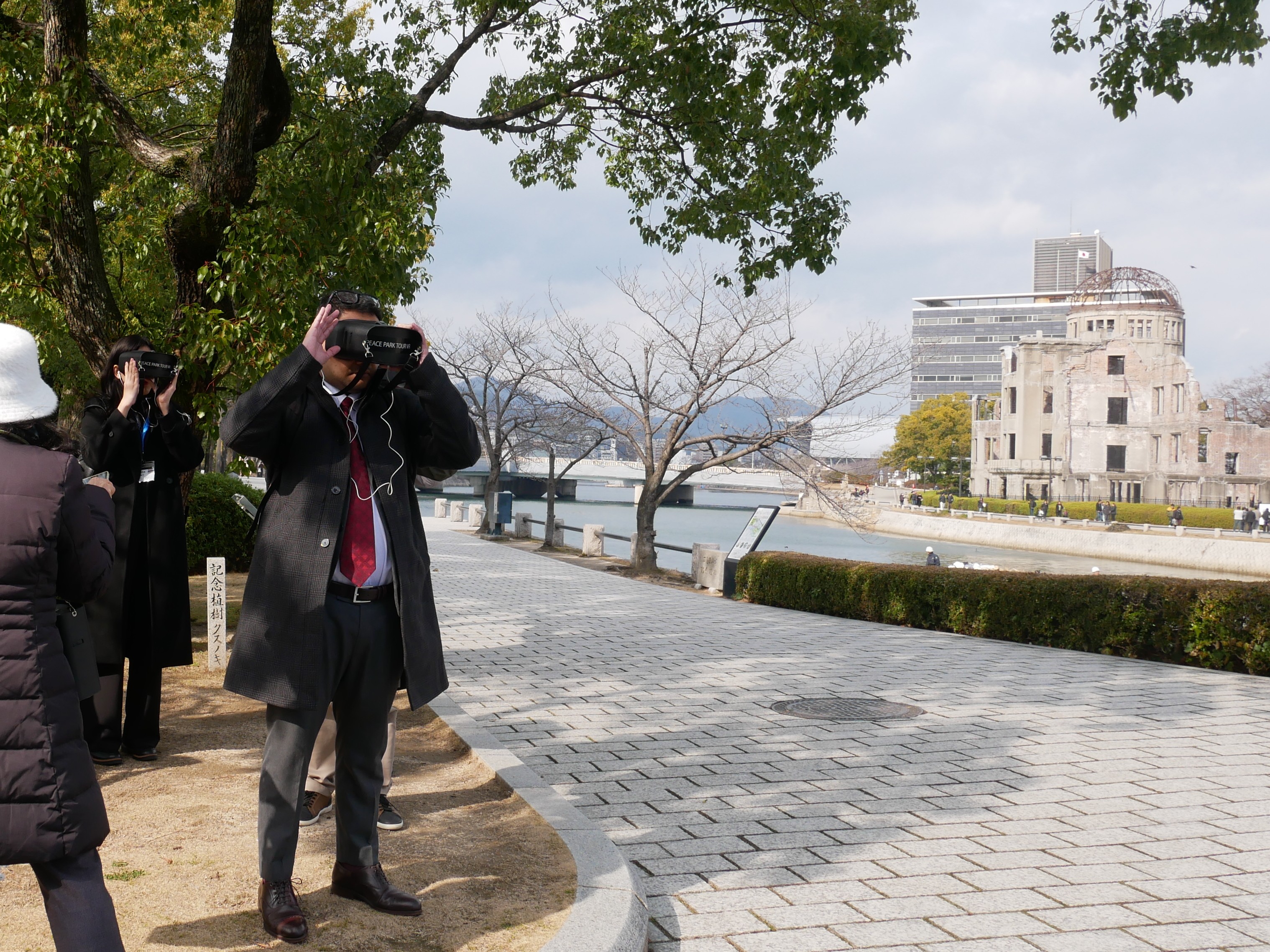
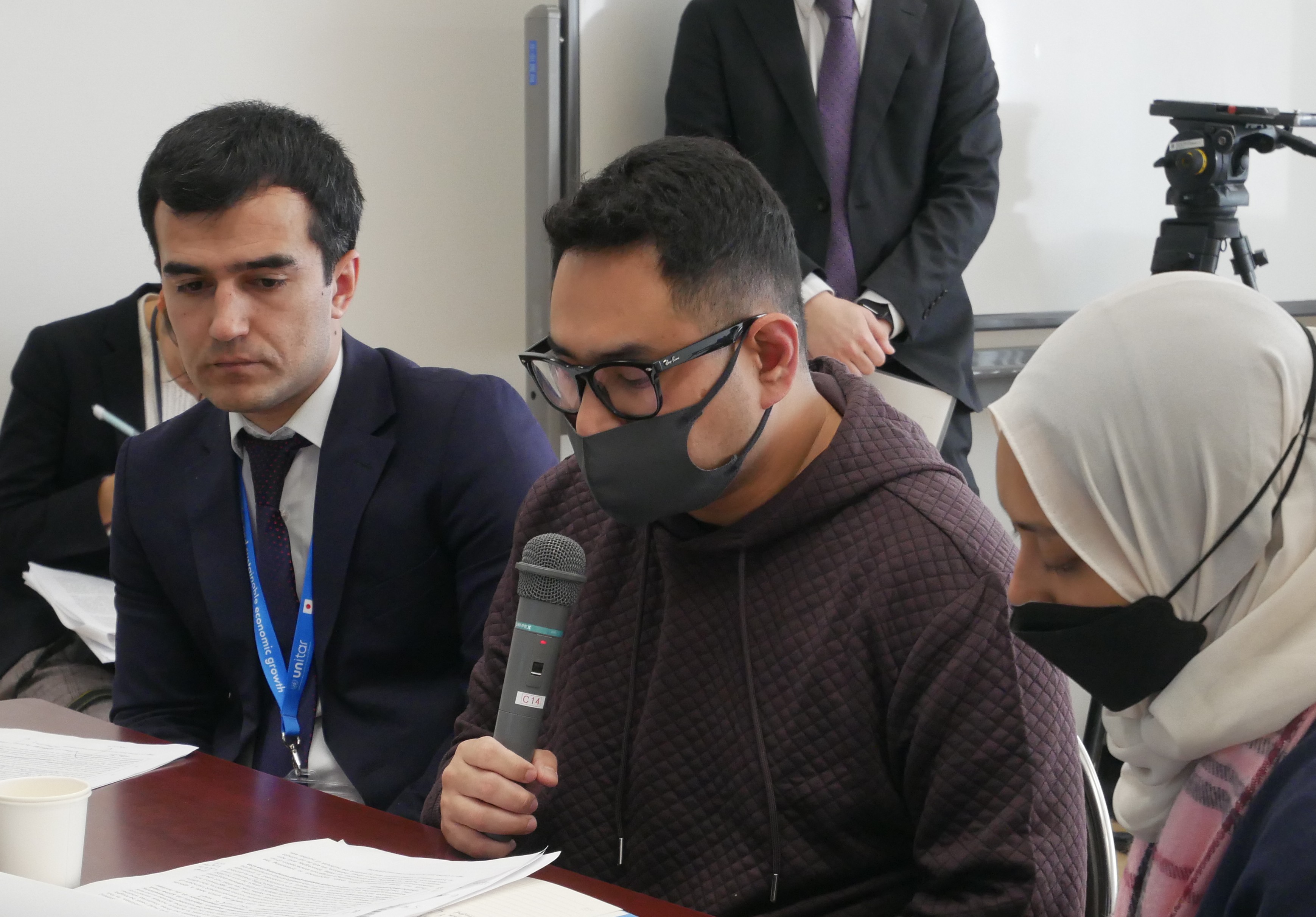
Fifteen diplomats from 14 Asia-Pacific countries gathered in Hiroshima to deepen their understanding of the current nuclear disarmament field and enhance their negotiation skills. Over six days, the participants met with survivors (hibakusha), the local and prefectural governments of Hiroshima, visited the Hiroshima Peace Memorial Park and Peace Museum, joined lectures with experts, and engaged in a geopolitical simulation exercise.
Paolo says learning in Hiroshima was a powerful experience. He describes the city as “an authority on the evils of nuclear weapons”, a living reminder of the weapons’ destructive impact. The conversations helped him understand the unique perspective of the people of Hiroshima.
Paolo believes there is still much to do to educate people – especially young people – about the human impact of atomic bombs. In the Philippines, he says, many may only associate nuclear weapons with large explosions or radiation without understanding the long-term suffering they cause. Sharing Hiroshima’s pain and perspectives can help people grasp this reality.
We normally don’t think of … the human part of the use of nuclear weapons. We only think about how it affects a country in general but not necessarily the people living in cities devastated by nuclear weapons.
He appreciates how the UNITAR training updated experienced diplomats while introducing newcomers to the field’s complexities. Paolo hopes to use his new understanding – especially of the different countries’ points of view – to negotiate for his country’s stance on non-proliferation and disarmament.
UNITAR
UNITAR
Making the World a Safer and Better Place
Paolo comes from a family of civil servants and was inspired early on by his father, who encouraged him to pursue a foreign-service career. Drawn to the dynamic and intellectually engaging nature of diplomacy, he finds immense satisfaction in engaging in high-level international dialogue on nuclear disarmament and non-proliferation. Paolo cites being on the Philippine delegation that negotiated the text of the TPNW as an honour and a career highlight.
To diplomats aspiring to work in this highly technical yet deeply human field, Paolo sends the following message:
It will be a long and arduous journey, but taking the first step is commendable, because in multilateral affairs, it is not just promoting your national interest but also making the world a much safer place for future generations.
Paolo hopes to contribute meaningfully, whether through negotiations on nuclear weapons or strengthening his ministry’s capacity, and help his country shape global dialogue. One day, when he looks back on his journey, he would like to remember how he was able to play a part – however small – in making the world a safer and better place.
UN Volunteer Buthaina R. Al Balushi contributed to this article.
About UNITAR
The United Nations Institute for Training and Research (UNITAR) is a dedicated training arm of the United Nations. In 2024, UNITAR trained approximately 550,000 learners around the world to support their actions for a better future. UNITAR has a global presence, with offices in Geneva, Hiroshima, New York and Bonn and networks around the world. Find out more at unitar.org