

17 February 2026, Geneva, Switzerland – In line with the UN Decade of Sustainable Transport (2026-2035), UNITAR’s Airports Global Training Programme aims to support governments and institutions in strengthen transport systems through effective training, innovation, and cross-sectoral partnerships.
With passenger numbers projected to double by 2040 and only 42% of the world's 150 busiest airports currently aligned with Sustainable Development Goals, the report underscores the urgency of embedding smart technologies, disaster resilience, social inclusion, and environmental sustainability into airport systems globally.
Structured around four interconnected training pillars: Smart, Resilient, Inclusive, and Sustainable airports - the Airports Global Training Programme is delivered in partnership with the Georgia Institute of Technology’s Enterprise Innovation Institute, Hartsfield-Jackson Atlanta International Airport and specialized CIFAL centres in Atlanta, Mérida, Miami, and York that serve as regional hubs for implementation.
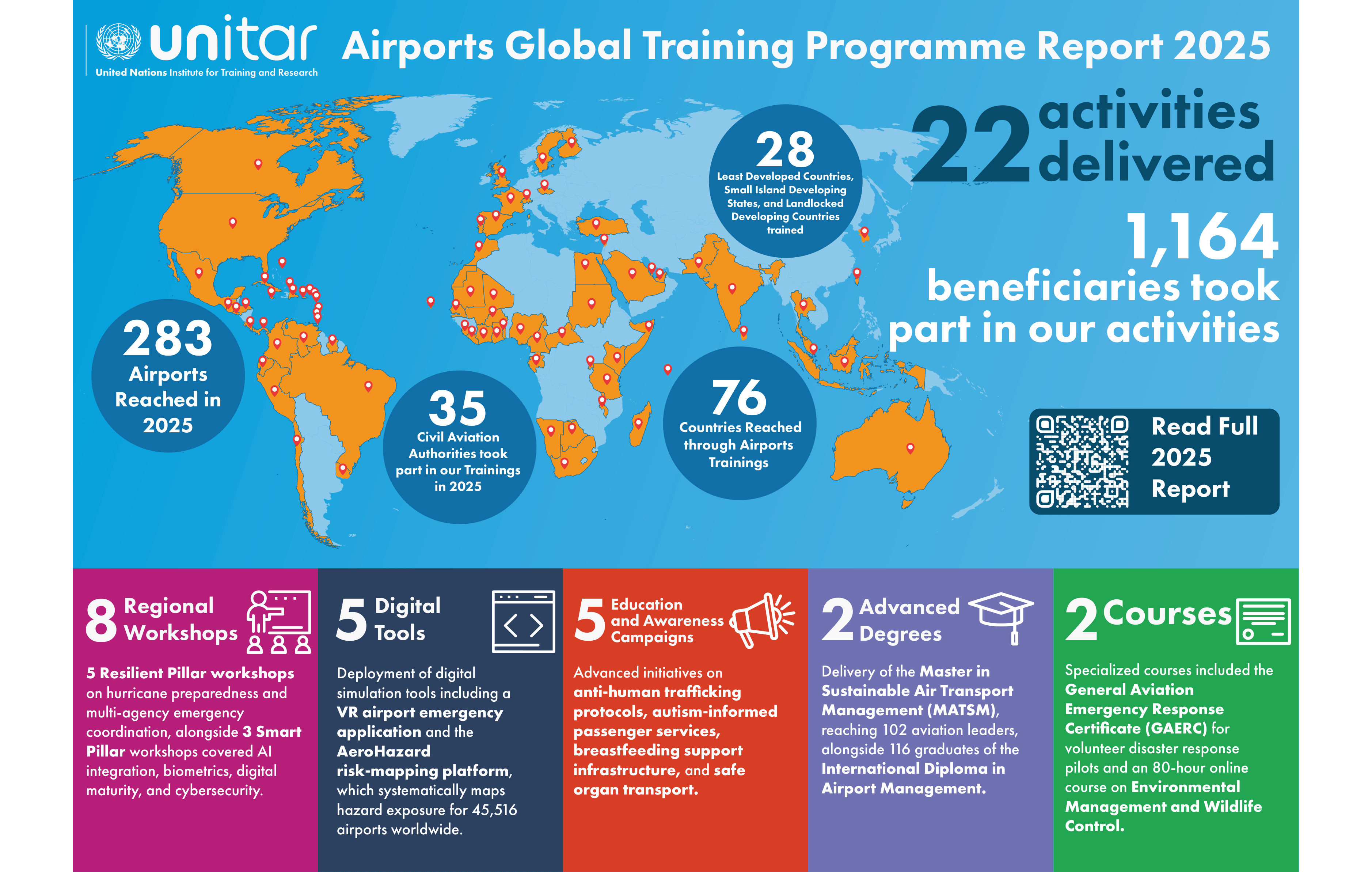
Through 22 activities delivered between January and November 2025, the programme reached 1,164 beneficiaries from 76 countries, supporting 35 Civil Aviation Authorities and strengthening capacity across 283 airports. Twenty-eight Least Developed Countries, Small Island Developing States, and Landlocked Developing Countries were represented, reflecting the Programme's commitment to closing capacity gaps where they are most acute.
Activities included:
- Eight regional workshops
- Two advanced degree programmes
- Five education and awareness campaigns, and
- A suite of five digital training tools
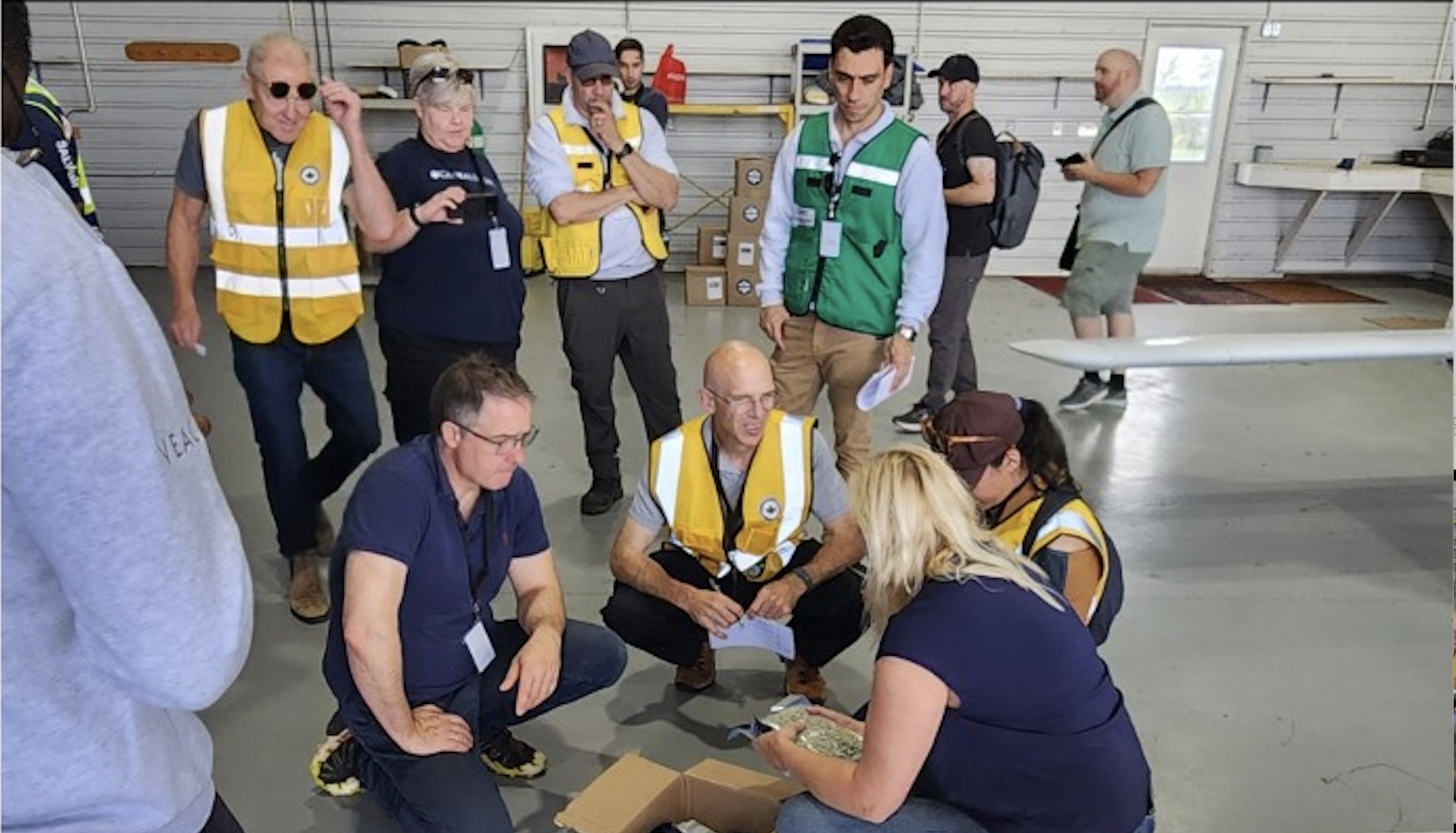
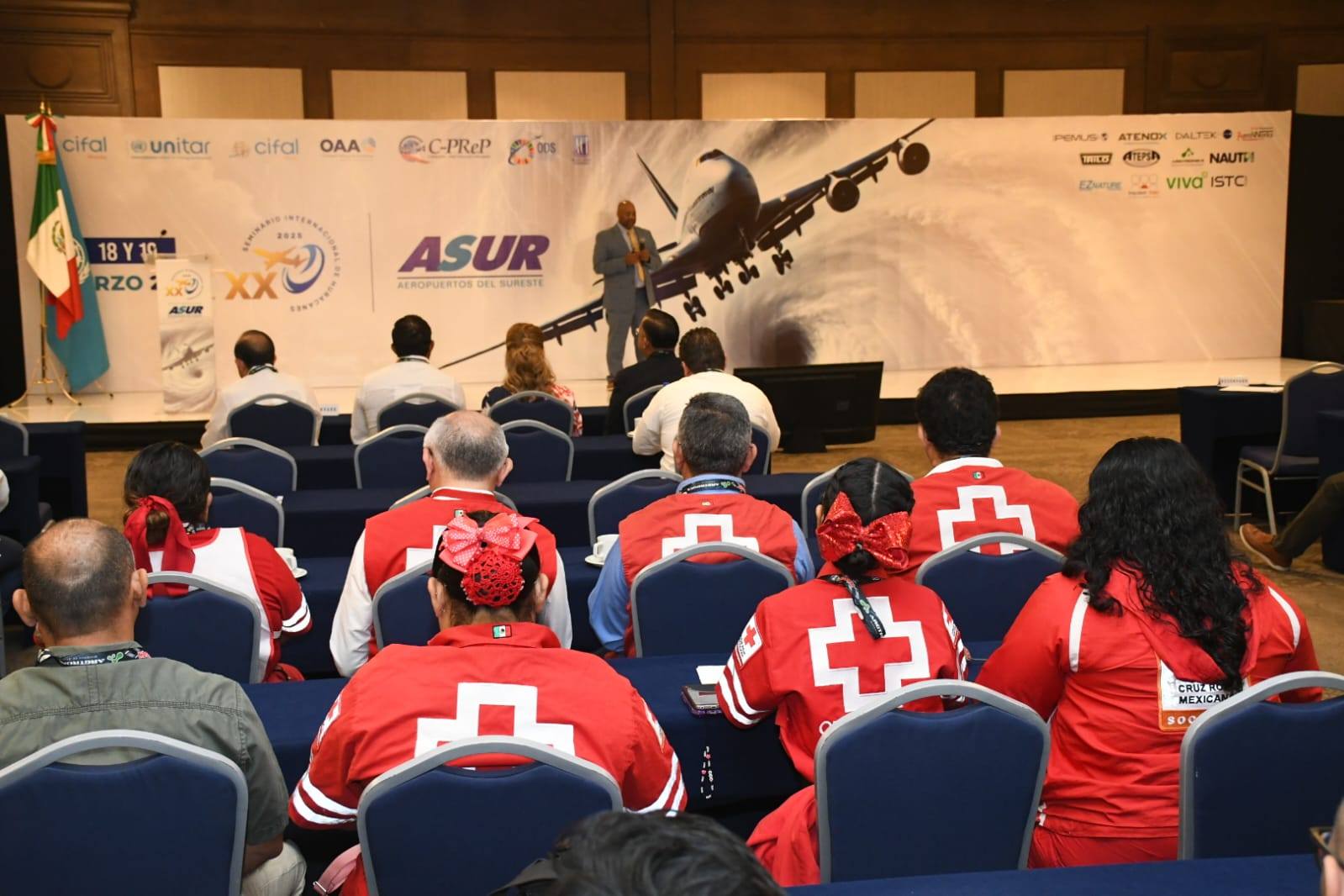
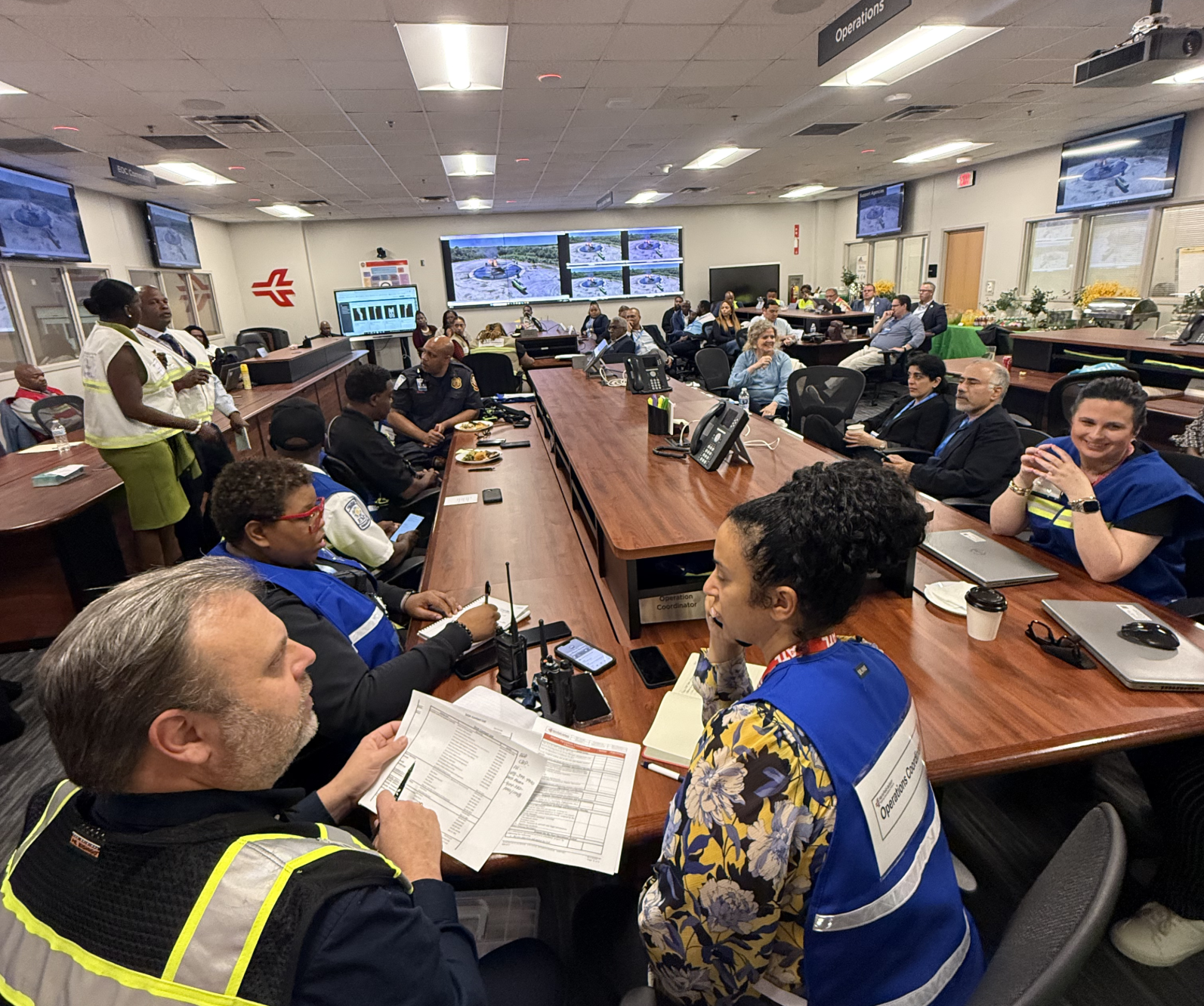
The 2025 results report details how the programme has operationalized its training pillars through concrete interventions:
- Workshop locations spanned San Salvador, Rabat, Atlanta, Santo Domingo, Mérida, Stratford, Miami, and Singapore, covering topics ranging from artificial intelligence and cybersecurity to hurricane preparedness, disability-inclusive emergency planning, and organ transport logistics.
- Under the Smart pillar, workshops in El Salvador, Morocco, and Singapore brought together airport professionals to address AI integration, biometric systems, digital maturity assessment, and cybersecurity readiness.
- The Resilient pillar accounted for the largest share of activities, with exercises and seminars addressing hurricane preparedness, multi-agency emergency coordination, and the deployment of digital simulation tools,on including a VR airport emergency application and the AeroHazard risk-mapping platform, which systematically maps hazard exposure for 45,516 airports worldwide.
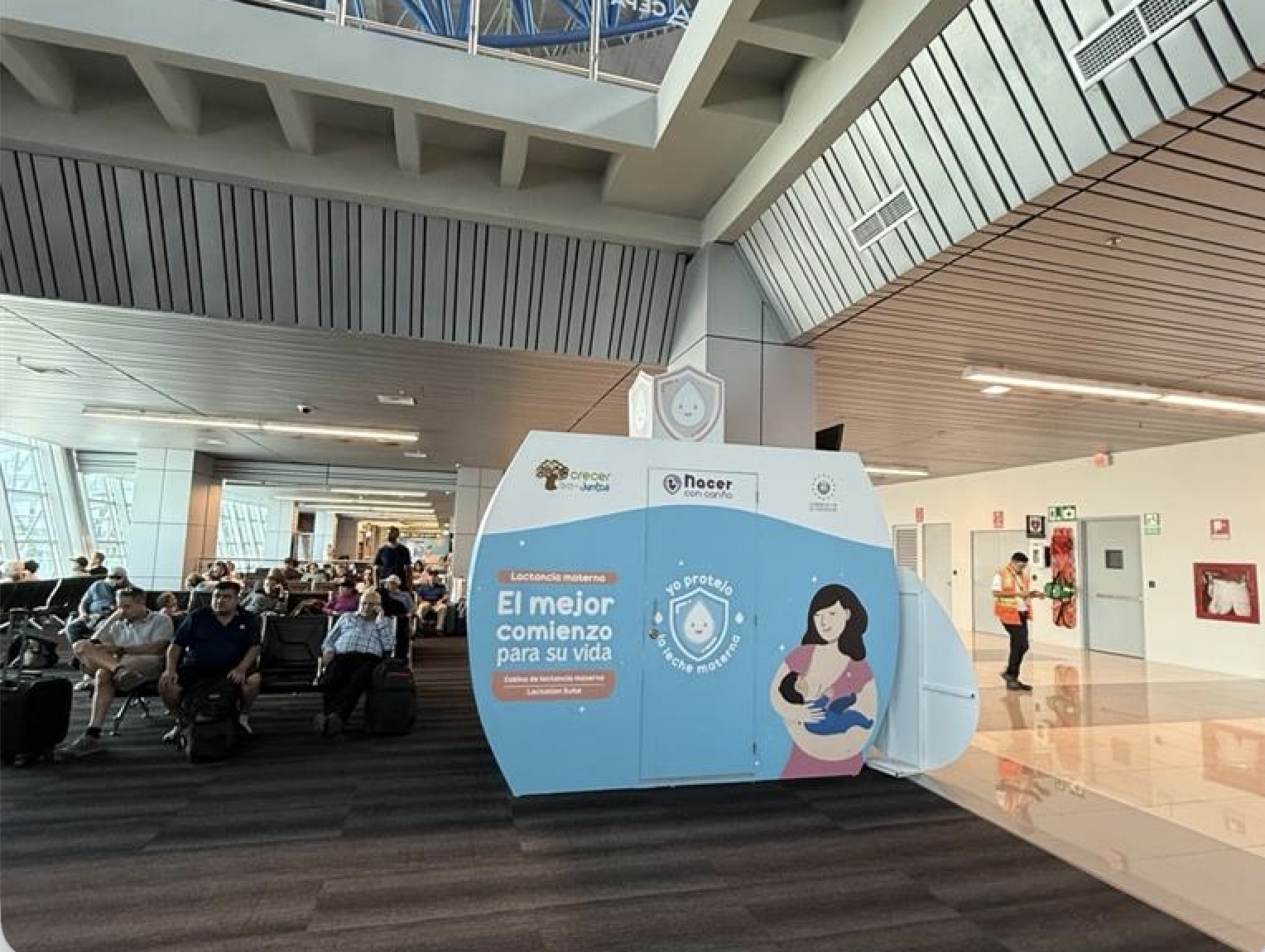
- The Inclusive pillar advanced initiatives on anti-human trafficking protocols, autism-informed passenger services, breastfeeding support infrastructure, and safe organ transport.
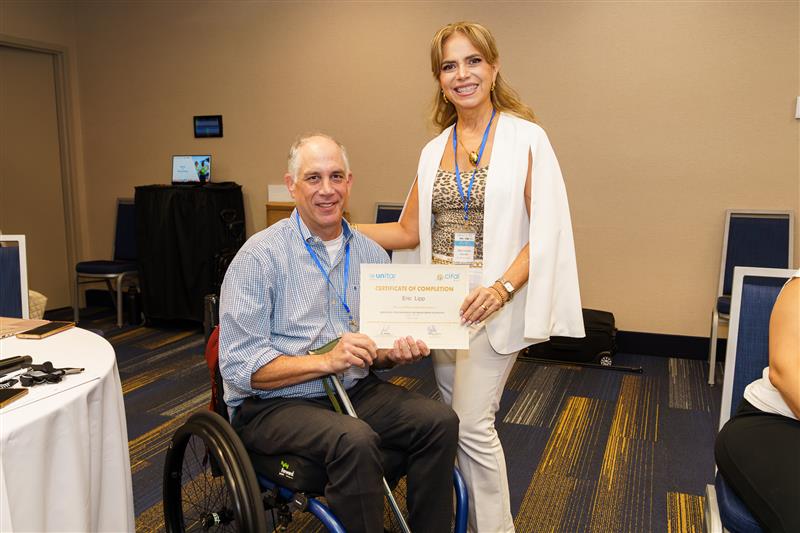
- The Sustainable pillar continued delivery of the Master in Sustainable Air Transport Management (MATSM), reaching 102 aviation leaders, alongside 116 graduates of the International Diploma in Airport Management.

For more information on the programme, contact airports@unitar.org.