

Displaying 61 - 70 of 243
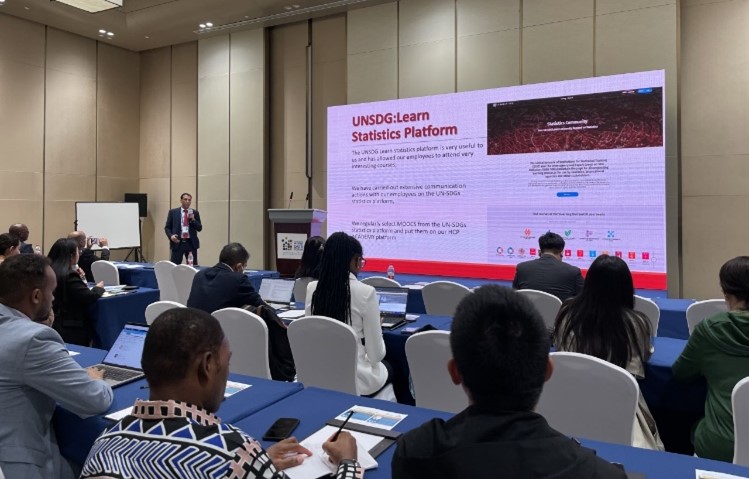
26 April 2023, Hangzhou, China. Tremendous amounts of data generated every day represent significant opportunities for National Statistical Systems (NSS) to improve the timeliness, granularity and quality of information about our societies. Yet, many NSOs, particularly in developing countries, struggle to ensure they have sufficient staff with relevant competencies to harness these opportunities or at times even to produce basic statistics. Building sustainable statistical programs at the national level can help strengthen the capacities of staff of the NSOs and NSS over short, medium and long-term to achieve their priorities. This is also crucial for ensuring consistency and effectiveness in human resource investments, and can draw on a mix of globally available e-learning and nationally tailored training solutions. Finding relevant e-learning, however, may not always be easy due to a multitude of providers.
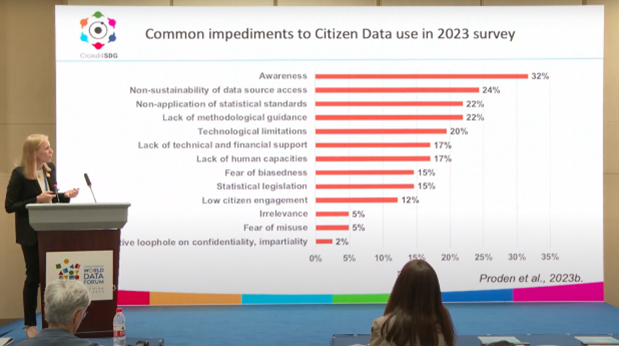
27 April 2023, Hangzhou, China - UNITAR’s 2021 and 2023 survey among the National Statistical Offices and Systems (NSOs and NSSs) and international organizations, conducted as part of the EC-Funded Crowd4SDG project, showed that 31% of respondents were aware of citizen science data (CSD) projects run by their NSOs in 2023 compared to only 17% in 2021. The awareness of citizen science (CSD) or citizen-generated data (CGD) is growing, and so are the questions on how such data could be collected and used for the monitoring of progress on sustainable development. To shed some light and shine a spotlight on the use of CSD, on 27 April 2023, UNITAR organized a learning session “The Five “Ws” of citizen science or citizen-generated data” during the 2023 World Data Forum (2023 WDF) in Hangzhou, China. The session focused on rigorous studies and findings of the Crowd4SDG project that explored the potential of such data for monitoring the Sustainable Development Goals (SDGs), more closely on the impacts of climate change (SDG 13) and in relation to SDG 11, 5, and 16 in its three years’ run.
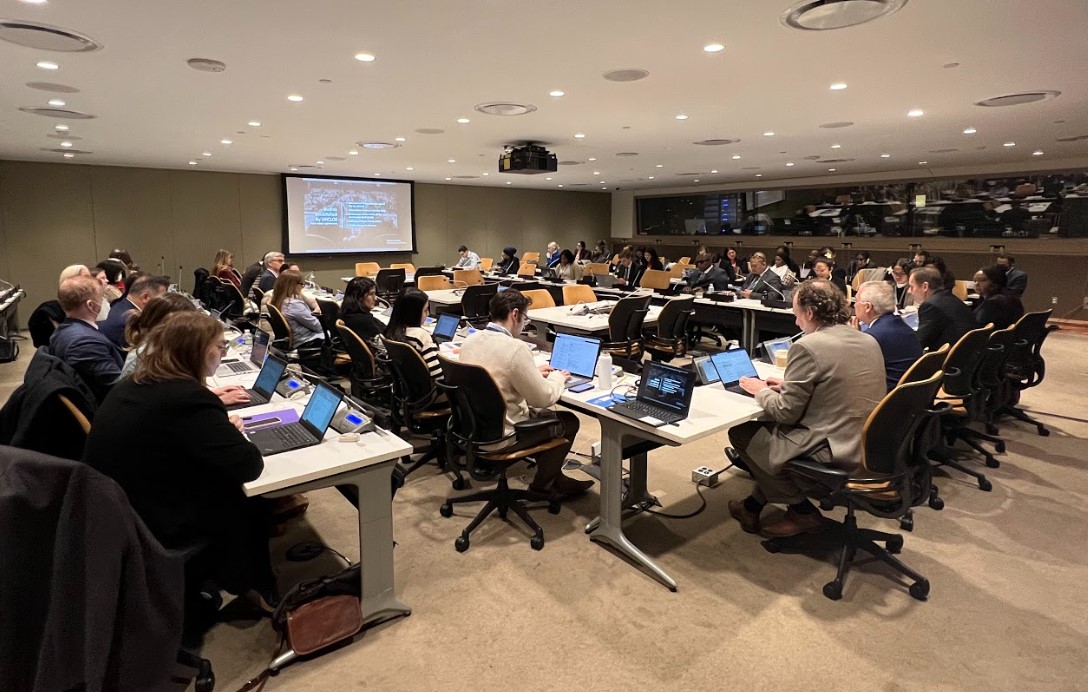
21 March 2023, New York, USA - UNITAR Office in New York and the Office of Legal Affairs of the United Nations Division for Ocean Affairs and the Law of the Sea (UN DOALOS) held the Briefing for Delegates on Oceans and the Law of the Sea on Tuesday, 21st March 2023 at Conference Room 11 of the United Nations Headquarters.
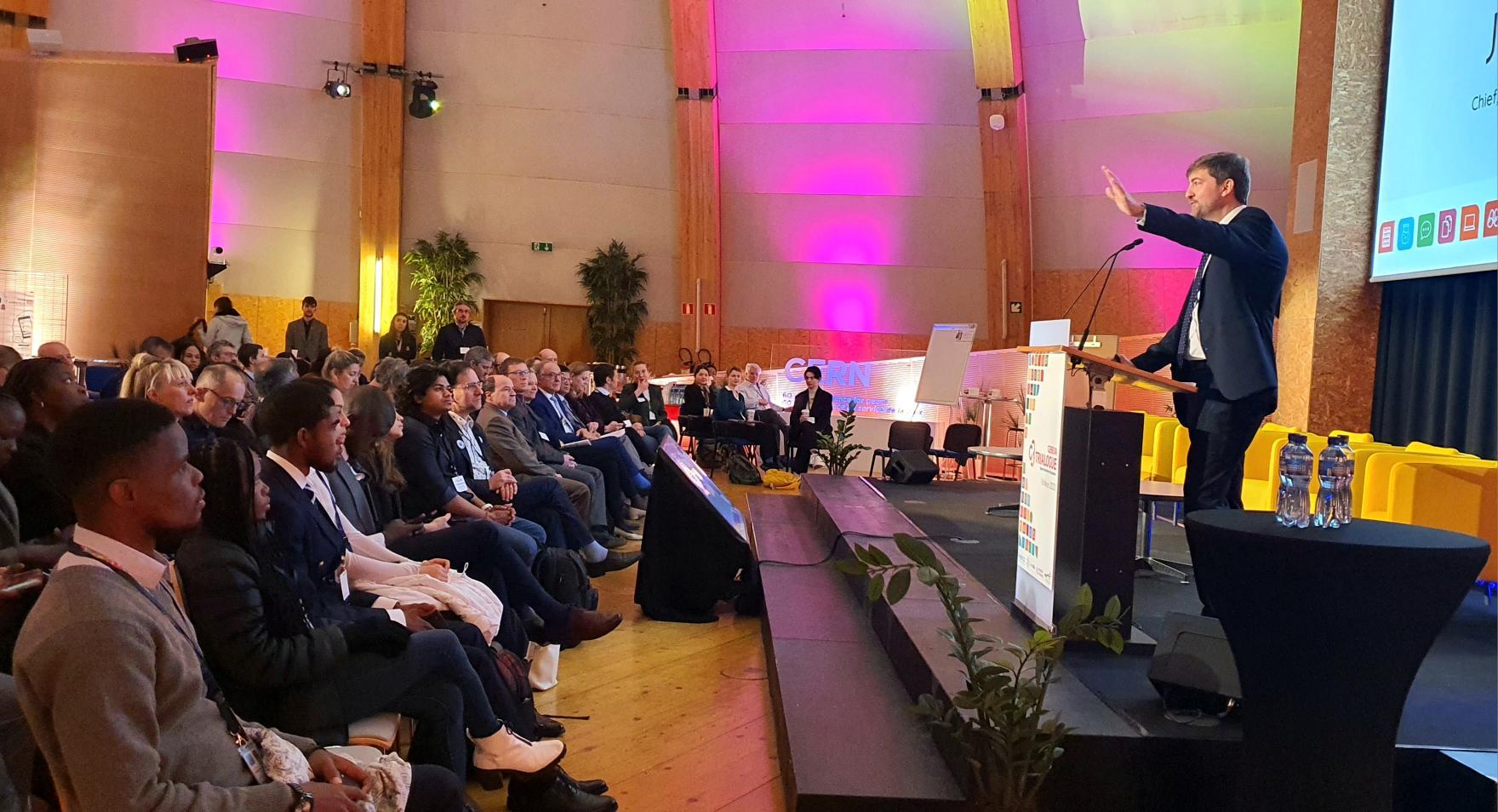
16 March 2023, Geneva, Switzerland - On 16 March 2023, UNITAR, the University of Geneva, Open Geneva and Crowd4SDG hosted the fifth edition of the Geneva Trialogue at the Globe of Science and Innovation, under the theme of Open Innovation for Education, launching the 2023 Open Geneva Festival.

Module 4 "Measuring the state of the oceans" of the UNEP-UNSIAP-UNITAR Massive Open Online Course is offered as a stand-alone module with a certificate of completion. The module explains the importance of measuring the state of oceans and describes various challenges that countries and the international community are facing in monitoring the state of oceans overall. It also discusses international plans for sustainable development that cover oceans and incorporate specific action plans in monitoring their state. It provides an overview of SDG 14 with detailed methodologies for calculating four indicators that are under UNEP custodianship, namely SDG indicator 14.1.1a, SDG indicator 14.1.1b, SDG indicator 14.2.1, and SDG Indicator 14.5.1. Additionally, the module briefly describes two non-UNEP indicators that are related to oceans – SDG indicator 14.3.1 and 14.4.1.
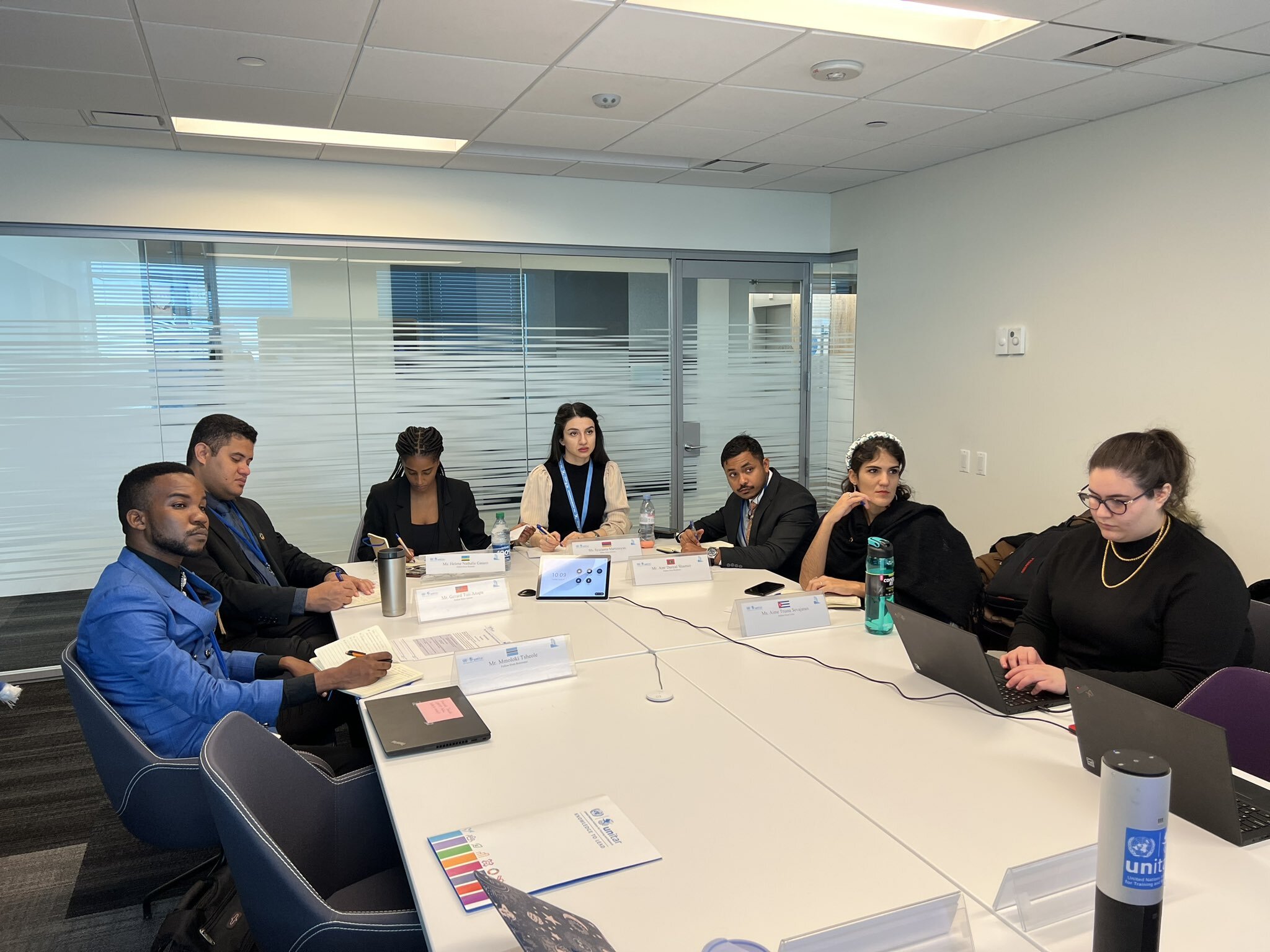
30 January – 3 February 2023, New York, USA — The UNITAR office in New York has successfully concluded the second week of training for the PGA Fellowship. The training took place at the United Nations Secretariat building with two sessions per day, totaling 20 sessions within two weeks. Each session was led by high-level United Nations officials and experts, handpicked by UNITAR NYO for their expertise on each specific subject area.
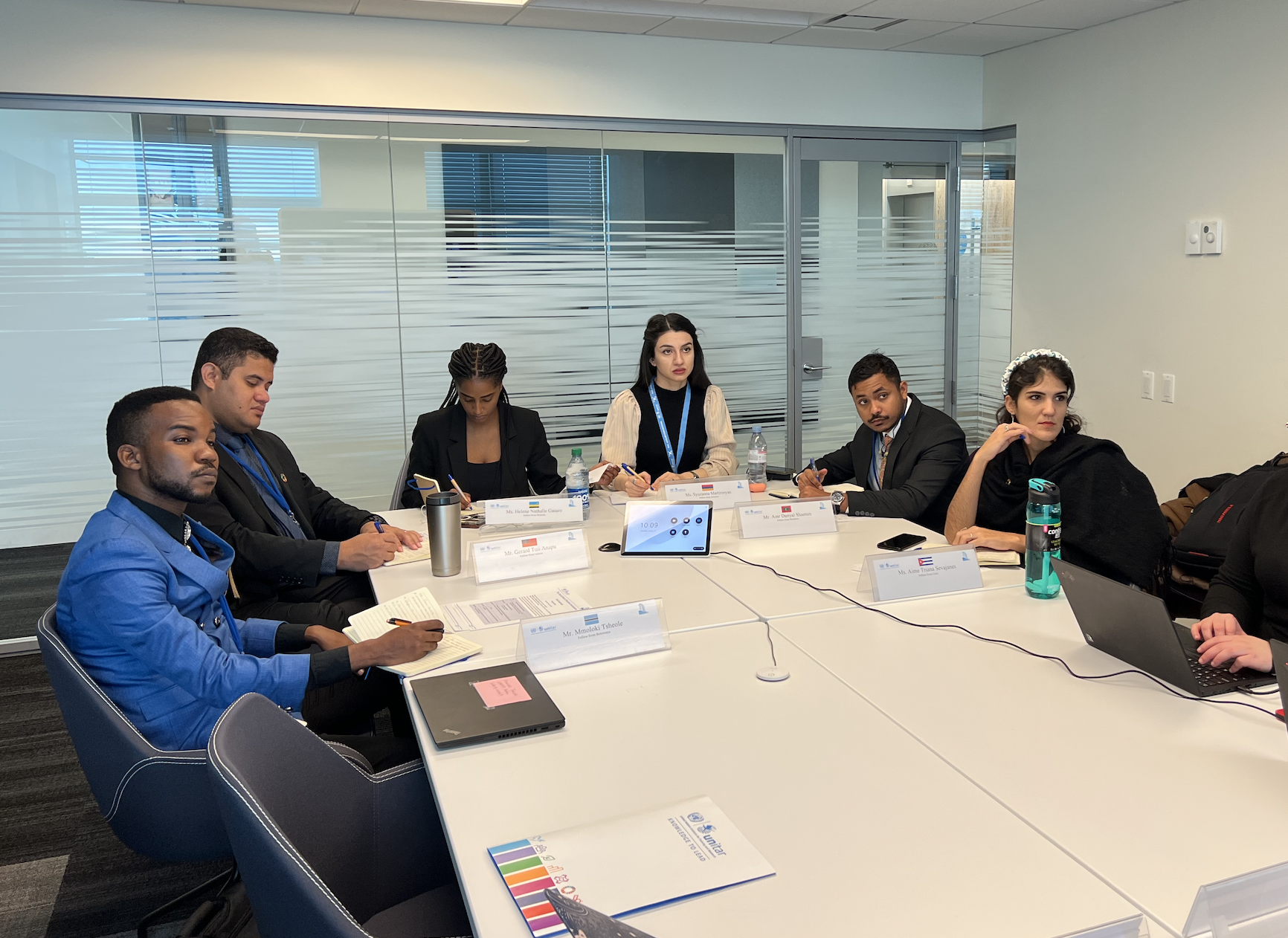
23-25 January 2023, New York, USA - The series of training for the 2023 PGA Fellowship Programme started Monday, 23 January, with an Introduction to the Security Council and Principal Organs led by Dr Angel Angelov, Consul General to Bulgaria and Former Deputy Permanent Representative of Bulgaria to the United Nations. To open the training sessions, Head of UNITAR Office in New York, Mr. Marco Suazo gave opening remarks to the fellows and introduced Dr Angelov before the session started.
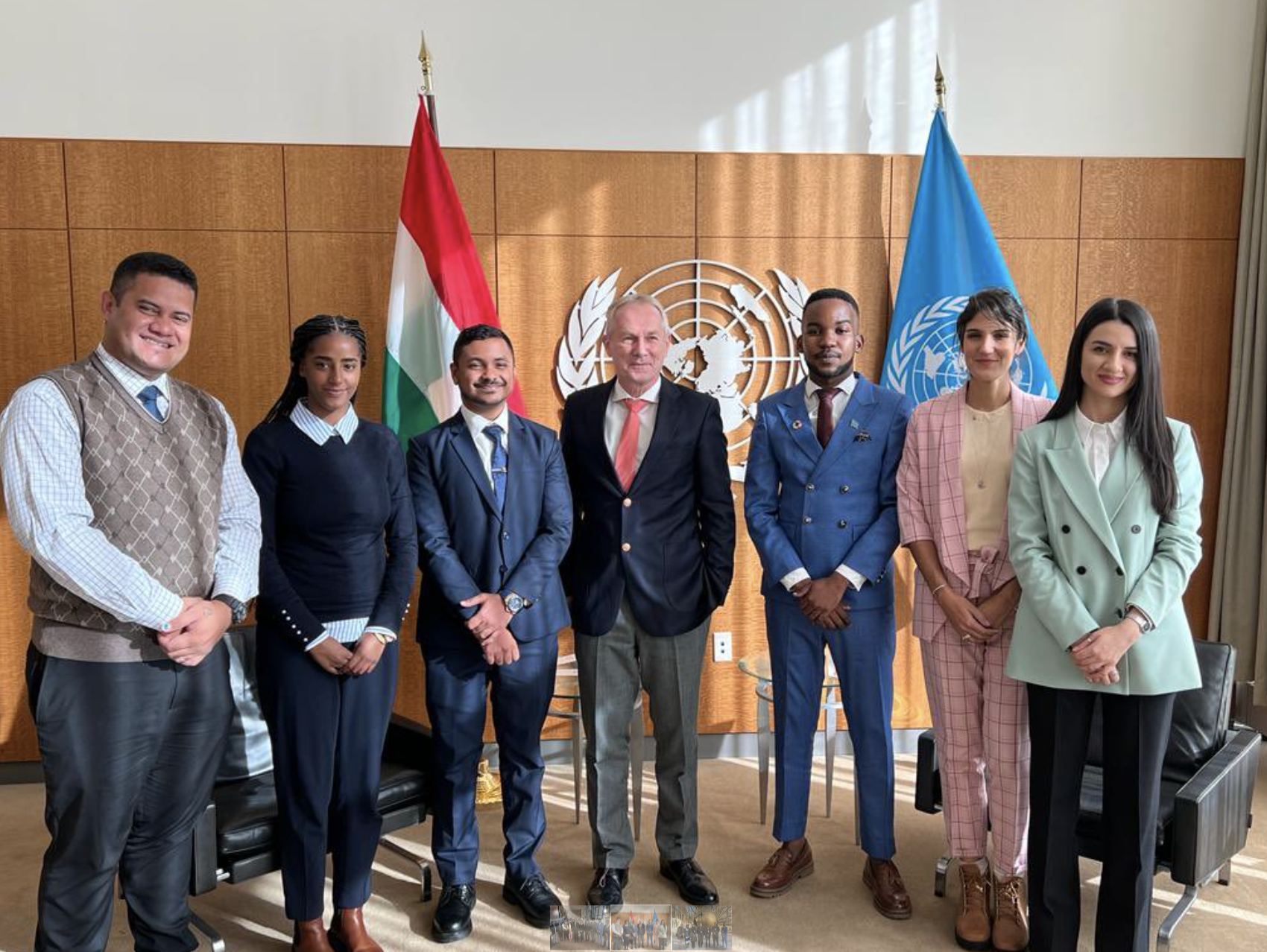
17 January 2023, New York, USA – UNITAR office in New York kickstarts the 2023 PGA Fellowship Programme with a meeting between H.E. Mr Csaba Kőrösi, President of the 77th United Nations General Assembly, and this year’s fellows, who recently arrived in New York City to participate in this once-in-a-lifetime experience with the United Nations.
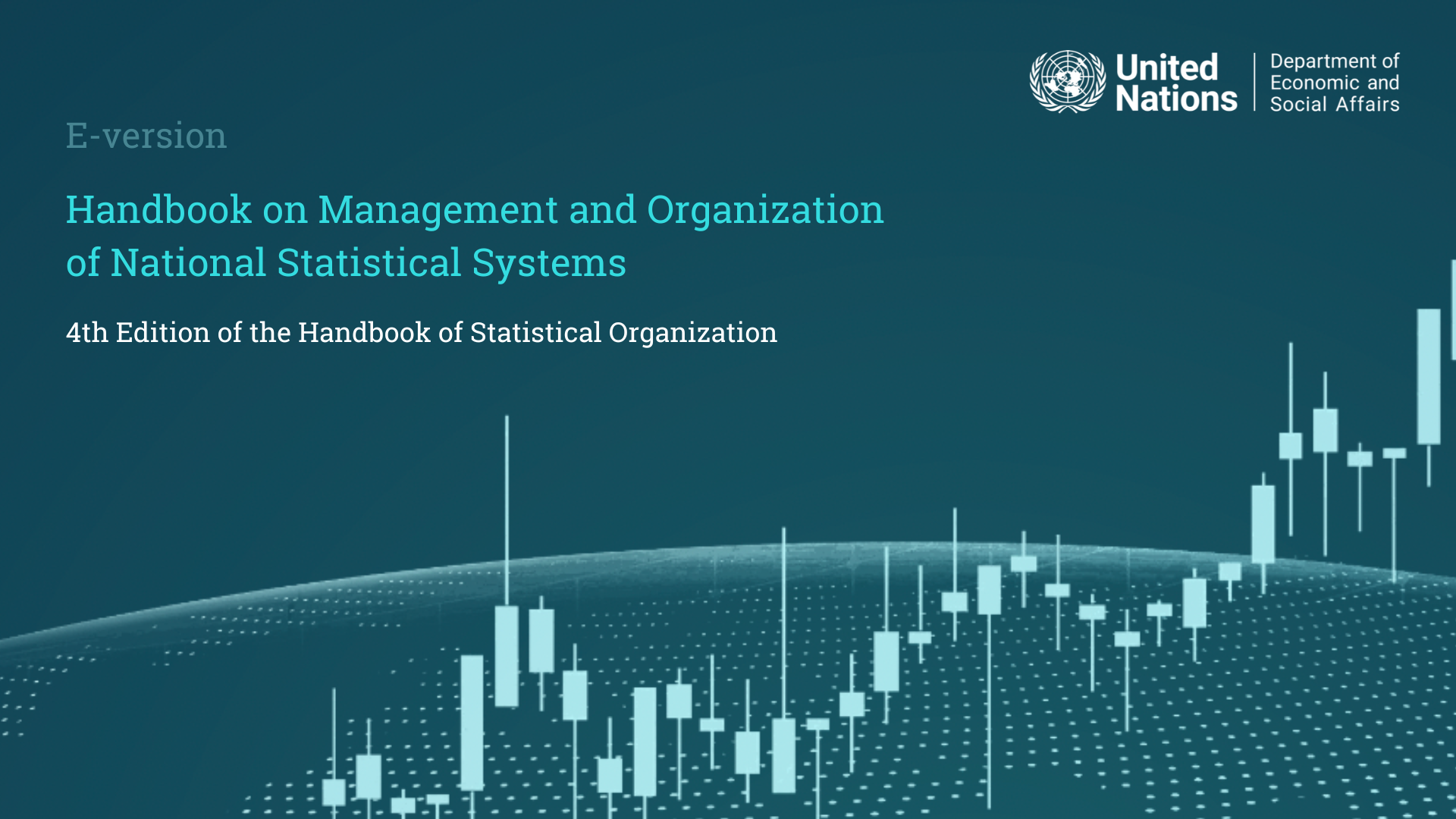
Over the past months, UNITAR has been supporting UN Statistics Division (UNSD) in developing an e-version of the Handbook on Management and Organization of National Statistical Systems. It is launched now and available on UNSD's website.
UN SDG:Learn is featuring a new tool “Changemaker Scan” developed by Ubiquity University. It is a self-appraisal for you to build your changemaker profile in 8 SDG cross-cutting competencies defined by UNESCO! Go to your dashboard to try it now or register on the platform here: www.unsdglearn.org/register