

UNITAR
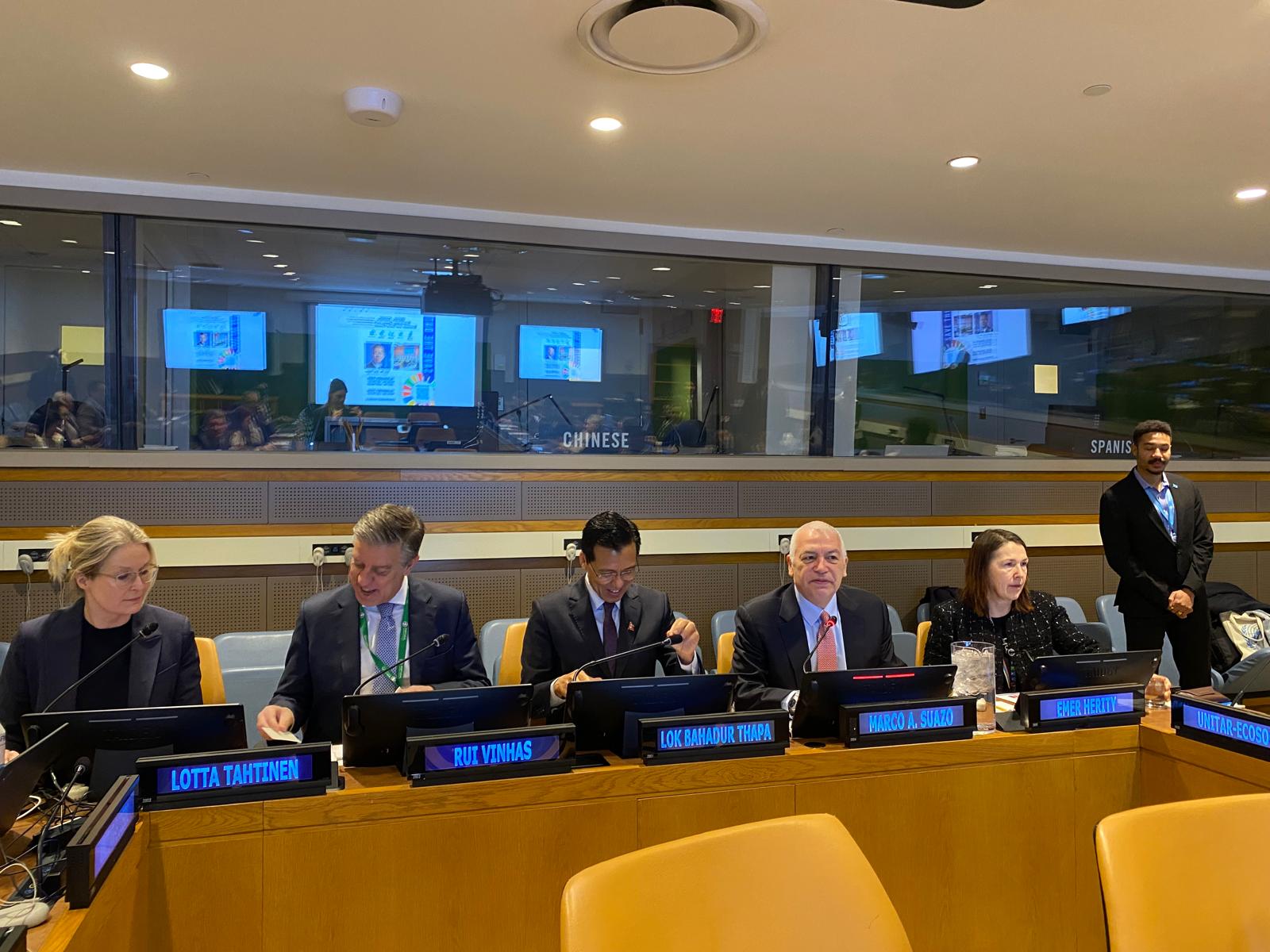
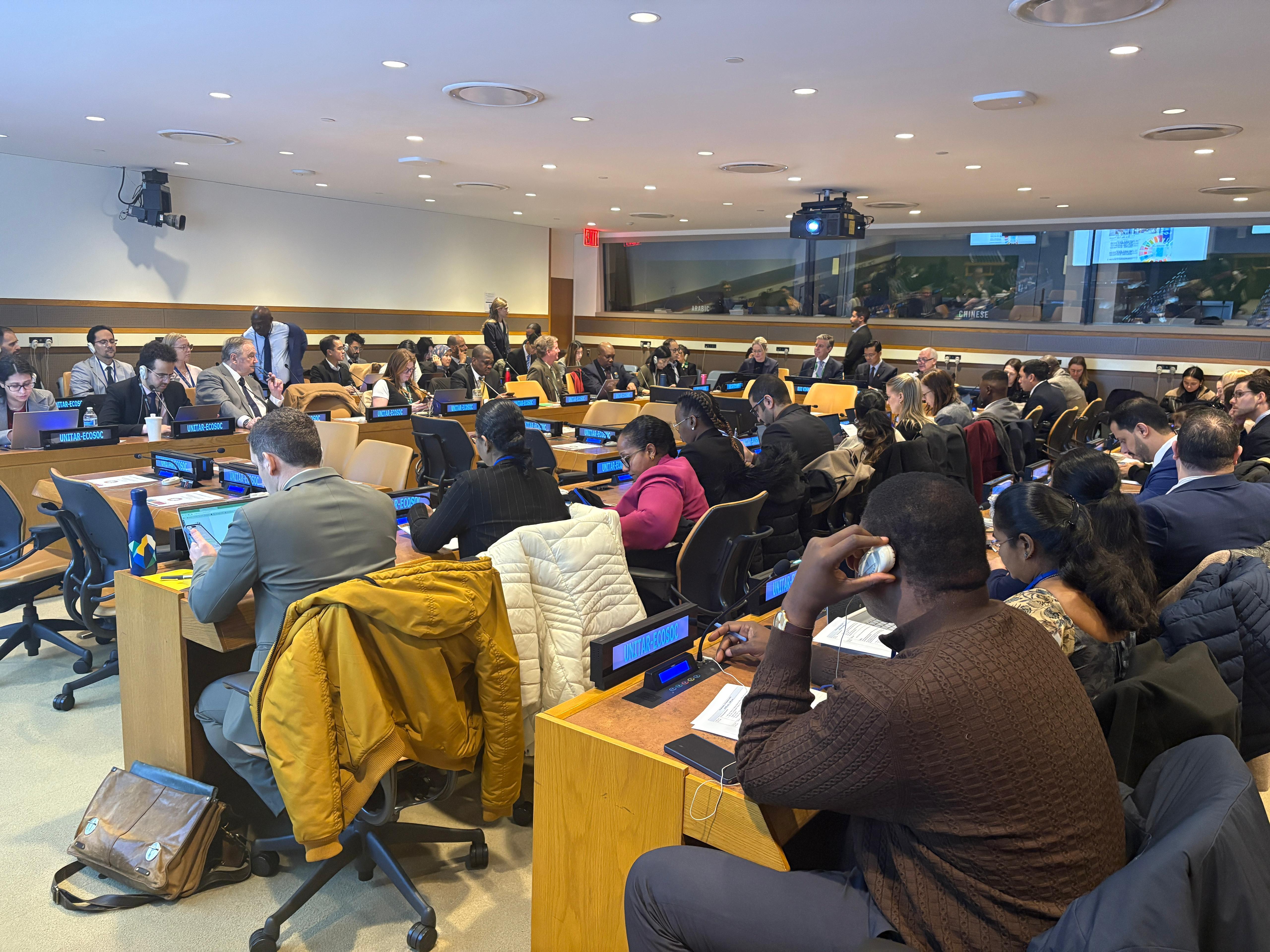
19 January 2026, New York, USA — On 14 and 15 January 2026, the United Nations Institute for Training and Research (UNITAR) Office in New York, in partnership with the Permanent Mission of Portugal to the United Nations and the UN Department of Economic and Social Affairs (DESA), convened the Orientation Course on the Work of the Economic and Social Council (ECOSOC) at United Nations Headquarters, as part of activities marking ECOSOC’s 80th anniversary. The two-day course brought together delegates from Member States to strengthen their understanding of ECOSOC’s mandate, working methods, and priorities for the 2026 session.
UNITAR
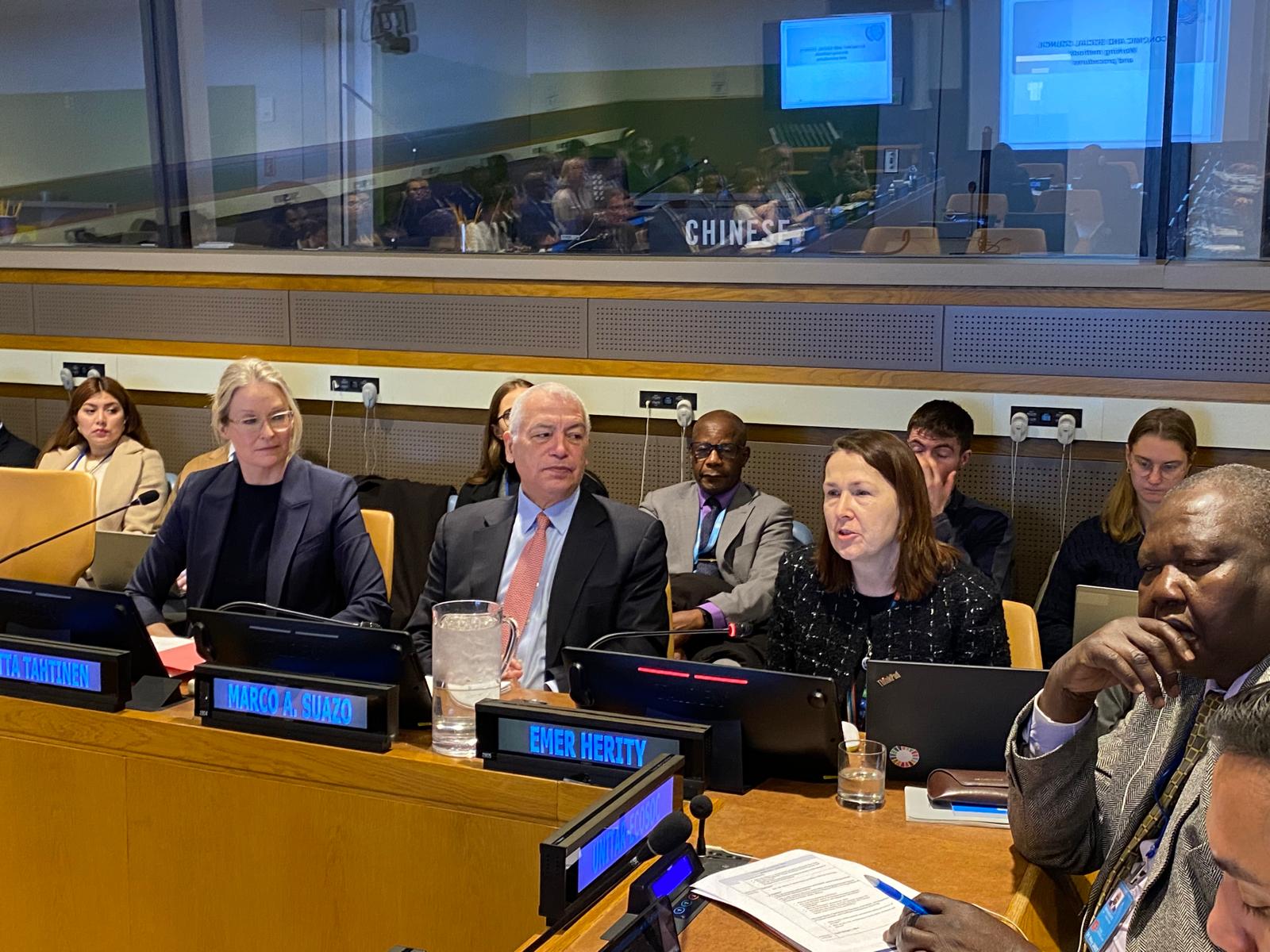
The course opened with welcoming remarks from Mr. Marco A. Suazo, Head of UNITAR office in New York, H.E. Mr. Lok Bahadur Thapa, President of ECOSOC and Permanent Representative of Nepal to the United Nations; and H.E. Mr. Rui Vinhas, Permanent Representative of Portugal to the United Nations. The speakers underscored ECOSOC’s central role in advancing the 2030 Agenda for Sustainable Development and highlighted the importance of informed and effective Member State engagement across the Council’s segments and forums.
Sessions on the first day focused on ECOSOC’s role, institutional architecture, and decision-making procedures. Senior officials from DESA and the Department for General Assembly and Conference Management (DGACM), including Ms. Lotta Tahtinen, Director of the Office of Intergovernmental Support and Coordination for Sustainable Development (OISC/DESA), and Ms. Emer Herity, Secretary of ECOSOC, provided substantive briefings on the Council’s mandates, priorities for 2026, and follow-up to major UN conferences and summits, including the Fourth International Conference on Financing for Development (FFD4).
UNITAR
Participants also received in-depth briefings on key ECOSOC segments and forums scheduled for 2026, including the High-level Political Forum on Sustainable Development (HLPF), the Partnership Forum, the Coordination Segment, the Youth Forum, and the commemoration of ECOSOC’s 80th anniversary. Additional sessions examined ECOSOC’s role in financing for development, science, technology and innovation, humanitarian affairs, regional cooperation, and the peace–development nexus, highlighting outcomes such as the Sevilla Commitment and the Council’s system-wide coordination role.
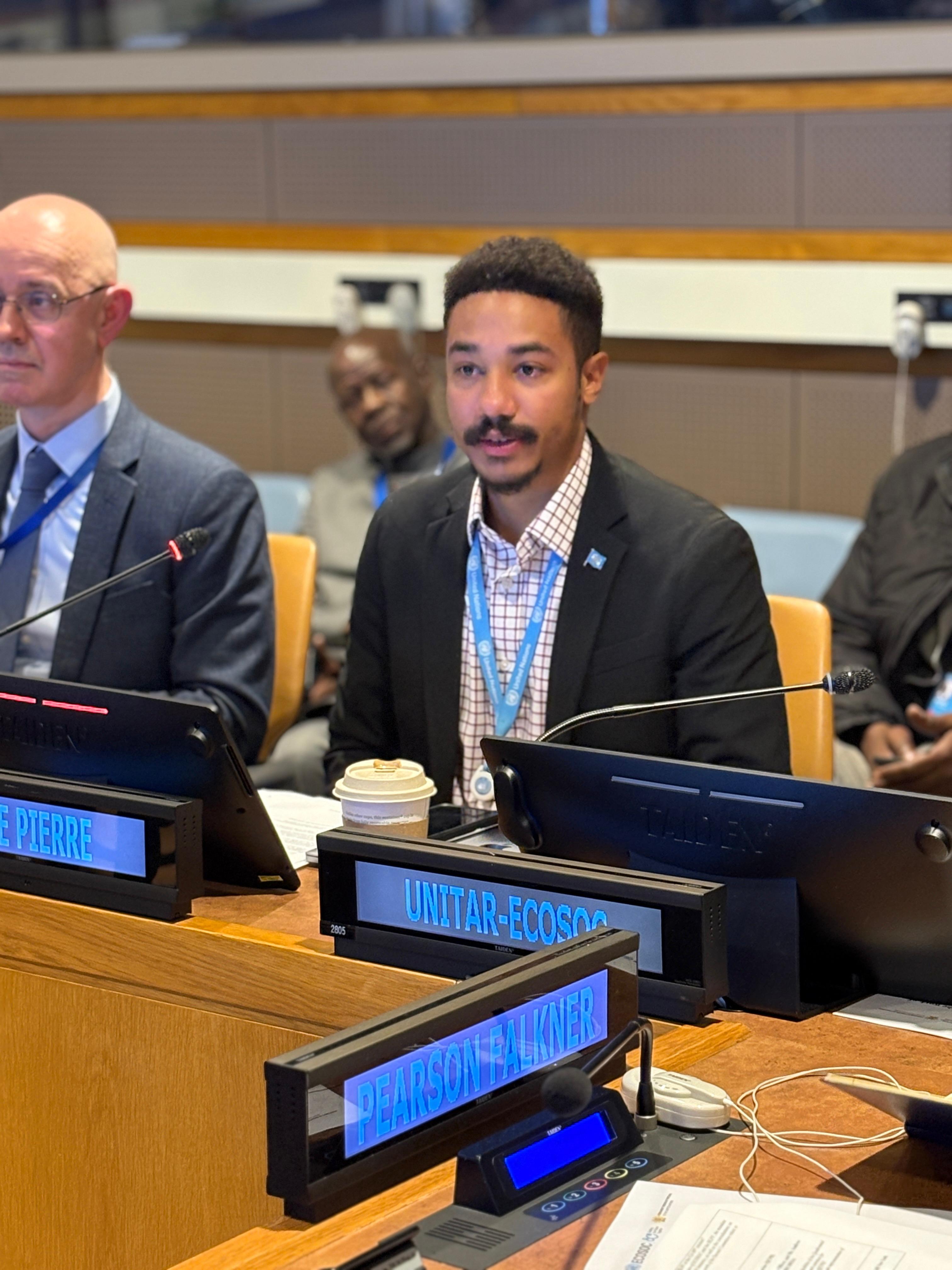
The second day addressed ECOSOC’s management and review functions, including the Management Segment, stakeholder participation, the General Assembly review of ECOSOC and the HLPF, and the Quadrennial Comprehensive Policy Review (QCPR). The course concluded with closing remarks by Nyle Pierre of UNITAR New York, on behalf of Mr. Suazo, reaffirming UNITAR’s commitment to supporting Member States through practical, policy-relevant training that enhances effective participation in ECOSOC’s work.