

UNITAR
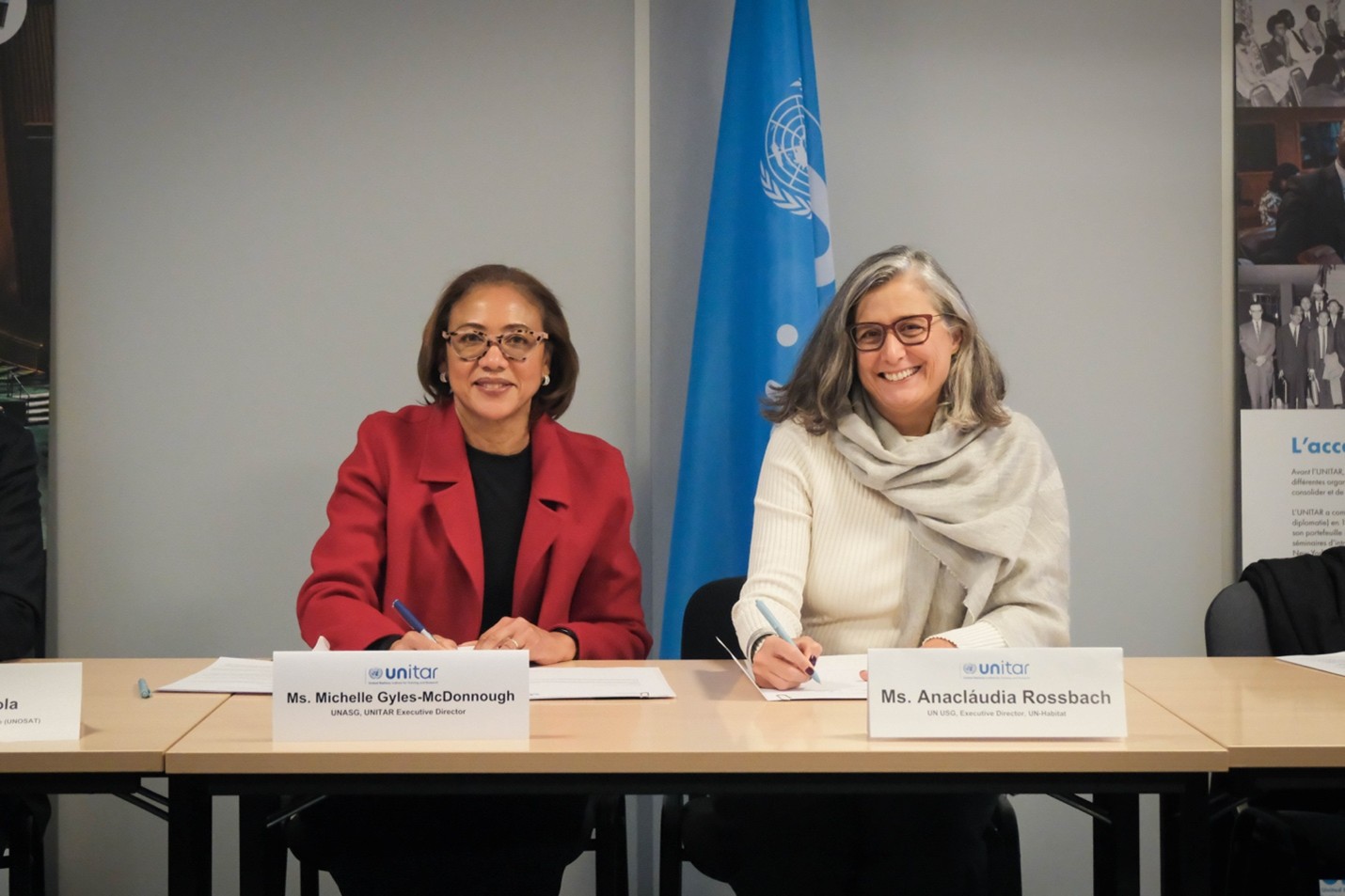
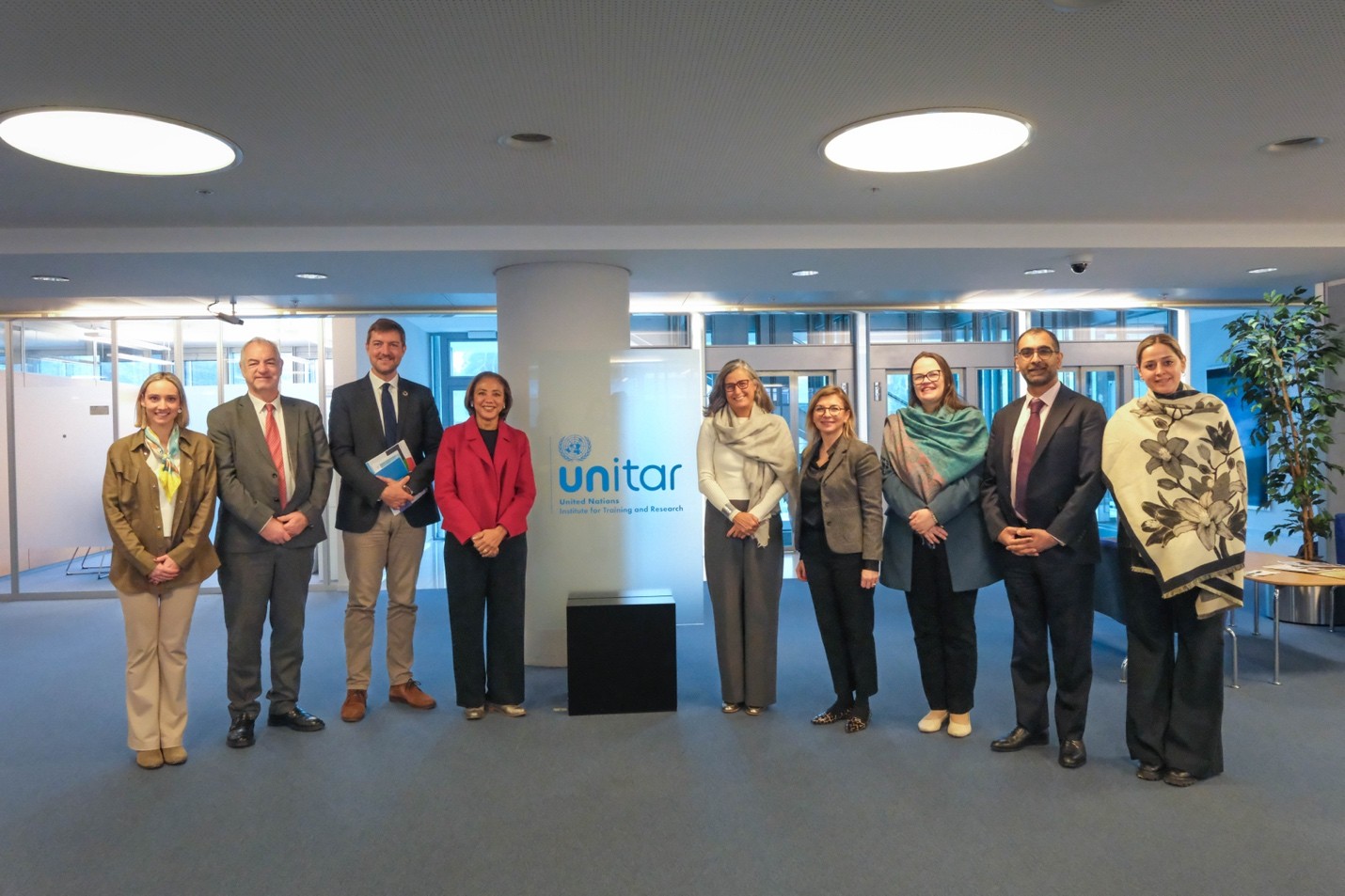
09 February 2026, Geneva, Switzerland - The United Nations Institute for Training and Research (UNITAR) and the United Nations Human Settlements Programme (UN-Habitat) have formalised a strategic partnership through a Memorandum of Understanding (MoU) signed on 16 January 2026 at UNITAR Headquarters in Geneva. The agreement was signed by Ms Michelle Gyles-McDonnough, Assistant Secretary-General and Executive Director of UNITAR, and Ms Anacláudia Rossbach, Under-Secretary-General and Executive Director of UN-Habitat.
The partnership directly addresses a stark implementation gap: while 1.1 billion people live in informal settlements and 2.8 billion face inadequate housing, local governments often lack the technical tools, data, and trained personnel to respond effectively. By combining UNITAR's training infrastructure, which reached 161,000 local officials through 32 training centres in 2025, with UN-Habitat's urban development frameworks, the agreement creates specific delivery mechanisms for upgrading slums, improving water services, and localizing the Sustainable Development Goals.
Strategic Alignment for Urban Impact
The MoU brings together UN-Habitat's normative leadership on sustainable urban development with UNITAR's system-wide training and learning expertise. This collaboration directly supports both organisations' strategic priorities and responds to the UN80 reform agenda, calling for greater system-wide coherence and joint delivery at the local level.
UN-Habitat's Strategic Plan for 2026–2029 introduces a focused approach on access to adequate housing, land, and basic services for all, with particular attention to the transformation of informal settlements and slums. Current projections show that without major intervention, urban poverty will continue to concentrate in informal settlements, where infrastructure deficits leave residents vulnerable to climate impacts, disease, and displacement.
UNITAR trained more than 550,000 beneficiaries in 2025, with nearly one-third reached through its CIFAL Global Network of affiliated training centres, positioning the institute to scale UN-Habitat's technical guidance into municipal practice.
Key Areas of Cooperation
Data and Digital Innovation: UNITAR's United Nations Satellite Centre (UNOSAT) will expand its proven slum mapping methodology, using Sentinel-2 and Landsat satellite imagery combined with machine learning, to support UN-Habitat's Digital Cities Toolkit. Previous UNOSAT-UN-Habitat collaboration produced datasets like SlumMapVisionBR, which enabled targeted upgrading programs in Brazil. The expanded partnership will deploy these geospatial tools across more cities, providing municipal planners with precise data on informal settlement locations, population density, and infrastructure gaps, critical for allocating upgrading investments and tracking progress.
Water Governance and Urban Resilience: Current data shows SDG 6 water targets will not be met until at least 2049 without accelerated capacity building. The UNITAR Global Water Academy, launched at the 2023 UN Water Conference, will collaborate with UN-Habitat to advance urban water governance, climate-resilient infrastructure, and equitable access to water and sanitation services. This collaboration will feature prominently at the World Urban Forum in Baku, where UNITAR will present a Cities and Water narrative, and will feed into preparations for the 2026 UN Water Conference in the United Arab Emirates.
Capacity Development and SDG Localization: The CIFAL Global Network will become a shared platform for delivering UN-Habitat's capacity development priorities. These 32 training centres, located in cities from Bangkok to Flanders to Dakar, already serve as learning hubs for mayors, municipal planners, and local practitioners. Under the MoU, they will integrate UN-Habitat's frameworks on housing policy, spatial planning, and basic services into their curricula, creating a direct channel from global urban agendas to municipal action plans.
World Urban Forum Academy: At WUF in Baku, both organizations will co-design capacity development sessions, produce post-forum research agendas, and mobilize university and practitioner networks. The goal is to convert WUF dialogue into usable tools, training modules, planning templates, and financing guides that practitioners can immediately apply in their cities.
Smart and Inclusive Cities: Through UNITAR's engagement in the United for Smart Sustainable Cities (U4SSC) initiative, alongside the International Telecommunication Union, the United Nations Economic Commission for Europe, and UN-Habitat, the partnership will advance data governance, digital public infrastructure, and people-centred urban digital transformation. UNITAR co-authored the 2025 U4SSC report Building Digital Public Infrastructure for Cities and Communities, providing a technical foundation for this collaboration.
Following the signing, both organizations will develop a results-oriented joint workplan, identify flagship initiatives for 2026–2029, and coordinate engagement at major global platforms, including the World Urban Forum, the UN Water Conference, and climate processes.
UNITAR