

UNITAR
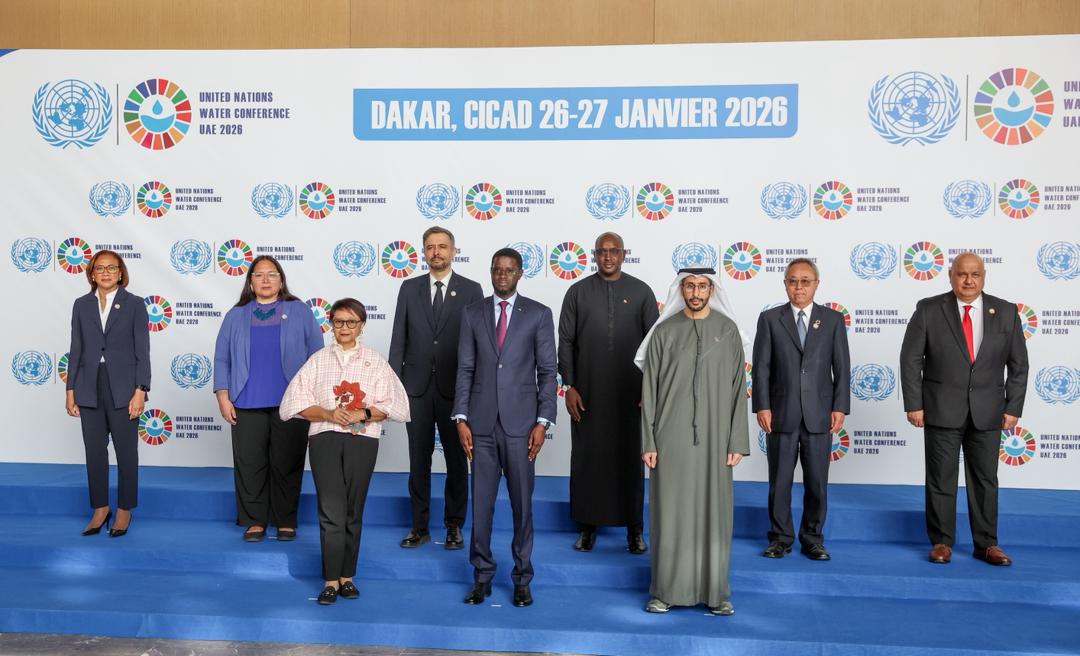
27 January 2026, Dakar, Senegal - UNITAR, through its Global Water Academy, actively participated in the High-Level Preparatory Meeting for the 2026 United Nations Water Conference, championing capacity development as the driver of SDG 6.
Serving as the formal precursor to the 2026 United Nations Water Conference, the Dakar High-level Meeting provided a strategic platform for governments, UN entities, and international stakeholders to align on political priorities and practical cooperation mechanisms. The primary objectives of the Meeting included:
- Taking stock of progress on integrated water resources management,
- Highlighting the necessity of cooperative frameworks for climate resilience and water security,
- Formulating concrete policy messages and partnerships to be enshrined in the outcomes of the 2026 Conference.
High-Level Opening Panel: Accelerating the Implementation of SDG 6
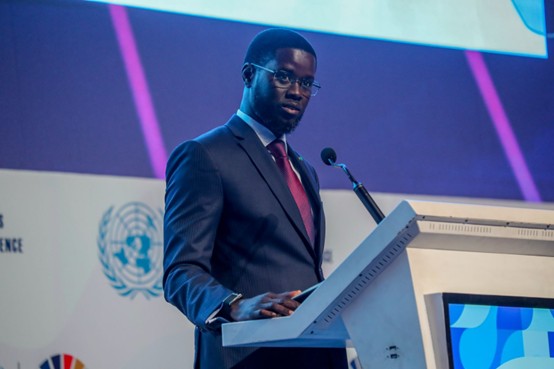
Convened at the initiative of the Government of Senegal, the meeting opened with President H.E. Bassirou Diomaye Faye underscoring the urgency of the moment, noting that “Africa is particularly and increasingly confronted with the water crisis.”
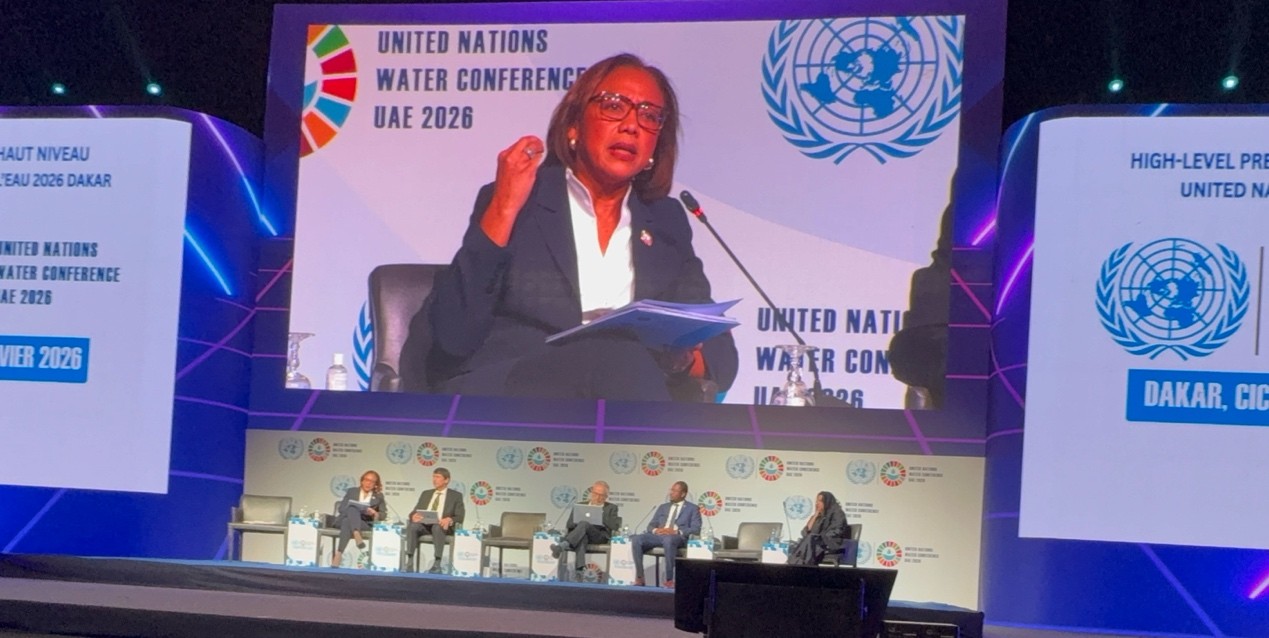
Against this backdrop, UNITAR’s Executive Director and Assistant Secretary-General, Ms Michelle Gyles-McDonnough, joined UN Principals and senior leaders on the high-level opening panel to contribute to the definition of the political vision and priorities for the 2026 Conference. Addressing the systemic gaps impeding progress, she emphasised, “Countries tell us the barriers are real and formidable. Developing bankable project proposals to secure water investments requires specialised expertise that many governments simply don't have. As the UN's Institute for Training and Research, it was this scale of need that prompted us to establish the Global Water Academy – to invest in the human infrastructure that sustainable water systems require.”
The session was moderated by Ms Meike van Ginneken, Water Envoy for the Kingdom of the Netherlands. The distinguished panel also included H.E. Mr. Moses Vilakati, African Union Commissioner for Agriculture, Rural Development, Blue Economy and Sustainable Environment (ARBE); Dr. Nabil Ghalleb, Director of the Islamic Development Bank Regional Hub; Mr. Pedro Arrojo-Agudo, Special Rapporteur on the human rights to safe drinking water and sanitation; Ms. Sareen Malik, Executive Secretary of the African Civil Society Network on Water; and Mr. Jason Morrison, President of CEO Water Mandate. The dialogue was further enriched by a “Message of hope from young people for the future,” delivered by Handel Mux Roquel from the Global Youth Movement for Water, UN Indigenous Peoples Major Group; Rouguiyatou BA, President of the Association of Young Professionals of Water and Sanitation of Senegal; and Mouza Alshamsi, Youth representative from the United Arab Emirates.
UNITAR
UNITAR
Side Event – Operationalizing Impact: The SDG 6 Capacity Development Initiative
UNITAR
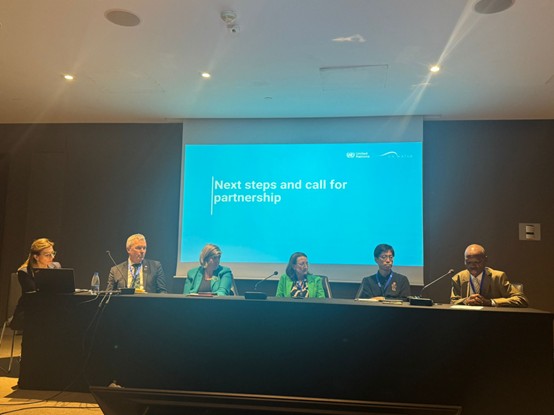
On 26 January, focusing on on-the-ground implementation, UNITAR co-convened this side event to showcase the SDG 6 Capacity Development Initiative. The session highlighted pilot experiences from Costa Rica, The Gambia, and Jordan, demonstrating how coordinated capacity building can accelerate progress and operationalise the UN system-wide strategy on water and sanitation.
Reflecting on systemic challenges, Ms Gyles-McDonnough observed, “We remain off track on SDG 6 not because of a lack of commitments, but because delivery systems remain fragmented,” underscoring that capacity development is a strategic enabler of acceleration rather than a mere support activity.
Moderated by Ms Ebru Canan-Sokullu, Director of the UNITAR Global Water Academy, and Ms Stephanie Rambler, Division for Sustainable Development Goals, UN-DESA, the session featured Ms Michelle Gyles-McDonnough and Ms Retno Marsudi, UN Secretary-General’s Special Envoy on Water. The event convened a diverse group of experts and representatives, including Ms Meike van Ginneken, Ms Concepcion Marcuello Olona, Ministry for the Ecological Transition and the Demographic Challenges, Spain; Mr. Landing Bojang, Department of Water Resources, The Gambia; and Dr Ilyas Masih, Associate Professor of Water Resources Planning, IHE Delft. The discussion was further enriched by insights from Mr Yosuke Tomizawa, Division for Sustainable Development Goals, UN-DESA; Mr Abou Amani, Director of the Division of Water Sciences and Secretary of the Intergovernmental Hydrological Programme, UNESCO IHP; and Prof. Dr Eddy Moors, Special Advisor on Partnerships, IHE Delft. The session concluded with remarks from Mr Federico Properzi, Chief Technical Advisor, UN-Water.
Side Event —Bridging Science and Policy: Launch of the 2026 UN Water Conference Academic Hub
UNITAR
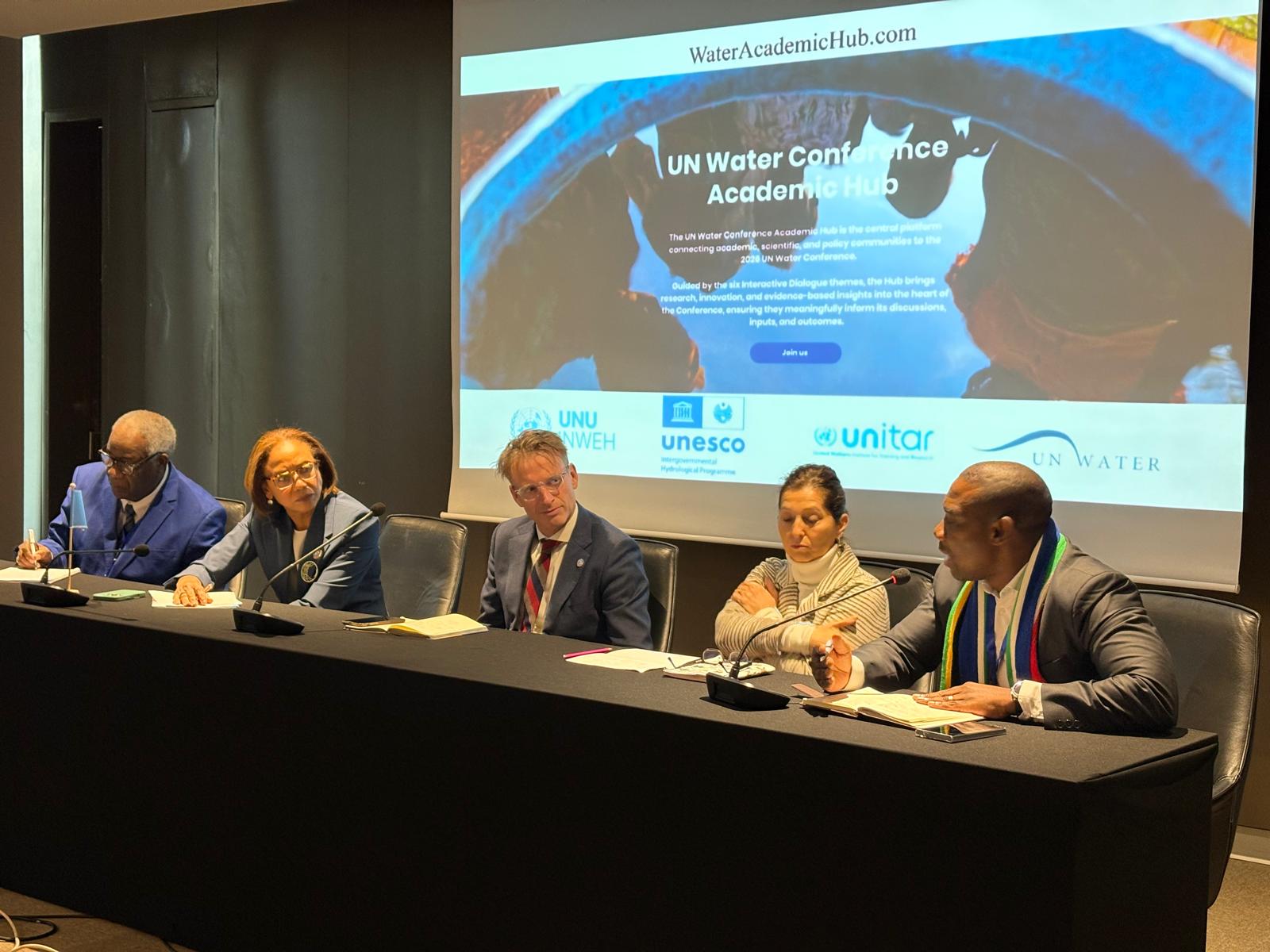
On the morning of 27 January, complementing the focus on finance with scientific rigour, UNITAR, alongside UNU and UNESCO, hosted the launch of the 2026 UN Water Conference Academic Hub. This initiative was established to address the disconnect between research outputs and intergovernmental processes, ensuring policy decisions are evidence-informed.
The session featured opening remarks by Ms Gyles-McDonnough and Mr Bruce Gordon, Vice Chair of UN-Water and was moderated by Ms Canan-Sokullu.
Established to bridge the gap between research and decision-making, the Hub provides a structured mechanism to channel academic expertise directly into the six Interactive Dialogue themes. By strengthening linkages between science, policy, practice, and advocacy, the Hub enhances the quality, relevance, and accessibility of knowledge informing these themes. By mobilising diverse perspectives, particularly from youth, women, and the Global South, the initiative ensures that the 2026 UN Water Conference outcomes are evidence-informed and benefit from an inclusive range of analytical inputs.
The panel convened diverse experts, including Prof. Kaveh Madani, Director of UNU-INWEH; Dr Corinne Schuster-Wallace, Executive Director of the Global Institute for Water Security; Dr Laila Mandi, Professor at Cadi Ayyad University; Dr Alioune Kane, Professor at University Cheikh Anta Diop; and Mr Austin Blanton, MPP Candidate at Yale Jackson School of Global Affairs. The session concluded with a call to action delivered by Ms Stephanie Rambler, Senior Sustainable Development Officer at UN DESA, and Mr Abou Amani, Director of the Division of Water Sciences and Secretary of the Intergovernmental Hydrological Programme (IHP), UNESCO.
Interactive Dialogue “Fueling the Future: Investments in Water”
UNITAR
Later on 27 January, in partnership with UN-Water and other UN entities, UNITAR co-led a critical Interactive Dialogue focused on investments in water. Addressing how stakeholders can create ambitious targets for investment, the dialogue examined enabling conditions such as tariff reforms and de-risking instruments to support private participation.
Emphasising the intrinsic link between funding and institutional strength, the dialogue defined a strategic roadmap from Senegal to the UAE focused on creating enabling conditions for capital mobilisation. The session prioritised the need to scale innovative de-risking instruments and tariff reforms to attract private participation. Participants concluded that achieving these ambitious targets requires a parallel commitment to capacity development, ensuring governments are equipped to foster investment readiness, structure bankable projects, and leverage South–South cooperation for effective resource deployment.
Following welcome remarks by the Co-Chairs from France and South Africa, the scene was set by Ms Gyles-McDonnough, alongside Mr Alvaro Lario, President of IFAD & UN-Water Chair, and Mr Saroj Kumar Jha, Global Director of Water Global Practice, World Bank Group . Moderated by Ms Cecila Akintomide, Chair of the Board of the Sanitation and Hygiene Fund (SHF), the multistakeholder panel featured Mr Paul Deverill, Senior WASH Adviser, Foreign, Commonwealth and Development Office, United Kingdom; Ms Josien Sluijs, Managing Director of Aqua for All; Mr Alex Simalabwi, CEO & Executive Secretary of the Global Water Partnership Organisation; Mr Mtchera Johannes Chirwa, Director for Water Development and Sanitation at the African Development Bank; and Mr Edouard Perard, Head of Water Division at the European Investment Bank. The plenary discussion further highlighted the launch of the Water “PPP” Hub by Mr Neil Dhot, Director of AquaFed, and perspectives on the future workforce from Khadidiatou Ba Ndiaye, representing AJPEAS and Reseau PS-EAU Senegal.
UNITAR
Ms Canan-Sokullu served as the Rapporteur of the Interactive Dialogue, providing an analytical synthesis of the deliberations, identifying emerging trends on water finance, governance, and workforce development, and framing these within the broader context of preparations for the 2026 UN Water Conference.
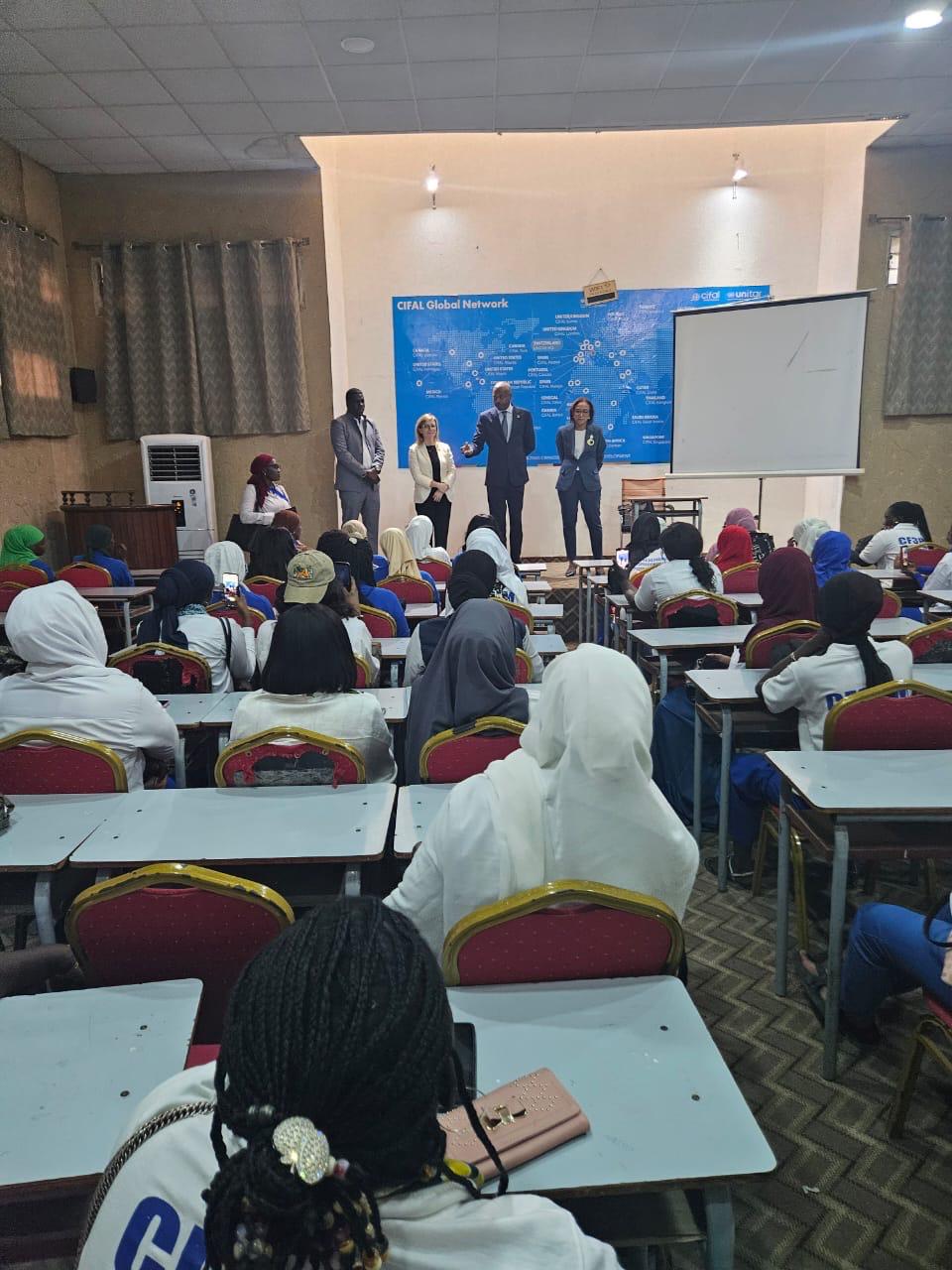
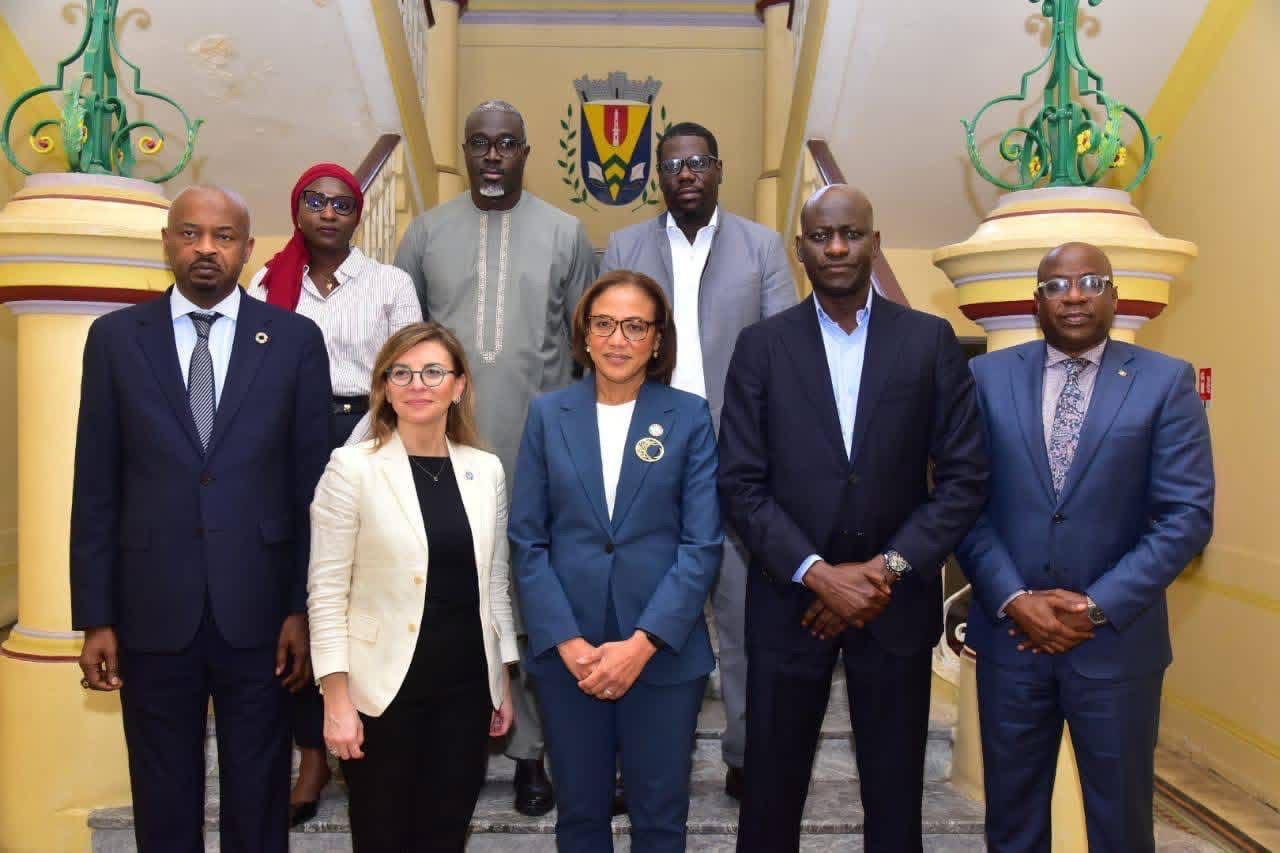
While in Dakar, Ms Gyles-McDonnough and Ms Canan-Sokullu paid an official visit to CIFAL Dakar, where they were welcomed by the Centre’s Director, Mr Mouhamed Diop. The delegation toured the facilities and received a comprehensive overview of ongoing programmes. Key discussions centred on CIFAL Dakar’s Strategic Plan (2026–2031), specifically highlighting its expanding role as a regional training hub for Mali and neighbouring countries, its preparations for the Youth Olympic Games, and its continued support to the municipality in hosting high-level meetings.
Expanding the engagement to the field, the delegation visited the School of Health to observe training sessions and tour the demonstration rooms, and then held an interactive exchange with students and faculty. Furthermore, Ms Gyles-McDonnough held high-level bilateral consultations with the Mayor of Dakar, Mr Abass Fall, and the UN Resident Coordinator in Senegal, Ms Aminata Maiga, to strengthen institutional cooperation.
Toward the 2026 UN Water Conference
As the global community transitions from the preparations in Senegal towards the summit in the UAE, the outcomes of the Dakar meeting will directly inform the political and thematic framework of the 2026 UN Water Conference. The strategic opportunities identified regarding investment and capacity building will shape future interactive dialogues and partnership initiatives.
UNITAR remains committed to ensuring that the road to 2026 is paved with robust scientific evidence, strengthened institutional capacity, and inclusive collaboration.