

UNITAR
23 January 2025, Geneva, Switzerland - According to the United Nations High Commissioner for Refugees (UNHCR), there are more than 120 million people forcibly displaced worldwide as a result of conflict, persecution or serious violations of human rights, equivalent to one in every 67 people on the planet.
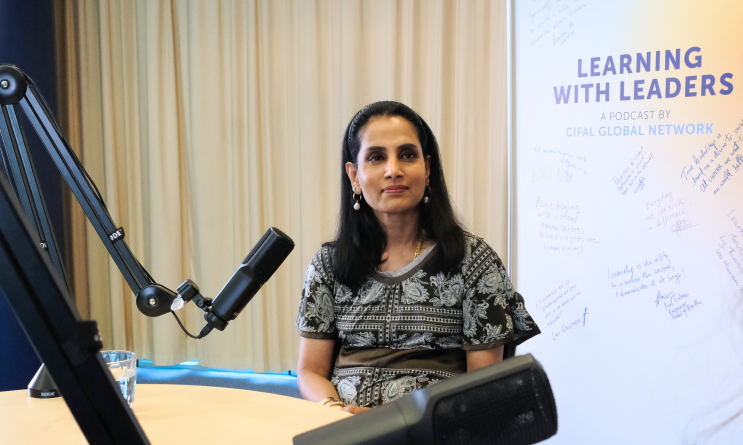
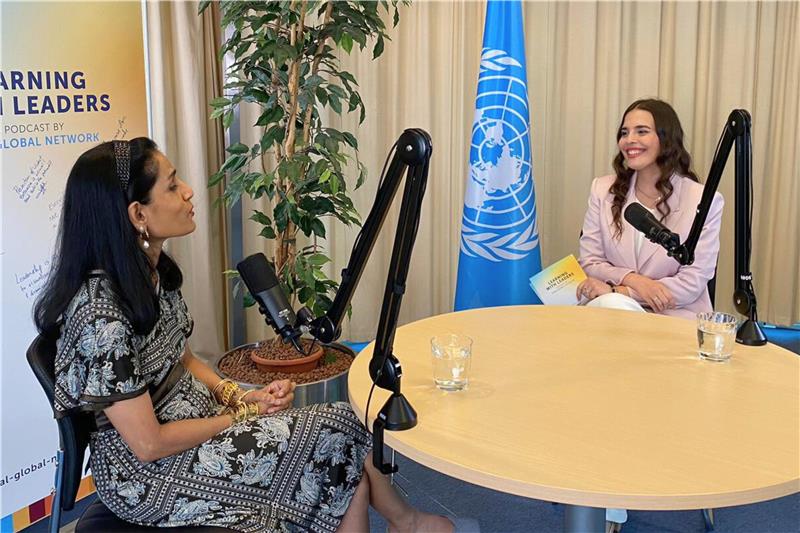
Against this backdrop, we are pleased to introduce Ms Ruvendrini Menikdiwela, the most recent guest of Learning With Leaders podcast. With more than three decades of experience, she has dedicated her career to protecting people forced to flee war, violence and persecution. In her role as Assistant High Commissioner for Protection at UNHCR, she oversees the organization’s global protection mandate at a time when forced displacement continues to rise worldwide.
UNITAR
Speaking on the CIFAL Global Network podcast, Ms Menikdiwela reflected on her professional journey and the experiences that led her to a lifelong commitment to humanitarian protection. Trained in law and having joined UNHCR in the late 1980s, she described her entry into the organization as unplanned. Over the years, she has held senior positions across both field operations and headquarters, including serving as UNHCR Representative in Pakistan and Thailand, as well as Director of the New York Office. She is currently based at UNHCR headquarters in Geneva.
A central theme of the discussion was the nature of forced displacement itself, the reality behind this concept and its direct impact on people’s lives, highlighting the need for those affected to be treated with solidarity and respect. It also addressed the responsibility of each country in the development of conflicts and underscored their duty towards displaced populations. As Ms Menikdiwela emphasized, becoming a refugee is never a choice. As she explained:
There is no child on this planet who says, ‘When I grow up, I want to be a refugee.’ The refugee situation is forced upon people.
Drawing on her extensive field experience, Ms Menikdiwela described the resilience she has witnessed among displaced people. Despite having lost their homes, livelihoods and, in many cases, family members, refugees consistently express a desire to rebuild their lives. In her words, “Regardless of age or background, the first thing refugees want is to become self-reliant and to feel that they are in control of their own lives and their own futures.” This principle, she noted, continues to guide UNHCR’s work worldwide.
Reflecting on leadership in the humanitarian field, she emphasized the importance of humility, listening and conviction. Leaders, she noted, must recognize that while they may not be able to change the world overnight, they can make a tangible difference in the lives of individuals and communities.