

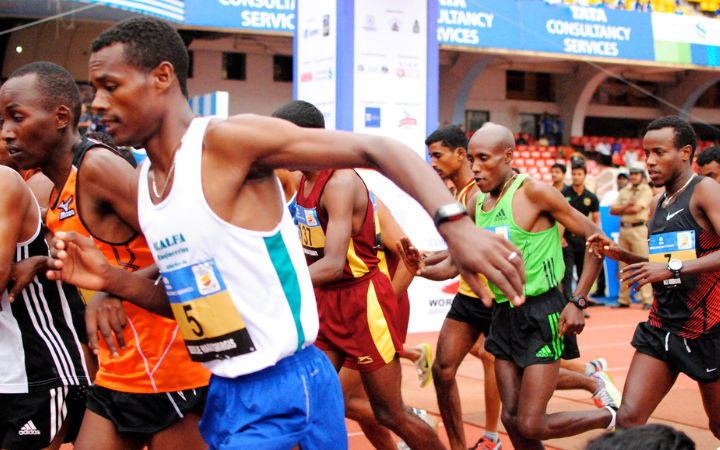
Sports have always captured the global imagination, and the significance of sports and physical activity for overall health and well-being is widely recognised. However, in recent years, sport has emerged as a powerful vehicle for diplomatic engagement, bridging differences, promoting peace and reconciliation, advancing human rights, and mobilizing collective action towards the SDGs. Around the world, member states are increasingly developing sports diplomacy strategies and embedding them within their government operations. Countries are formally designating sports diplomats and sports ambassadors, reflecting a growing international consensus on sport as a diplomatic tool.
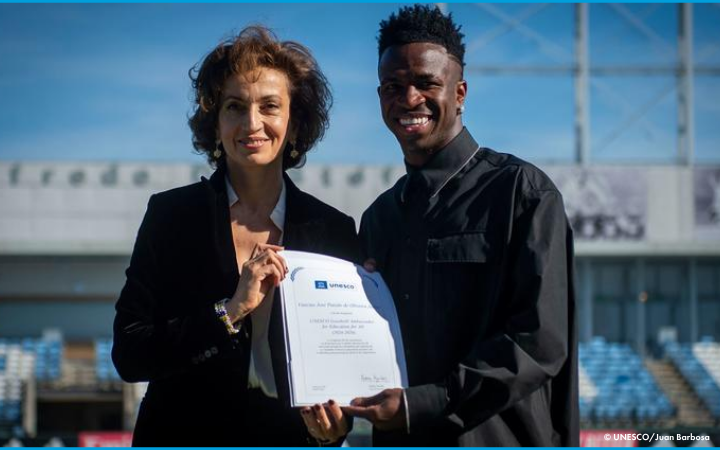
The United Nations uses Sports Diplomacy to foster peace, development, and social cohesion globally, recognizing the unifying power of sports in bridging divides. In light of this, the UN implements programmes that empower marginalized groups, including women, girls, persons with disabilities, and refugees, such as Football For The Goals (FFTG). By collaborating with governments, international organizations, civil society, and the private sector, these initiatives accelerate the adoption of the SDGs, increasing access to education and socio-economic opportunities through sports-based interventions and fundraising.
With increasing attention focused on the interlinkages between sports, business, and diplomacy, there is a rising demand for professionals who possess the practical skills to adeptly harness the power of sports as a tool for international relations. To sustain and enhance these efforts, and to continue to leverage and unleash the potential for sports to drive positive change in the world UNITAR offers an array of activities in the field of sports.
If you would like to learn more about UNITAR’s work in the field of sports diplomacy, please see the document below or reach out to diplomacy@unitar.org.
File
Sports Diplomacy White Paper
Developed following the World Cup Diplomacy Summit 2026, convened by UNITAR at United Nations Headquarters in New York on 4–5 June 2026, this White Paper explores how sport can serve as a platform for diplomacy, dialogue and international cooperation.
The publication consolidates insights from diplomats, international organizations, sport governing bodies, clubs, athletes, academics, technology partners and civil society. It presents a practical, non-binding framework focused on sport diplomacy; legacy and community inclusion; sport, culture and entertainment; and artificial intelligence, data and fan engagement. It also outlines proposed actions and stakeholder roles to help translate sport’s global reach into measurable and inclusive outcomes aligned with the Sustainable Development Goals.
How UNITAR Delivers Customised Sports Diplomacy Training
UNITAR translates the principles of sports diplomacy into practice through fully customised training and capacity-building programmes.
All programmes are designed in close collaboration with partners to reflect their specific priorities, operational contexts, and professional profiles of participants, ensuring customization according to individual and institutional needs. Learning objectives, content, formats, and expert contributions are tailored to ensure relevance, practical application, and measurable value.
The examples below illustrate UNITAR’s approach to bespoke capacity-building in sports diplomacy:
FEEDBACK FROM PAST PARTICIPANTS OF THE EXECUTIVE DIPLOMA

February 2024
UNITAR delivered a tailored executive training programme in partnership with the Leaders Development Institute (LDI), Ministry of Sport, Saudi Arabia, focused on sports diplomacy as a practical leadership and policy tool. The programme strengthened participants’ capacity to engage effectively in international sports environments, apply diplomatic protocol and governance frameworks, and leverage sport as a platform for international cooperation, soft power, and strategic influence.
A short video from the programme can be viewed here.
December 2025
UNITAR welcomed a delegation of 28 Saudi women to Geneva for a tailored capacity-building program requested by and delivered in partnership with the Leaders Development Institute (LDI), Ministry of Sport, Saudi Arabia. The program was designed to strengthen participants’ leadership voice, strategic vision, and influence within the sporting sector. Participants honed public speaking, persuasive communication, and negotiation skills while exploring strategies to build decision-making confidence, resilient leadership mindsets, and inclusive leadership practices.
Through analysis of case studies, application of international human rights frameworks, and engagement with real-world examples, they deepened their understanding of how sports can advance gender equality and human rights. Experiential visits to institutions such as the IOC and UEFA further enriched learning by connecting theory with practice in sports governance and diplomacy
A short video from the programme can be viewed here.
SIGNATURE PROGRAMMES
Executive Diploma in Sports Diplomacy - a flagship, face‑to‑face course delivered by UNITAR in Geneva, designed to equip professionals with the strategic insight, leadership skills, and diplomatic literacy required to leverage sport as a tool for multilateral engagement. Positioned within UNITAR’s Multilateral Diplomacy pillar, the programme explores how sport intersects with public diplomacy, soft power, peacebuilding, and social development at national, regional, and international levels. Combining expert‑led workshops with field visits to leading international sporting organisations in the Lake Léman region, the diploma offers participants a practical and immersive introduction to sports diplomacy in action. Participants will also examine leadership in international sport, the governance of major sporting bodies, and the long‑term diplomatic and legacy implications of mega sporting events. The Executive Diploma in Sports Diplomacy is designed to be replicated in prominent sports cities around the world, subject to sufficient interest.
- Executive Diploma in Sport Leadership - an executive education course designed to prepare senior sport leaders for the strategic, technological, and geopolitical challenges shaping the future of global sport. Developed in collaboration with UNITAR, VSI Executive Education and Ureka Education Group, the programme strengthens leadership capability at the intersection of sport, diplomacy, governance, and innovation. Delivered through online learning, expert-led sessions, and immersive international summits in Geneva and Manchester, the programme equips participants to navigate complex regulatory environments, integrate artificial intelligence into decision-making, and design sustainable high‑performance systems. This Executive Diploma in Sports Leadership supports UNITAR’s broader mission to develop responsible leadership for long‑term impact, positioning sport as a powerful vehicle for diplomacy, development, and global cooperation.
Multilateral Initiatives
UNITAR supports initiatives that bring together governments, international organizations, and other stakeholders to build capacity, share knowledge, and develop practical strategies for integrating sports into foreign and domestic policy whilst advancing multilateral objectives.
World Cup Diplomacy Summit 2026 – A Global Dialogue
New York City, USA - June 2026
Convened at the United Nations Headquarters in New York on 4–5 June 2026, UNITAR, VSI Executive Education and Ureka Education Group, will host the World Cup Diplomacy Summit. Bringing together senior policymakers, diplomats, and stakeholders from the public and private sectors, the Summit will explore how football, and the FIFA World Cup 2026 serves as a platform for advancing international cooperation, sustainable development, and innovation through sport.
Through high-level plenary discussions, interactive working groups, and the collaborative drafting of a Sport Diplomacy White Paper, participants will engage in forward-looking dialogue on key issues including governance, infrastructure, artificial intelligence, and inclusive growth. Aligning with the 2030 Agenda for Sustainable Development, the Summit aims to strengthen cross-sector partnerships, generate actionable insights, and establish a roadmap for leveraging sport as a driver of diplomacy and long-term global impact.
Promoting Sport for Development and Peace: Co-Creating Culture through Sport and Diplomacy
Osaka, Japan - May 2025
To mark the International Day of Sport for Development and Peace, the United Nations Institute for Training and Research (UNITAR), in collaboration with the Japan Sport Council (JSC), proudly hosted a special event on 4 May 2025 at the Expo 2025, Osaka, Kansai, Japan. Featuring cutting-edge sport-tech activities, the event offered participants an opportunity to reflect on the role of sport in fostering social inclusion, peacebuilding, and sustainable development. To learn more about the event, click here.