

LIST OF CORE DIPLOMATIC TRAINING COURSES
- Orientation Course for new members of the Economic and Social Council (ECOSOC)
- Elections in the United Nations Organs: Workshop for Election Officers
- SDGs Learning, Training and Practice - HLPF Special Event
- United Nations Budgetary Matters
- Briefings Delegates on the work of the United Nations General Assembly and the Main Committees
- Introduction for Elected Members and Non-Permanent Members on the Work of the Security Council
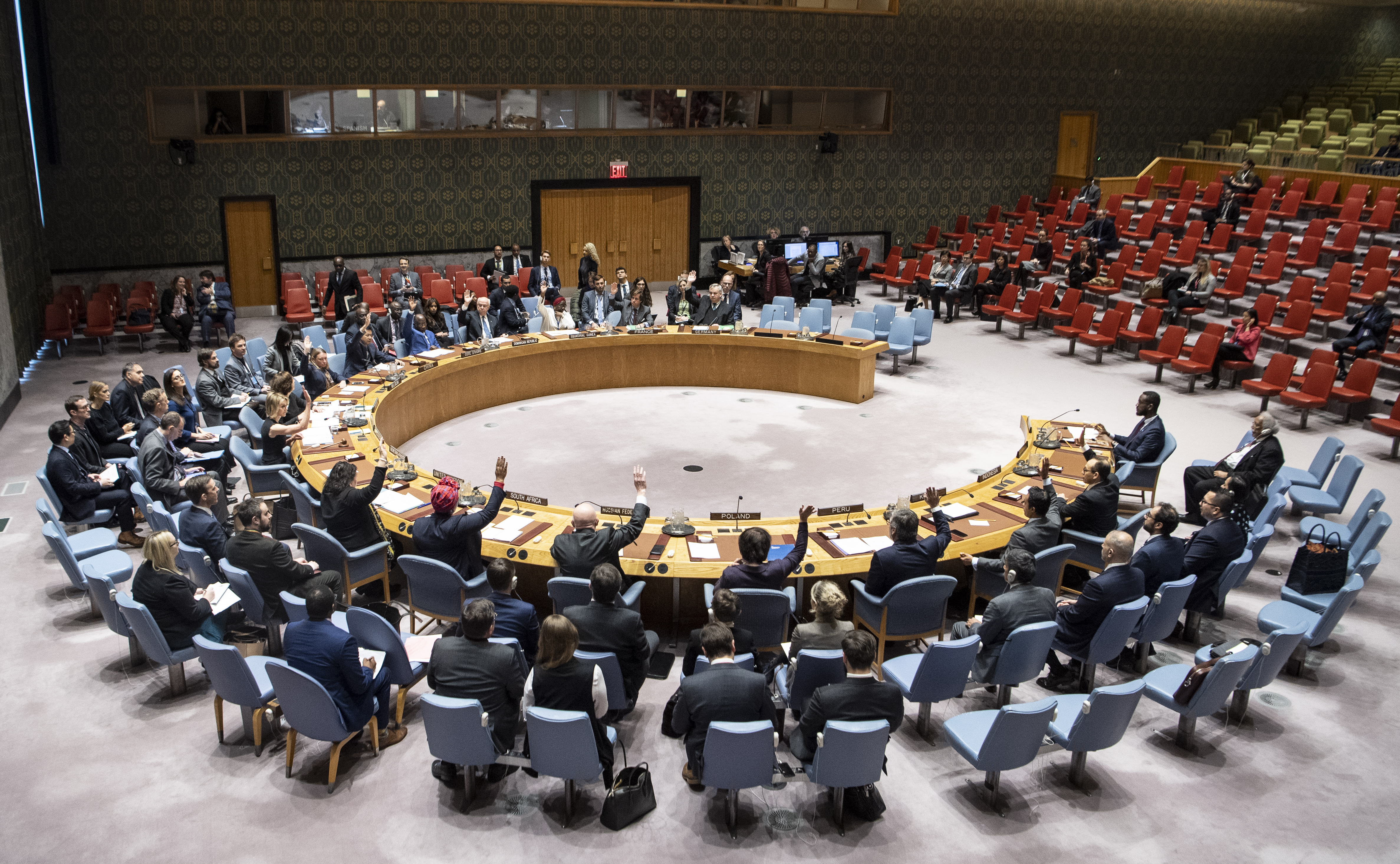
UN Photo/Eskinder Debebe
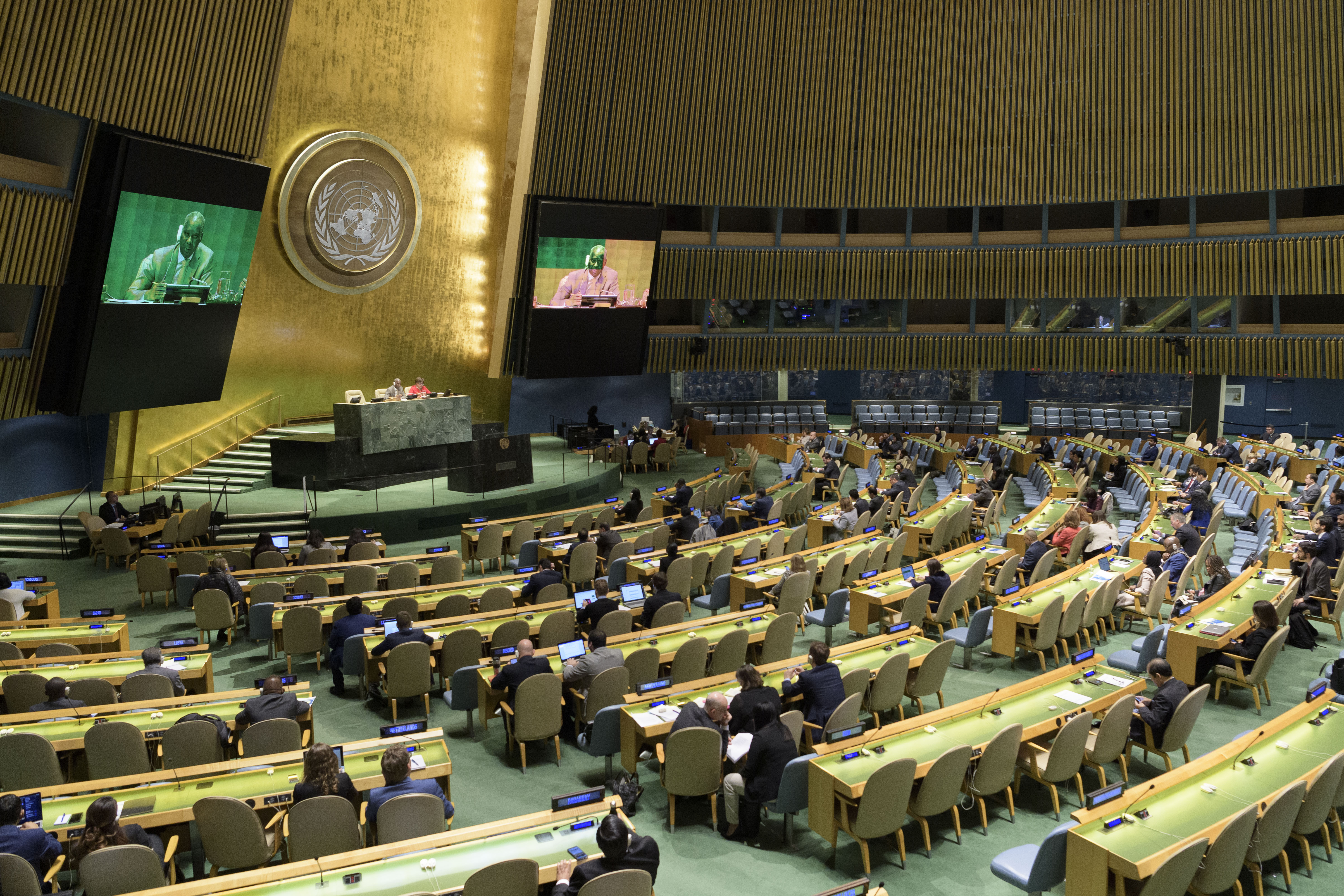
UN Photo/Manuel Elias
Orientation Course for new members of the Economic and Social Council (ECOSOC)
The UN Charter established the Economic and Social Council (ECOSOC) in 1945 as one of the six main organs of the United Nations. The ECOSOC aims to advance the three dimensions of sustainable development – economic, social and environmental. It fosters debate and innovative thinking, forging consensus on ways forward, and coordinating efforts to achieve internationally agreed goals. Each year, ECOSOC structures its work around an annual theme of global importance to sustainable development. This ensures focused attention, among ECOSOC’s array of partners, and throughout the UN development system.
The Economic and Social Council provides a global platform for inclusive and integrated policy dialogue, follow-up and review, coordination and stakeholder engagement in support of the 2030 Agenda for Sustainable Development and related United Nations Agendas.
Duration: 1 Day
KEY OBJECTIVES
- Familiarize themselves with the role and functions of the Economic and Social Council and its methods of work;
- Identify and assess the main issues before the Council;
- Gain a better understanding of the role of the President of the Council, its Bureau and its informal consultations in order to promote more effective participation;
- Analyze negotiation dynamics, based on case studies presented by international experts relating to the adoption of resolutions.
2026 edition: UNITAR Orientation Course on the Work of ECOSOC
Elections to United Nations Organs: Workshop for Election Officers
Securing seats or posts in various UN bodies has become complicated and time-consuming but also, an important task for many election officers of Permanent Missions. This is particularly true as the Organization’s activities have expanded and more institutions have emerged.
This workshop aims to: enhance the understanding of election procedures and processes among participating election officers; equip participants with the necessary overview and tools to identify opportunities for candidatures; and provide election officers with insights and experience of successful campaigning.
Duration: 1 Day
KEY OBJECTIVES
- Describe the composition of the principal UN organs and selected subsidiary organs;
- Compare the different electoral rules that apply in the UN organs;
- Describe the key elements of the rules and procedures for elections and voting;
- Interpret the rules and procedures, established practice and legal interpretation pertaining to voting;
- Contrast the decision-making processes of the regional groups for endorsing candidates;
- Appraise and assess the trade-offs and risks of engaging in a campaign.
2026 edition: Elections to UN organs: Workshop for Election Officers
SDGs Learning, Training and Practice - HLPF Special Event
The SDGs Learning, Training and Practice sessions, organised by UNITAR and UN DESA, aim at providing space for governments, academic institutions, think tanks and other stakeholders to offer learning and training sessions on sustainable development implementation during intergovernmental meetings at the United Nations. It also provides an opportunity for HLPF participants to acquire practical knowledge, information, skills, training as well as exchange of views on lessons learned, experiences and best practices to find effective sustainable solutions to challenges in their countries, communities, cities, villages and/or neighbourhoods.
KEY OBJECTIVES
- Knowledge and skills acquisition
- Networking
- Sharing experiences and peer to peer collaboration
- Learning about practical actions and best practices
- Capacity-building
- Practical policy integration and coherence
United Nations Budgetary Matters
The UN system is mainly financed through assessed and voluntary contributions from Member States. The UN Specialized Agencies are funded partly through assessments and voluntary contributions. The course will go through the Regular Budget, the Peacekeeping Budget, and the international tribunals budget, which are funded through assessments. Also, this course will explore how the UN Programmes and Funds are financed through voluntary contributions from Member States. The participation of UN officials and elected chairs of the ACABQ and JIU, as well as the role of those institutions in the budget delivering process is of paramount importance to new delegates. The Fifth Committee, as a General Assembly specialized policymaking process, is a critical part of understanding the UN Budget System.
The Fifth Committee is the Committee of the General Assembly with responsibilities for administration and budgetary matters. Based on the reports of the Fifth Committee, the General Assembly considers and approves the budget of the Organization in accordance with the charter of the United Nations.
Relevant topics will include the Implementation of Management Reform, with a concentration on Peace and Security in efforts to increase recognition and integrated efforts towards prevention, as well as Development to achieve global development plans and to better governance and coordination. Other relevant topics will include Human Resources Management, Human Resources Strategy, HRM resolution, as well as an in-depth and productive look into Scale of Assessments.
KEY OBJECTIVES
- Describe the structure and form of United Nations resolutions and decisions on the Budget;
- Apply this improved understanding and enhanced skills when drafting resolutions in the Fifth Committee;
- Distinguish the rules and practices relating to the adoption of resolutions in the Fifth Committee.
2025 edition: Joint briefing on Budgetary Matters
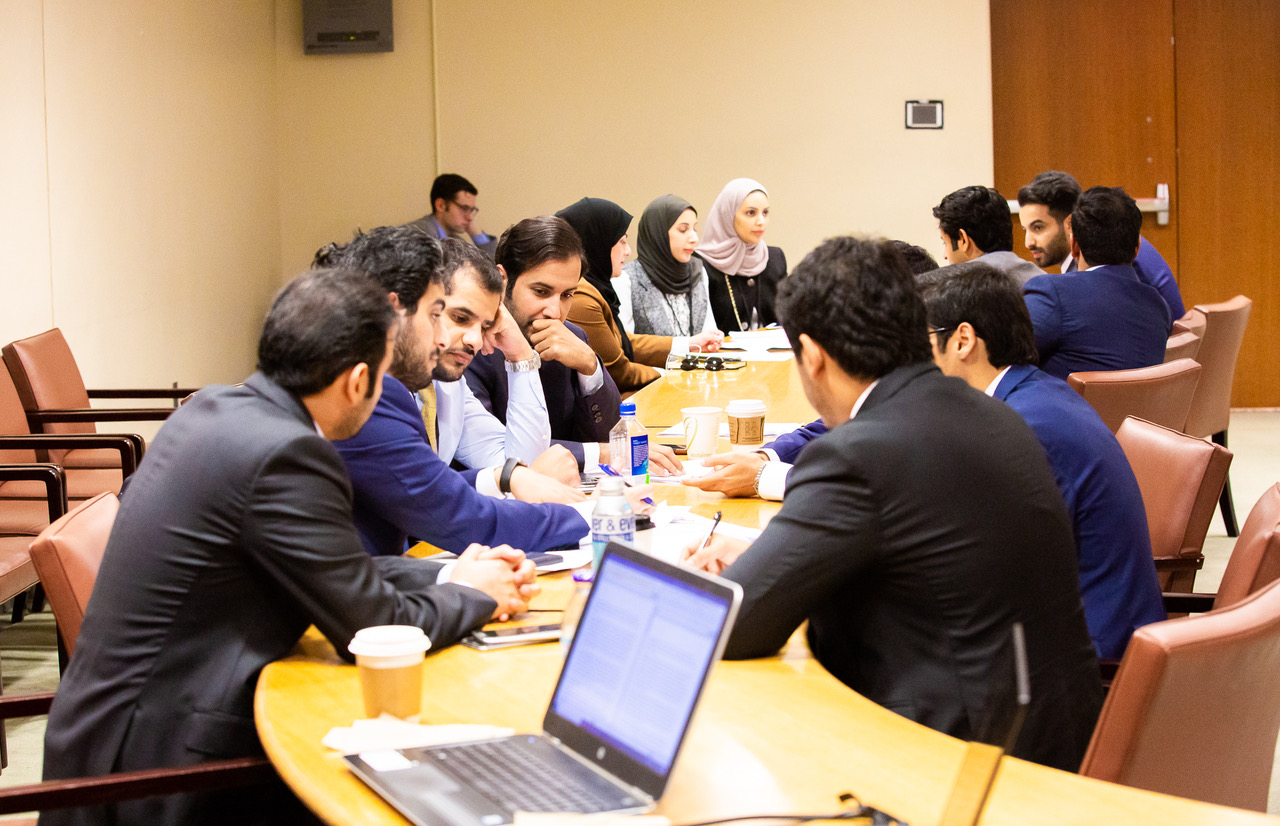
UNITAR

UNITAR
Briefings Delegates on the Work of the United Nations General Assembly and the Main Committees
A large proportion of them come from their respective capitals. Before taking up their assignments, new delegates, in particular, may benefit greatly from a concise and intensive learning exercise focused on the functions of the General Assembly. UNITAR’s General Briefing for new delegates, which attracts hundreds of participants annually, offers this opportunity.
In addition to the Briefing on the Work of the General Assembly, the course will provide panels on the work of all six main Committees of the General Assembly. The panels serve to familiarize delegates with the subject area discussed in each Committee and to provide information on important achievements and resolutions from former sessions. Participants will also learn about the special dynamics and working methods of each Committee.
KEY OBJECTIVES
- Describe the functions and powers of the General Assembly;
- Determine the role of the President of the General Assembly;
- Address its subsidiary organs and rules of procedure;
- Understand the role and mission of the General Assembly Secretariat;
- Analyse the current session of the General Assembly, its documents and resolutions.
2026 edition: Briefing delegates for the 81st Session of the General Assembly
Introduction for Elected Members and Non-Permanent Members on the Work of the Security Council
The Security Council has primary responsibility for the maintenance of international peace and security. It has 15 Members, and each Member has one vote. Under the UN Charter, all Member States are obligated to comply with Council decisions.
Shortly after the election of the five new Members of the Security Council, their representatives will need to become thoroughly familiar with the issues before the Council and its methods of work, so that they may be ready to start their mandate. This intensive two-day orientation course aims at providing such information to the new delegates.
This training will be offered by the UNITAR New York Office to newly elected members of the Security Council at their request.
KEY OBJECTIVES
- Describe the functions, practices and procedures of the Security Council;
- Identify and assess the main issues before the Council;
- Determine the role of the President of the Council and informal consultations;
- Understand the mandate components of current peacekeeping and political missions;
- Analyse the highlights of the Security Council practice, working documents, meeting records, and Subsidiary Bodies.