

Displaying 1 - 10 of 199
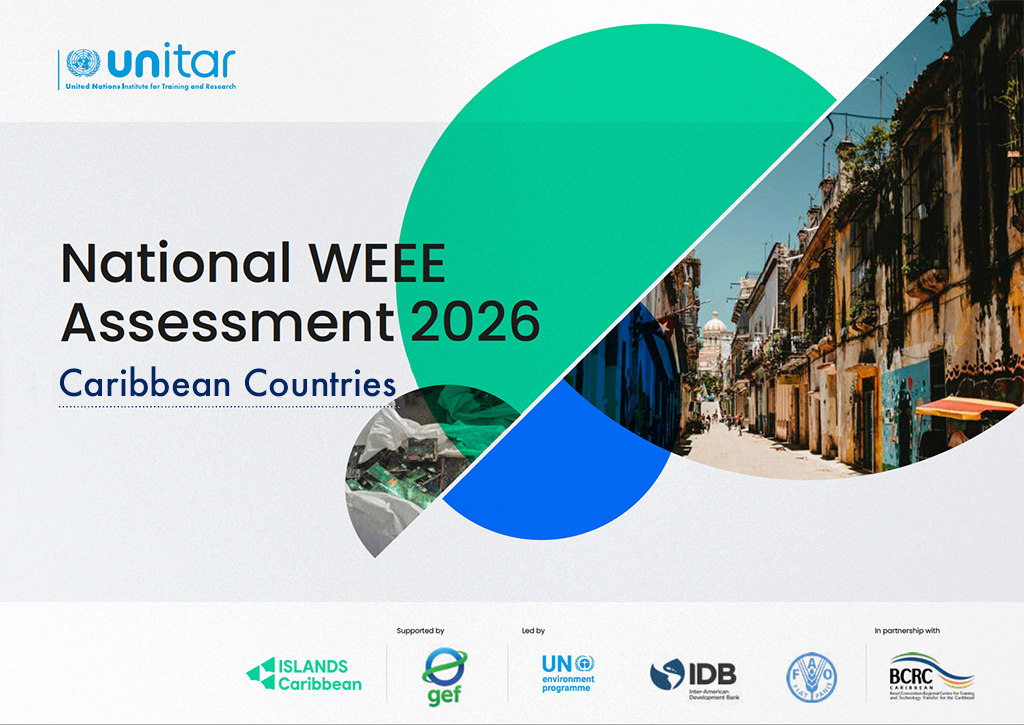
20 October 2026, Geneva, Switzerland – Eleven Caribbean countries now have national assessments of electronic waste (e-waste) and the systems available to manage it. The reports provide a country-specific starting point for decisions on collection, treatment, financing and policy.
日内瓦/都灵,2026年9月3日 —— 联合国大会今天通过一项决议(A/RES/80/306号决议,2026年9月3日通过),支持将联合国系统职员学院(UNSSC)并入联合国训练研究所(UNITAR),并设立新的联合国能力与学习创新研究所(UNICLI),计划于2027年1月1日成立。该决定是更广泛的“联合国80周年倡议”的一部分,该倡议旨在使联合国更加协调一致、高效,并能更好地应对当今的挑战。
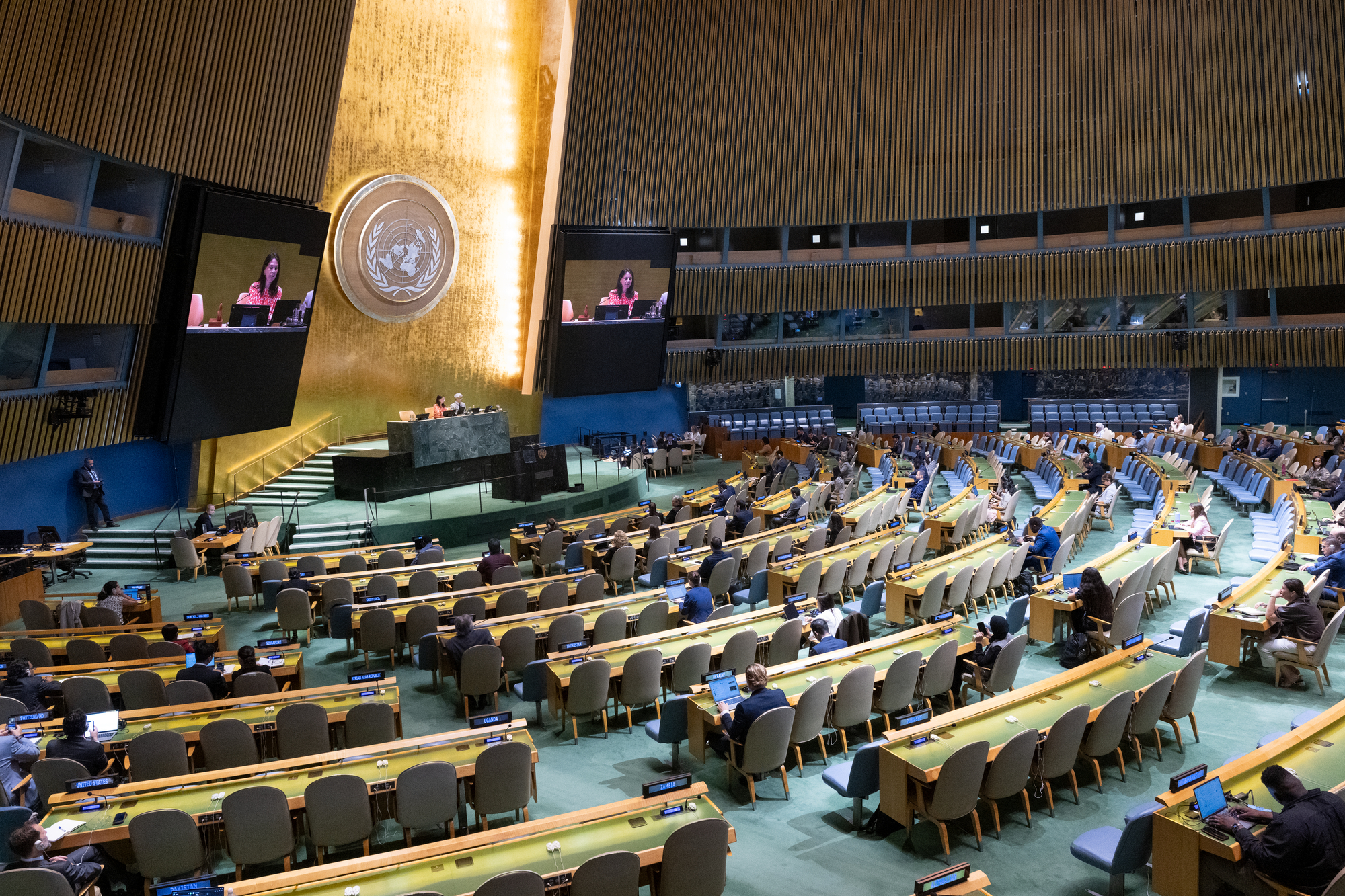
The United Nations General Assembly has adopted a resolution (resolution A/80/L.112 (adopted 3 Sept 2026)), approving the merger of the United Nations System Staff College (UNSSC) into the United Nations Institute for Training and Research (UNITAR) and the establishment of the United Nations Institute for Capability and Learning Innovation (UNICLI).
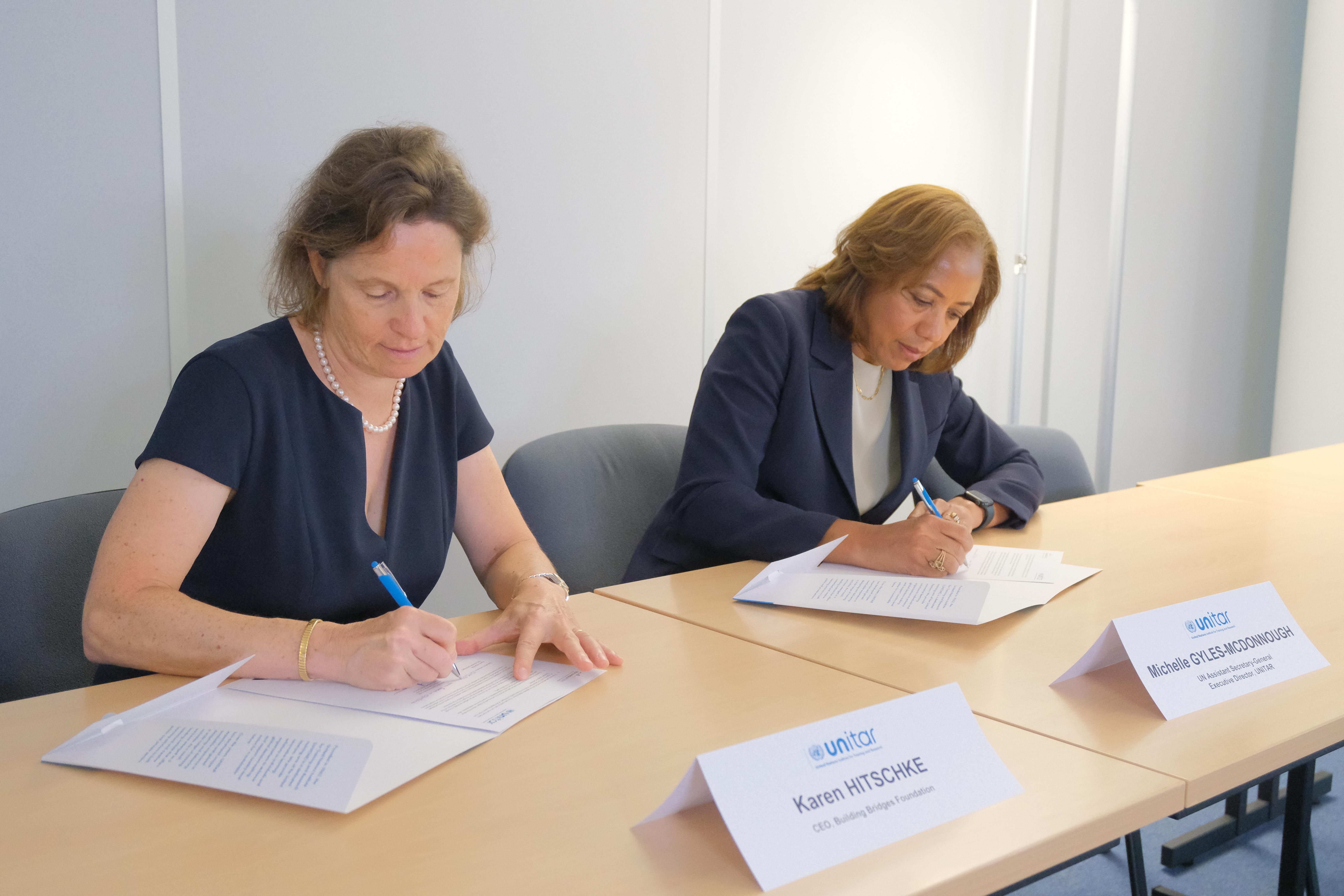
UNITAR has become a Networking Partner of the Building Bridges Conference, which will bring together more than 2’000 participants under the theme “Investable Solutions to Global Challenges” on 6-8 October 2026 at the CICG in Geneva.
Geneva/Turin, 3 September 2026 — The United Nations General Assembly today adopted a resolution (resolution A/80/L.112 (adopted 3 Sept 2026)) endorsing the merger of the United Nations System Staff College (UNSSC) into the United Nations Institute for Training and Research (UNITAR) and establishing the new United Nations Institute for Capability and Learning Innovation (UNICLI), targeted for 1 January 2027. The decision forms part of the broader UN80 Initiative, which seeks to strengthen coherence, effectiveness, and performance of the United Nations system.
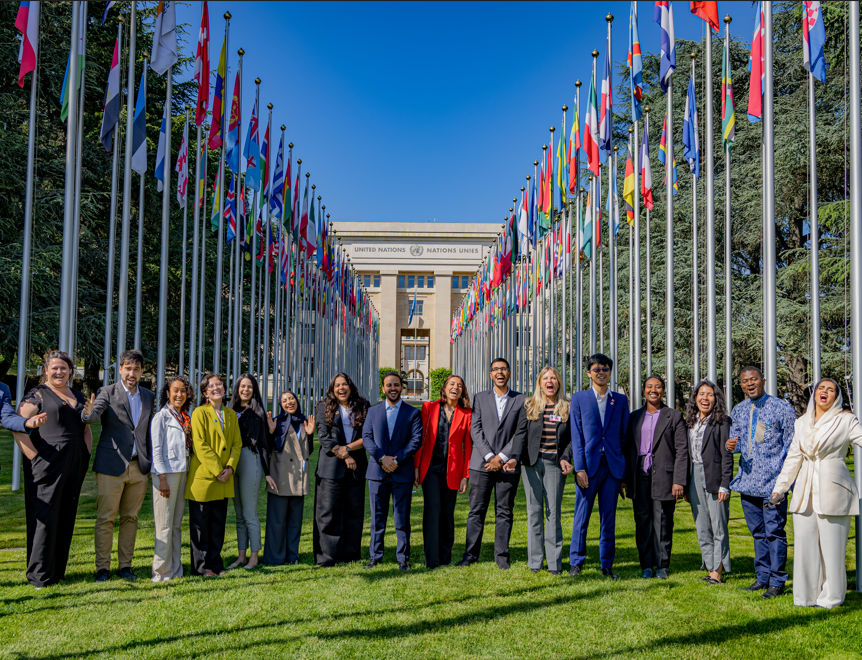
The United Nations Green Development and Climate Change Study Programme
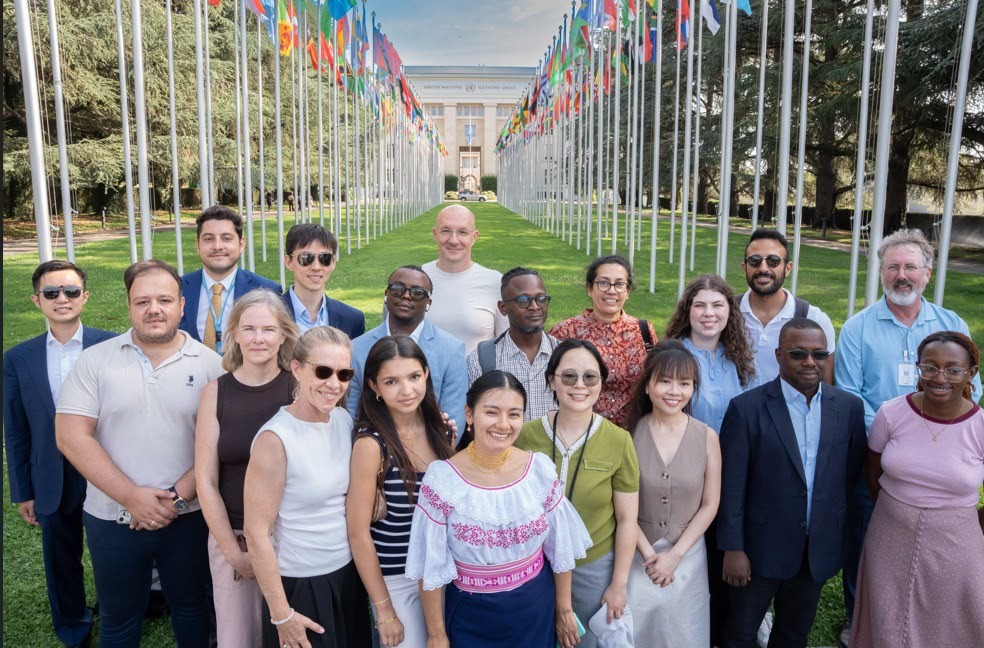
UNITAR Launches the Inaugural United Nations Chemicals and Waste Management Study Programme in Geneva

22 June 2026, Geneva, Switzerland - The High-level Political Forum on Sustainable Development (HLPF) will be convened from 7 to 15 July 2026, under the auspices of the Economic and Social Council (ECOSOC). UNITAR will convene leaders, policymakers, academia, UN partners, local authorities and practitioners to explore practical solutions for accelerating progress towards the Sustainable Development Goals (SDGs). Through a series of high-level events and strategic dialogues, UNITAR will showcase innovative approaches to capacity development, knowledge sharing and multi-stakeholder partnerships that support sustainable, inclusive and resilient development worldwide.
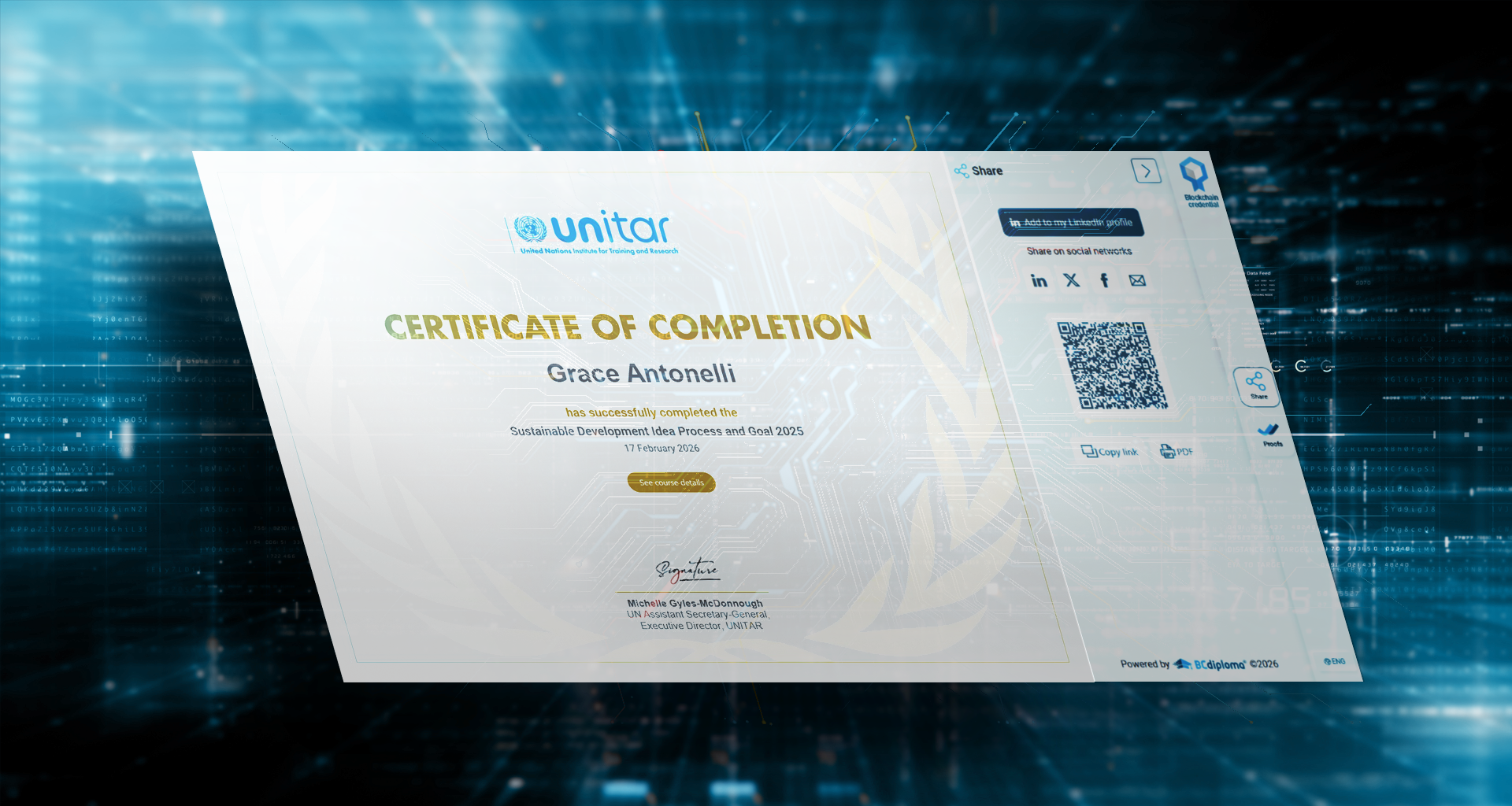
3 June 2026 - Following the roll-out of the digital credentials on the UNCC:Learn platform in January 2026, the United Nations Institute for Training and Research (UNITAR) is launching its new digital credentialing system, starting with a first set of courses, as part of a phased rollout across its learning portfolio.
27 May 2026, Brussels, Belgium – EU-funded experts today delivered the most comprehensive assessment ever of Europe’s ‘urban mine’ – materials stocks and waste streams containing a vast, an underutilized reservoir of metals and minerals essential for clean energy, digital technologies, and modern industry.
FutuRaM (Future Availability of Secondary Raw Materials) project, researchers today debuted a comprehensive mapping of critical raw materials (CRMs) embedded in discarded products, industrial residues, and demolished infrastructure across the EU27+4 (EU, UK, Switzerland, Iceland, and Norway).
FutuRaM (Future Availability of Secondary Raw Materials) project, researchers today debuted a comprehensive mapping of critical raw materials (CRMs) embedded in discarded products, industrial residues, and demolished infrastructure across the EU27+4 (EU, UK, Switzerland, Iceland, and Norway).