
Displaying 1 - 10 of 565
13 November 2026, Geneva, Switzerland – On 12 November 2026, United Nations Secretary-General António Guterres announced the appointment of Ms. Gwi-Yeop Son of the Republic of Korea as Acting Executive Director of the United Nations Institute for Training and Research (UNITAR), to become Acting Executive Director of the United Nations Institute for Capability and Learning Innovation (UNICLI), following the United Nations General Assembly’s endorsement of the merger of the United Nations System Staff College (UNSSC) into UNITAR. The establishment of UNICLI is targeted for 1 January 2027.
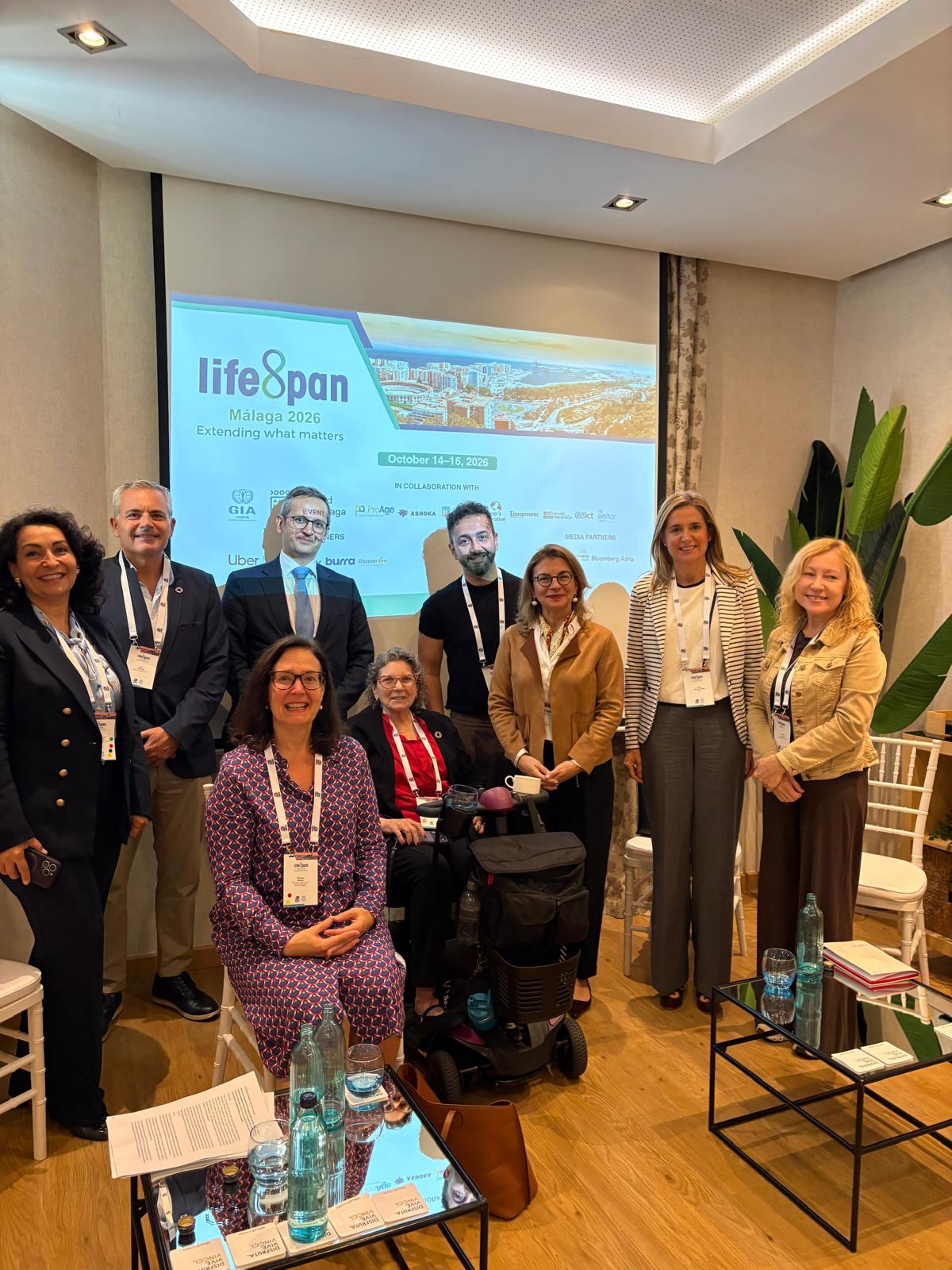
12 November 2026, Geneva, Switzerland – At the LifeSpan Summit 2026, the United Nations Institute for Training and Research (UNITAR) highlighted the need for governments and institutions to prepare for longer lives through coordinated action on education, employment, social protection and intergenerational cooperation, alongside advances in medicine and technology. The summit was held in Málaga, Spain, from 14 to 16 October.
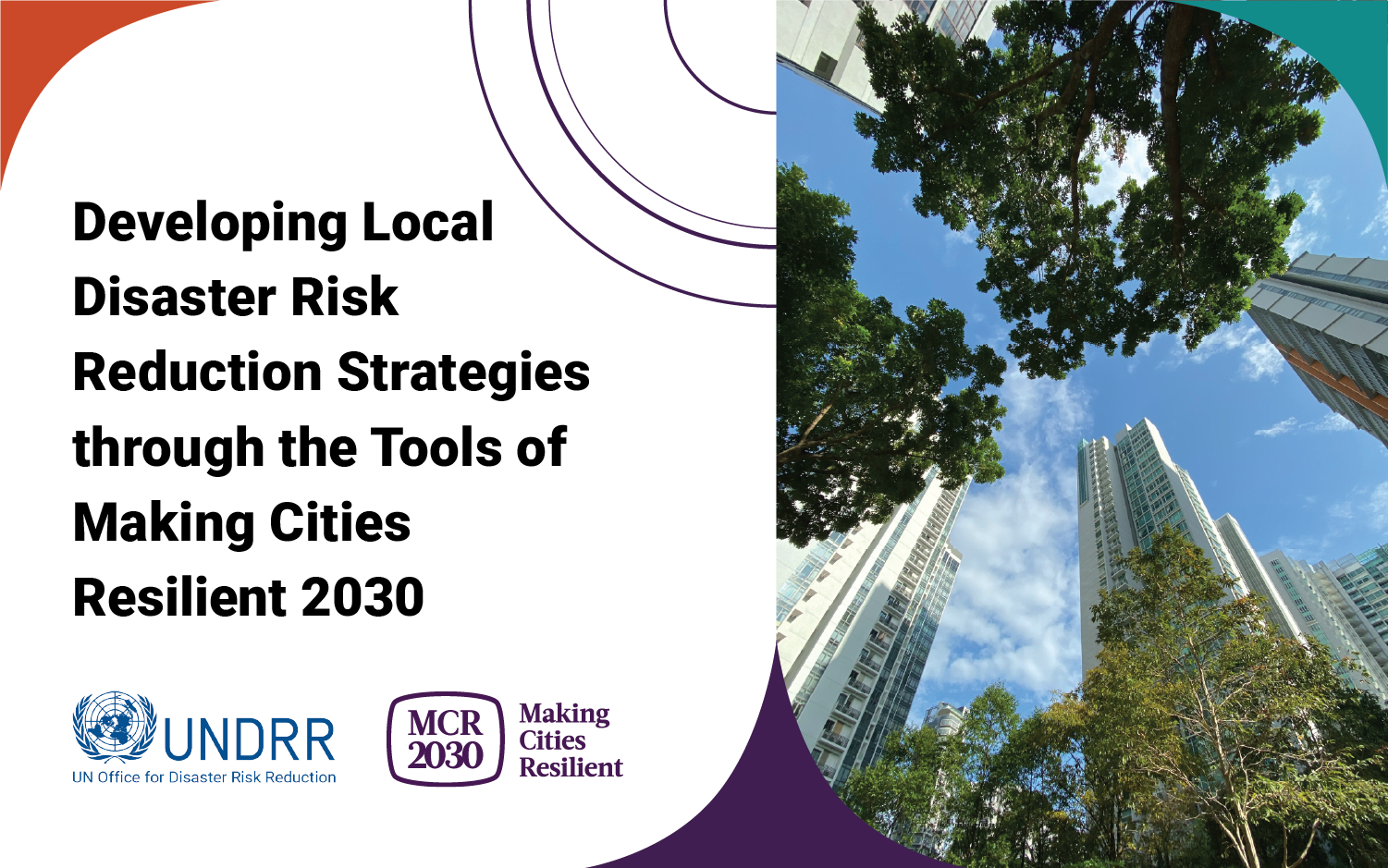
9 November 2026, Geneva, Switzerland – UNITAR, in collaboration with UNDRR and its Regional Office for the Americas and the Caribbean and the Global Education and Training Institute (UNDRR-GETI) have launched the course "Developing Local Disaster Risk Reduction Strategies Through the Tools of Making Cities Resilient 2030 (MCR2030)".
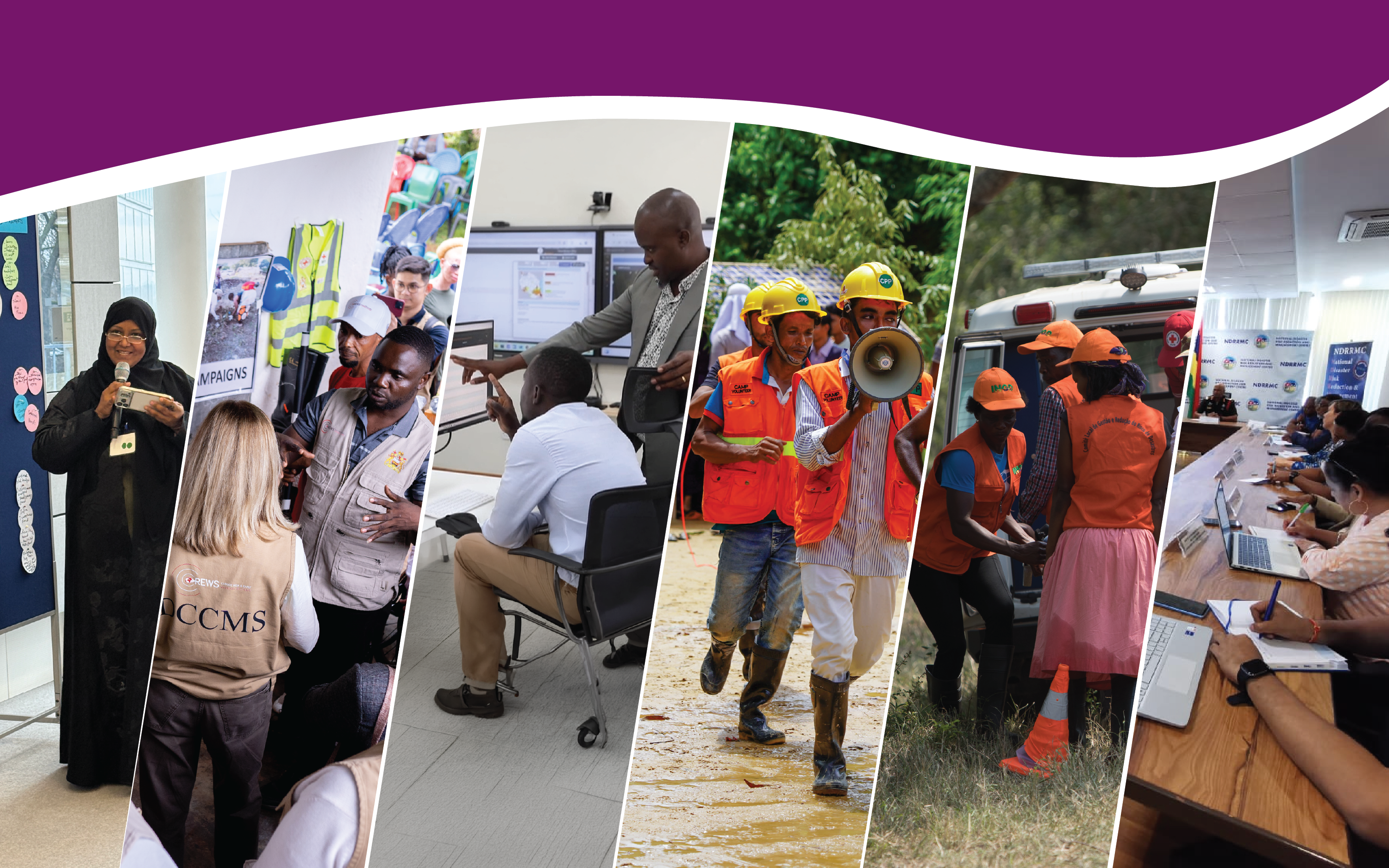
2 November 2026, Geneva, Switzerland – In support of strengthening capacities for assessing, reviewing, and improving the performance of Early Warning Systems, the United Nations Institute for Training and Research (UNITAR) and the United Nations Office for Disaster Risk Reduction (UNDRR) have launched the “After-Event Review (AER) of Early Warning Systems: Concept, Methodology and Application” online course.

24 October 2026 - On United Nations Day, we are reminded of the enduring commitment made by the Organization's founding Member States to save succeeding generations from the scourge of war, uphold human rights and dignity, advance justice, and work collectively for a more peaceful, sustainable and equitable world.
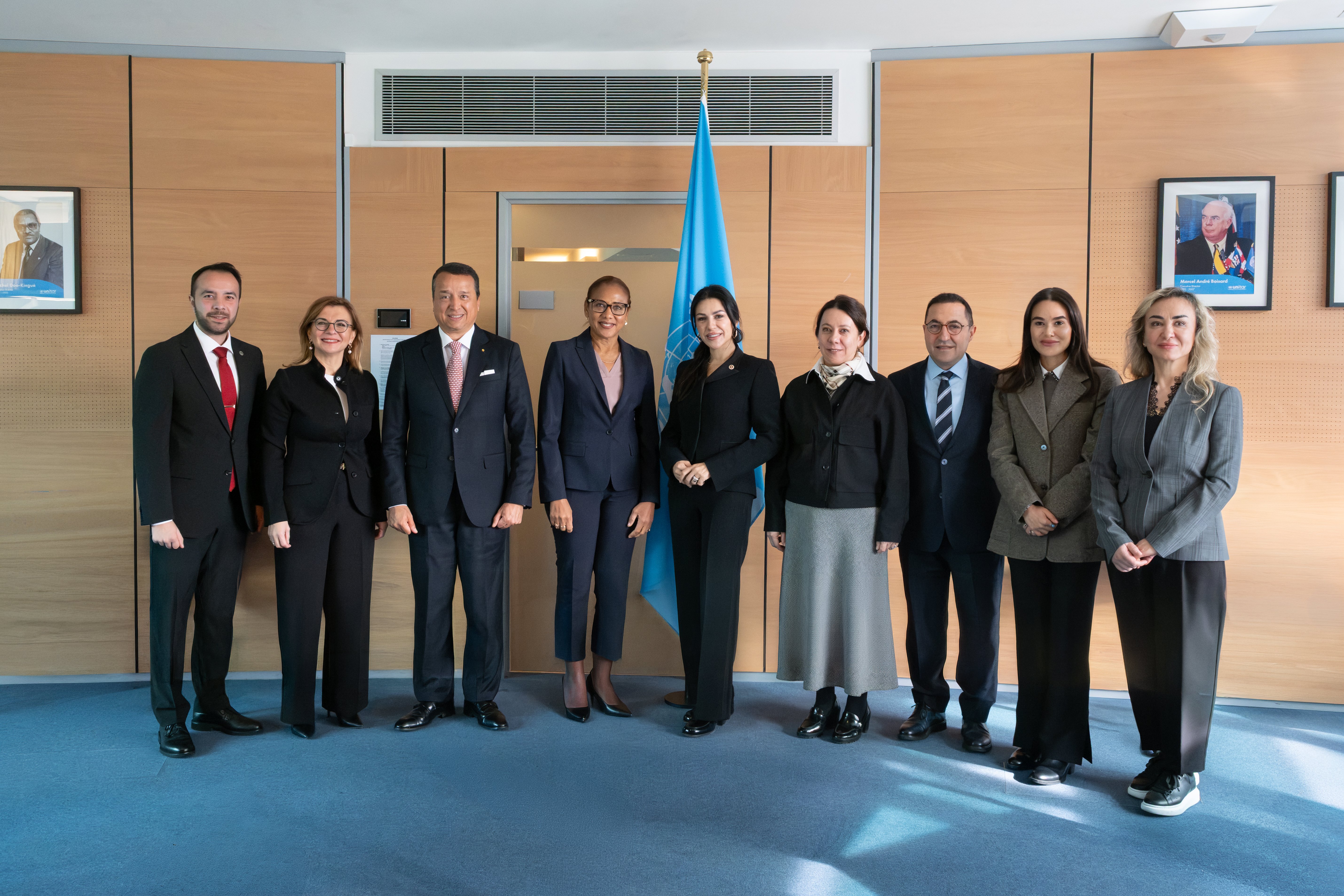
23 October 2026, Geneva, Switzerland – The United Nations Institute for Training and Research (UNITAR) and representatives of Türkiye discussed possible cooperation on water resilience, local climate action and capacity development ahead of COP31 in Antalya.
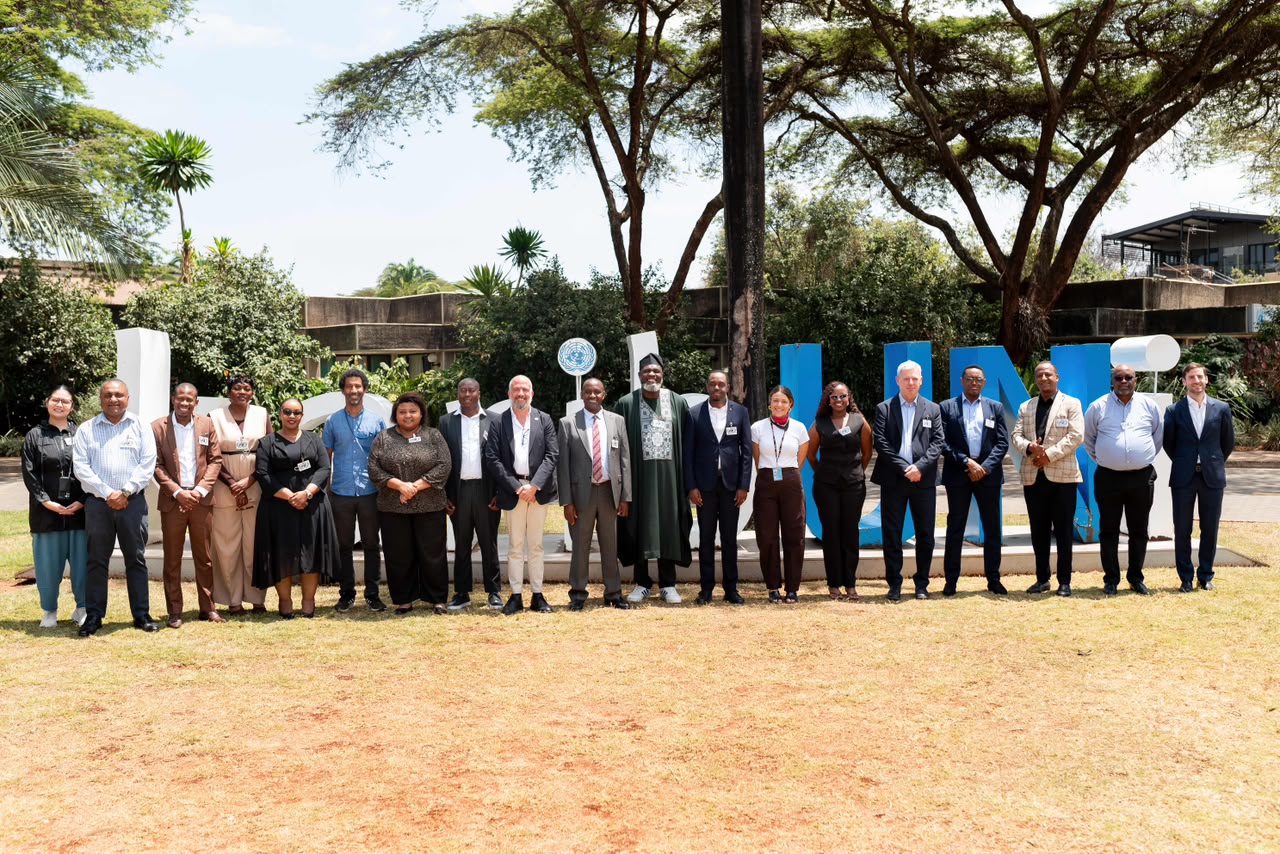
21 October 2026, Nairobi, Kenya – The United Nations Institute for Training and Research, in collaboration with the Fédération Internationale de l'Automobile (FIA), and the FIA Foundation, launched the Safe Mobility for All and for Life (SM4A4L) edition for Africa.
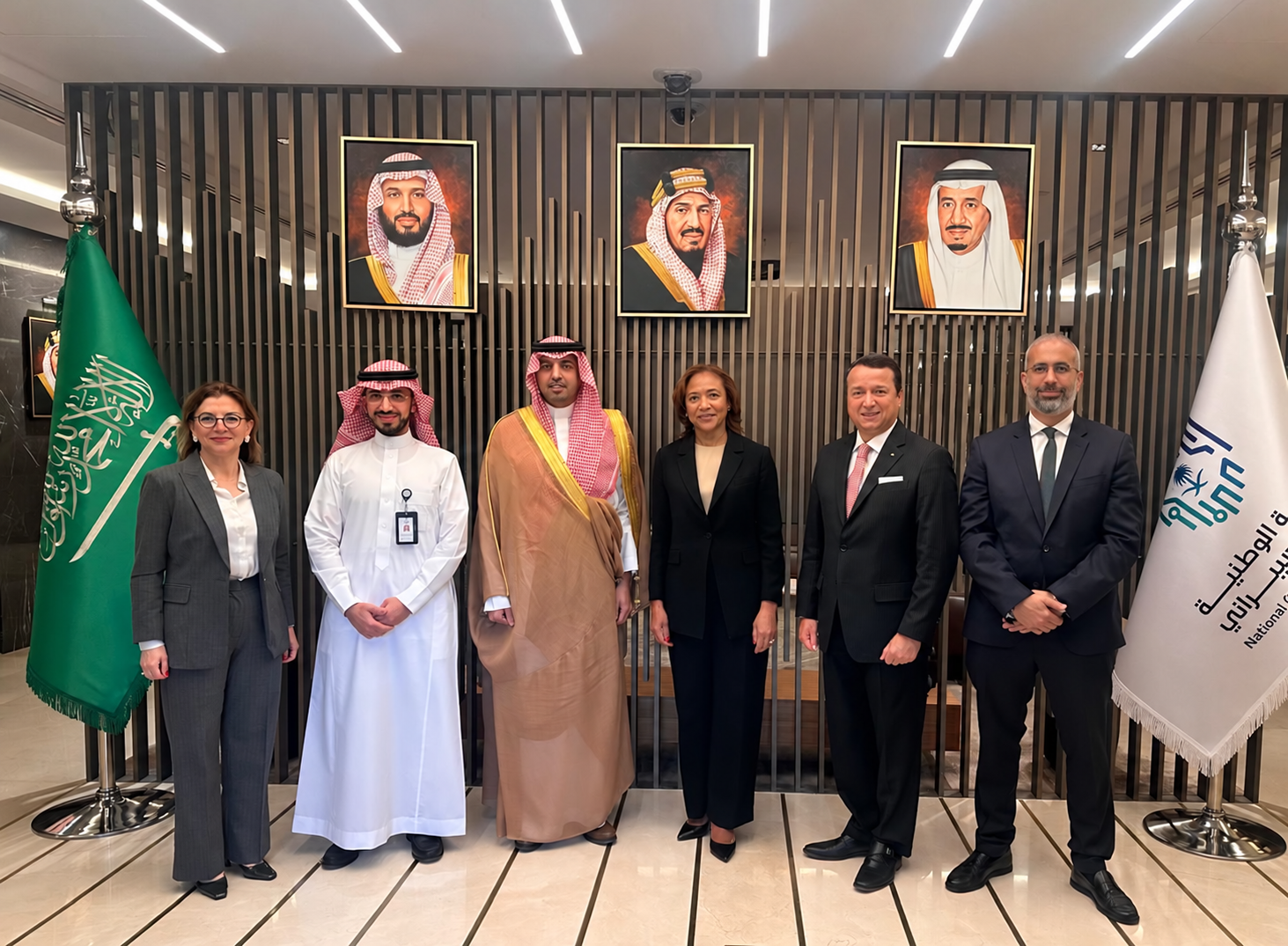
21 October 2026, Geneva, Switzerland- The United Nations Institute for Training and Research (UNITAR) welcomes the approval by the Council of Ministers of the Kingdom of Saudi Arabia of an Agreement for the establishment of its project office in the Kingdom, alongside a Memorandum of Understanding on cybersecurity cooperation between the National Cybersecurity Authority (NCA) and the UNITAR Cybersecurity Office. Announced by the Saudi Press Agency on 20 October 2026, the decision marks a significant milestone in the partnership between the United Nations and the Kingdom of Saudi Arabia, strengthening the institutional foundations for long-term cooperation in cybersecurity capacity development, digital resilience and international knowledge exchange.
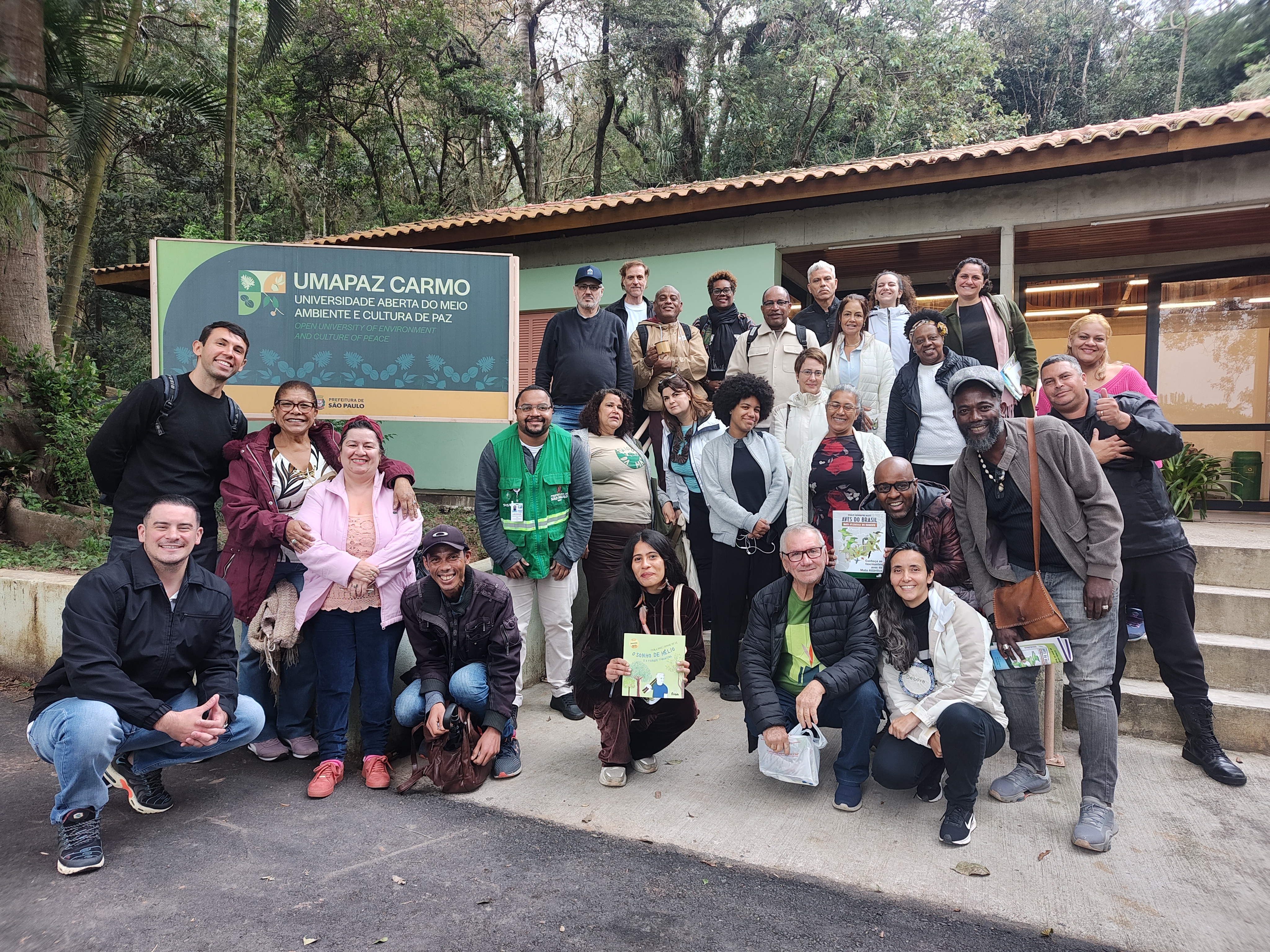
16 October 2026, Geneva, Switzerland - The Green Helmets initiative has launched a training programme in São Paulo's East Zone, Brazil, focusing on environmental governance, human security and community-based environmental action. Developed in partnership with the Open University for the Environment and Culture of Peace (UMAPAZ), the programme aims to strengthen local capacities to address environmental challenges and promote sustainable practices.
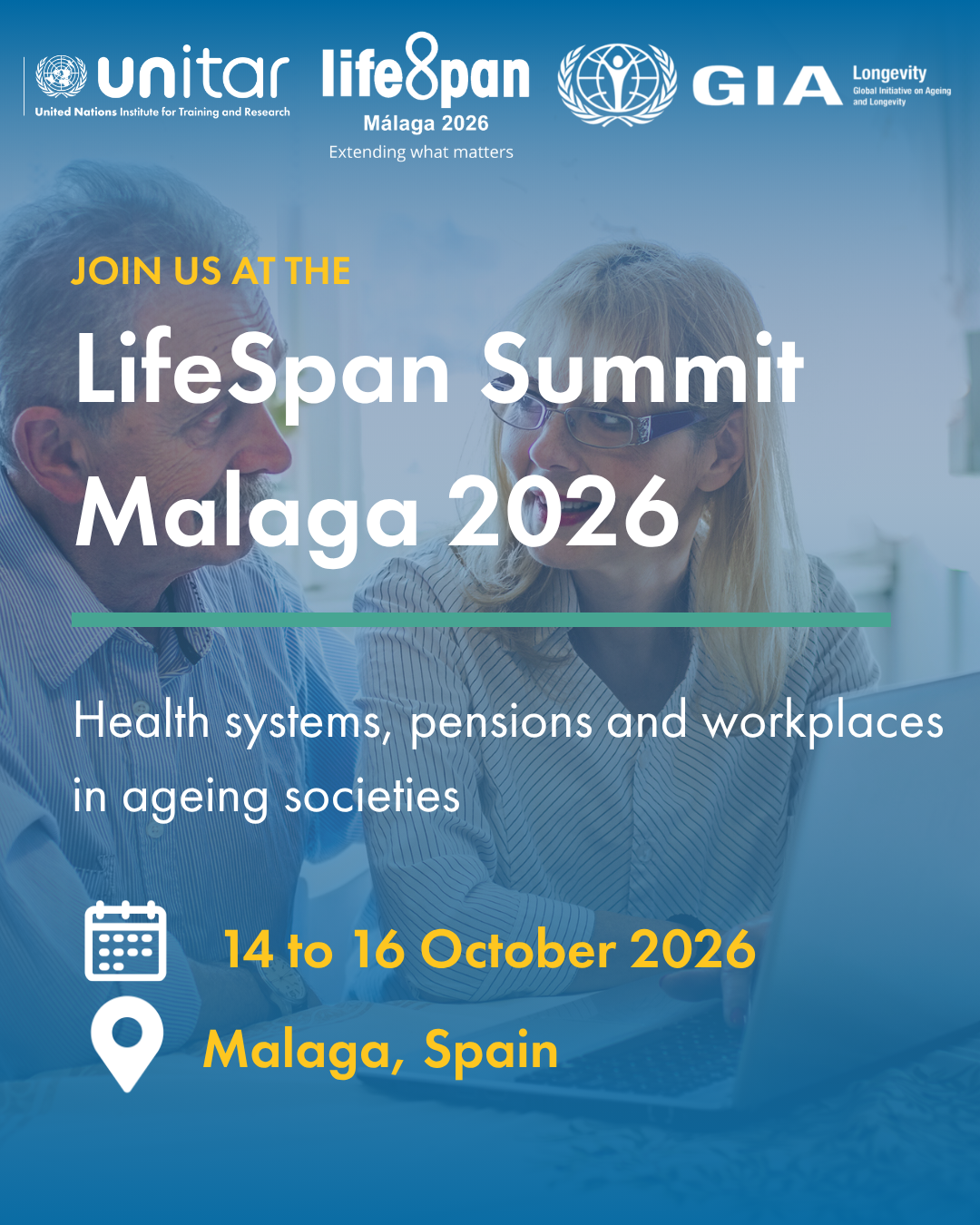
7 October 2026, Geneva, Switzerland – The 100-year life is changing business, policy and society. From 14 to 16 October 2026, the LifeSpan Summit in Málaga will bring together institutions, businesses, researchers and innovators who can help shape how societies respond to longer lives.