
UNITAR
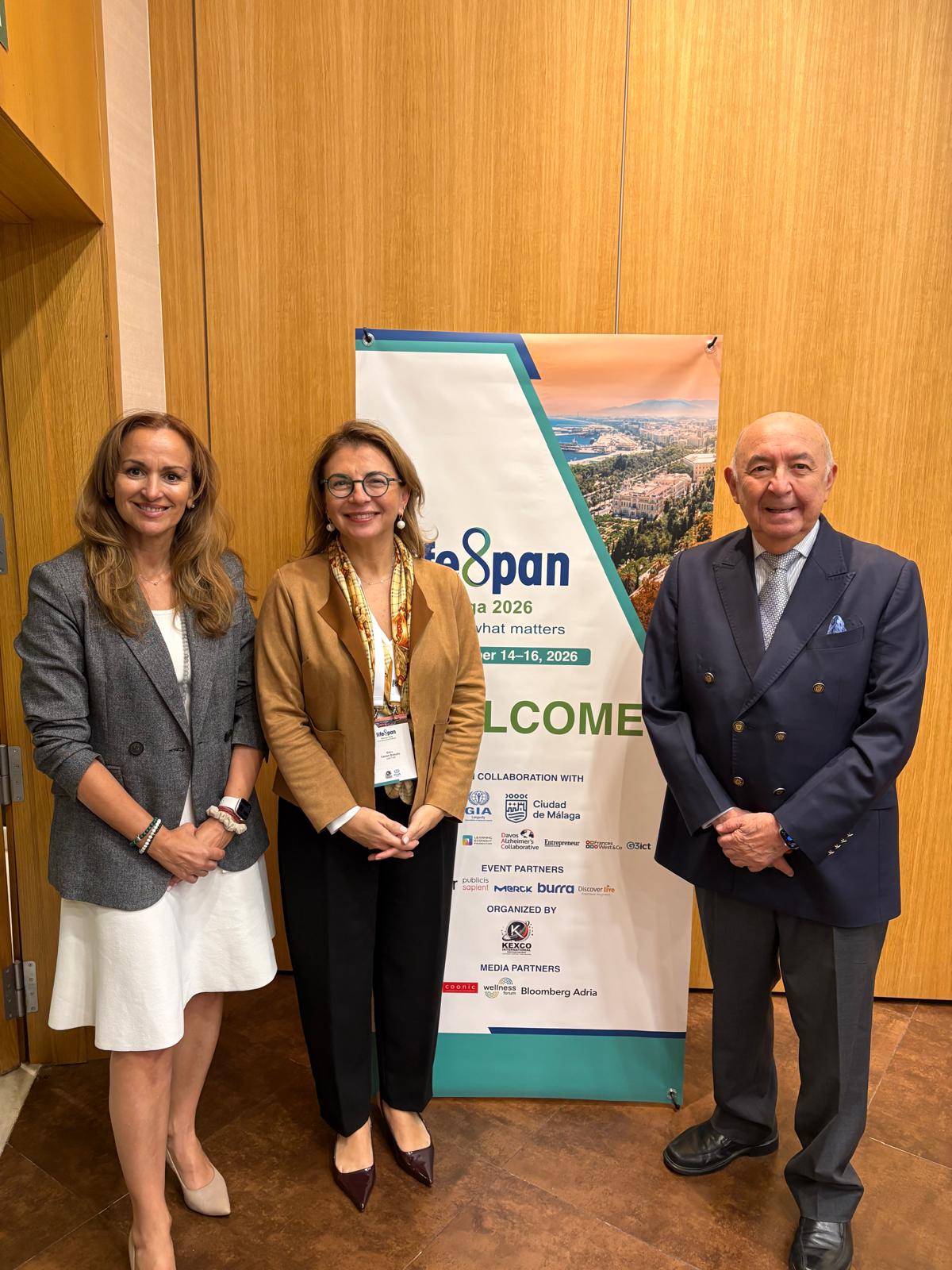
12 November 2026, Geneva, Switzerland – At the LifeSpan Summit 2026, the United Nations Institute for Training and Research (UNITAR) highlighted the need for governments and institutions to prepare for longer lives through coordinated action on education, employment, social protection and intergenerational cooperation, alongside advances in medicine and technology. The summit was held in Málaga, Spain, from 14 to 16 October 2026.
The Summit was co-hosted by the Global Initiative on Ageing and Longevity (GIA Longevity), a foundation established with UNITAR’s support that has worked in close partnership with the Institute since its inception. It brought together international organizations, policymakers, scientists, business leaders and innovators to examine the links between health, economic resilience, technological innovation, lifelong learning and social inclusion.
UNITAR
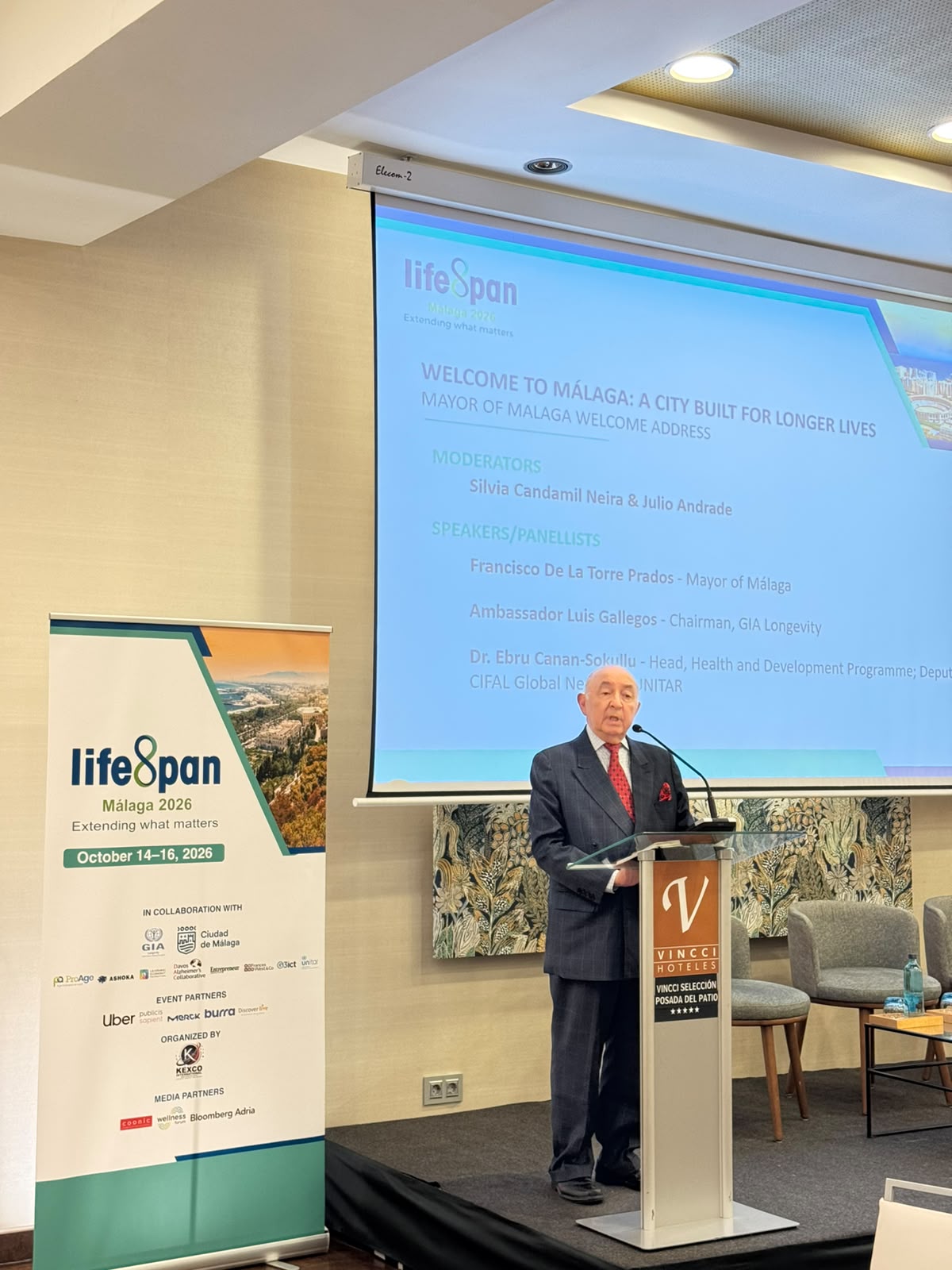
The ageing of the world’s societies is one of the most complex challenges we face today and in the near future. We are approaching one billion people over the age of 65, and this number is expected to reach 2.1 billion by 2050. Societies will change dramatically as a result of ageing and longevity, and we must prepare younger generations to understand these transformations and their consequences.
said Ambassador Luis Gallegos, Chairman of GIA Longevity.
UNITAR
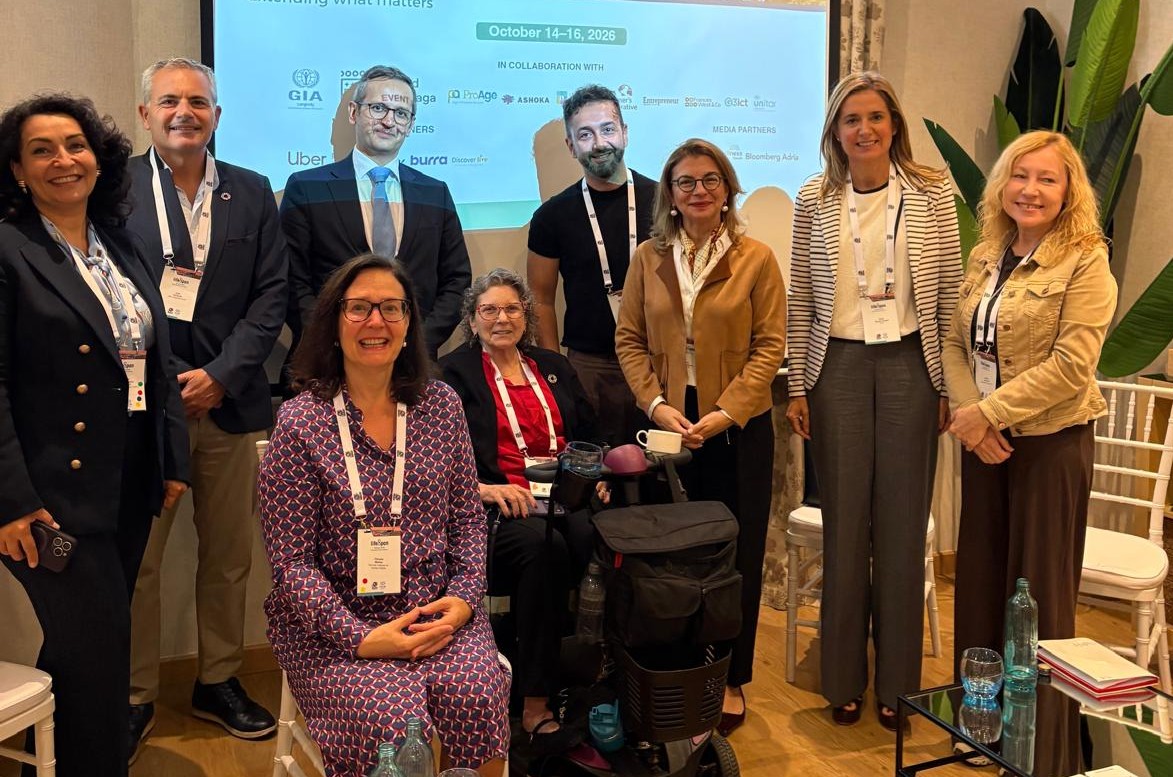
UNITAR’s contributions centred on capacity development: preparing institutions and communities for demographic change by connecting global knowledge with practical learning and local solutions. At the opening ceremony, UNITAR called for longevity to be treated as a societal transformation rather than a purely medical question, and for younger generations to be involved in shaping the agenda.
On the panel “Regulation as an Innovation Strategy: Unlocking the Longevity Economy”, Ebru Canan-Sokullu, Head of UNITAR’s Health and Development Programme, said:
“Regulation should not be seen as a barrier to innovation, but as an enabler of responsible progress. The real challenge is not only to accelerate scientific breakthroughs, but to ensure that innovation is accessible, equitable and translated into meaningful improvements in people’s lives.”
UNITAR carries this work forward through its Health and Development Programme and the CIFAL Global Network, whose 30 centres worldwide bring together local authorities, academic institutions, civil society and the private sector. In line with the UN Decade of Healthy Ageing (2021-2030), UNITAR also runs the Mainstreaming Knowledge on Ageing webinar series.