

Limited awareness and understanding of Human Rights trigger a number of challenges, including discrimination, access to fair and independent justice, and conflicts. In this regard, fostering knowledge, skills, and attitudes in this field enables more inclusive, prosperous, resilient, and peaceful societies. As a contribution to this end, the Saudi Human Rights Commission, UNITAR, and Majmaah University, developed and implemented the Expert in Human Rights Programme in the Kingdom of Saudi Arabia.
Structured across seven months, four modules, and two phases, the programme combined self-paced learning, online lectures, and face-to-face training sessions in Riyadh and Geneva. Saudi professionals from different sectors explored the foundations of International Human Rights Law, national and international mechanisms, leadership, public policies, geopolitics, as well as communication. By the end of the programme, 53 participants successfully completed all requirements and were awarded a Certificate of Fellowship. This impact story was guided by the 4 levels of the Kirkpatrick-Phillips evaluation approach and details the experiences of participants who have successfully completed all programme phases.
Programme results
Participant feedback collected throughout the programme suggests that it was well-positioned to meet participant needs, effectively addressing knowledge gaps while maintaining a strong connection to real-world professional contexts. Across all modules, 87 per cent of participants reported that the content presented was new to them, and 80 per cent indicated that it was relevant to their job. Thereby creating a strong foundation for meaningful learning.
This became evident in the follow-up survey conducted several months after programme completion, which invited participants to reflect on how the experience had influenced their competencies and professional practice. Respondents described a substantive shift in their knowledge and skills. While most initially rated their knowledge, skills, and competencies as low to fair before the programme, the majority reported the highest level of self-assessed competence after completion.
Figure 2 illustrates that the proportion of respondents who rated their knowledge, skills, and competencies as “very good” increased substantially for each learning objective (LO), reflecting strengthened confidence and perceived mastery.
The large majority, 79 per cent, reported having applied learning from at least one module in their workplace. Respectively 67 per cent and 78 per cent, indicated doing so often or frequently and either fully or very confidently. Male respondents reported slightly higher application rates across several modules, whereas female participants demonstrated more consistent application overall.
All attributed the application of Human Rights knowledge and skills to the programme, although to differing degrees. However, transfer of competencies developed through the Training of Trainers component proved more challenging, with approximately half of the respondents reporting having used these skills in practice.
Respondents also reflected on the conditions that influenced their ability to apply learning. On the one hand, high levels of confidence, the applicability of knowledge and skills to participants’ contexts, and support from colleagues emerged as key enabling factors. The previously discussed findings suggest that the programme effectively fostered these conditions, as participants reported high levels of confidence and the content as relevant to their jobs (See Figure 3). On the other hand, time constraints, limited opportunities, varying levels of supervisory support, and limited resources emerged as main challenges (See Figure 4). These findings underscore that while individual capacity was strengthened, the translation of learning into sustained practice also depends on institutional conditions.
This is further reflected in the near-even split among respondents who reported having observed tangible improvements in performance or results following the application of newly acquired knowledge and skills.
The stories that follow offer a closer look at how participants engaged with these realities. The experiences of Dr. Haya Zedan, Mr. Alanazi, and Ms. Alasiri illustrate how learning was applied and carried forward across different professional environments.
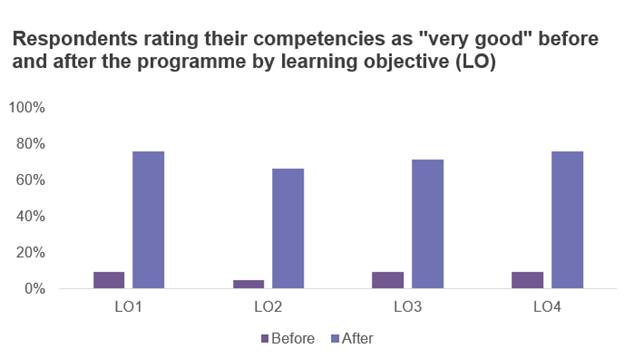
Figure 2 - Increase in knowledge, skills and competencies
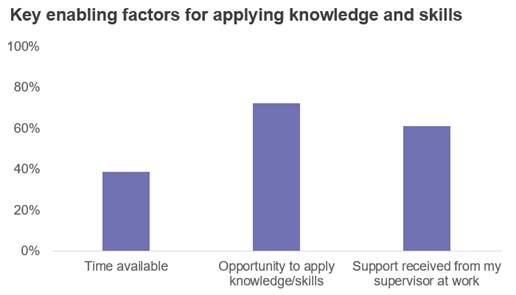
Figure 3 - Key enabling factors for application
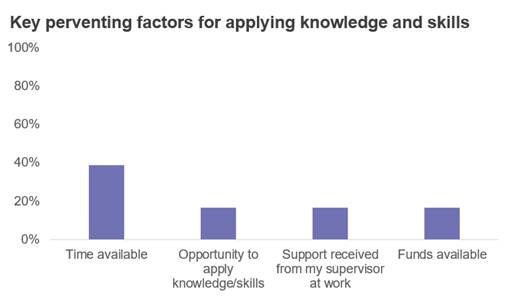
Figure 4 - Key preventing factors for applying knowledge and skills
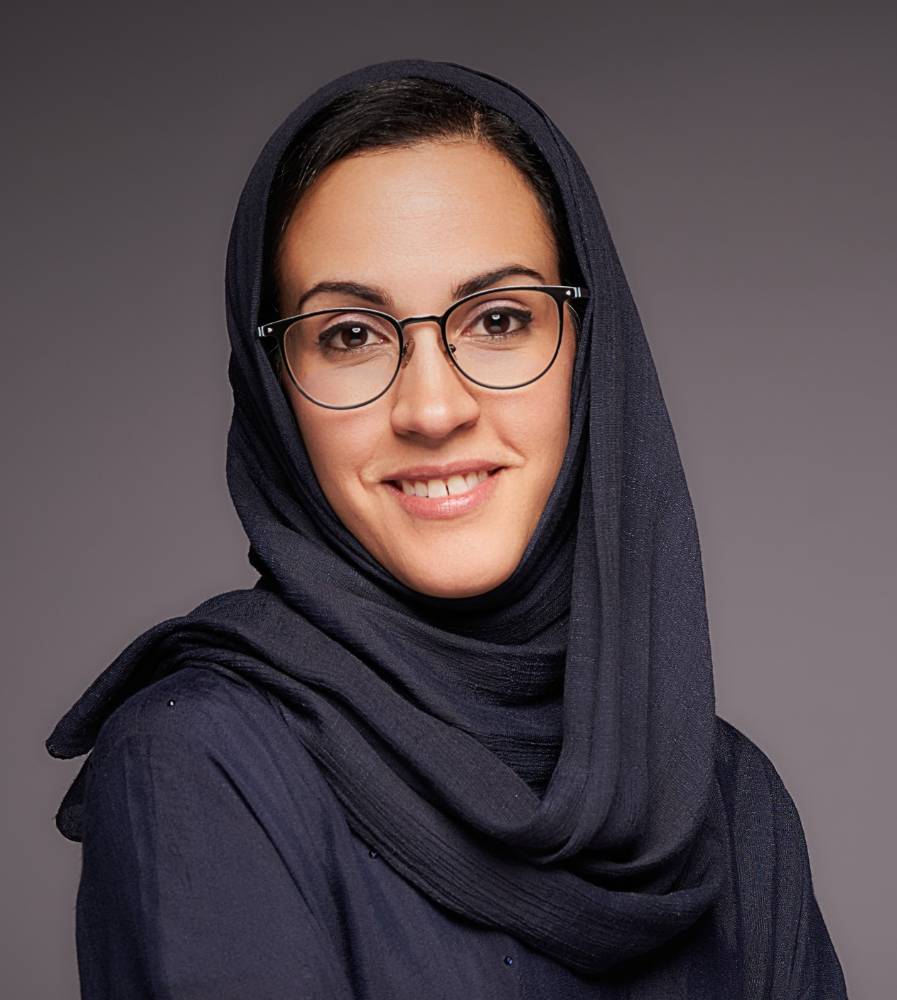
Dr. Haya Zedan
Advisor to the Secretary-General – Family Affairs Council Deep Learning, Lasting Practice
Deep Learning
Lasting Practice, For Dr. Haya Zedan, the Expert in Human Rights Fellowship programme was demanding as well as rewarding. Both time and research-intensive by design, the programme encouraged participants to engage deeply and critically. Although challenging, it was precisely this sustained depth that made the experience transformative for Dr. Zedan, bolstering her confidence to navigate Human Rights standards with more precision. She explains:
We spent weeks learning, discussing and critically reviewing these issues, interacting with global and local expertise, building our capacity to identify, adjust and advise on where and how we can enhance our human rights efforts. This was inherently valuable to furthering our mission and our work…
The intensity of the programme also fostered cross-sectoral collaboration. Participants supported one another through shared goals and real challenges, broke down silos, networked, and gained insight into how Human Rights are being promoted across the board.
It was wonderful to be able to see what other entities are putting forward in line with the goals of Saudi Vision 2030; to have this level of awareness and knowledge. We tend to operate in silos, so to be able to have this access and this network through the fellowship cohort […] was really appreciated.
Today, Dr. Zedan applies the knowledge and skills gained through the programme to her professional roles. As an academic, she actively integrates Human Rights principles into her research and teaching, educating on the importance of safeguarding dignity and promoting Human Rights in all aspects of healthcare. As part of her work with the Family Affairs Council, she became an in-house reference point on Human Rights issues, advising on best practice related to frameworks, mechanisms, agreements, standards, regulations, recommendations, language, and more. Through this role, she has contributed to discussions and guidance on how government, private, and non-profit sectors can collaborate to advance national priorities for health and well-being for families. Dr. Zedan also strives to apply this perspective in her community-based work, where she develops content on health rights and women’s empowerment and facilitates trainings and seminars for both professionals and the public.
She expressed the importance of adopting a Human Rights perspective:
[Applying] this Human Rights lens to the work that we are doing [...] is […] very important, and aligns well with our Islamic principles, morals, and values. The knowledge and skills gained from the programme added a layer of depth to what we work on and ensures a better appreciation of how it impacts Human Rights for the individuals, families, vulnerable groups, and issues that we work on.
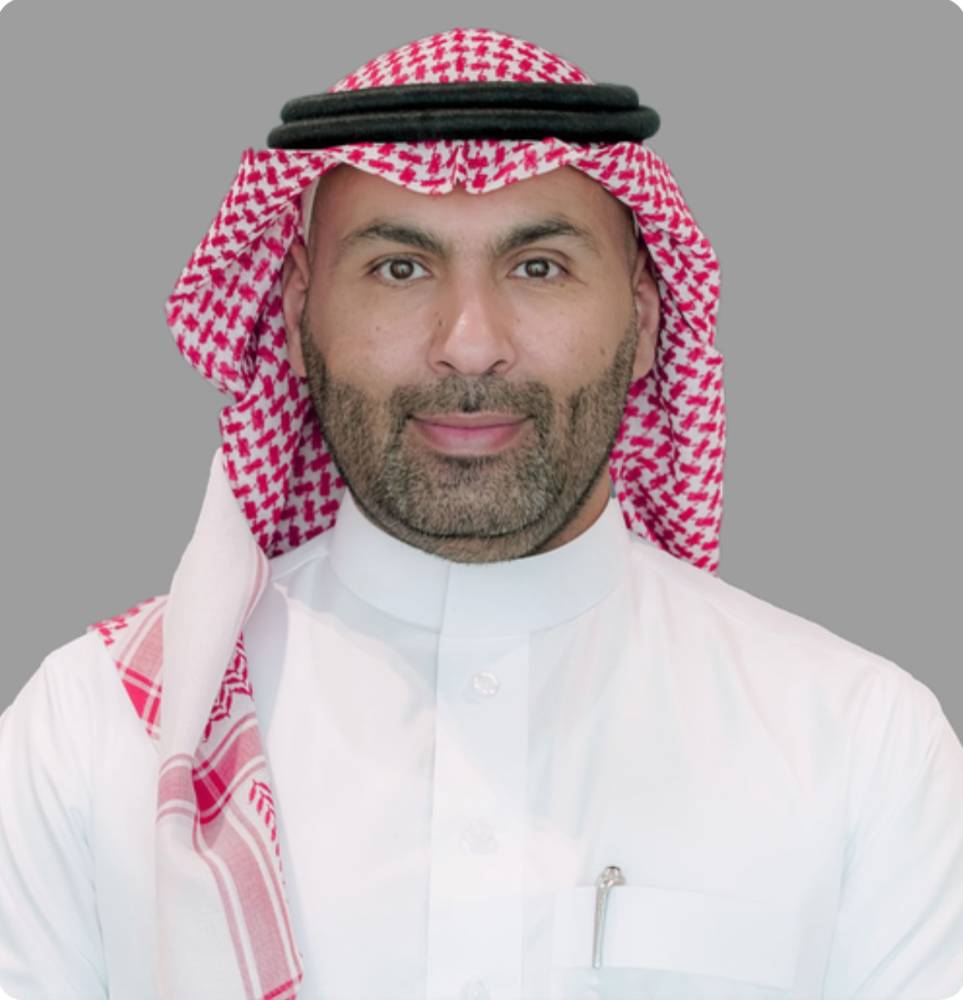
Mr. Majed Abdullah Alanazi
Customer experience manager – Social Development Bank
Putting passion into practice
Mr. Alanazi works as a customer experience manager at the Social Development Bank. For him the programme marked a turning point, reshaping how he understands his role, responsibilities and the purpose of his work. It prompted him to reflect on how the Bank supports, accompanies and communicates with its clients, particularly those in vulnerable situations, and how its developmental mandate could be further advanced through initiatives that strengthen knowledge, inclusion and empowerment.
[...] we must give the most vulnerable groups not only their rights but also attention so that they feel safe, and that the Social Development Bank stands by them and that this is possible, this is something I learned a lot about in the Human Rights Expert Programme.
What began as structured learning quickly evolved into a deep personal commitment to promote Human Rights principles within his professional environment and beyond, that has “taken over his basic work”.
Enthusiasm, transferring knowledge, and adopting aspects of supporting Human Rights […] I have found a great passion, I feel that this is my personal cause.
Building on the knowledge, skills, and confidence gained through the programme, Mr. Alanazi was keen to extend its impact beyond his own role. He took the initiative to organise an internal awareness workshop that directly linked Human Rights principles to the Bank’s work with groups made vulnerable. The workshop introduced a new, well-received perspective, and encouraged colleagues to reflect on how these considerations can improve service design and delivery. It furthermore sparked a series of informal exchanges with colleagues and department managers. Through these interactions, Mr. Alanazi shared key insights from the programme and supported colleagues in connecting principles, standards and recommendations to their day-to-day professional responsibilities.
I connected the dots […] it was useful and had a significant impact. During the workshop, they were very enthusiastic and said that they were hearing something new, something that they had not heard before, even management was involved in it.
Beyond his institutional context, and in addition to his participation in the national programme for delegations’ participation in international forums and the promotion of intercultural communication (Dirayah Program), Mr. Alanazi reached out to the Salam Centre for Cultural Communication to offer free Human Rights training in collaboration with other programme graduates, extending the programme’s reach into the wider community.
Through these efforts, Mr. Alanazi continues to support the practical application of Human Rights principles and to contribute to the sustainability of the programme’s impact.
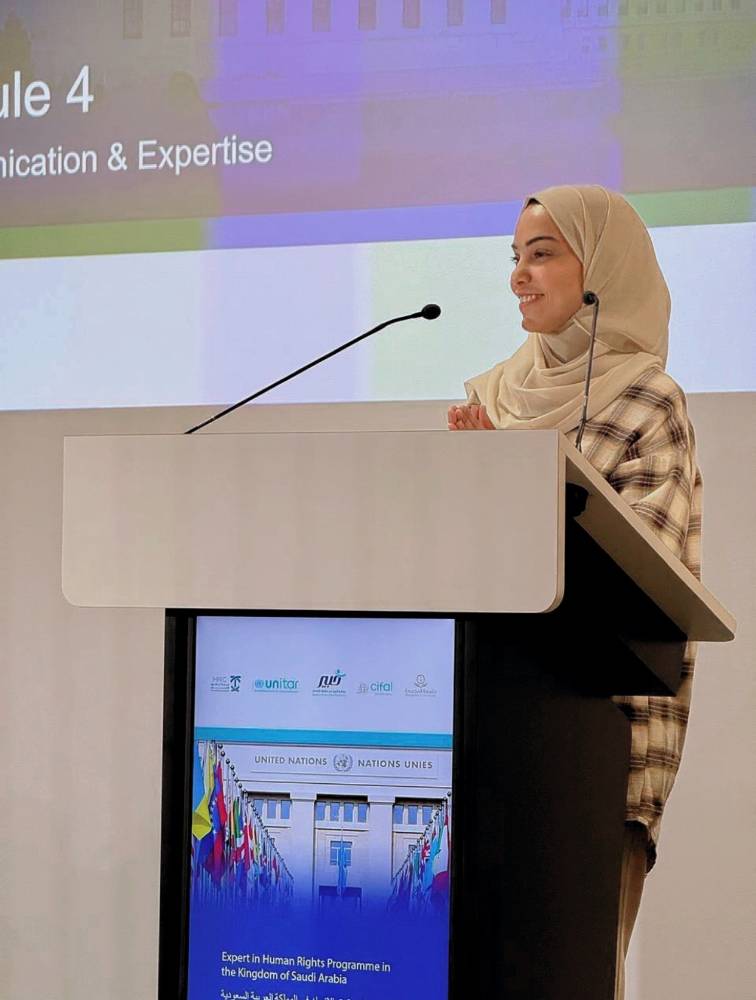
Ms. Alanoud Mohammed Alasiri
Legal researcher & lecturer
Choosing a Human Rights path
Human Rights had long been an area of interest for Ms. Alasiri who has an academic background in sustainable finance and works as a legal researcher and lecturer in Compliance & Sustainability. While she was familiar with related concepts, the programme provided the opportunity to build a solid foundation and explore how Human Rights principles could be understood and used within her own context.
Before the programme [...] my engagement in Human Rights remained more conceptual than applied. As a result [of the programme], I now feel very confident integrating Human Rights-based approach into my professional work, contributing to several capacity building initiatives.
Following the programme, Ms. Alasiri began working closely with colleagues to develop and deliver awareness workshops and training activities at her organization that will link standards and best practices with internal legal frameworks. With these initiatives she aims to embed Human Rights considerations within existing institutional mandates and strengthen internal understanding across her organisation.
On a personal level, the experience influenced her long-term professional direction. At a point where many in her field gravitate toward emerging specialisations, the programme contributed to her decision to pursue doctoral research focused on safeguarding fundamental rights in financial services.
For someone with a similar academic background, pursuing a PhD would typically involve specializing in emerging fields like financial technology. However, this programme shifted my focus toward Human Rights. It made me realize that the most critical gap in finance today is not merely technical innovation, but the protection of fundamental rights such as privacy and anti-discrimination within financial systems, especially for those using AI technologies.
Looking beyond her own trajectory, Ms. Alasiri situates her journey within a broader collective effort, and ends on a powerful note:
As the first generation of Human Rights Expert, I understand that impact is not always immediate and can take many forms over time. Still, I remain confident that our collective efforts will contribute meaningfully to advancing Human Rights.
Conclusion
Overall, the programme successfully strengthened participants’ knowledge, skills, and confidence, resulting in a high level of satisfaction and substantial self-assessed gains across all learning objectives. Importantly, these improvements were sustained several months after programme completion, with the majority of respondents reporting regular application of learning in their workplaces and a high degree of confidence in doing so.
These broader programme results are reflected in the experiences of Dr. Zedan, Mr. Alanazi, and Ms. Alasiri. Each reported increased confidence and concrete application of learning through activities such as advising colleagues, strengthening internal awareness, reviewing institutional frameworks, and engaging in training and dialogue. Together, their journeys reveal how Human Rights learning moves beyond the classroom, shaping practice, purpose, and impact across institutions and communities.
File