

Photo Credit: Lorenzo Franchi, UNITAR
Photo Credit: UNITAR
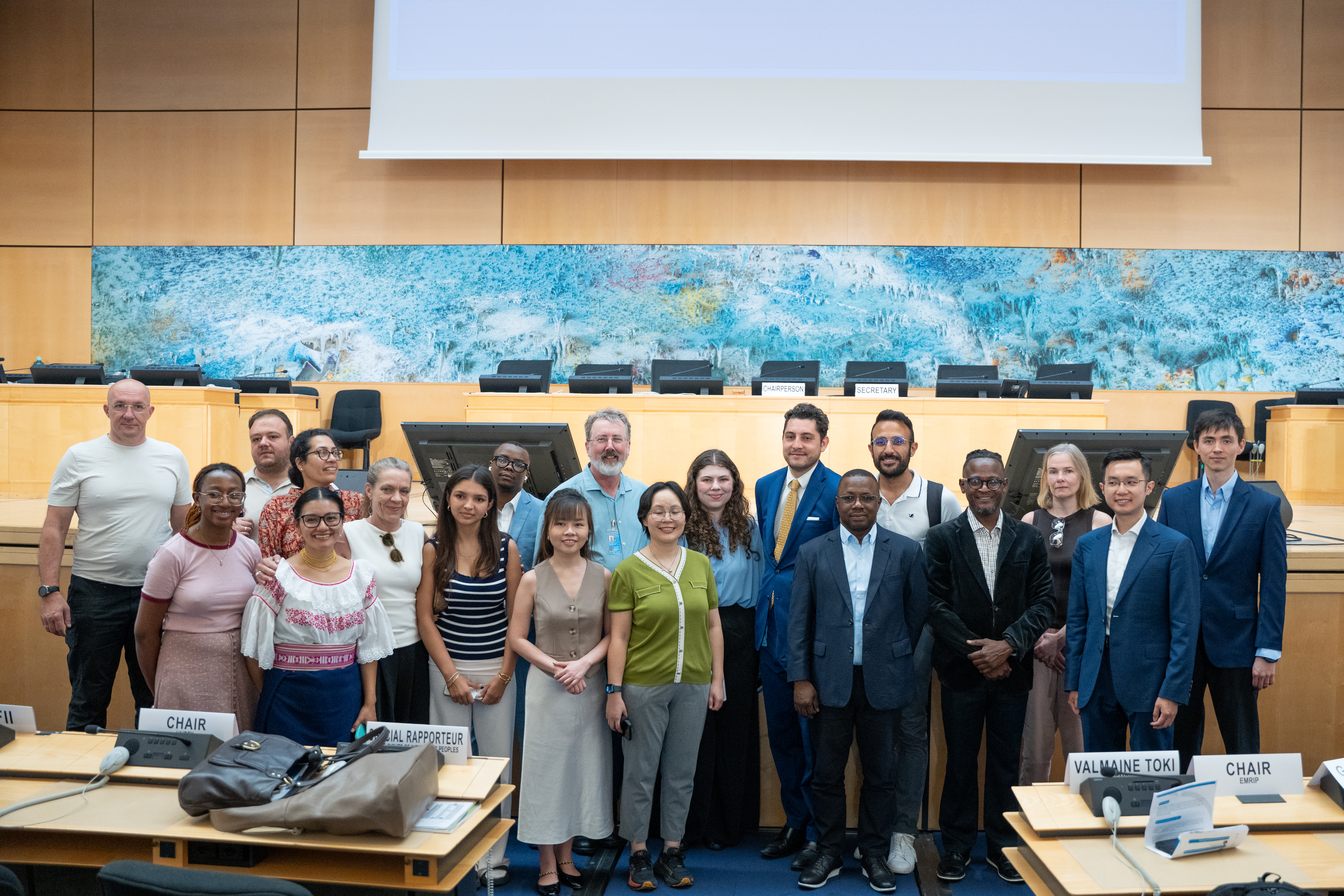
Photo Credit: UNITAR
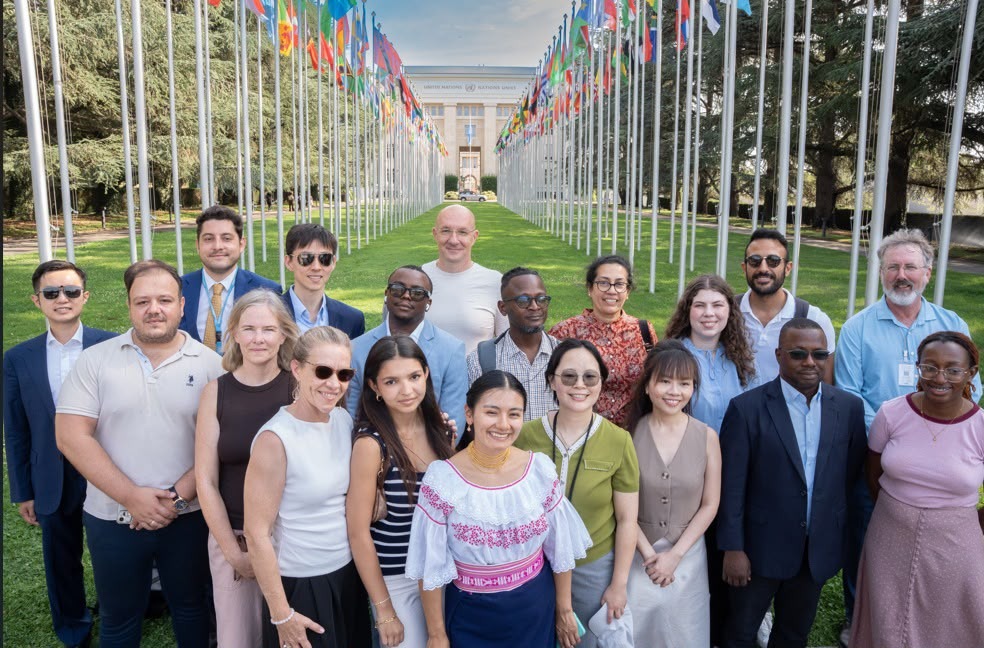
13–17 July 2026, Geneva, Switzerland – The United Nations Institute for Training and Research (UNITAR) successfully concluded the inaugural United Nations Chemicals and Waste Management Study Programme, bringing together professionals from governments, international organizations, academia, civil society, and the private sector for an intensive week of learning and collaboration on international chemicals and waste governance.
Hosted across the Palais des Nations, the International Environment House, and partner institutions throughout Geneva, the programme showcased the city's role as the global hub for chemicals and waste governance. Over five days, 24 participants engaged directly with 40 experts representing 28 organizations, including United Nations agencies, multilateral environmental agreements, scientific institutions, government representatives, industry, and civil society.
As the world confronts the Triple Planetary Crisis of climate change, biodiversity loss, and pollution, strengthening global capacity in the sound management of chemicals and waste has never been more important. The programme facilitated by Pierre Quiblier, Senior Expert, UNITAR, equipped participants with practical knowledge, technical tools, and international networks to support safer chemicals management, stronger environmental governance, and the transition towards a circular economy.
Building on the success of this inaugural cohort, UNITAR will deliver the next edition of the United Nations Chemicals and Waste Management Study Programme in November 2026, continuing to strengthen global expertise and international cooperation in support of healthier people, cleaner environments, and more sustainable societies.
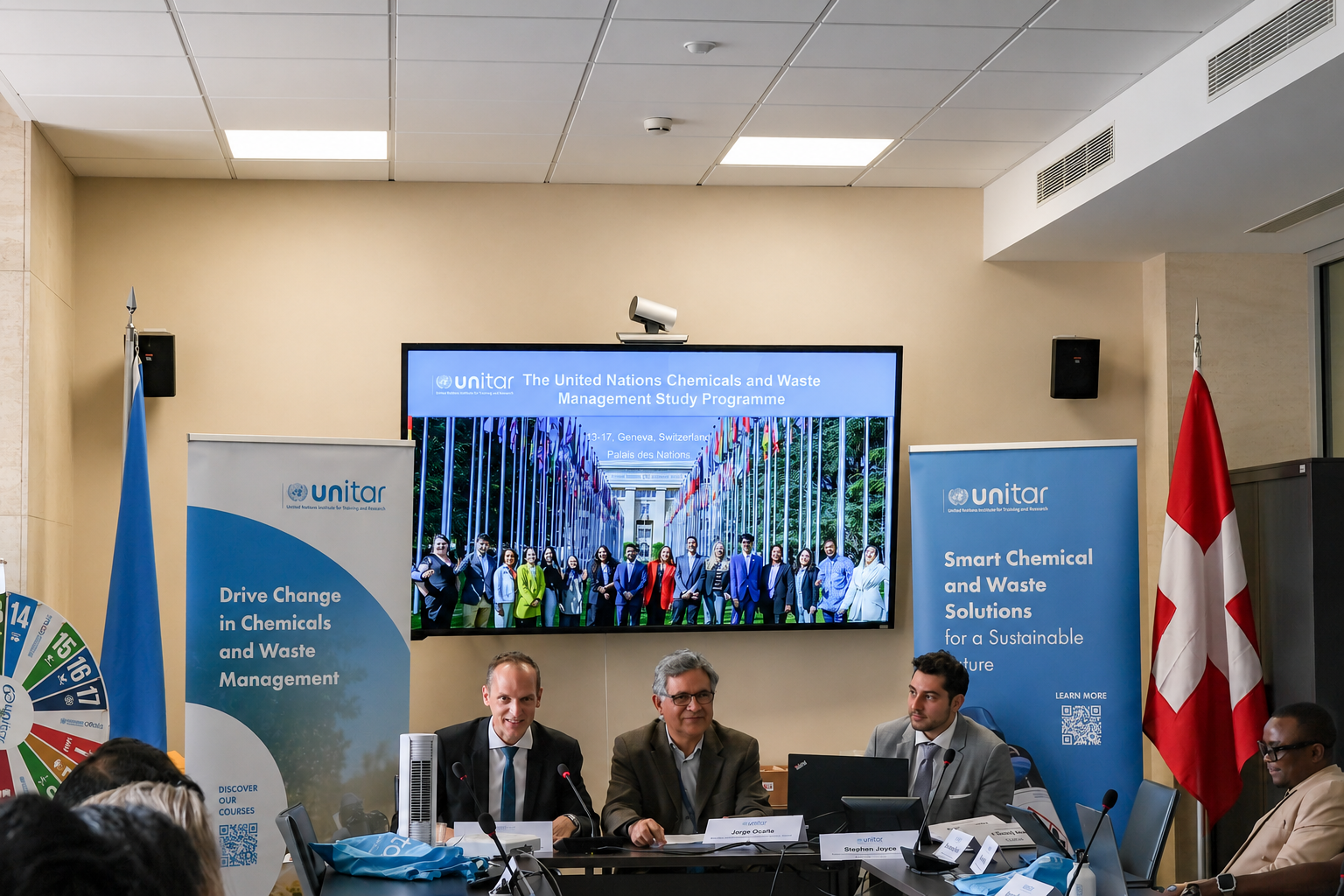
Photo Credit UNITAR
The programme opened with welcoming remarks from the Permanent Mission of Switzerland and UNITAR, highlighting the growing importance of international cooperation from Geneva’s hub in addressing chemicals, waste, and pollution challenges.
Mr. Jonas Pasquier, Head of Global Affairs, Permanent Mission of Switzerland to the United Nations in Geneva, stated that:
“People sometimes describe Geneva as an international village. A place where you hear the languages of the world, where global issues are debated with great care, and where wise decisions are made in quite meeting room like this–can be heard across oceans, continents, and have a great impact. Geneva’s strength lies not only in its numbers [of organizations based here]; it lies in its proximity. When people work on the environment, trade, health, and labour in the same buildings, things happen that cannot be planned. A conversation over a coffee, a spontaneous engagement between diplomats or experts, a collaboration that begins at a side event. This proximity is a quiet but powerful force. Nowhere is this more visible than in the chemicals and waste governance cluster you will discover this week.”
Mr. Jorge Ocana, Manager, Chemicals and Waste Management Programme, UNITAR, further mentioned: “Geneva is the Chemicals and Waste Management capital of the world. If you look at the number of organizations, Permanent Missions, NGOs, industries, and people that are working on chemicals and waste, it's just quite big here, and I think no capital has that same wealth of expertise as this hub. We look forward to sharing it with you this week.”
The first day established the broader context for the programme through presentations examining the links between chemicals and waste management, human health, environmental protection, and sustainable development. Experts from the World Health Organization (WHO) explored the importance of integrating health and safety throughout the chemicals life cycle, while the United Nations Environment Programme (UNEP) examined the drivers of pollution
and the policy responses needed to strengthen the sound management of chemicals and waste.
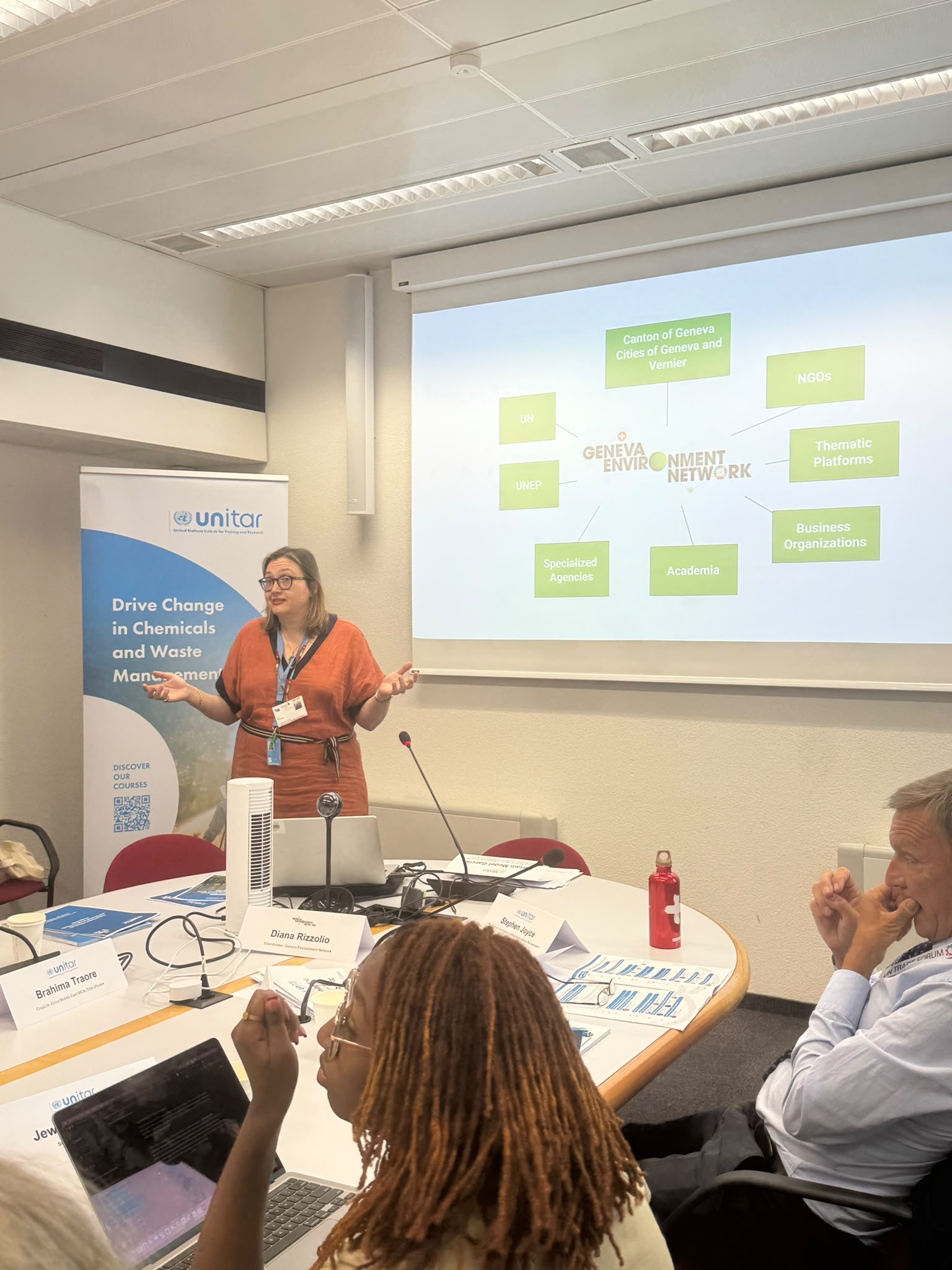
Photo Credit: UNITAR
Participants also received an overview of Geneva's unique role as a global hub for environmental governance through a session delivered by the Geneva Environment Network, before concluding the day with a panel discussion exploring how international organizations collaborate to address emerging chemicals and waste challenges from the Permanent Mission of Mexico to the United Nations offices in Geneva, Dow Chemical Company, and the Global Waste Cleaning Network (GWCN) (see full speaker list in acknowledgment section below).
Day 2: International Governance and Legal Frameworks
Building upon the global context established on the first day, participants explored the international legal and institutional architecture supporting chemicals and waste management.
Experts introduced the foundations and implementation of the Basel, Rotterdam and Stockholm Conventions, followed by sessions on the Minamata Convention on Mercury, the Aarhus Convention and its Protocol on Pollutant Release and Transfer Registers (PRTRs) from the United Nations Economic Commission for Europe, occupational safety and health in chemicals management from the International Labour Organization (ILO), and the Global Framework on Chemicals (GFC).
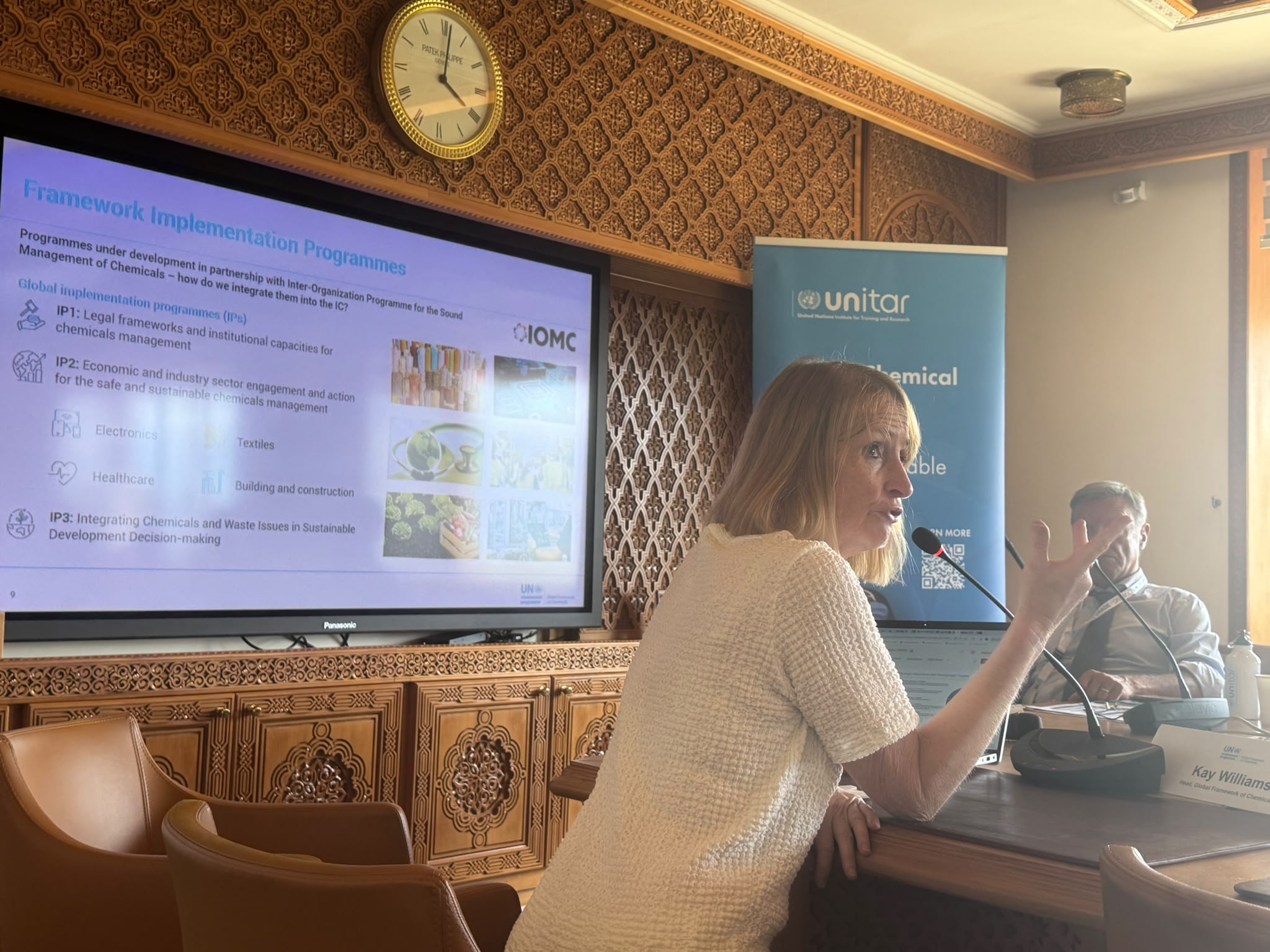
Photo Credit: UNITAR
In her session, Dr. Kay Williams, Head, GFC, stated that “the first International Conference of the Global Framework on Chemicals marks an important milestone in turning global ambition into practical action. Achieving the Framework's vision will depend on informed leaders, strong institutions and collaboration across sectors. Programmes such as this play a vital role by equipping participants with the knowledge, skills and networks needed to advance the safe and sustainable management of chemicals and waste. We look forward to welcoming many of these future leaders to the Conference, where they can help shape partnerships and accelerate implementation worldwide.”
Participants then applied their knowledge during an interactive policy mapping exercise designed to illustrate how international agreements, organizations, scientific bodies, and national institutions collectively contribute to global chemicals governance.
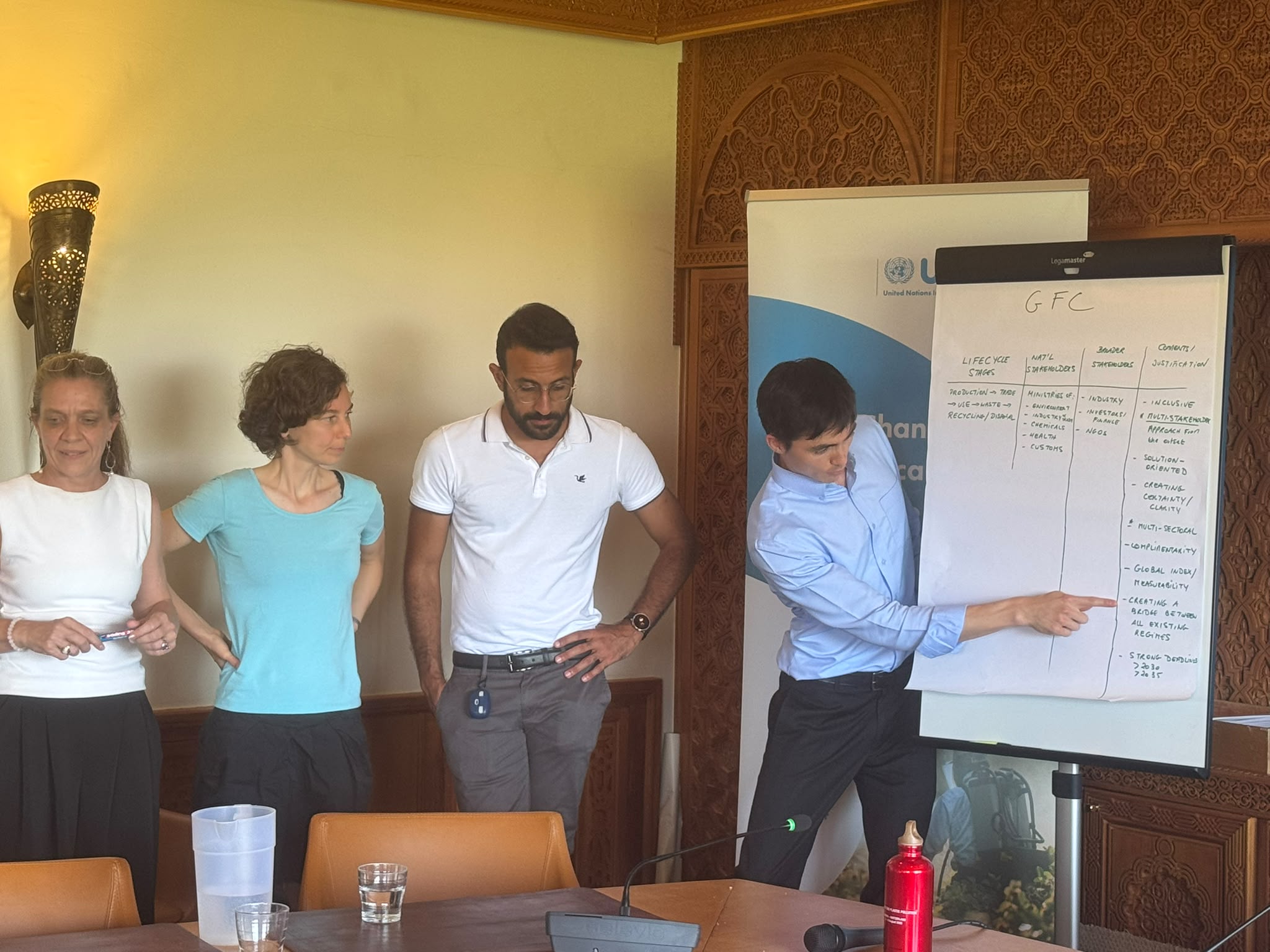
Photo Credit: UNITAR
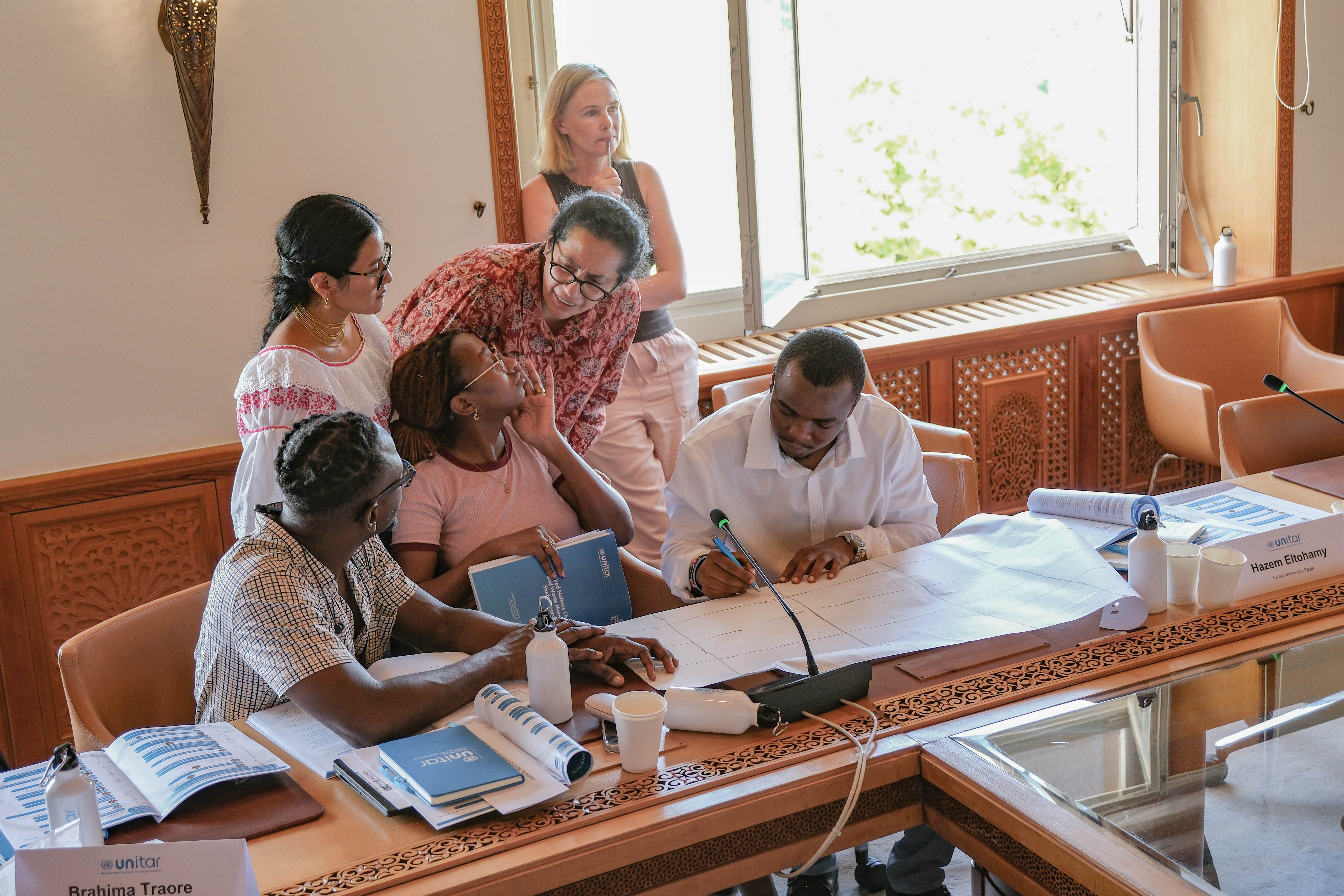
Photo Credit: UNITAR
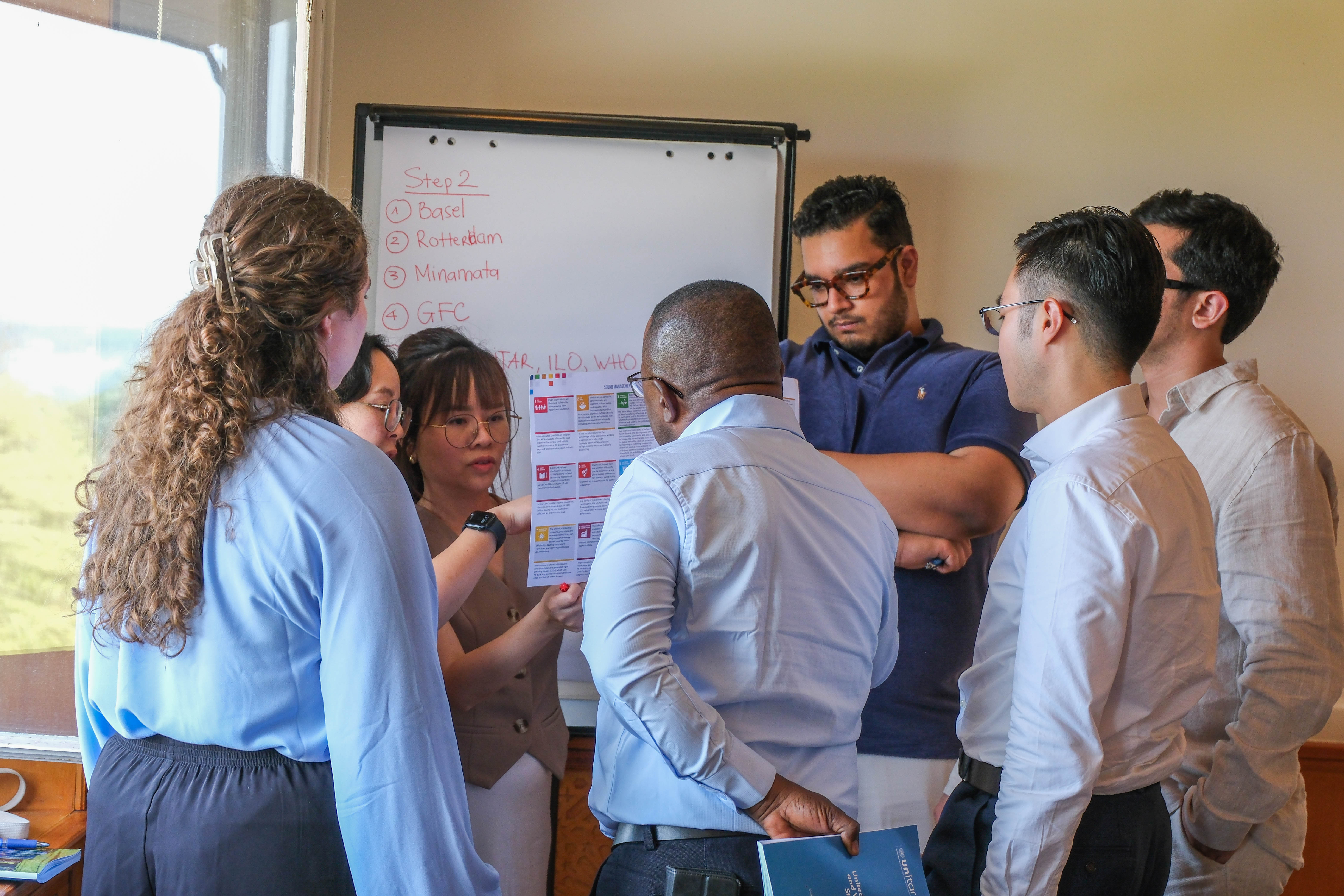
Photo Credit: UNITAR
One key takeaway from this exercise was that participants demonstrated their understanding of how the chemicals lifecycle, and the relevant stakeholders relate to the Conventions/Framework (as seen above in the example with the GFC).
The day concluded with a dedicated career session providing practical insights into professional pathways within the United Nations system and related international organizations delivered by UNITAR, and UNCTAD.
Day 3: From Policy to Practice
The third day shifted the focus from international governance to implementation.
Participants visited CTDS SA, a hazardous waste management facility managed by the Canton of Geneva, to observe first-hand how hazardous wastes are collected, treated, and managed in accordance with international standards.
Ms. Axelle Souchard, Directrice, CTDS SA, commented that "here at CTDS, we contribute to a sound and responsible hazardous waste management at the local level, close to the people of Geneva and western Switzerland. We encourage those who visited our facility to apply these lessons moving forward in their own environments, and make a sustained impact in their localized communities".
Visit to Hazardous Waste Management Facility: CTDS SA
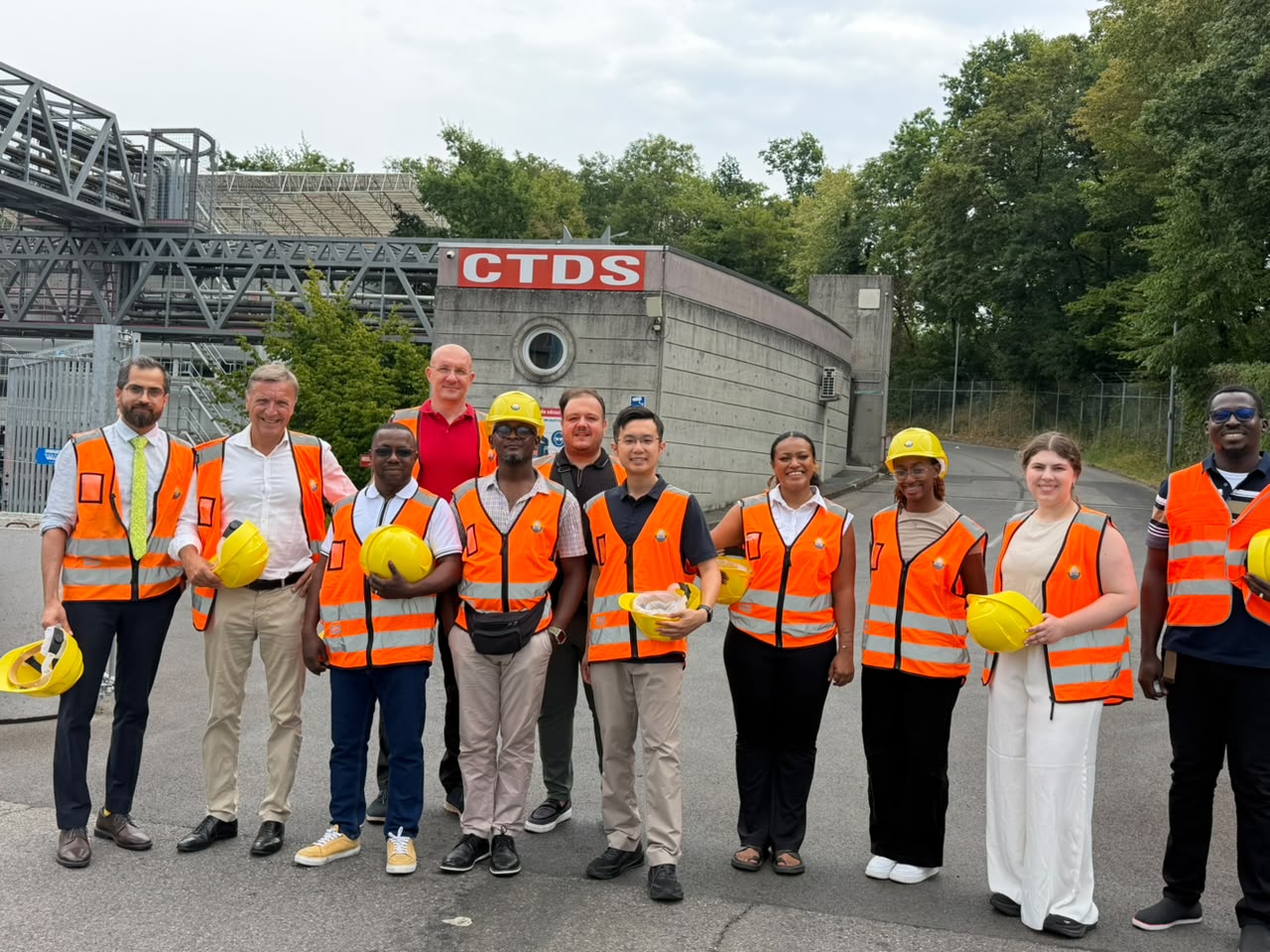
Photo Credit: UNITAR
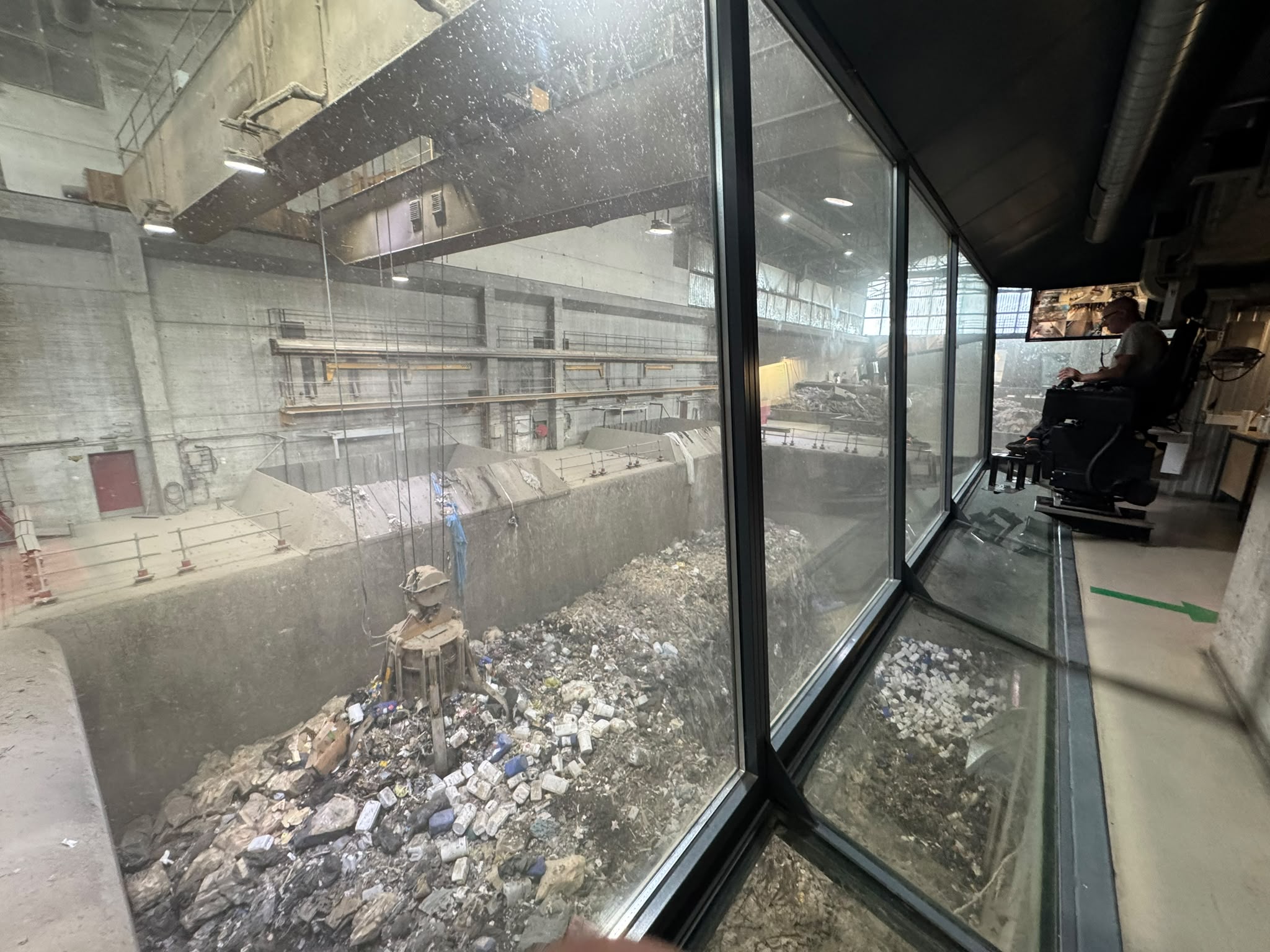
Photo Credit: UNITAR
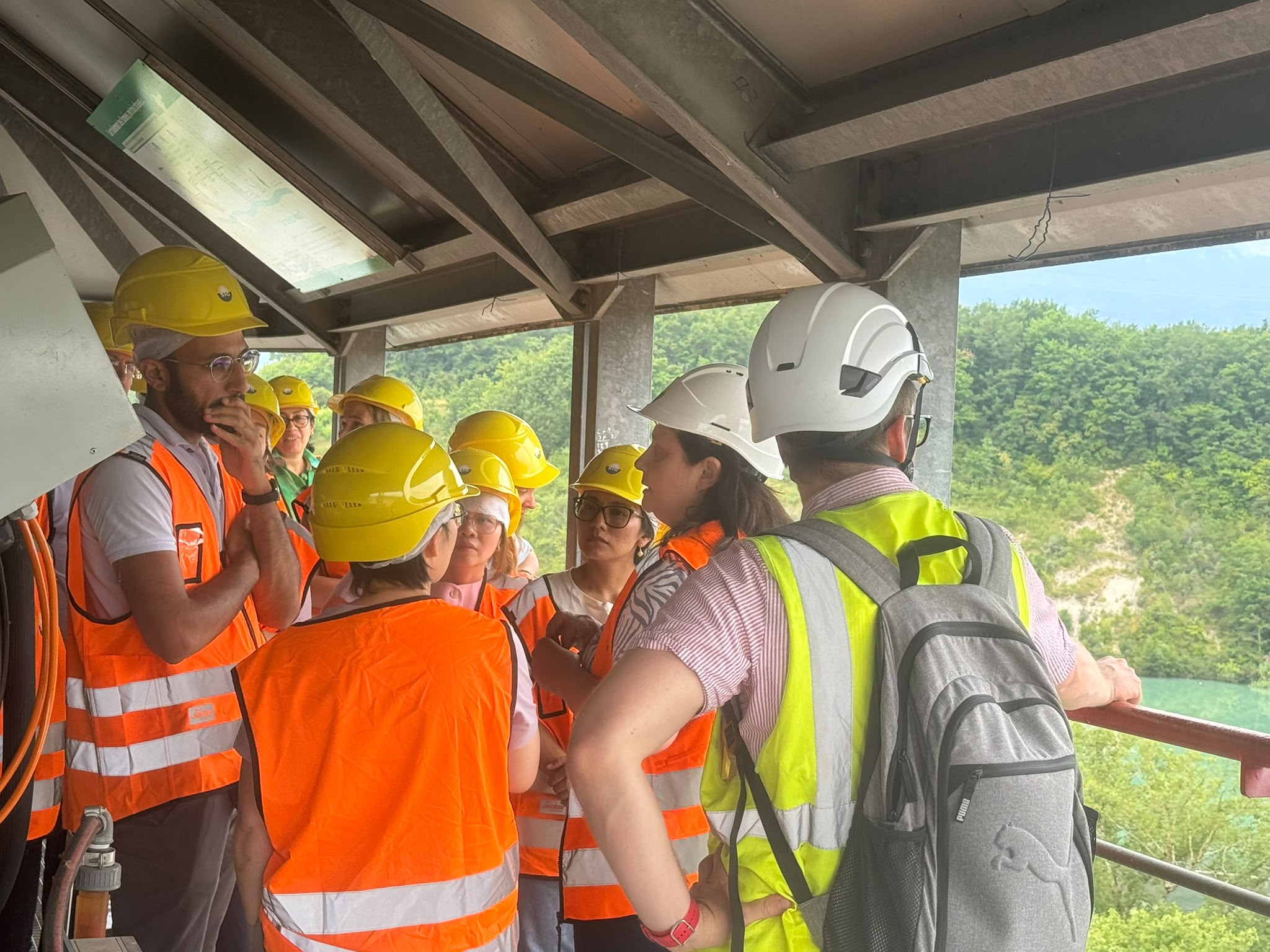
Photo Credit: UNITAR
The programme then explored how innovation and collaboration can strengthen implementation through sessions on Sustainable Chemistry from the International Sustainable Chemistry Collaborative Centre (ISC3) and the work of the Inter-Organization Programme for the Sound Management of Chemicals (IOMC), including demonstrations of the IOMC Toolbox as a practical resource for policymakers and practitioners.
Mr. Jonathan Krueger, Coordinator, IOMC Secretariat, exemplified that "for over 30 years, the IOMC has served as a cornerstone of international cooperation on chemicals and waste. It reinforces the value of a formalized structure for UN organizations and agencies to work together in an increasingly challenging time for multilateralism. Programmes, such as these, reinforce the need for continued coordination across participating entities, and supporting participants' engagement in chemicals and waste management is vital to finding innovative solutions to address the planetary crisis of pollution."
A multi-stakeholder panel discussion concluded the day from Exeter University, Zoi Environment Network, and the Chemicals and Waste Youth Platform by examining the role of how different platforms, such as the Intergovernmental Science-Policy Panel on Chemicals, Waste, and Pollution, and community engagements can drive action in building partnerships, and the momentum required to translate international commitments into national action.
Day 4: Technical Tools, Innovation, and Circular Solutions
The fourth day examined practical tools and emerging issues shaping the future of chemicals and waste management.
UNITAR began the day by introducing participants to the Globally Harmonized System of Classification and Labelling of Chemicals (GHS) and its role in improving chemical safety and international trade before joining a panel discussion on food waste, prevention strategies, and circular economy approaches led by UNITAR, FAO, and FLW360.
Additional sessions from the Organisation for Economic Co-operation and Development (OECD) addressed the role of identifying chemicals of concern and per- and polyfluoroalkyl substances (PFAS), the Global Plastic Action Partnership analyzed global efforts to tackle plastic pollution, and the World Bank Group explored the role of financing mechanisms for chemicals and waste management in accelerating implementation for public-private sector investment.
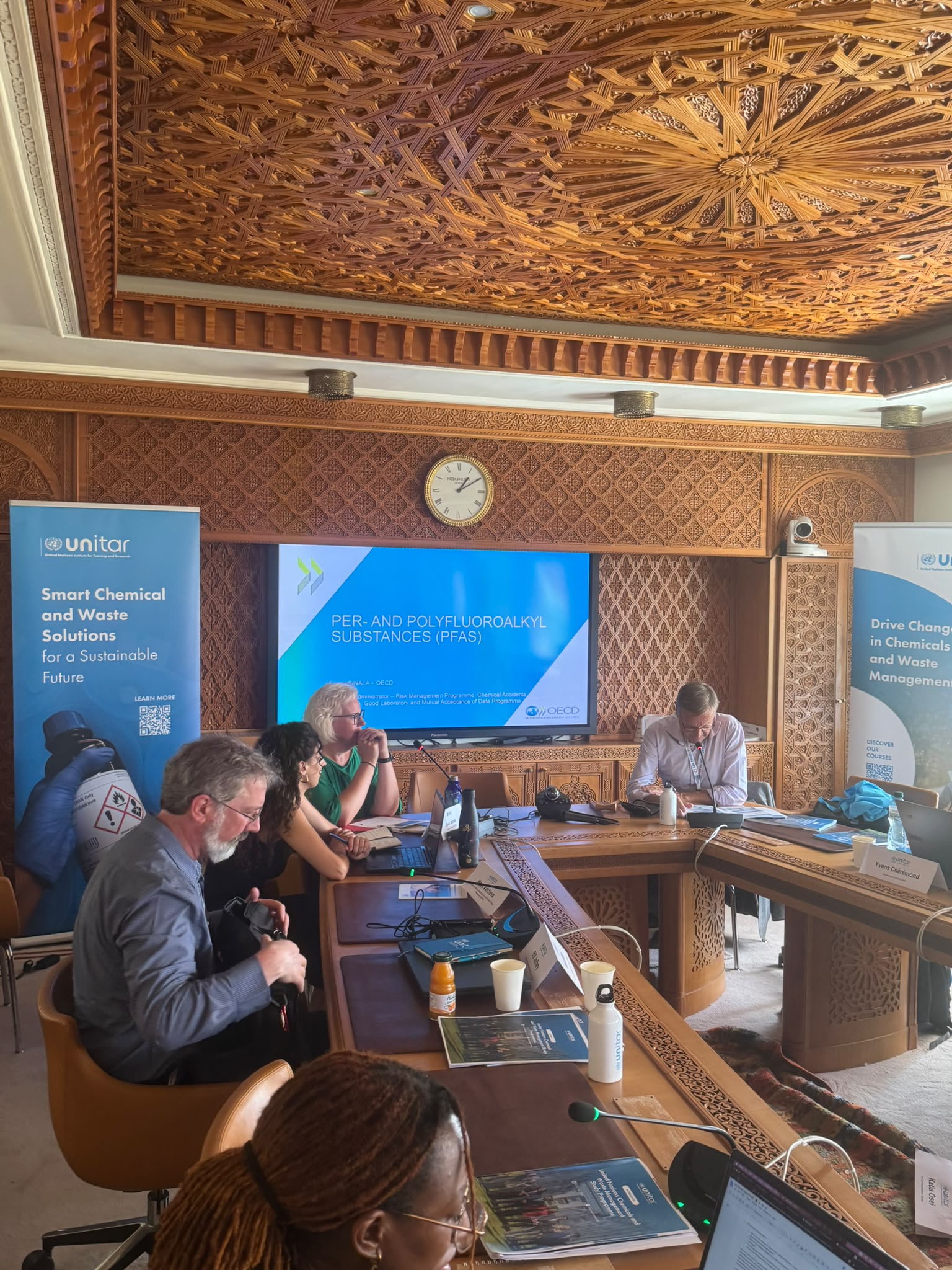
Photo Credit: UNITAR
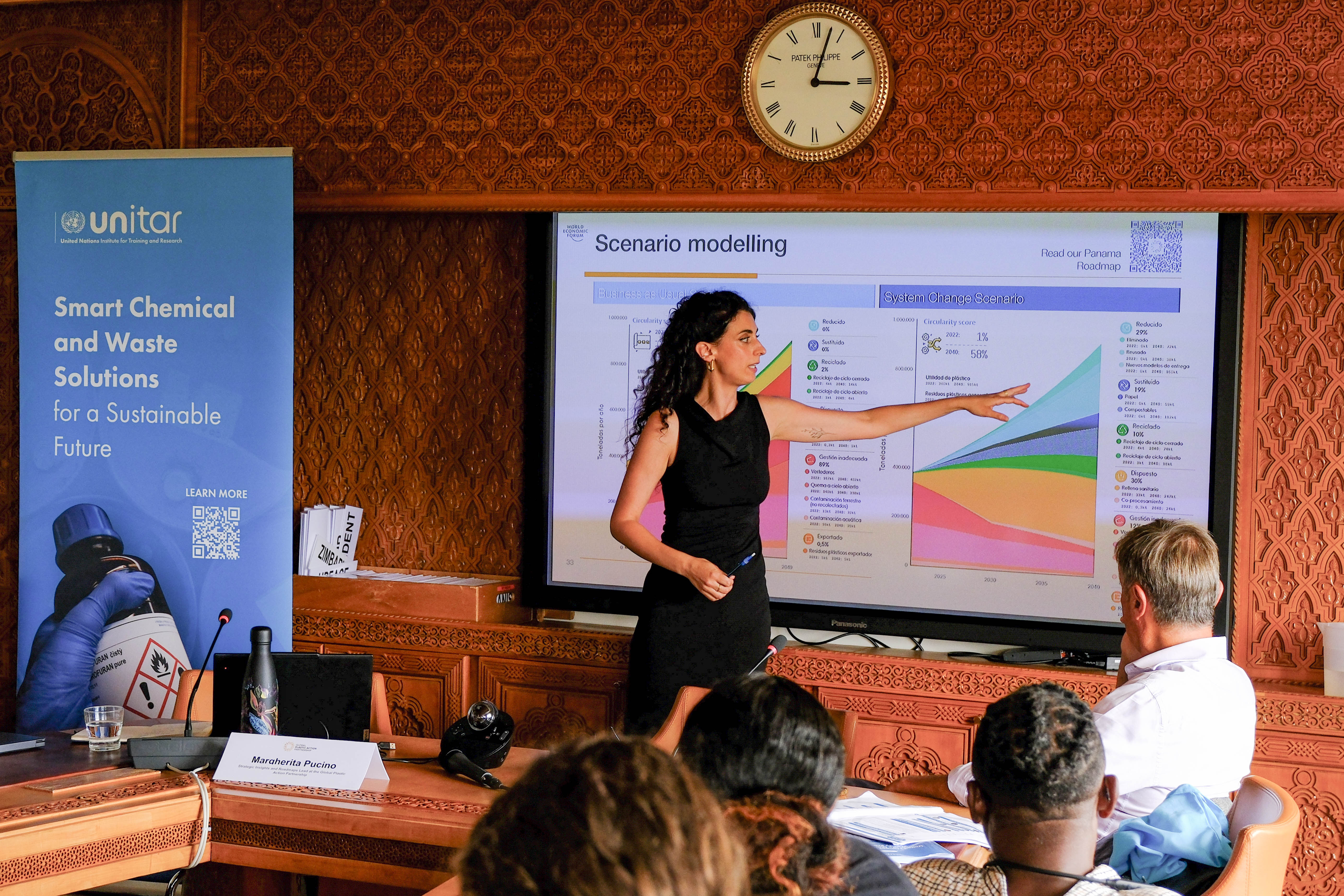
Photo Credit: UNITAR
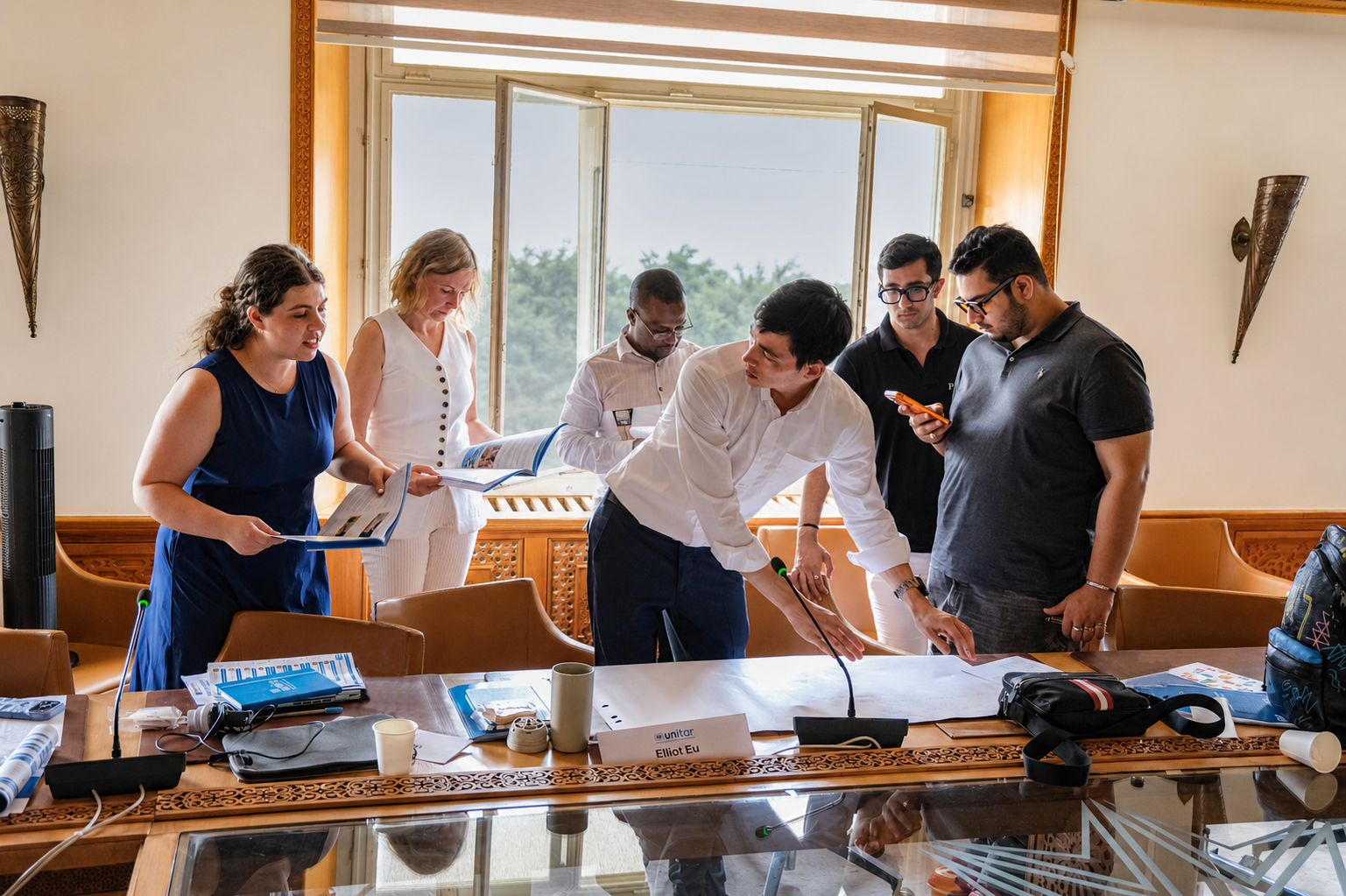
Photo Credit: UNITAR
The day concluded with an interactive multi-stakeholder simulation in which participants negotiated a national plastics circular economy strategy, balancing environmental protection, economic development, public health, and social inclusion.
One key highlight from this exercise was that participants negotiated whether producers should pay for collection and recycling through EPR, how chemicals of concern should be regulated, and who should be responsible for paying for infrastructure investments.
Day 5: Trade, Sectoral Challenges, and Pollution Solutions
The final day examined how chemicals and waste management intersect with global trade, resource efficiency, and sustainable production.
Participants visited the World Trade Organization (WTO) to explore the role of international trade in supporting circular economy approaches, and sustainable resource management. They also received updates on global monitoring of electronic waste through UNITAR's SCYCLE Programme, highlighting emerging trends and challenges in e-waste management worldwide. Last, the International Trade Centre (ITC) examined the growing environmental challenges associated with textile waste and sustainable supply chains.
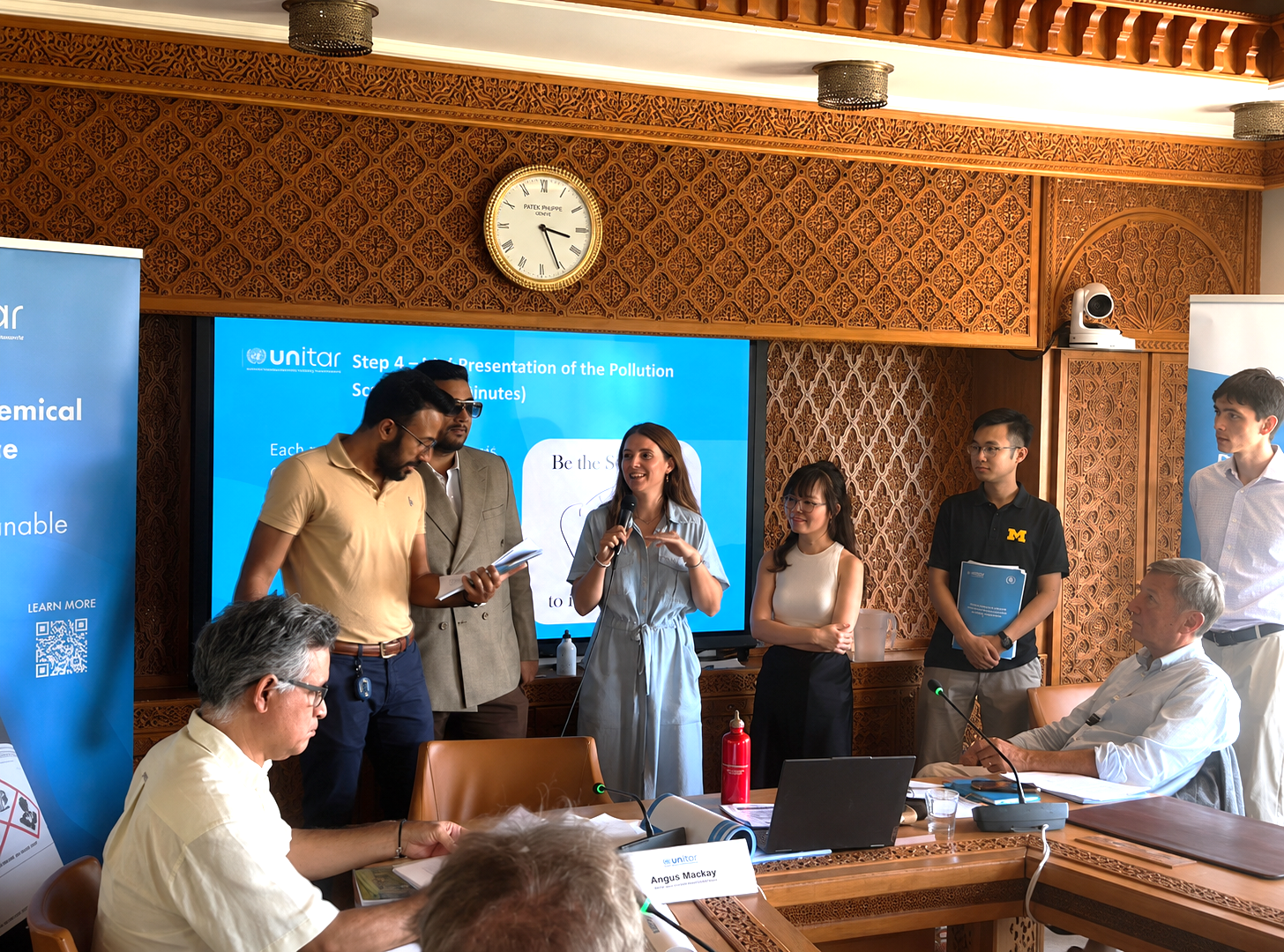
Photo Credit: UNITAR
The programme concluded with the Pollution Solutions Lab, where participants worked collaboratively to design practical project proposals addressing chemicals and waste management challenges within their own national contexts. Drawing upon the knowledge acquired throughout the week, participants developed innovative solutions that integrated policy, science, financing, stakeholder engagement, and implementation strategies. These pollution solutions explored key themes, such as extended producer responsibility for plastics, chemicals of concern, hazardous waste and the Basel Convention, and textiles.
Closing Ceremony
Reflecting on the programme, participants highlighted the value of engaging directly with Geneva-based institutions, exchanging experiences with an international cohort, and translating global policy into practical solutions. The inaugural programme demonstrated the importance of interdisciplinary collaboration and capacity development in addressing today's environmental challenges.
In the closing remarks, Mr. Angus Mackay, Director, Division for Planet, stated, "UNITAR recognises that different people like to learn in different ways. And so, in our trainings, we vary the ways in which new knowledge is conveyed. The evidence shows that this leads to measurable results".
Building on this strong foundation, UNITAR will host the next edition of the United Nations Chemicals and Waste Management Study Programme in November 2026, providing another opportunity for professionals from around the world to strengthen their knowledge, expand their professional networks, and contribute to the sound management of chemicals and waste in support of the Sustainable Development Goals. The programme concluded with a certificate ceremony recognizing participants for successfully completing the five-day study programme.
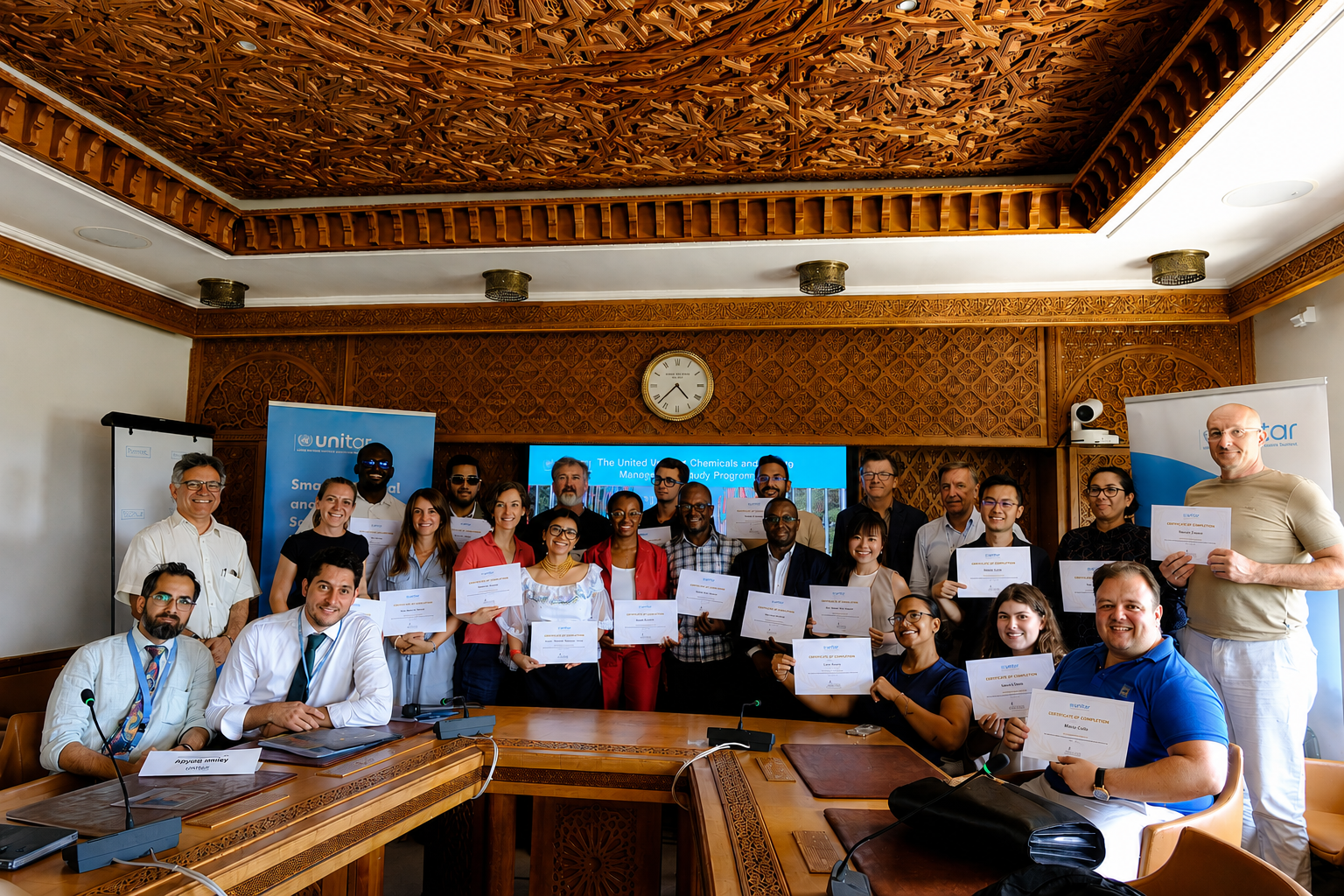
Photo Credit: UNITAR
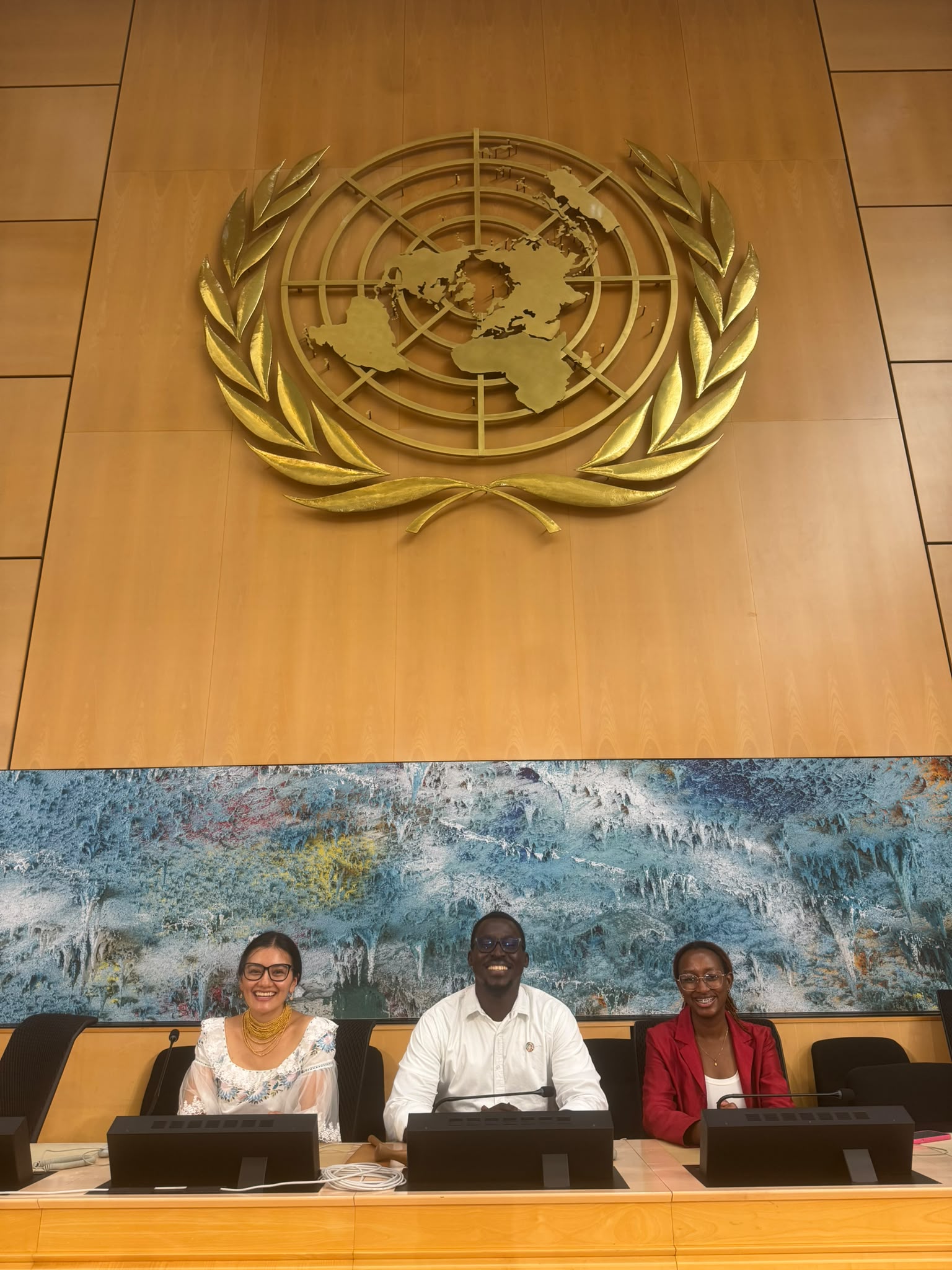
Photo Credit: UNITAR
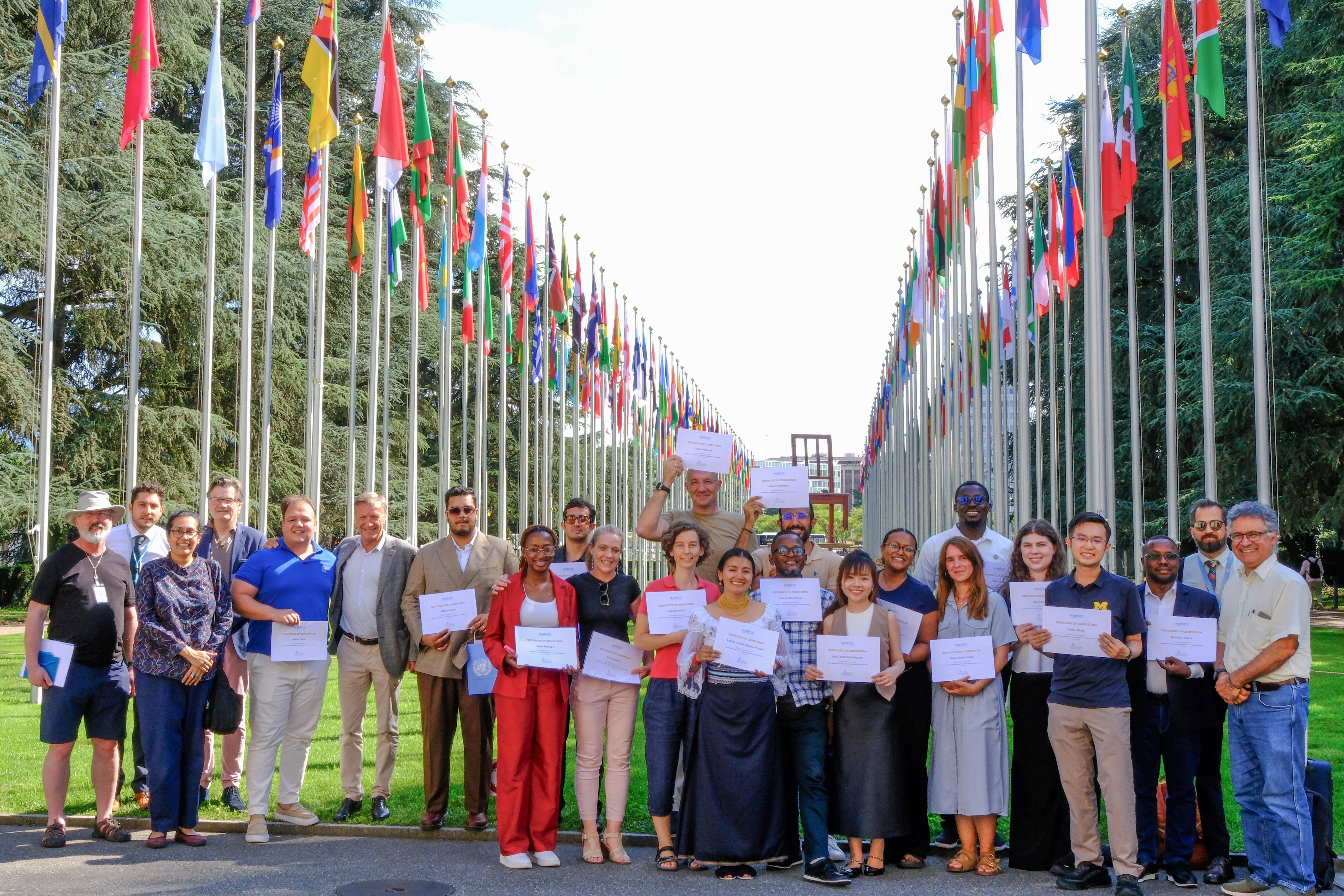
Photo Credit: UNITAR
Registration for the Upcoming United Nations Chemicals and Waste Management Study Programme
For those interested, registration is now open for the November session, and we welcome all interested parties to apply.
Acknowledgement
UNITAR extends its sincere appreciation to all of the speakers, moderators, facilitators, and partner organizations whose expertise and commitment contributed to the success of the inaugural United Nations Chemicals and Waste Management Study Programme.
Over the course of five days, participants had the unique opportunity to engage with 40 experts representing 28 organizations. We gratefully acknowledge the contributions of speakers, experts, and facilitators representing the following organizations:
Permanent Mission of Switzerland to the United Nations Office in Geneva; UNITAR; WHO; UNEP; Geneva Environment Network; Permanent Mission of Mexico to the United Nations Office in Geneva; Dow Chemical Company; Global Waste Cleaning Network; BRS Secretariat; Minamata Secretariat; UNECE; ILO; GFC; United Nations Trade and Development; CTDS SA; Canton of Geneva; ISC3; IOMC Secretariat; University of Exeter; Zoi Environment Network; Chemicals and Youth Platform; FLW360; Food and Argicultural Organization; International Organization for Standardization; OECD; GPAP, World Economic Forum; World Bank Group; World Trade Organization; SCYCLE; and International Trade Centre.
We would also like to mention a special thanks to the Chemicals and Waste Youth Platform for their support in organizing 3 scholarships for youth recipients to participate in the programme (as seen in the middle photo above).