

The MotoAI Virtual Hackathon, held on November 14–15, 2025, brought together innovators from across the globe to confront an urgent road safety challenge. Organized by UNITAR, CIFAL York, and York University.
The Challenge
To harness their unique expertise to protect the world's motorcyclists who lose their lives each year.
Three Tracks
- Track 1: App features, Predictive/Analytic models, & UX Enhancements
- Track 2: Community Engagement Campaigns
- Track 3: Moto AI in Action
A panel of 10 international judges evaluated solutions based on innovation, technical feasibility, potential impact on road safety, and presentation quality. The winning teams demonstrated not only technical excellence but a profound understanding of the human element in road safety, offering scalable, community-centered solutions that promise to make the MotoAI app more effective and accessible in high-risk regions worldwide.
Announcement of Results
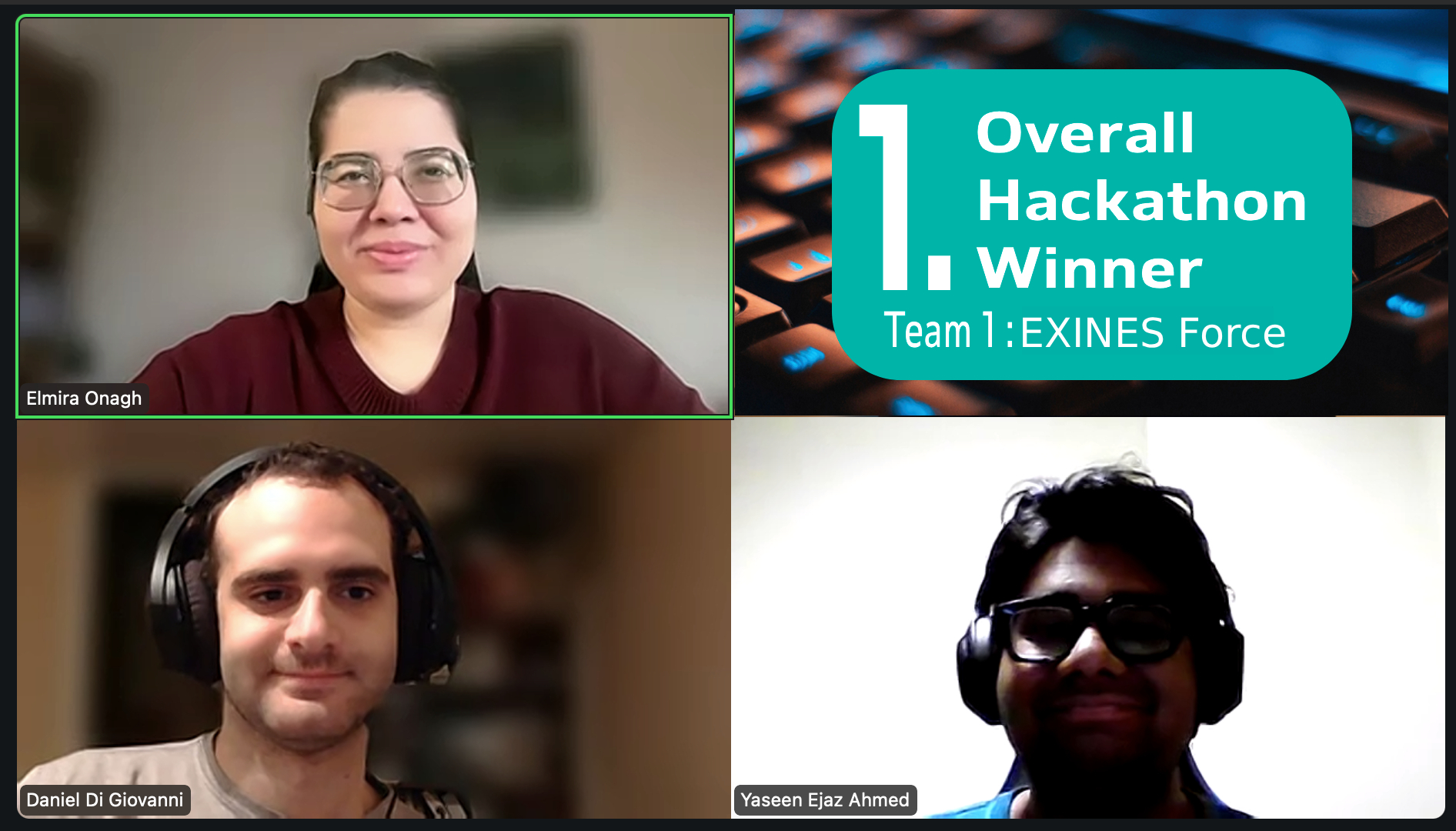
🏆 Team 1: EXINES Force (Track 1: App Features & Predictive Models)
🏆 Overall Hackathon Winner
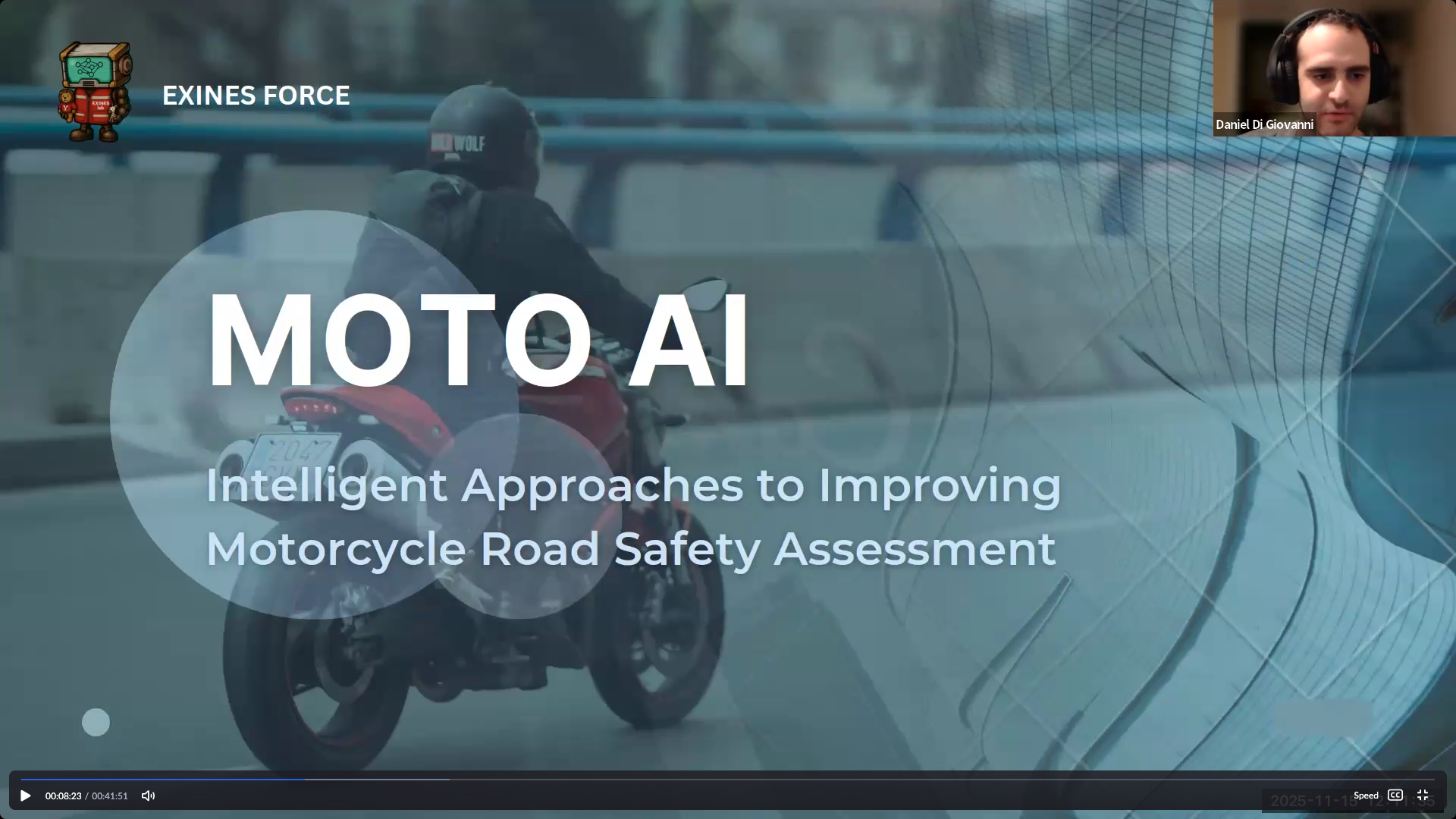
Team 1: EXINES Force (Track 1: App Features & Predictive Models)
Team Members:
- Daniel Di Giovanni (Canada)
- Elmira Onagh (Canada)
- Yaseen Ejaz Ahmed (Canada)
Creative Idea: The team's goal was to improve both the quality and quantity of data collected by MotoAI, ultimately leading to better infrastructure decisions by policymakers. EXINES Force proposed five integrated enhancements to MotoAI, focused on improving data collection, analysis, and visualization:
- Richer evidence collection: Allow users to attach free-text descriptions and images to hazard reports, rather than only rating from 1 to 5, to provide more context for decision-making.
- Discussion forum: Add an in-app forum for social listening and applying natural language processing (NLP) to extract insights not directly captured in structured forms.
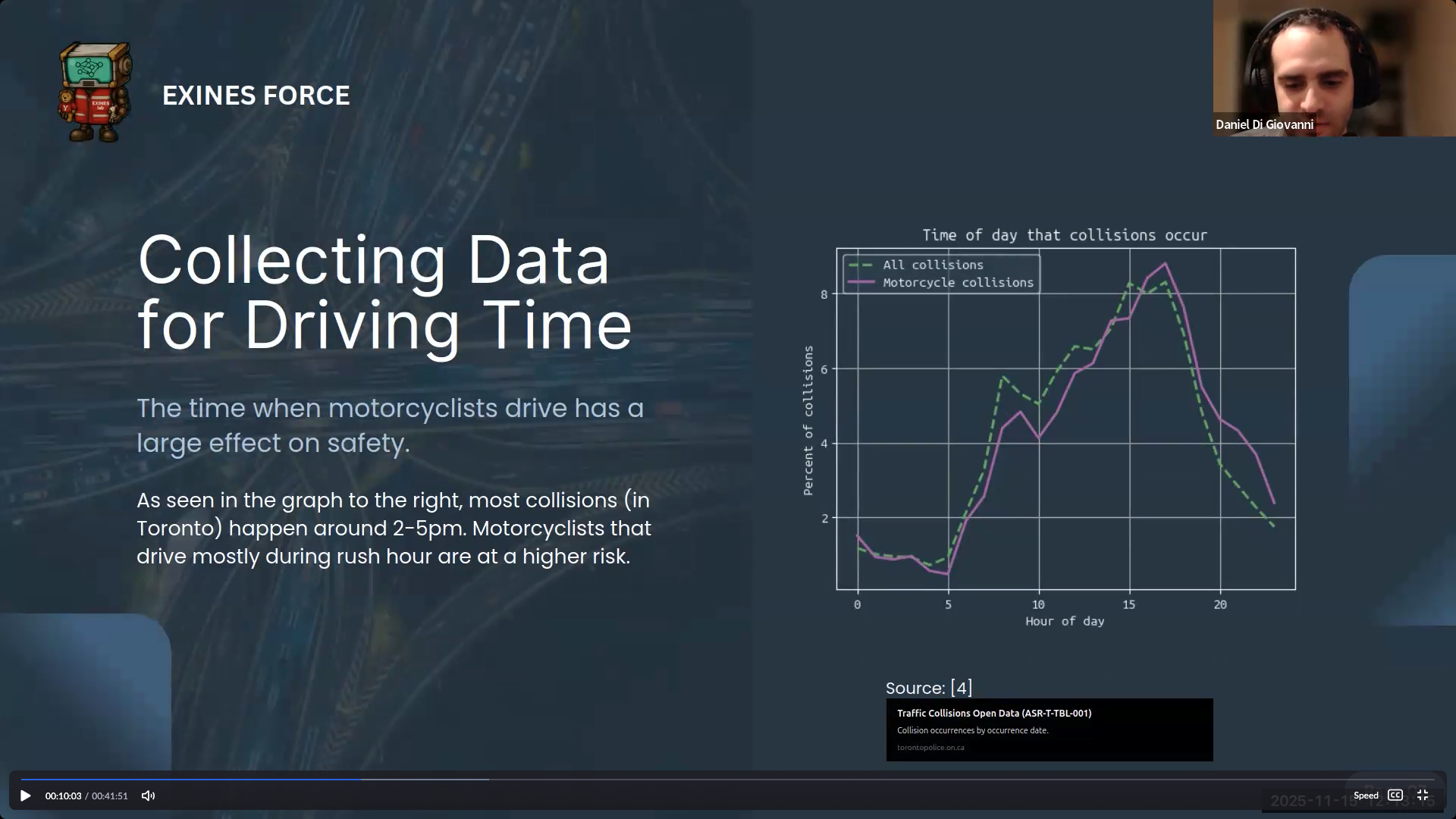
- Temporal data capture: Collect data on what time of day and month users ride, since collision risk varies (e.g., spikes during rush hours in Toronto). This would enable more accurate personalized safety indexing.
- Survey structure improvement: Present survey questions one page at a time, which research shows increases completion rates and data quality.
- Policymaker dashboard: Create aggregated, collective data visualizations instead of single-point data, giving authorities a comprehensive overview of risk hotspots in their area.
Judge's Feedback:
The solution received strong ratings from three judges, with scores ranging from 3 to 5 across evaluation criteria. The panel identified three architectural strengths:
- Stakeholder Ecosystem Expansion: The solution augments MotoAI by integrating policymakers as a distinct stakeholder class through aggregated data visualization and social listening capabilities, creating bidirectional value flow between citizen-reported data and government decision-making.
- Multimodal Data Pipeline: Implementation collects structured survey responses enriched with contextual evidence (free-text descriptions, geotagged imagery, temporal telemetry). This heterogeneous data model enables more granular MRSI calculations and hotspot identification than rating-only systems.
- Progressive UX Optimization: Survey restructuring via progressive disclosure and per-page presentation directly addresses completion rate optimization, supported by auto-complete road-name APIs and interactive tooltips to reduce user friction.
Critical Feedback: The innovation is considered solid and practical, but requires clearer differentiation from standard civic-reporting platforms. The direct value for individual riders is not clearly defined, despite its usefulness for policymakers. Features addressing rider needs should be prioritized more explicitly. Integration of advanced machine learning methods, such as few-shot learning for hazard image classification, is recommended to enhance technical distinctiveness.
UNITAR
UNITAR
UNITAR
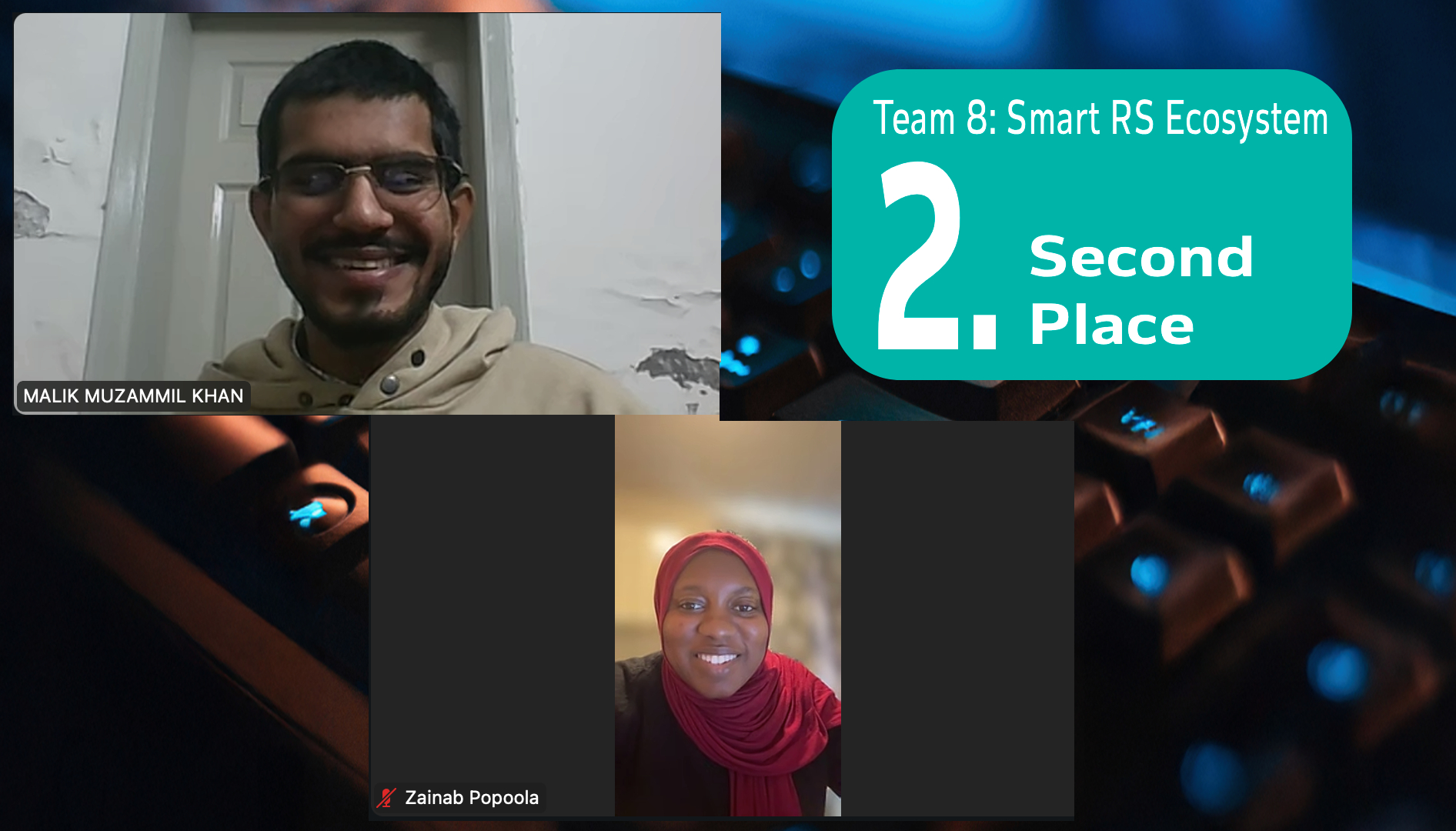
🥈 Second Place
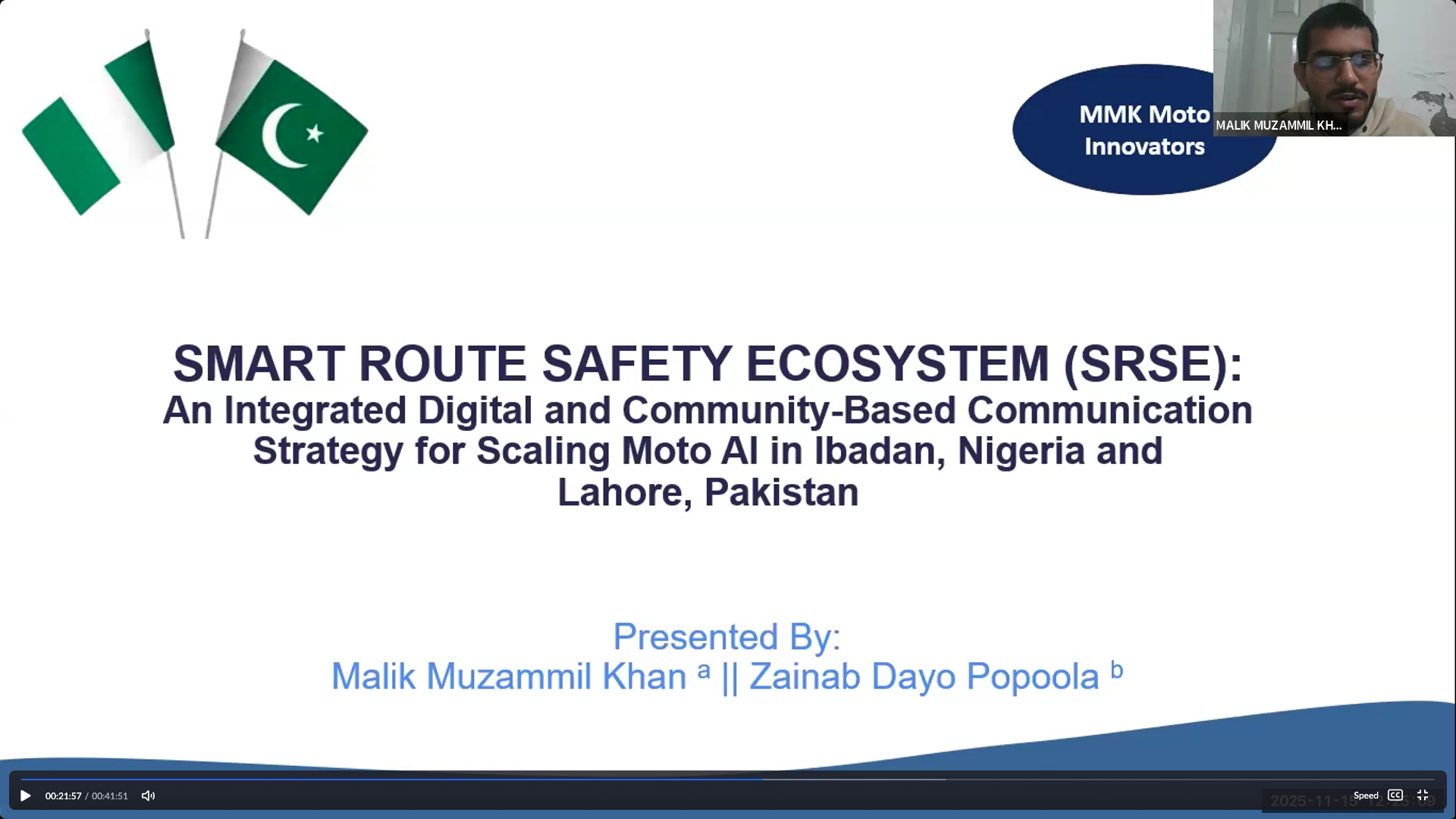
Team 8: Smart Route Safety Ecosystem (Track 2: Community Engagement Campaigns)
Team Members:
- Zeinab Popoola (Nigeria)
- Malik Muzammil Khan (Pakistan)
Creative Idea: A community engagement framework to scale MotoAI in Nigeria and Pakistan through digital and community-based communication. The strategy centers on five objectives: enhance rider experience with localized features, create a community ambassador network, generate crowdsourced safety data, improve municipal safety planning via dashboard insights, and reduce motorcycle crashes.
Four Components:
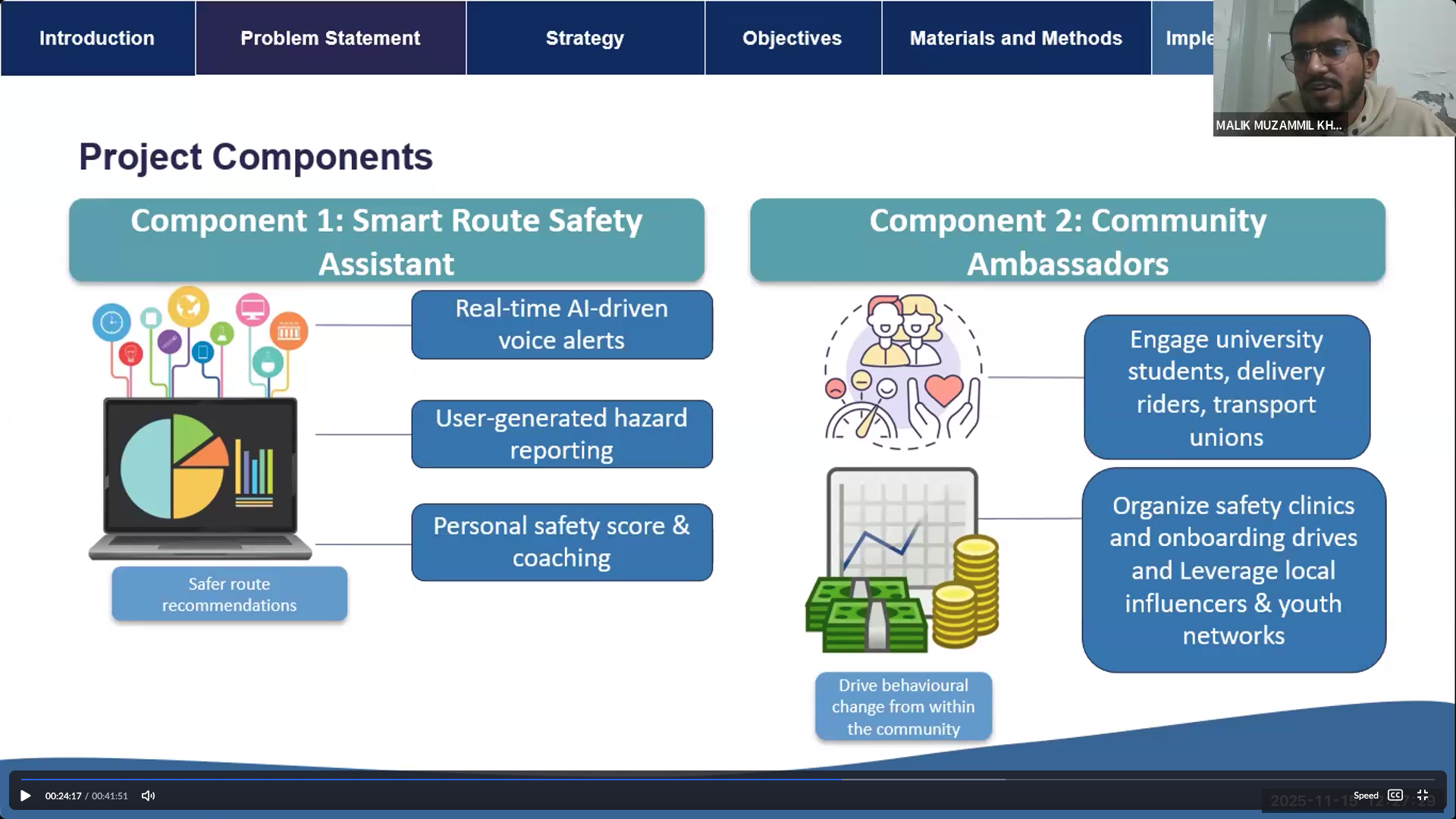
- Smart Route Safety Assistant: Real-time AI voice alerts, user-generated hazard reports, personal safety score coaching
- Community Ambassador Network: Recruit and train university students, riders, and transport unions to organize safety clinics and onboard drivers
- Real-Time Mapping: Crowdsource data to map accident hotspots, flood-prone areas, poor visibility zones, and road hazards
- Safety Intelligence Dashboard: City-by-city data visualization, risk ranking, predictive crash analysis, and policy guidance
Implementation Plan: Phase 1 launches in Abadan (Nigeria) and Lahore (Pakistan) with multilingual support (Yoruba, Hausa, Urdu, English) via culturally resonant channels like WhatsApp and TikTok. Phase 2 trains 100+ campus ambassadors and holds safety pop-up events. Phase 3 engages police and road safety authorities. Sustainability relies on university partnerships, a youth ambassador pipeline, and replicability in other high-risk countries.
Judge's Feedback:
Performance varied significantly across five judges (scores ranged 2–5), indicating divergent assessments of execution clarity. The panel recognized three deployment-ready components:
- Community-Mediated Distribution: The ambassador network model leverages existing rider unions and workshops as edge nodes for localization and onboarding, reducing customer acquisition costs in low-digital-literacy populations across Nigeria and Pakistan.
- Platform-Native Content Delivery: Multilingual safety briefs deployed via WhatsApp Business API and TikTok's short-form video CDN address bandwidth constraints and platform preferences of target demographics (Yoruba, Hausa, Urdu, Punjabi).
- Cross-Layer Integration: Four-pillar architecture (digital communication, ambassador network, risk mapping, policy dashboard) creates a feedback loop from MRSI computation to municipal action, with explicit hooks for FRSC and Lahore Traffic Police integration.
Critical Feedback: The proposal lacks SMART behavioural metrics and ROI measurement frameworks, and does not clearly explain how awareness will translate into measurable safety behaviours beyond app downloads. Additional technical specifications are needed for policymaker API integration and for algorithms targeting riders on social media, particularly those without university education, who represent an estimated 80% of the target population. Communication quality was rated low due to insufficient detail on message resonance testing. The panel required the inclusion of segmentation protocols and explicit evaluation strategies before pilot deployment.
UNITAR
UNITAR
UNITAR
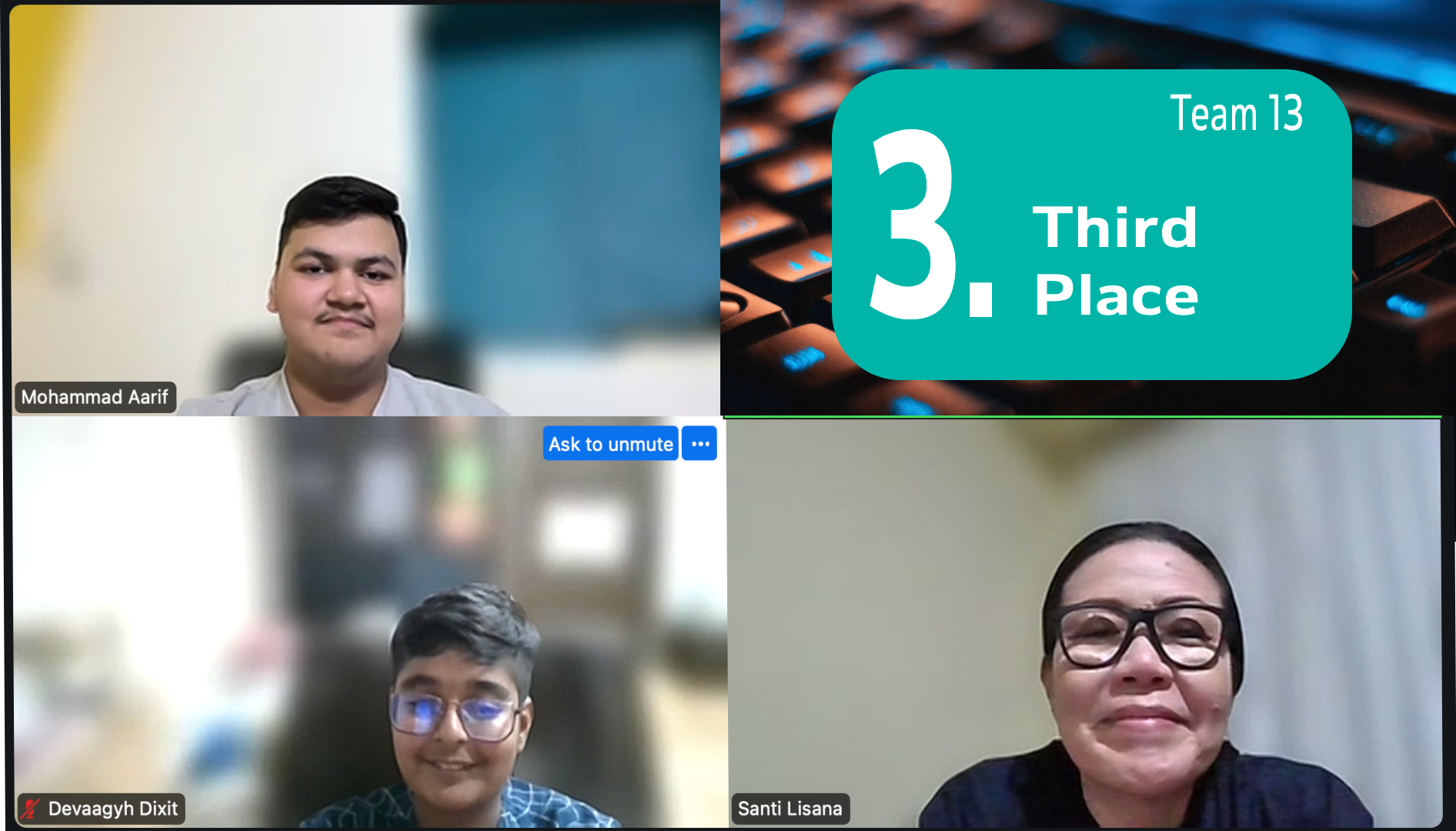
🥉 Third Place
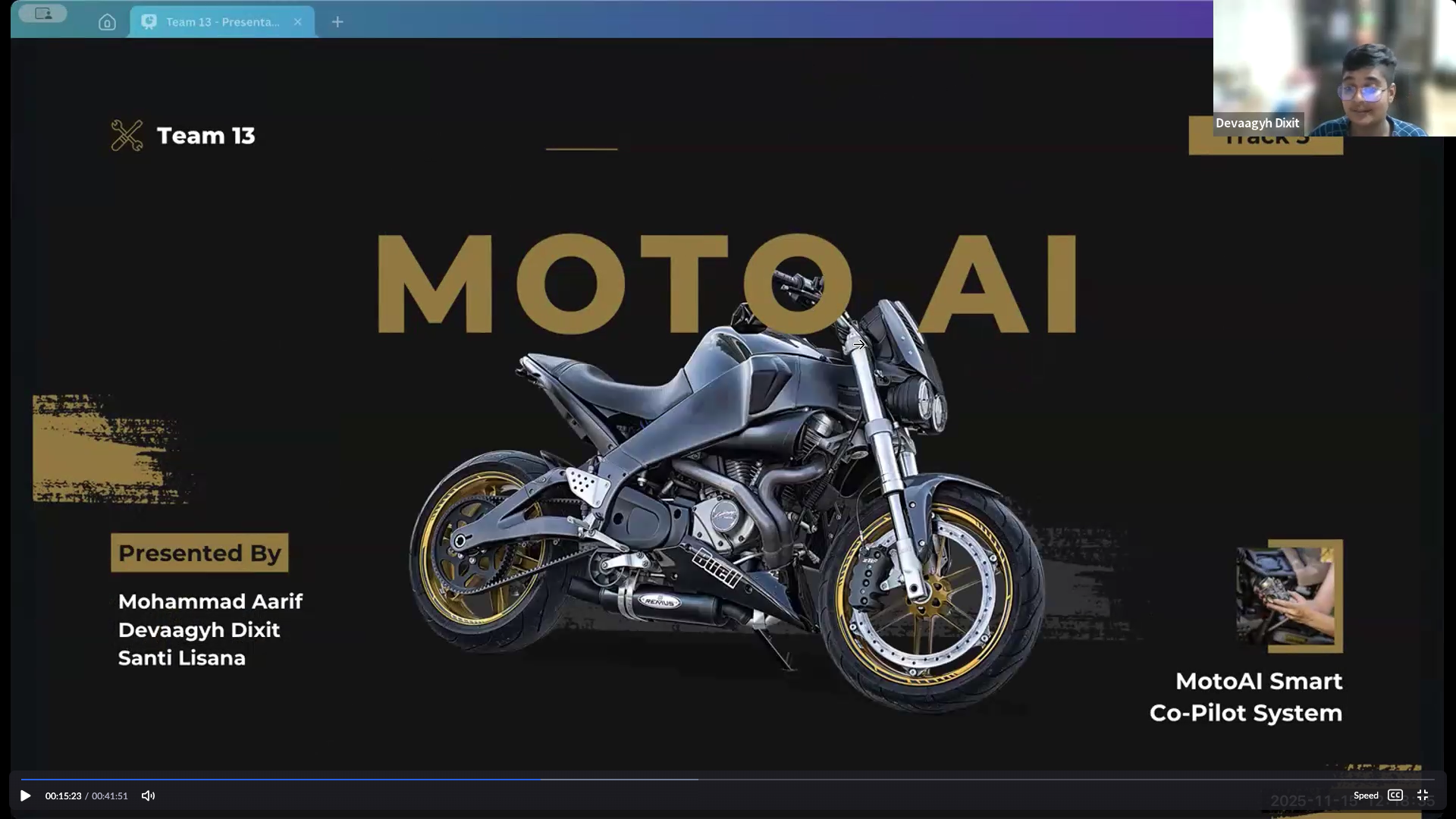
Team 13 (Track 3: Moto AI in Action)
Team Members:
- Mohammad Aarif (India)
- Devaagyh Dixit (India)
- Santi Lisana (Indonesia)
Creative Idea: A behavior-aware intelligence module that shifts MotoAI from passive reporting to active, real-time rider guidance. The system runs entirely on smartphones (no separate device needed) and uses three integrated modules:
- Risk-Aware Ride Mode: Delivers alerts only when behavior and context indicate immediate danger (e.g., unsafe lane shifts, sharp curves)
- Behavioral Heat Map: Generates real-time danger zones based on aggregated rider data to improve route awareness
- Habit Loop Coaching: After each ride, provides one focused improvement tip to build safer habits without causing alert fatigue
Core Function: The system continuously runs a safety loop, detecting destabilizing behavior, predicting escalation 1-2 seconds ahead, and issuing timely preventive cues. The approach is modeled after existing apps like Life360 but aims to make the technology freely accessible within MotoAI rather than as a paid service.
Judge's Feedback:
Limited evaluation dataset: Two judges provided assessments with scores clustering at 3.0–4.0/5, indicating moderate confidence tempered by implementation ambiguities. The panel recognized two core technical propositions:
- On-Device Behavioral Inference: Smartphone IMU sensor fusion (gyroscope, accelerometer) for real-time lean-angle and stability detection enables low-latency interventions without external hardware—critical for budget-constrained riders in target markets.
- Predictive-Prevention Loop: The 1–2 second risk escalation window and micro-coaching feedback model align with applied behavior-change theory, though computational methods for achieving sub-second inference were unspecified.
Critical Feedback: Implementation details are unclear, with insufficient information on model quantization for diverse Android devices, sensor sampling rates, and 1–2 second prediction latency requirements. Practicality and impact are considered moderate, with questions raised about data pipeline sustainability and privacy-preserving aggregation methods for community heatmaps. The panel required device compatibility matrices, benchmarked inference performance metrics, documentation of federated learning architecture, and a cloud compute cost model before advancing to production readiness.
UNITAR
UNITAR
Thank You To Our Participants & Judges
We extend our deepest gratitude to all participants who dedicated their creativity and expertise to this critical mission. Your innovative ideas have strengthened the MotoAI ecosystem and reaffirmed the power of technology to save lives on the road.
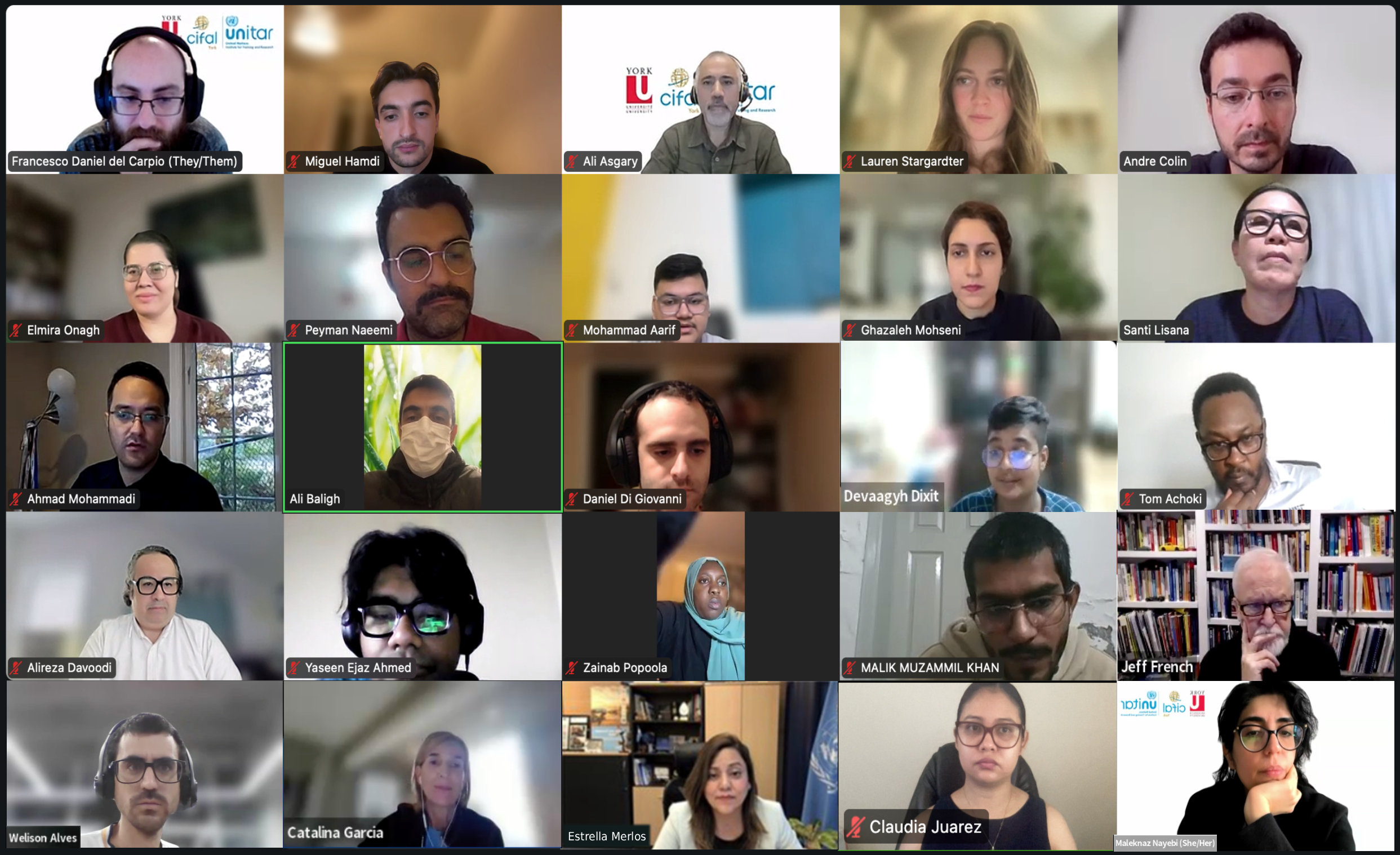
Our sincere thanks to the distinguished panel of judges whose rigorous evaluation and constructive insights ensured a fair and robust selection process:
- Dr. Tom Achoki
- Dr. Ali Baligh
- Mr. André Colin
- Mr. Francesco del Carpio
- Mr. Alireza Davoodi
- Prof. Jeff French
- Ms. Ghazaleh Mohseni Hosseinabadi
- Mr. Peyman Naeemi
- Ms. Nasrin Sheibani Asl
- Dr. Ahmad Mohammadi
We also recognize the invaluable partnership of CIFAL York, York University, and AB InBev, whose collaboration made this initiative possible.
The journey does not end here. The winning solutions will inform the next phase of MotoAI’s development, with prioritized features slated for possible implementation in 2026. By transforming these ideas into actionable tools, we move closer to our shared vision: a world where every motorcyclist returns home safely.
UNITAR