

Hackathon Announcement of Winners Banner
The inaugural MotoAI Virtual Hackathon, convened on November 14–15, 2025, demonstrated the urgent need for youth engagement in addressing one of the world’s most pressing public health challenges. With motorcyclists accounting for nearly 360,000 preventable deaths annually, 41 lives lost every hour, the hackathon mobilized a global community of innovators to harness artificial intelligence in protecting vulnerable road users.
Hosted by UNITAR in collaboration with CIFAL York and York University, the hackathon provided a dynamic, solutions-driven platform. Over 48 hours, participants from 8 countries collaborated virtually, bringing together technical expertise, community insights, and policy perspectives to advance the MotoAI application, a tool that assesses risk factors for motorcycle riders through 34 comprehensive indicators and provides localized safety recommendations.
The hackathon challenged participants to harness their unique expertise to protect the world's motorcyclists who lose their lives each year by enhancing the MotoAI platform across three critical dimensions. The challenge specifically asked teams to move beyond theoretical concepts and develop actionable solutions that would: improve data quality and user engagement to generate richer safety insights; bridge digital accessibility gaps in high-risk regions; and transform MotoAI from a passive assessment tool into an active agent for behavioral change and policy impact.
Teams competed across three thematic tracks, App Features & Predictive Models, Community Engagement Campaigns, and MotoAI in Action, each designed to address a distinct dimension of the broader road safety ecosystem (not merely the app itself). This multi-track structure ensured solutions were simultaneously technically robust, socially inclusive, and practically deployable:
- Track 1: App Features & Predictive Models addressed the technological infrastructure dimension, challenging teams to enhance the underlying data architecture, user experience, and analytical capabilities that power evidence-based safety decisions.
- Track 2: Community Engagement Campaigns tackled the social behavioral dimension, requiring strategies to overcome digital divides, cultural barriers, and accessibility constraints that limit app adoption in vulnerable communities.
- Track 3: MotoAI in Action focused on the policy and decision-making dimension, exploring how AI-generated insights could directly influence rider behavior, infrastructure investment, and enforcement strategies.
This ecosystem approach directly responded to the hackathon's core objectives: building a multidisciplinary innovation community, generating deployable solutions for high-fatality regions, and creating pathways for youth-led ideas to influence UNITAR's 2026 development roadmap.
A panel of ten distinguished judges from Canada, the United Kingdom, the United States, and Brazil lent their expertise to evaluate submissions. Representing academia, private sector innovation, and social marketing, the panel included Prof. Jeff French (Strategic Social Marketing, UK), Dr. Tom Achoki (AB InBev Foundation, USA), and Mr. Andre Colin (Falconi, Brazil), among others. Their assessment, based on innovation, feasibility, impact, and presentation quality criteria, guaranteed that winning solutions met the necessary standards to make a tangible impact.
This geographic spread enriched the hackathon with culturally attuned solutions tailored to high-risk regions. Participants included university researchers, motorcycle safety advocates, and digital innovators, embodying the multidisciplinary collaboration essential for sustainable change.
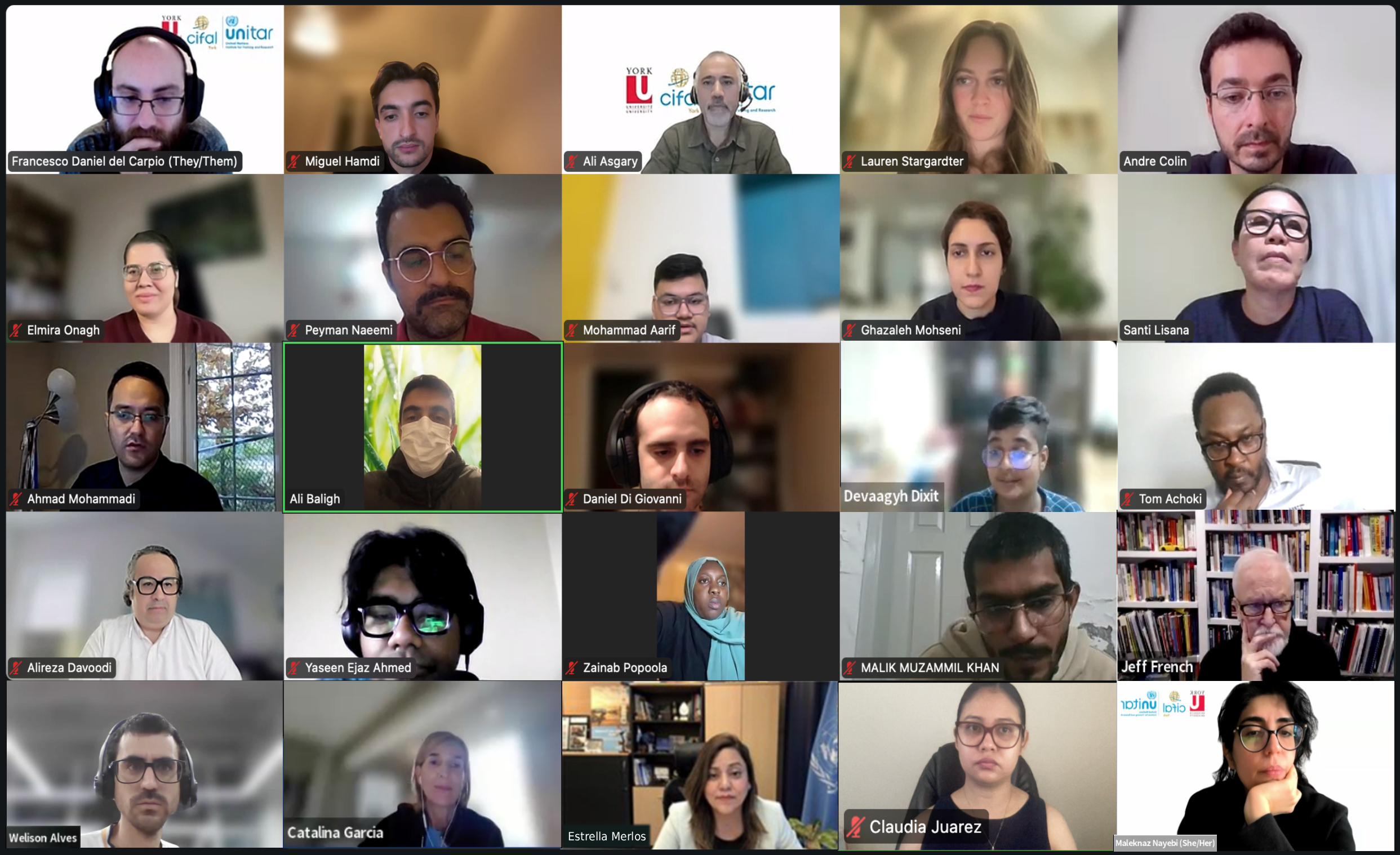
The winning teams reflected the hackathon’s focus on both practical technology and user-oriented solutions while directly addressing the core challenge:
- Overall Winner: Team 1 (EXINES Force, Canada) received the Overall Winner title for proposing an evolution of MotoAI into a policymaker intelligence platform that would support data-driven infrastructure decisions through interactive hazard dashboards. Their solution specifically strengthened the data-to-policy pathway—a key hackathon objective—by enriching citizen-reported data with contextual evidence, social listening capabilities, and temporal analytics to enable more granular risk calculations and hotspot identification. This directly addresses the challenge of converting rider experiences into actionable intelligence for life-saving infrastructure decisions.
- Team 8 (Smart Route Safety Ecosystem, Nigeria/Pakistan) won Track 2 with a communication model that uses community ambassadors and localized content to reach users who may face digital access barriers. Their framework directly tackles the challenge of protecting motorcyclists in underserved regions by creating a community-mediated distribution network that reduces customer acquisition costs and overcomes low digital literacy—a core objective of making MotoAI accessible where it's needed most.
- Team 13 (India/Indonesia) secured Track 3 with a "Smart Co-Pilot" concept that aims to shift MotoAI from passive reporting toward providing real-time riding guidance, highlighting how AI could support safer on-road behaviour. Their solution addresses the hackathon's challenge of active protection rather than retrospective analysis, using smartphone sensors to deliver predictive interventions that prevent crashes in real-time.
The hackathon’s true success lies not just in selecting winners, but in building a lasting community of praxis. Hackathon participants now form part of UNITAR’s global network of road safety innovators and champions. The winning solutions will inform MotoAI’s 2026 development and dissemination roadmap, ensuring that the innovations produced during this intensive 48-hour period translate into features that will directly reduce motorcycle fatalities.
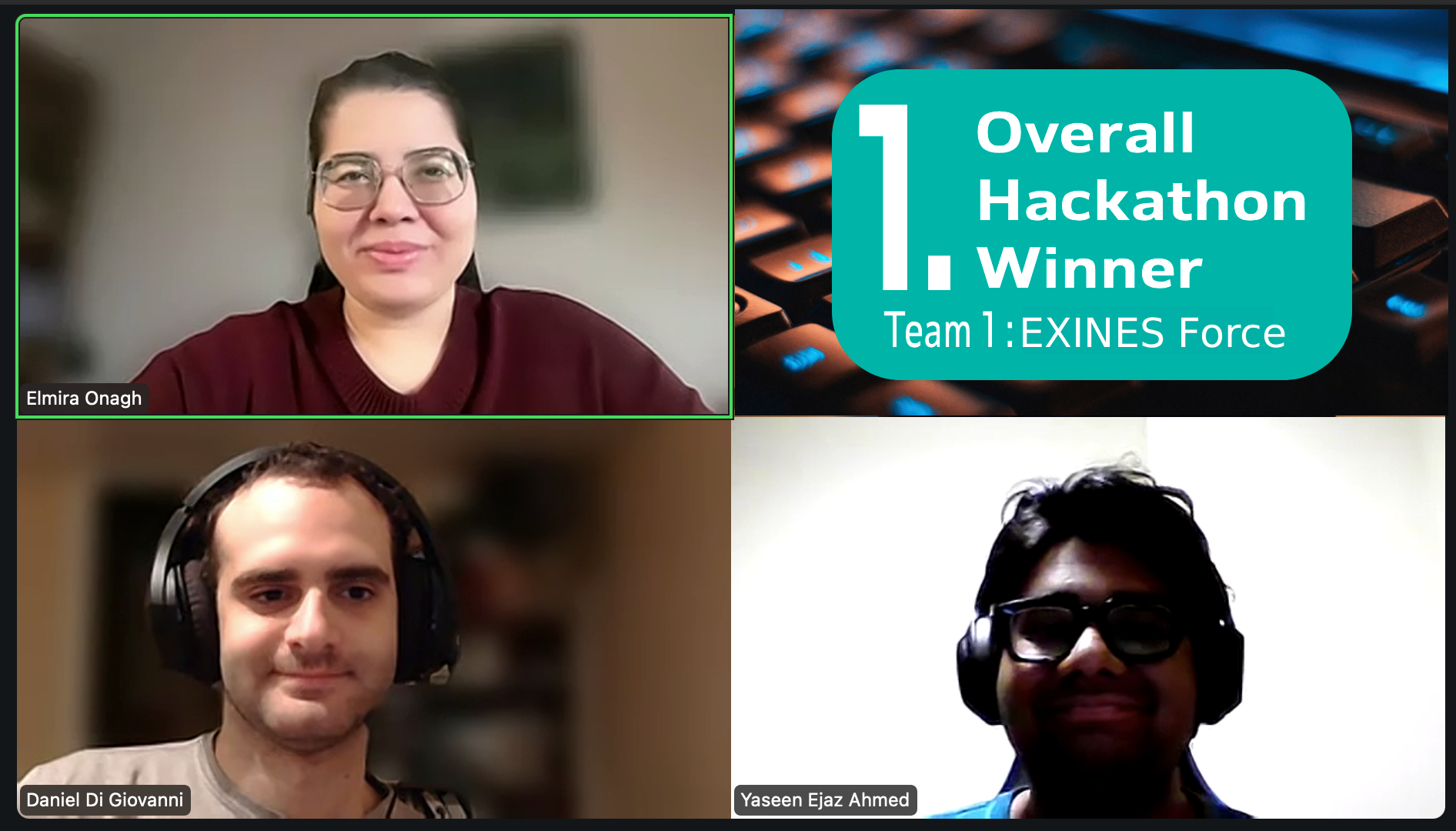
🥇 Overall Hackathon Winner - Team 1: EXINES Force (Track 1: App Features & Predictive Models)
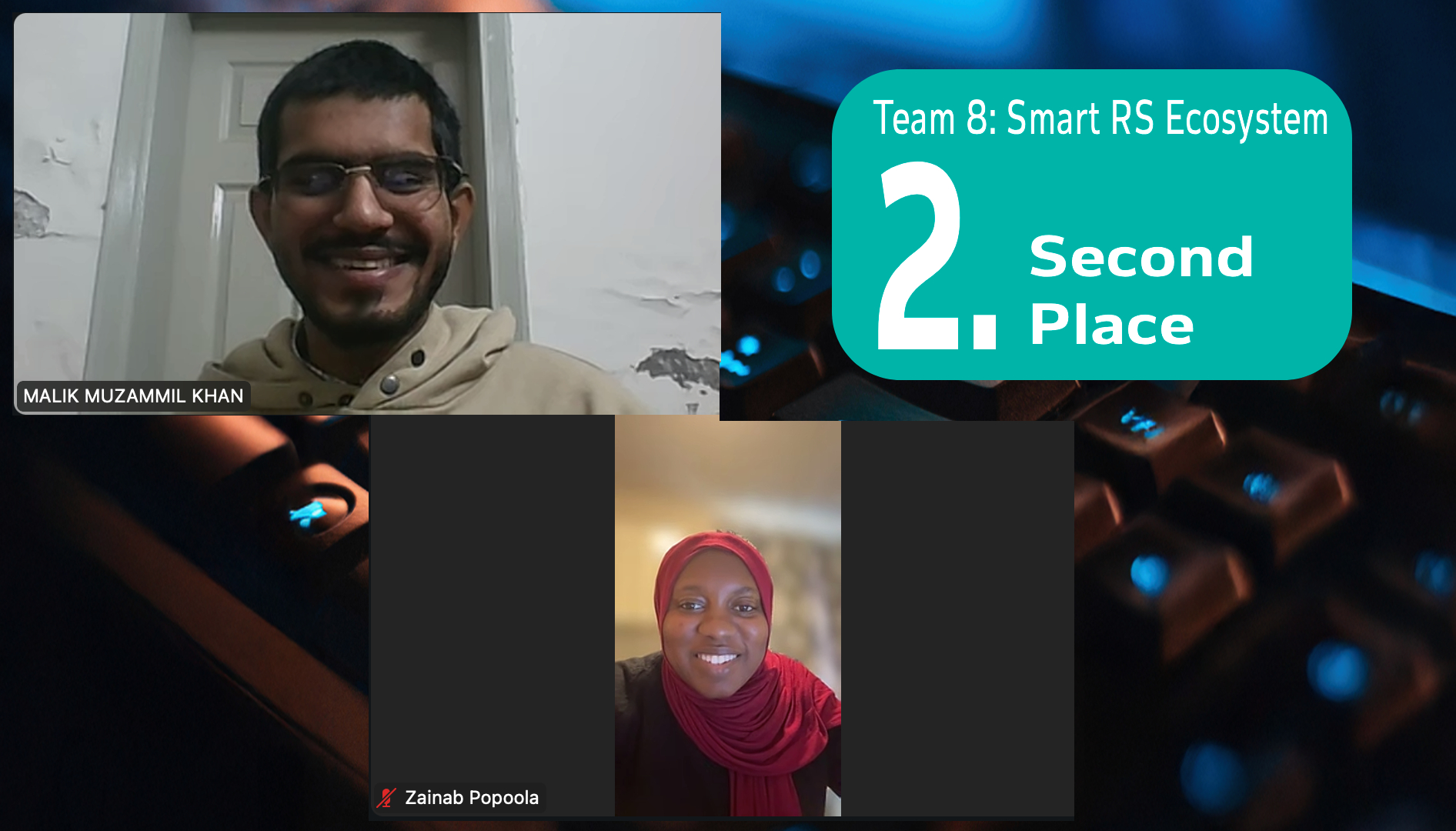
🥈 Second Place - Team 8: Smart Route Safety Ecosystem (Track 2: Community Engagement Campaigns)
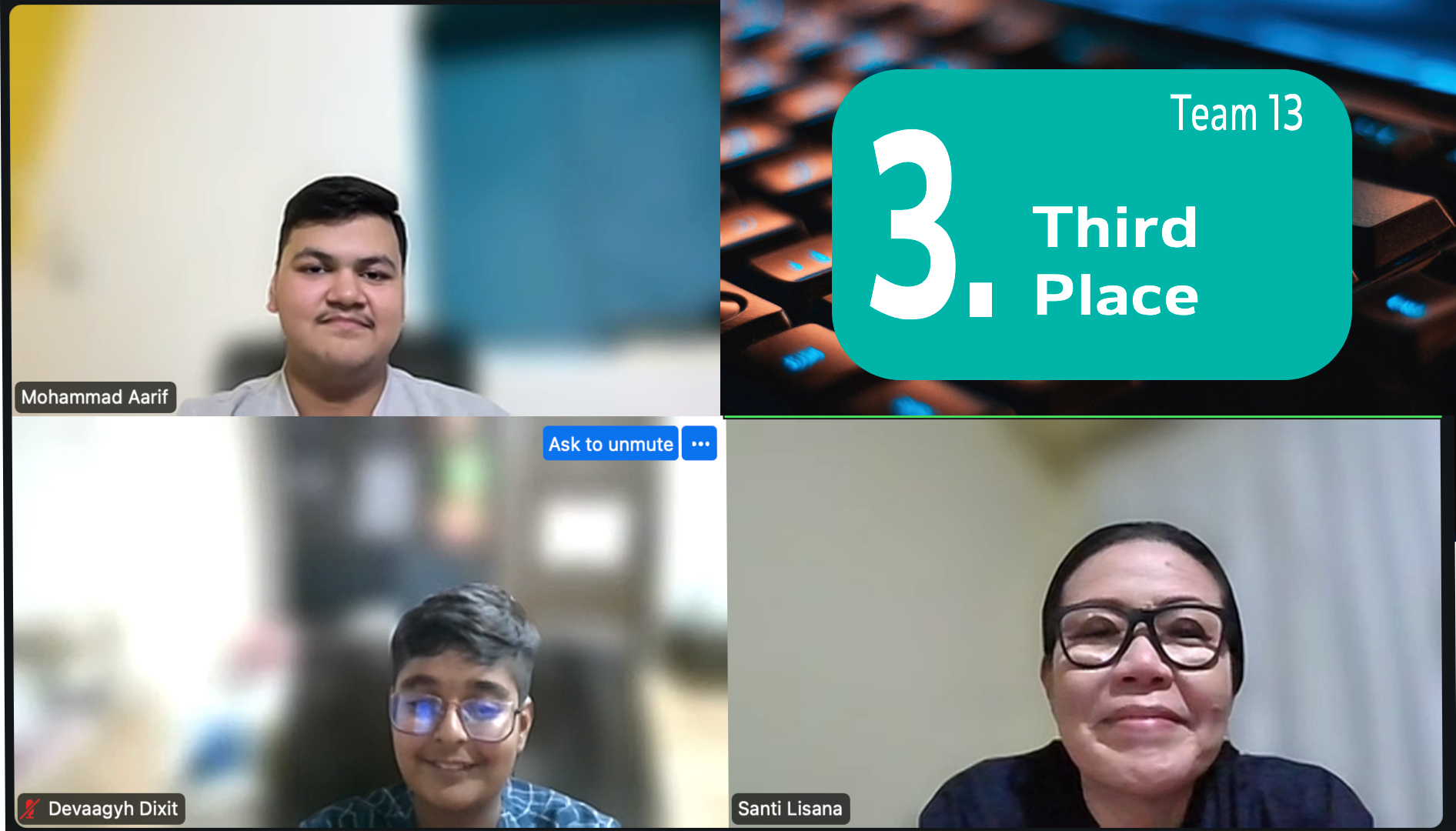
🥉 Third Place - Team 13 (Track 3: Moto AI in Action)