

The Executive Diploma in Sport Leadership provides a structured learning pathway for professionals working across the governance, management, and strategic development of sport. The programme addresses the increasing complexity of the global sport environment, including the role of international law, diplomacy, technology, performance science, and multi-jurisdictional regulation.
It has been developed to strengthen leadership judgement, enhance strategic capability, and support participants in navigating the institutional, political, and operational dynamics that shape contemporary sport.

Programme Information

Attendance: Blended learning format (online and in-person components)
Start Date: 25 January 2027
Duration: 5 weeks
Geneva Summit: 25 – 26 January 2027
Manchester Summit: 22 – 23 February 2027

Register here>>

Programme overview

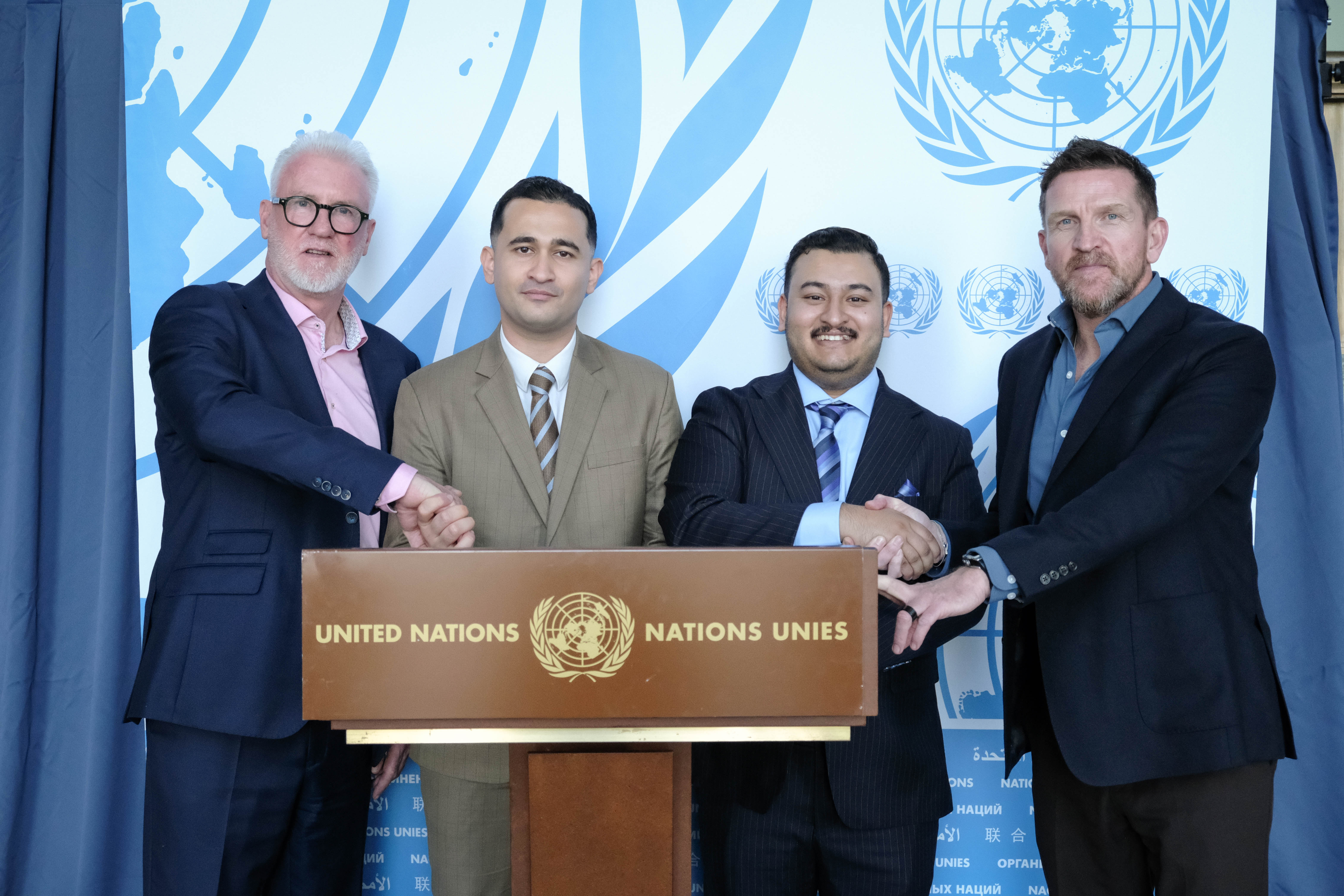
Developed jointly with UNITAR, VSI Executive Education, and Ureka Education, this diploma offers a development route for professionals who intend to lead sport into its next phase of evolution.

The programme recognises that senior sport leaders now operate in an environment shaped by rapid technological innovation, growing regulatory complexity, and expectations of long-term organisational sustainability. It supports participants in acquiring the capabilities needed to respond effectively to these demands and to operate responsibly across diverse governance systems.

Programme Components

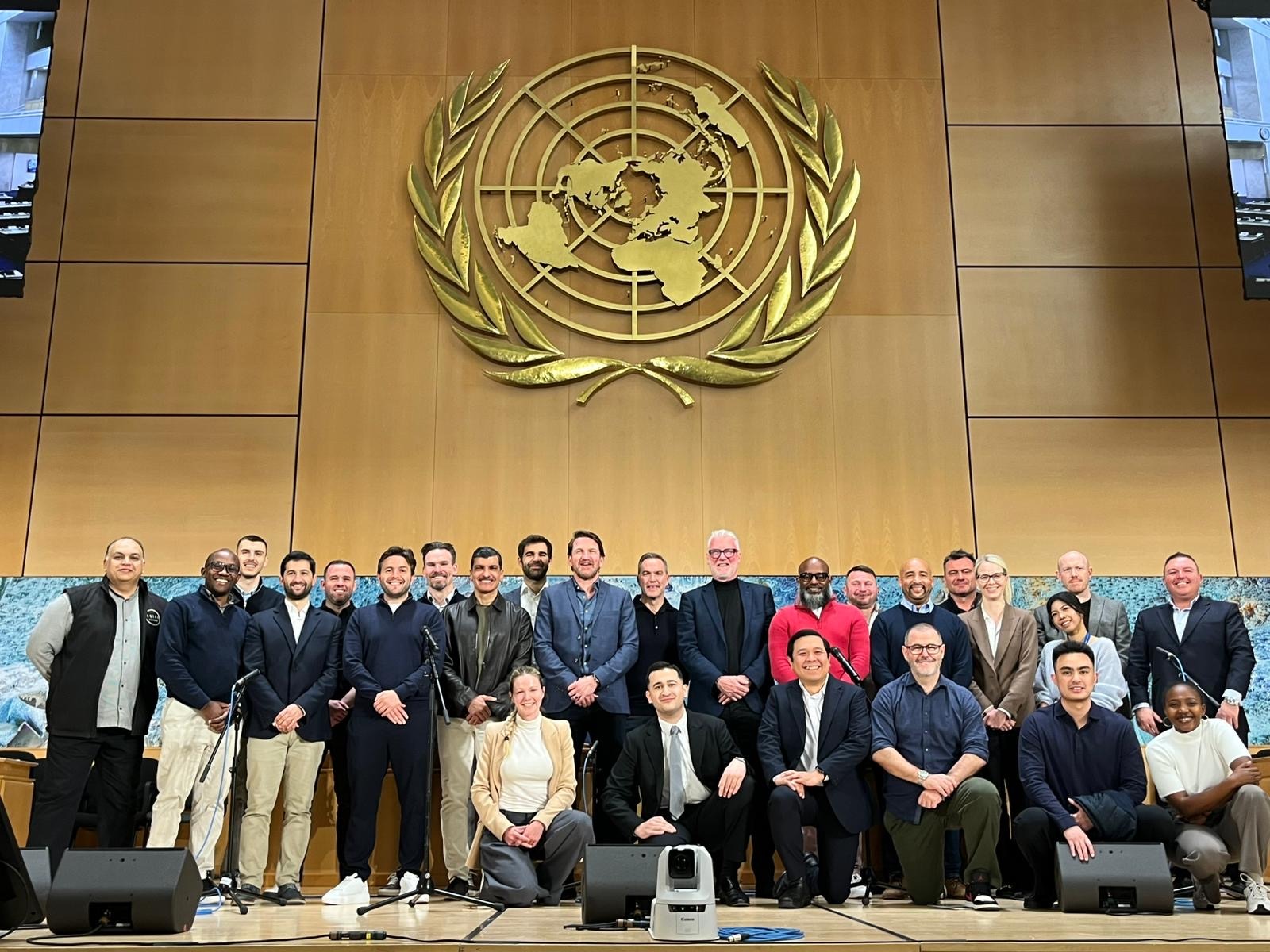
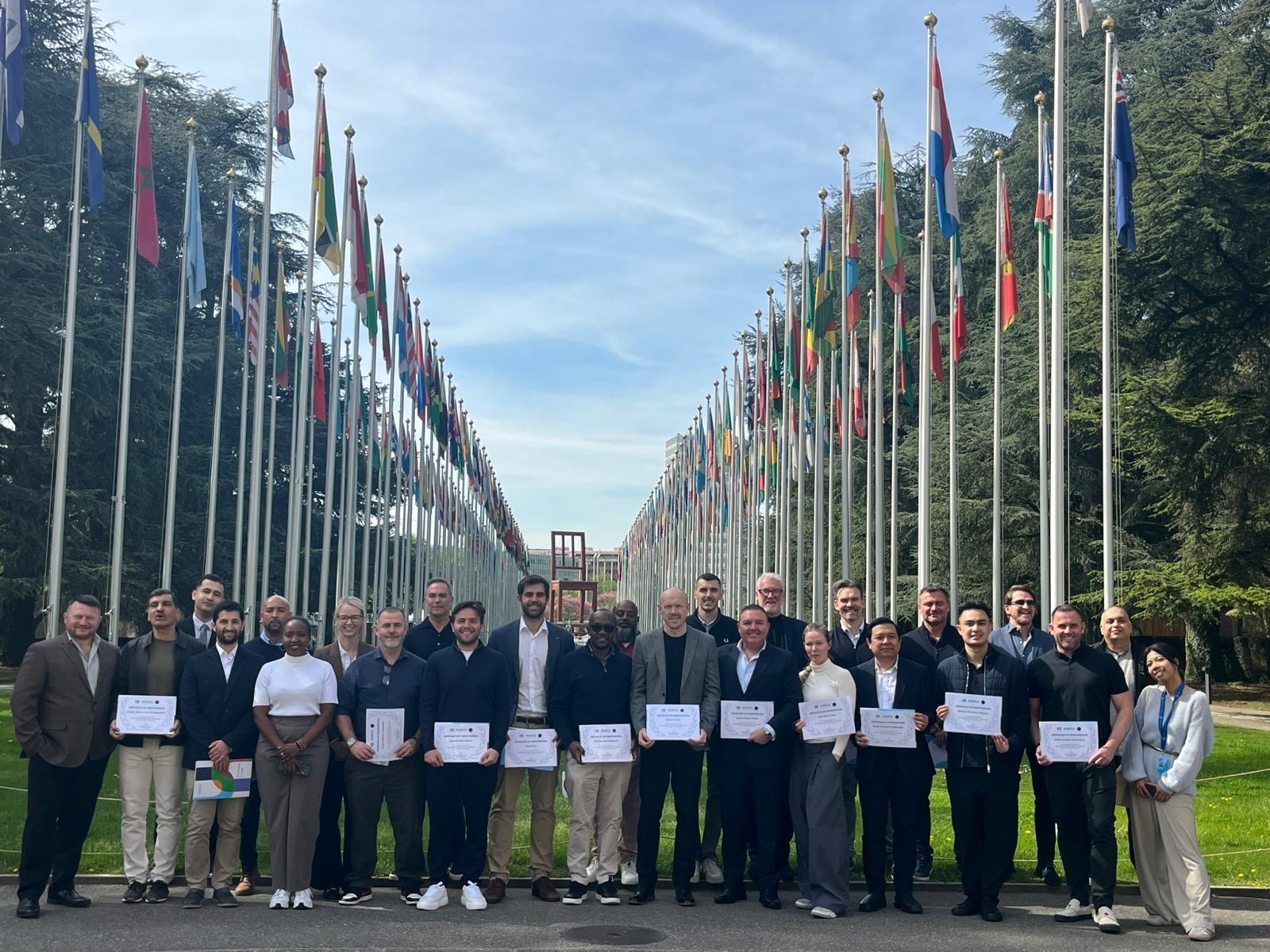
Geneva Summit (25 – 26 January 2027)

Participants begin with a two-day in-person component in Geneva, focusing on:

  • Sport Diplomacy for Sustainable Development
  • Sport Diplomacy and Fan-Centric Strategies
  • The Legacy of Mega Sporting Events
  • Protocol and Etiquette in the Sports World

This module situates sport as a key driver of diplomacy, sustainable development, and lasting legacy, highlighting its role in global reach and impact

Three live webinars provide an analytical perspective on the integration of AI in organisational and performance environments:

  • Artificial intelligence and decision-making processes
  • Developing human capability and adaptability in AI-enabled systems
  • Aligning human and technological systems for high-performance outcomes

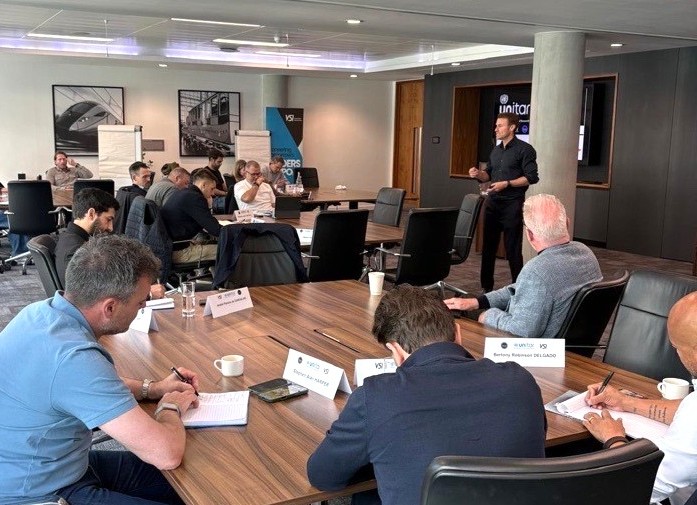
Manchester Summit (22 – 23 February 2027)

The final two-day module in Manchester focuses on performance environments and team leadership, including:

  • Characteristics of high-performing teams
  • Collective cohesion and role clarity
  • Talent development and progression
  • Approaches to sustaining performance over time

This component emphasises applied leadership practice within professional sport contexts.

What You Will Study

The curriculum focuses on the intersection of diplomacy, governance, strategic leadership, behavioural science and technology. Core areas include:

  • Sport diplomacy, legacy of mega events, fan-centric leadership and fan management
  • AI-supported decision-making and emerging technological capabilities
  • Behavioural and scientific insights for team and organisational performance
  • Leadership across sectors, jurisdictions and multi-stakeholder environments

The programme emphasises leadership development not only through knowledge acquisition but also through the strengthening of analytical judgement, adaptability and strategic foresight.

Target Audience

This diploma is suitable for:

  • Senior staff within national or multi-sport governing bodies
  • Public-sector officials involved in sport policy or event legacy planning
  • Executives in privately owned sports organisations and clubs
  • Political representatives working on sport-related national initiatives
  • Professionals responsible for governance, compliance, or regulatory alignment
  • Leaders overseeing organisational innovation and AI adoption
UNITAR, VSI and Ureka logos
Partner Institutions
This programme is delivered through a collaboration bringing together the mandate and global governance expertise of UNITAR, the executive leadership experience of VSI, and the academic foundation provided by Ureka Education. The partnership combines complementary strengths to support a learning environment in which sport is examined as part of a broader international system, and where participants develop the competencies required to operate effectively within it.
Read more →
Have questions?
Contact the Programme Team

Share with