

Displaying 91 - 100 of 194

“It was a huge task, but I decided to challenge myself and go through it, and I’m glad I did.”
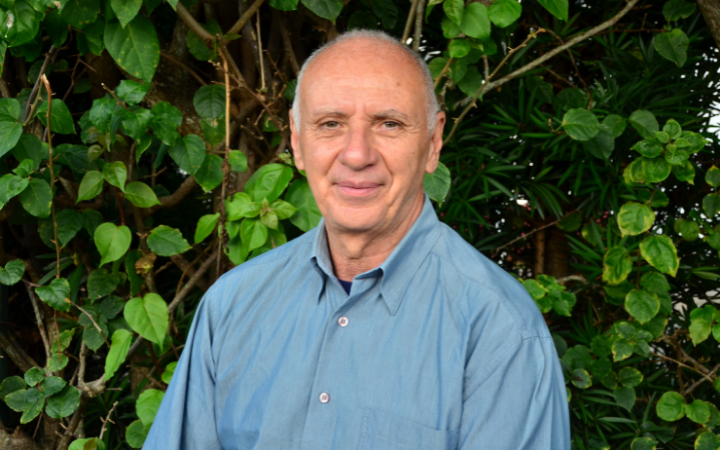
Maurici’s Lighthouse School is shedding light on climate change issues in a rural community in Brazil and leading to collection action.

With the hackathon, Enas became more inspired to continue promoting healthier lifestyles and cities’ renaturalization with her students. She has replicated some of the methodologies from the hackathon in her classes.

06 July 2021, New York, USA - On July 6, United Nations Institute for Training and Research in partnership with United Nations Department of Economics and Social Affairs (UNDESA) and United Nations Climate Change Convention (UNCCC) hosted the launch of their e-learning course Harnessing Climate and Sustainable Development Goals (SDGs) Synergies.

June 2021 - In Southern Africa, radio continues to be the primary means of mass-communication and a source of information and entertainment especially to young people and their families. More than a tool to share information, radio continues to be a key site for community-building and foster positive change. In this spirit, a climate change radio programme “Our Changing Climate – Our Time to Act!” was created by the MIET Africa, UN CC:Learn Partnership and relevant environment Ministries as part of the COVID-19 emergency response in Malawi, Zambia and Zimbabwe. Between November 2020 and February 2021, 108 episodes were broadcast with an estimated reach of more than 27 million listeners from all ages across the three countries.
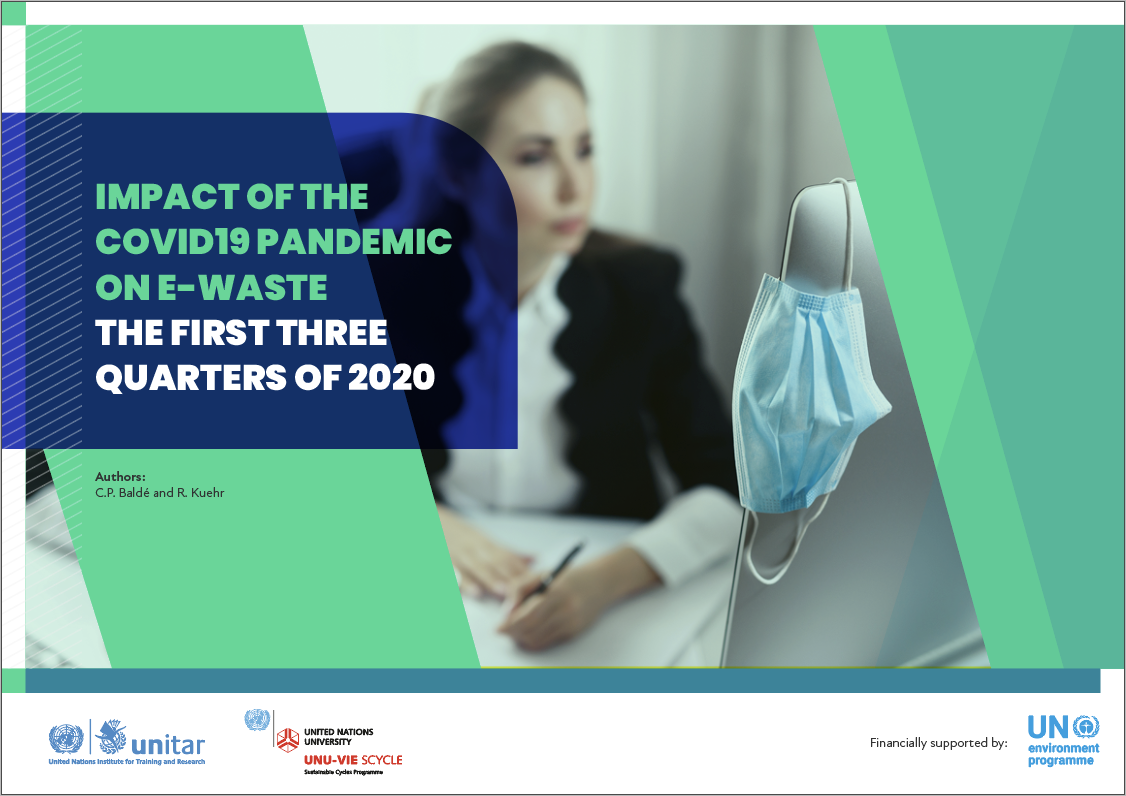
9 June 2021, Bonn, Germany - In the first three quarters of 2020, the COVID-19 pandemic caused a 30% fall in electronic and electrical equipment sales in low- and middle-income countries but only a 5% decline in high-income countries, highlighting and intensifying the digital divide between north and south, according to a new UN report.
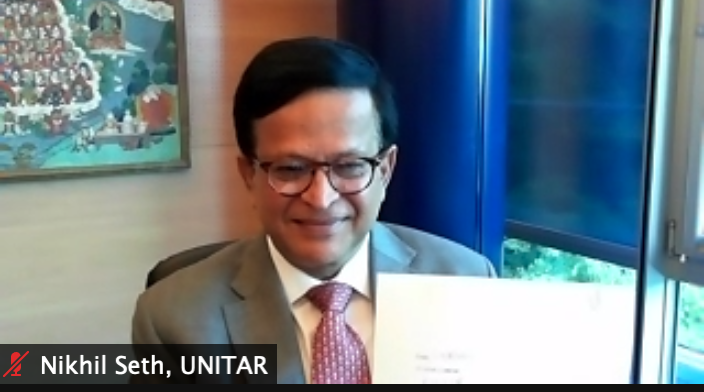
27 May 2021, Geneva, Switzerland and Beijing, China - The United Nations Institute for Training and Research (UNITAR), the Geneva School of Economics and Management of the University of Geneva and the School of Economics and Management of Tsinghua University have signed a Memorandum of Understanding (MoU) to set global standards for SDG Education and Open Innovation.
5 May 2021, Geneva, Switzerland - In order to face up the challenge that is delivering climate literacy across the globe, UN CC:Learn has made available a new feature which allows everyone to make voluntary donations to help scale up the programme’s efforts. Contribute today and help bring state-of-the-art e-learning resources on climate change and green economy to the most in need!
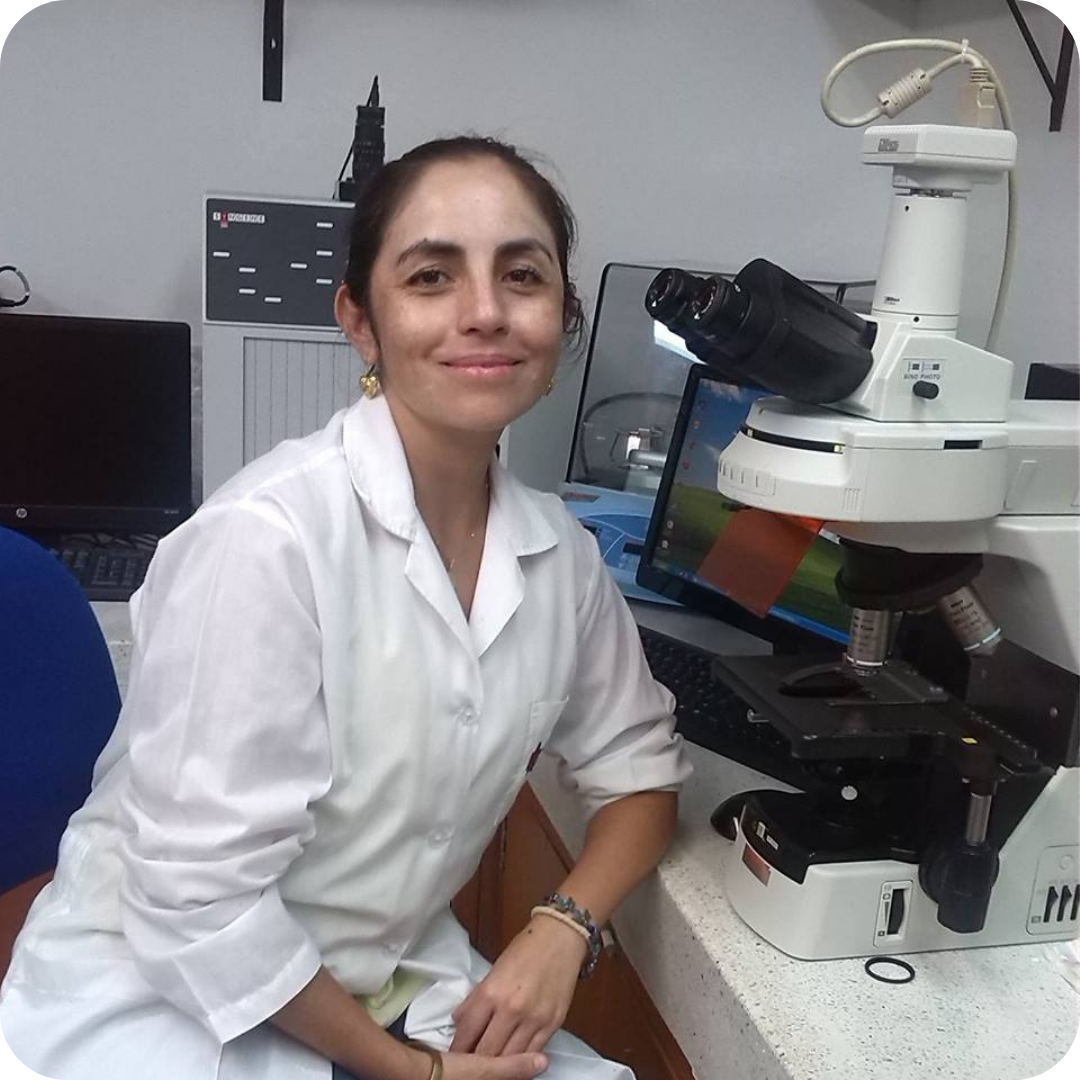
May 2021 - How climate change can impact on disease outbreaks such as Zika or Dengue? Andrea Monroy-Licht is a UN CC:Learn Champion who has been leading a project called Salud 1.5º. This initiative seeks to encourage students to take action against the health risks associated with climate change and global warming. This Colombian teacher from Barranquilla has already made positive changes in her community and is looking forward to replicating this project in other cities. Discover more about her environmental education activities on climate change issues which aims at mitigating the effects associated with vector-borne diseases.
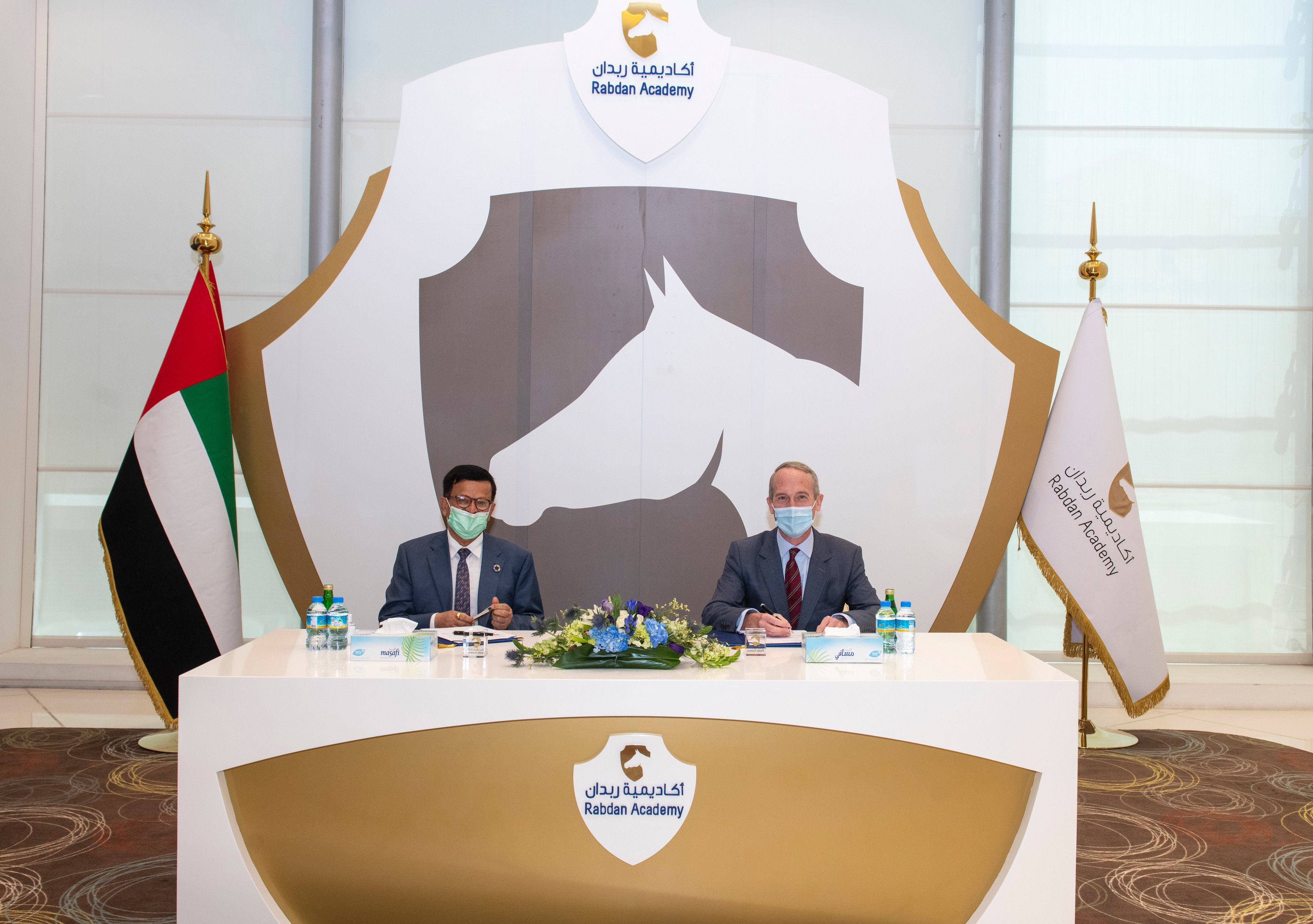
21 April 2021, Abu Dhabi, UAE - The United Nations Institute for Training and Research (UNITAR) is delighted to announce the signing of a joint agreement between Rabdan Academy, UAE, and UNITAR. The MoU was signed at Rabdan Academy’s campus in Abu Dhabi by Mr. James Morse, President of Rabdan Academy, and Mr. Nikhil Seth, UN Assistant Secretary-General and Executive Director of UNITAR. Both partners stressed the importance of joint training and educational efforts to address the challenges facing the UAE and the wider international community.