

UNITAR
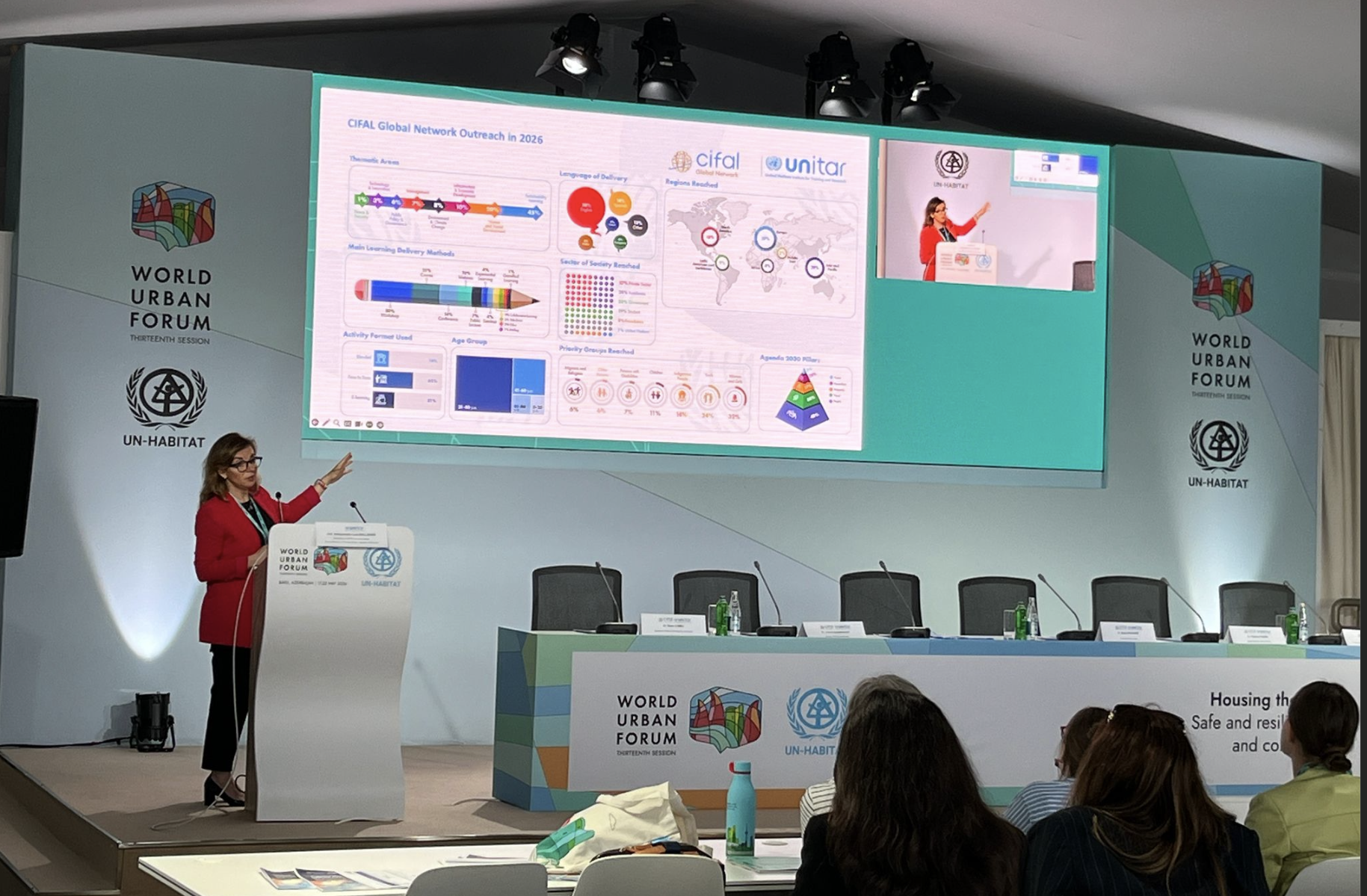
19 May 2026, Baku, Azerbaijan-At the World Urban Forum 13 (WUF13), the United Nations Institute for Training and Research (UNITAR) and its CIFAL Global Network convened the Urban CapaCity Lab within the framework of WUF Academy that is launched at WUF13 in Baku. The session brought together municipal officials, urban leaders, academic partners, and CIFAL directors from across the network to examine how capacity development translates global urban agendas into measurable city-level outcomes. This session has been also the kick-off of CIFAL Global Network’s newly developed Urban CapaCity Lab methodology.
The session responded to the WUF13 theme, Housing the World: Safe and Resilient Cities and Communities, centred on a key premise: achieving adequate housing for all requires more than physical infrastructure. It demands skilled local leadership, innovative governance frameworks, inclusive development approaches, and sustained capacity development at every level of urban governance. Cities are facing mounting pressures from rapid urbanization, climate change, social inequality, and economic transformation. The case for trained municipal officials, empowered citizens, and resilient institutions has never been more pressing.
CIFAL as a Platform for Localising Global Agenda
UNITAR
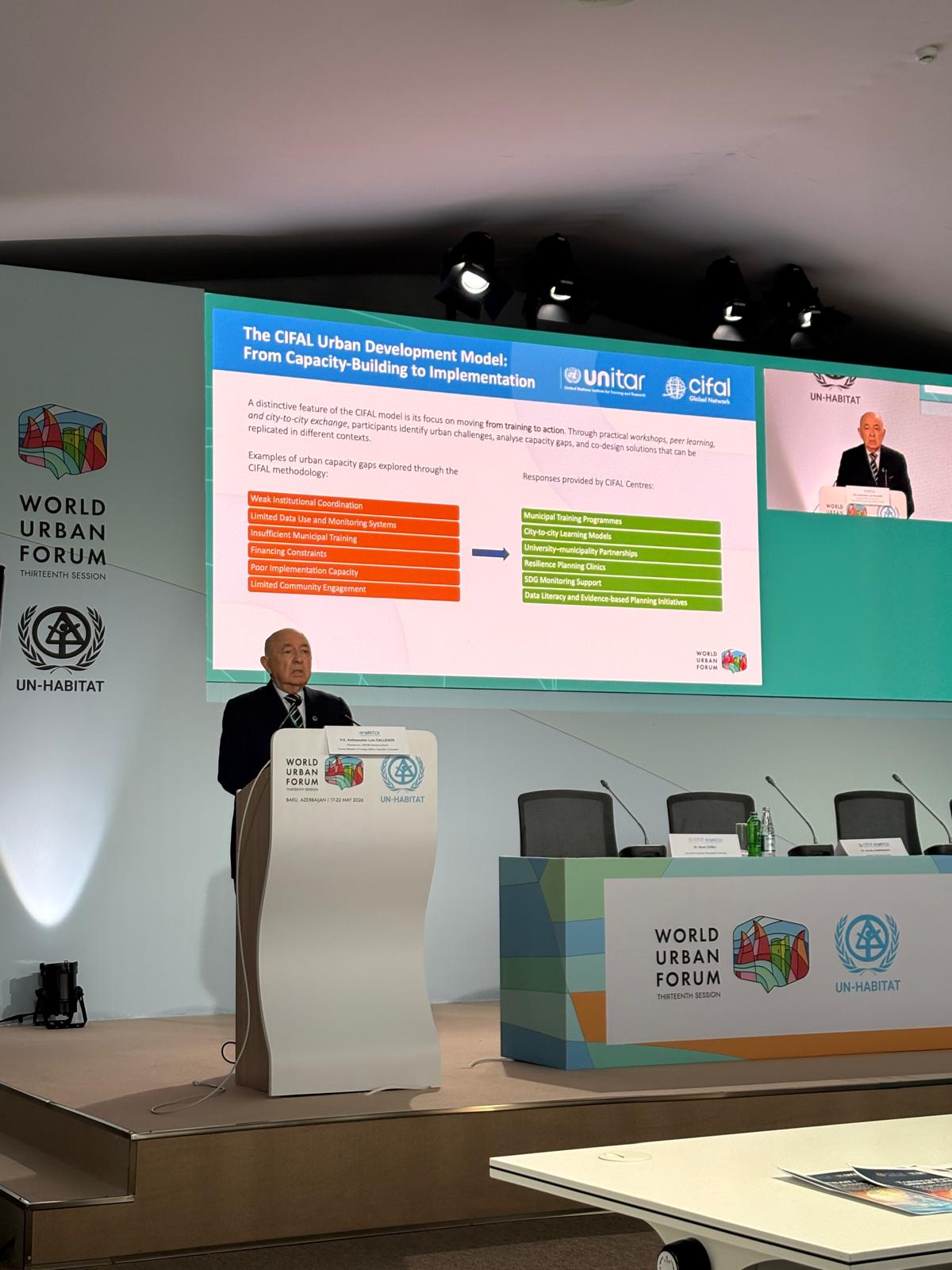
Ambassador Luis Gallegos, Chairperson of the Division for People and Social Development Advisory Board and former Minister of Foreign Affairs of the Republic of Ecuador, followed with keynote remarks on Leaving No One Behind in the Urban Century: Disability, Ageing and the Capacity to Build Inclusive Cities. His remarks placed inclusion at the heart of the capacity development agenda. Who is reached, trained, and empowered, he argued, is inseparable from the structural goals of the New Urban Agenda.
Urban CapaCity Action: Frontline Experience Across the Network
UNITAR
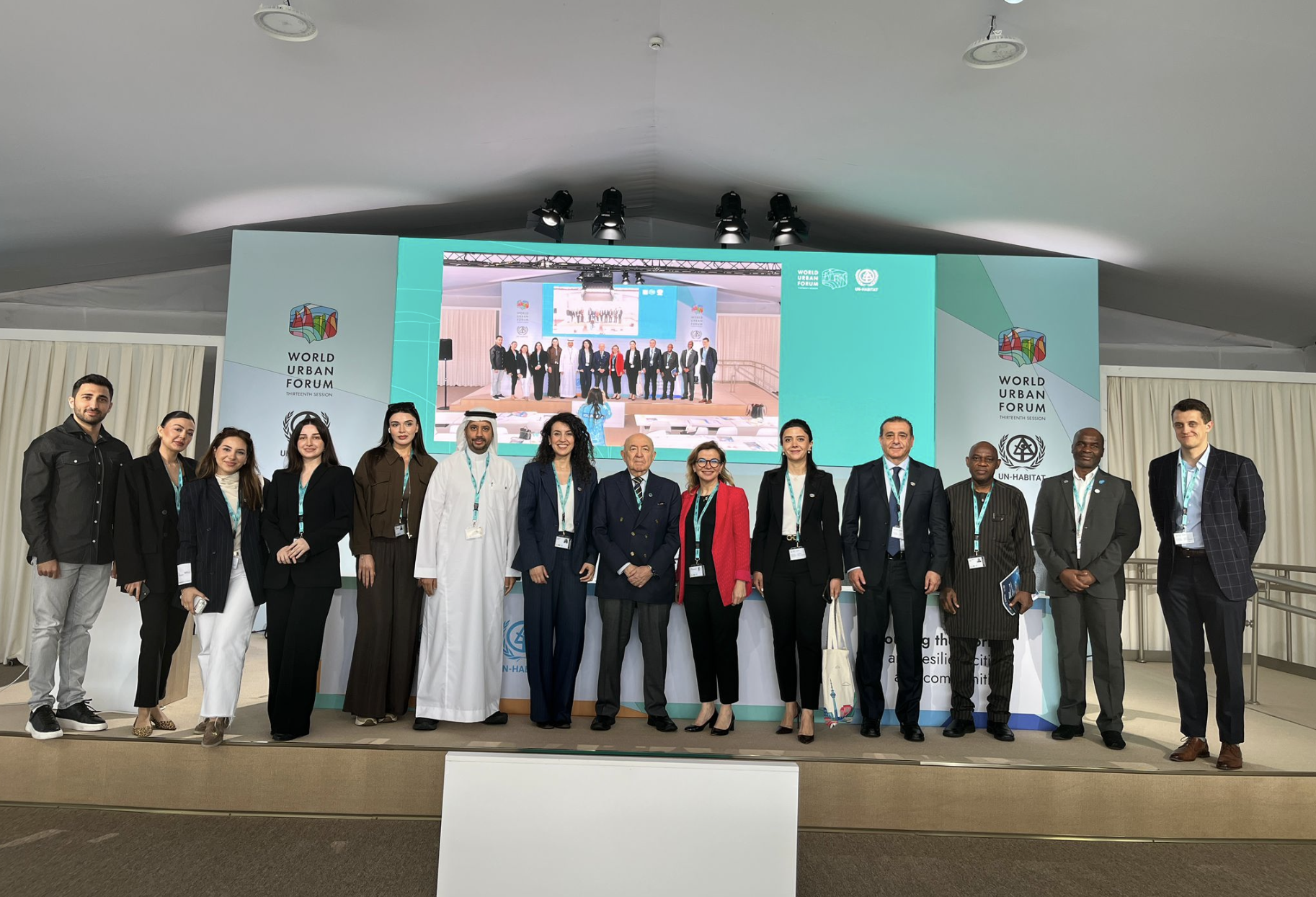
The CIFAL Global Network CapaCity Action segment, moderated by Ebru Canan-Sokullu, Deputy Head of the CIFAL Global Network, drew on frontline experience across the network to surface common capacity gaps, success factors, and pathways for moving from training to implementation.
- Aiman Albarakati, Director of CIFAL Saudi Arabia, addressed the urban implementation gap and the local capacity required to deliver sustainable and measurable urban impact.
- Maan Chibli, Associate Professor at Bahçeşehir University’s (BAU) Faculty of Architecture, spoke to inclusive urban governance and the planning, financing, and partnership architectures that allow it to function in practice.
- Yasemin Ülker, Deputy Director of CIFAL Istanbul, and also professor of Logistics and Supply Chain Management at BAU presented capacity development as a catalyst for resilient urban supply chains and city transformation. Supply-chain resilience, she argued, is a capacity question, not a purely technical one.
- Mpilo Ngubane, Director of CIFAL Durban, addressed municipal capacity development for frontline urban governance, building the argument from within the local authority itself rather than from external prescription.
- Deborah Salafranca, Director of CIFAL Malaga, closed the panel with experience from urban planning and regenerative tourism, drawing on Malaga’s work on SDG localisation.
- Vusal Rajabli, the President of National Automotive Club of Azerbaijan, who also represented CIFAL Madrid, highlighted the importance of resilient cities need safe roads for its residents including children, elderlies, and people with disabilities.
Taken together, the contributions offered an integrated reading of capacity development that moved from governance and planning to resilience, inclusion, and local SDG delivery.
From Discussion to Co-Design: The Urban Capacity Lab
UNITAR
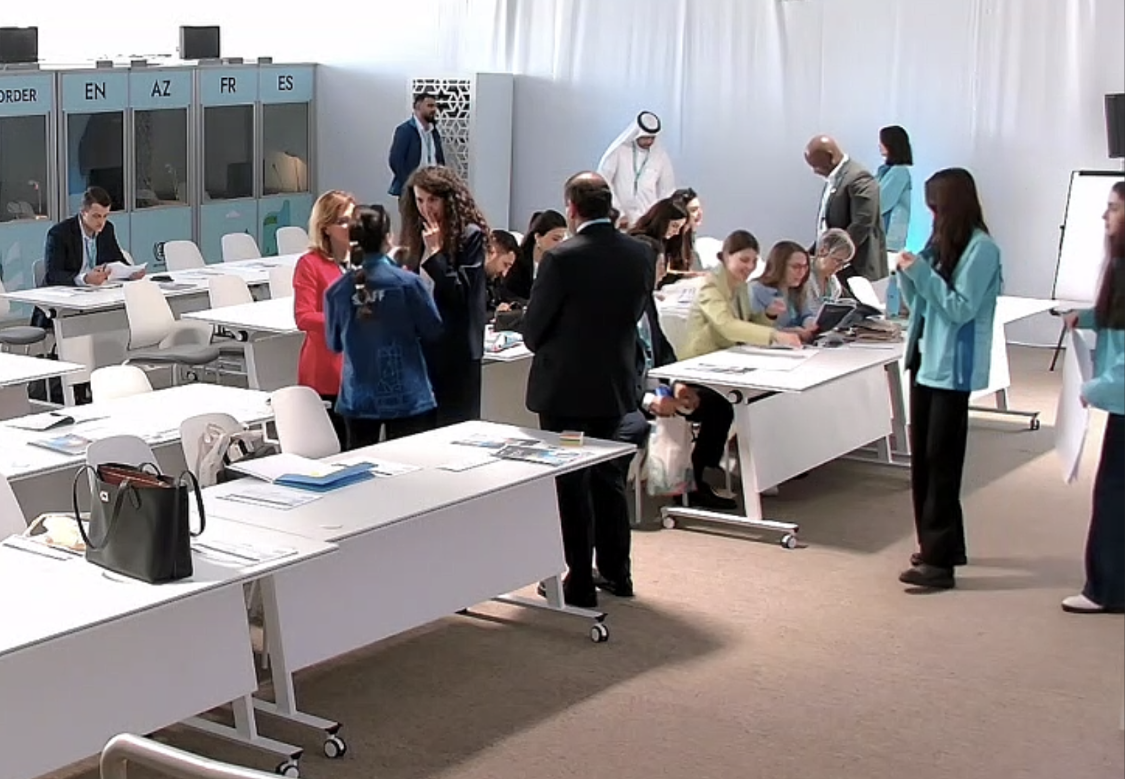
Building on the panel, the session transitioned into the Urban CapaCity Lab itself, a facilitated co-design segment co-led by Canan-Sokullu and Ülker. Participants joined Speaker-Anchored Stations and engaged in structured small-group dialogue. Their task: identify priority capacity gaps across governance, resilience, housing, and inclusion, and co-create practical responses, including training approaches, institutional strengthening measures, and partnership models.
The Lab was designed to produce more than discussion. Through the Model CGN CapaCity Action component, participants contributed to solution design, prototype action plans, and a shared lessons-learned report, with the explicit aim of feeding those insights back into the CIFAL Global Network’s programming. The Snapshots segment that followed surfaced key challenges and solutions identified across groups, anchoring the session’s learning outcomes in concrete, participant-generated material.
Anchoring Capacity Development in the WUF13 Agenda
Canan-Sokullu delivered closing remarks and certification, situating the session within the next phase of the CIFAL Global Network’s contribution to WUF13 and the broader implementation of the New Urban Agenda. The training contributed to SDG 4 (Quality Education), SDG 11 (Sustainable Cities and Communities), and SDG 17 (Partnerships for the Goals). It also supported the New Urban Agenda’s commitment to strengthened institutional and human resource capacity at all levels.