
Photo Credit: UNITAR
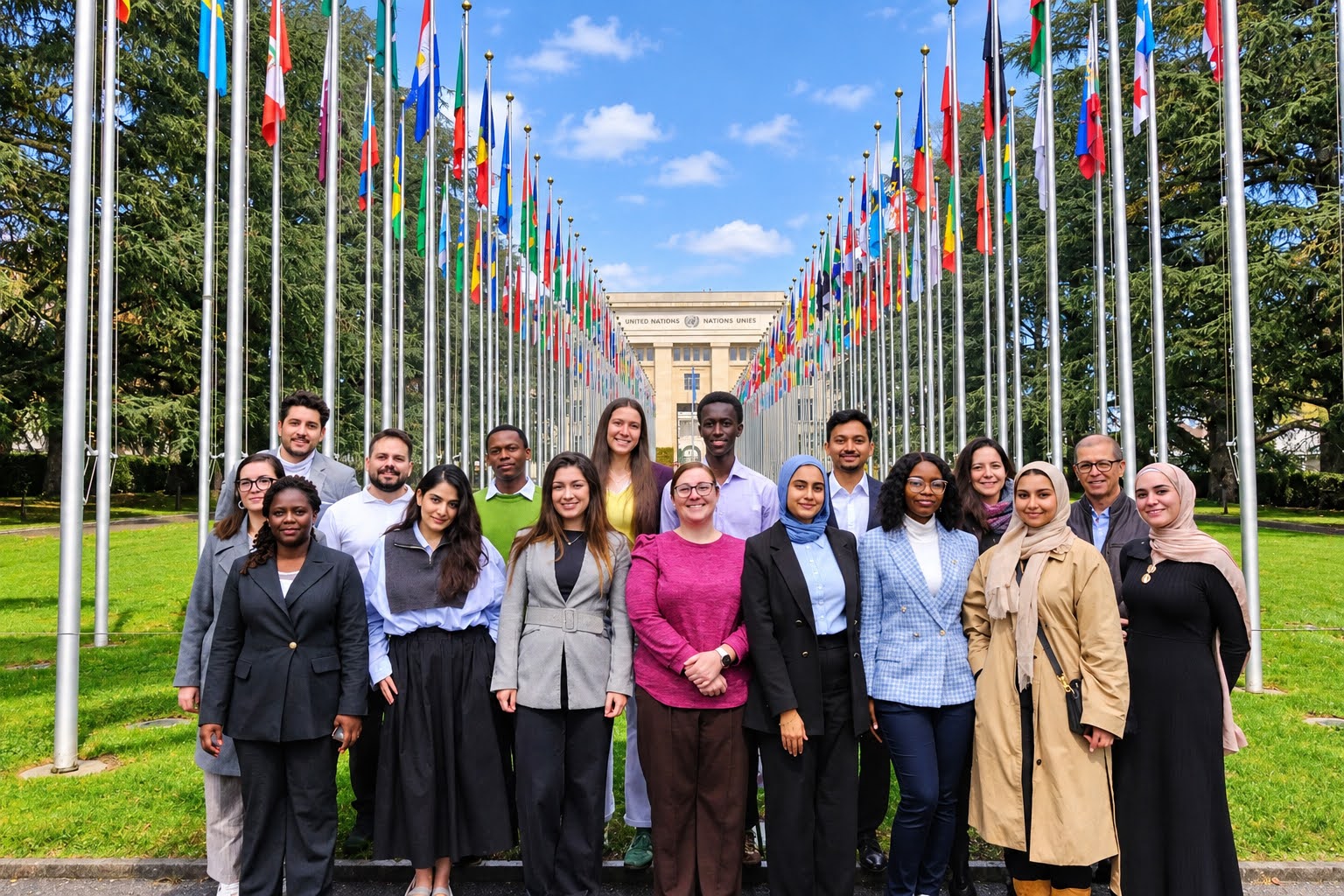
The United Nations Institute for Training and Research (UNITAR) brought together 16 participants from 15 countries for the second United Nations Chemicals and Waste Management Study Programme, held from 9 to 13 November 2026 in Geneva, Switzerland. Featuring contributions from over 20 speakers representing 17 organizations, the five-day programme strengthened participants’ understanding of international chemicals and waste governance, practical implementation approaches, and opportunities for cooperation.
Organized by UNITAR’s Chemicals and Waste Management (CWM) Programme, the study programme explored how effective chemicals and waste management can contribute to addressing the triple planetary crisis of climate change, biodiversity loss, and pollution and waste. Through expert presentations, practical exercises and institutional visits, participants examined the international frameworks, technical tools and partnerships supporting sound chemicals and waste management.
Mr. Jorge Ocana, Manager, Chemicals and Waste Management Programme, UNITAR, further mentioned: “Ahead of the First International Conference on Chemicals (IC1), the Programme provided a timely opportunity to strengthen knowledge, exchange experiences, and build partnerships around the sound management of chemicals. Its strategic timing and location helped prepare participants, including those attending the Conference, to engage more meaningfully in its discussions."
Understanding the global chemicals and waste governance landscape
The programme opened with an introduction to the global chemicals and waste challenge, including the health, environmental and governance dimensions of chemicals management. Contributions from the World Health Organization (WHO) and the Inter-Organization Programme for the Sound Management of Chemicals (IOMC) highlighted the importance of integrating health and safety considerations into chemicals management and strengthening coordination across sectors with the Global Framework on Chemicals (GFC).
Mr. Jonathan Krueger, Coordinator of the IOMC, stated, "The UNITAR Programme exposes participants to a broad range of organizations based in Geneva that contribute to the sound management of chemicals and waste, and prepares them for events like the GFC's IC1. Key aspects related to health, the environment, the workplace, trade, capacity development, and trade are key to understanding the multi-sectoral challenges to keep our planet free of harm from chemicals and waste".
A panel discussion brought together perspectives from UNITAR, the Center for International Environmental Law (CIEL) and Givaudan to examine how global chemicals governance translates into practice. Participants considered the respective roles of governments, international organizations, civil society and the private sector in advancing sound chemicals management.
Sessions throughout the week explored key multilateral environmental agreements and international policy frameworks. Experts introduced participants to the Basel, Rotterdam and Stockholm Conventions, the Minamata Convention, the Aarhus Convention and its Protocol on Pollutant Release and Transfer Registers from the United Nations Economic Commission for Europe, as well as occupational safety and health considerations in chemicals management from the International Labour Organization (ILO). A practical exercise enabled participants to map the international policy landscape and consider its relationship with the GFC’s IC1 taking place in Geneva the following week.
Connecting international commitments with implementation
Moving from policy frameworks to implementation, participants examined the negotiation of multilateral environmental agreements and the role of stakeholder engagement in achieving effective outcomes. A session on sustainable chemistry, led by the International Sustainable Chemistry Collaborative Centre (ISC3), explored approaches for embedding sustainability throughout chemical production and use.
An institutional visit to CERN provided an opportunity to consider how a major international research organization addresses environmental protection, prevention and monitoring, waste management and recovery. The visit offered practical insights into the application of environmental management approaches within a complex institutional setting.
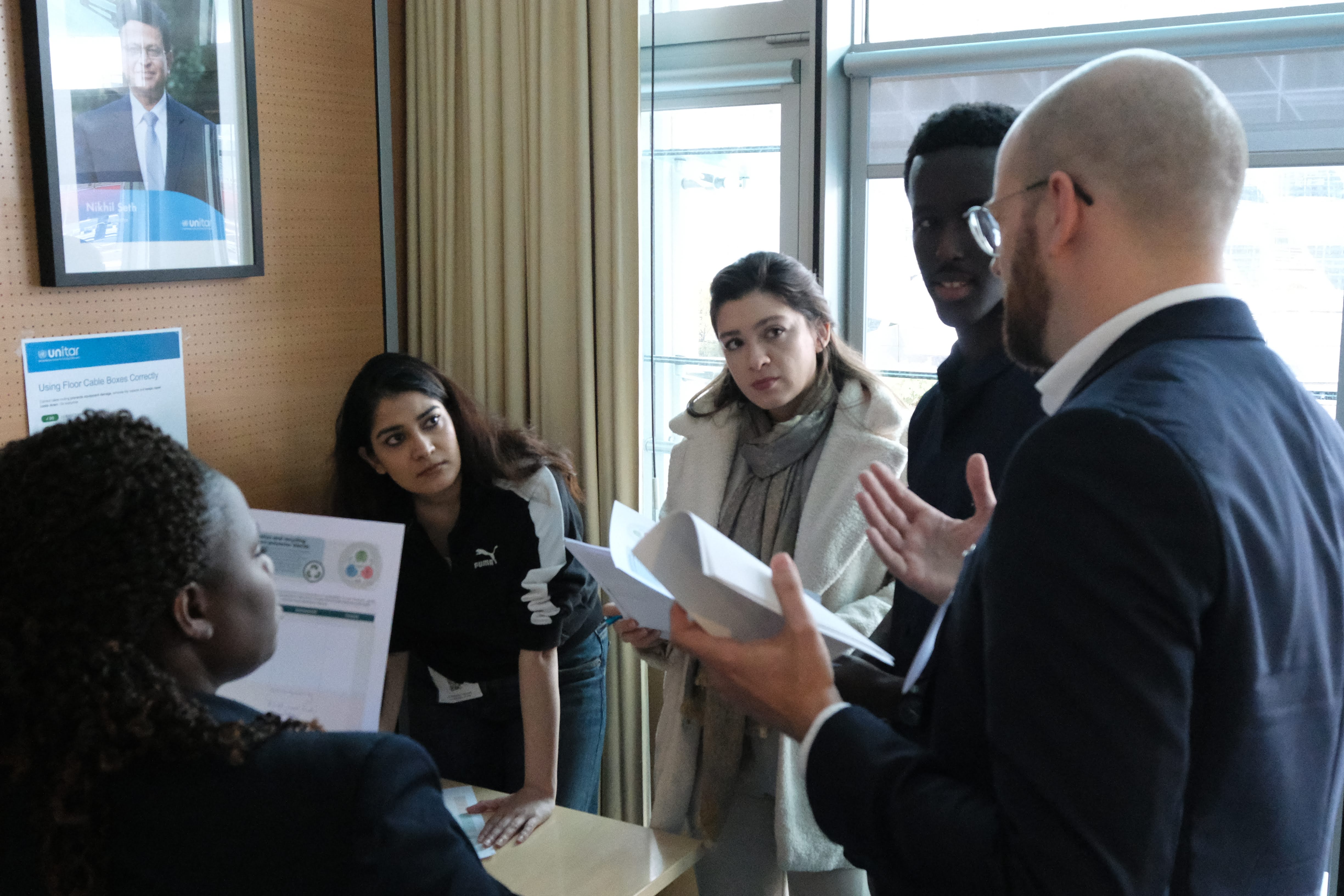
Photo Credit: UNITAR
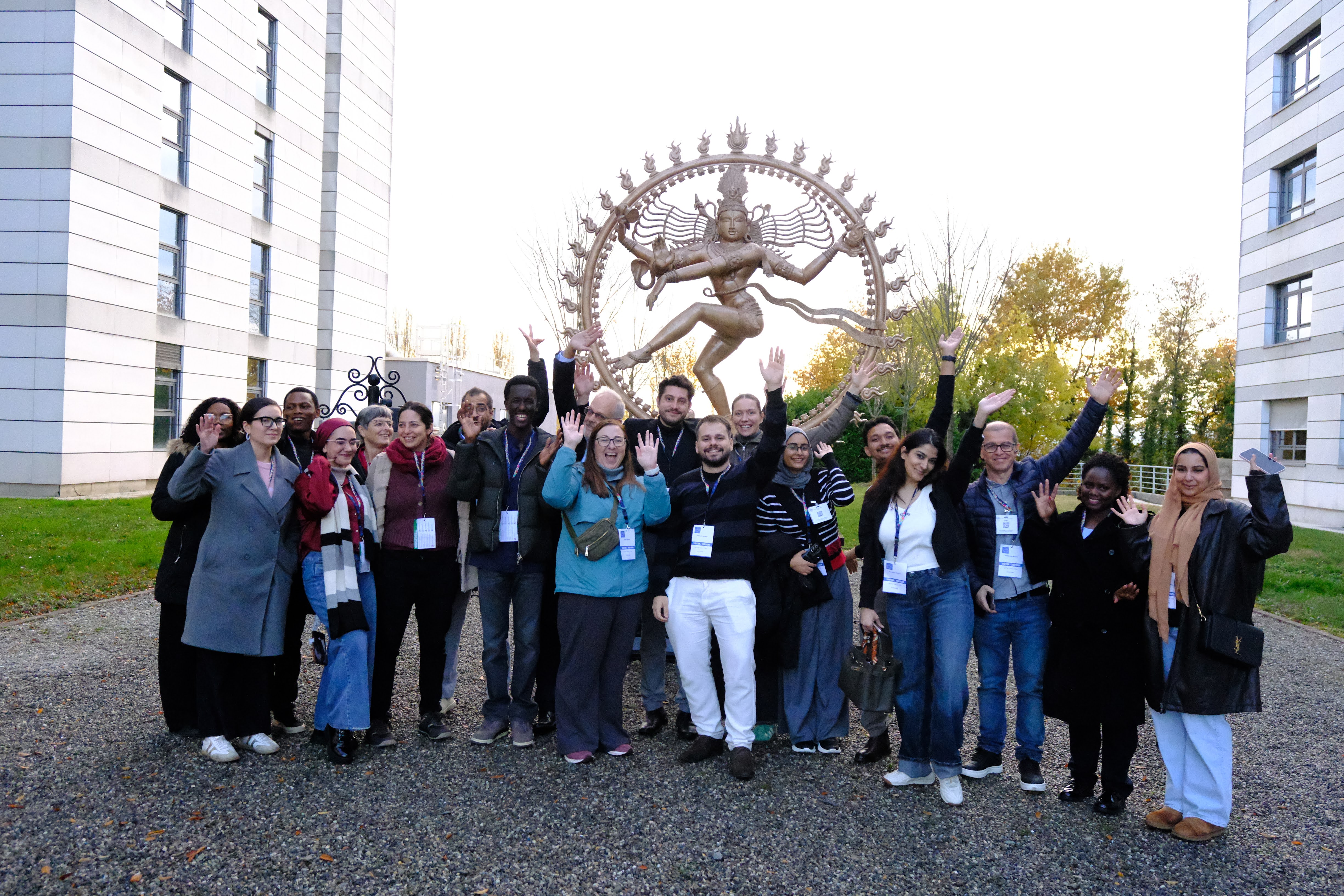
Photo Credit: UNITAR
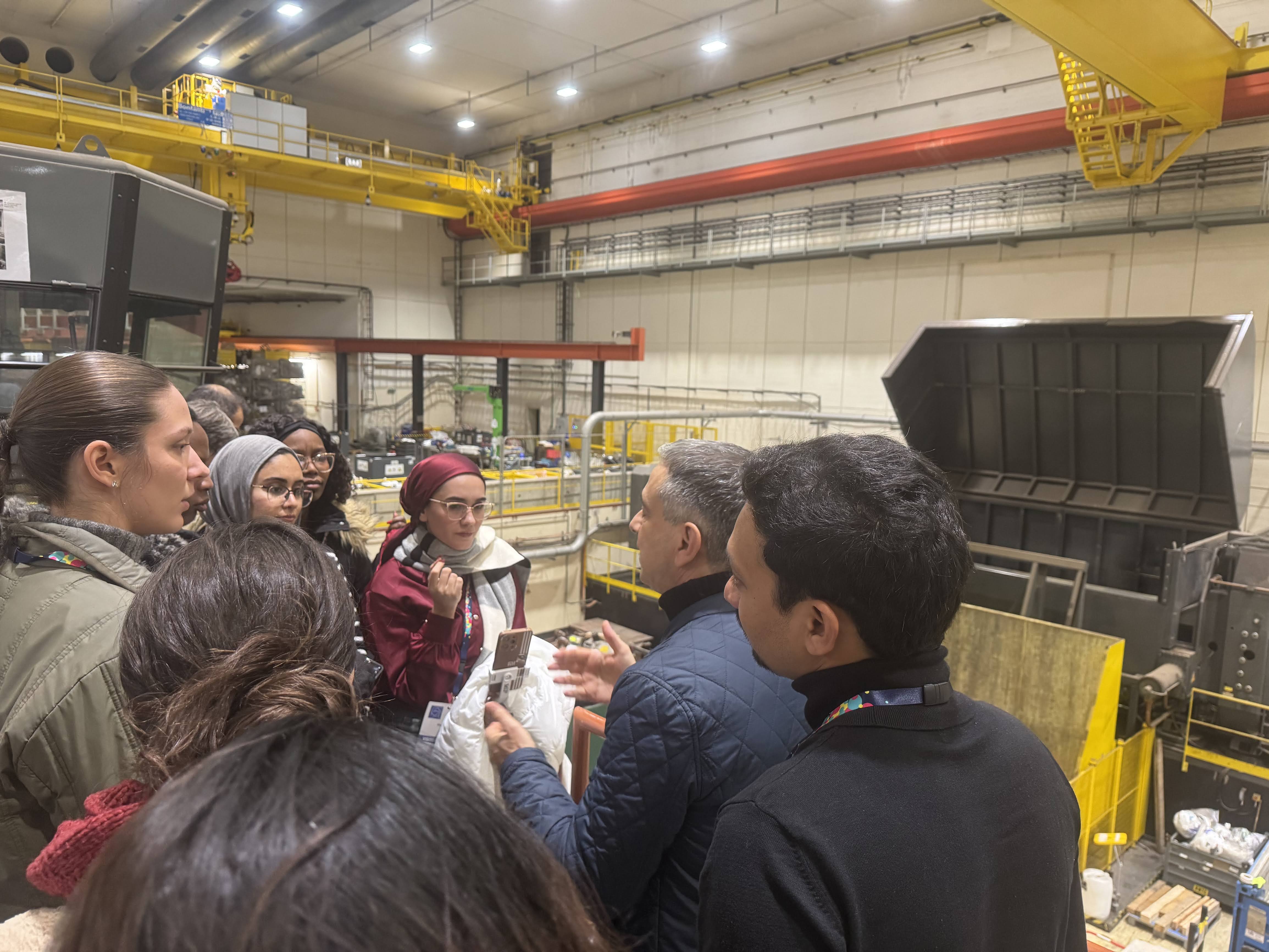
Photo Credit: UNITAR
Exploring technical tools and circular approaches
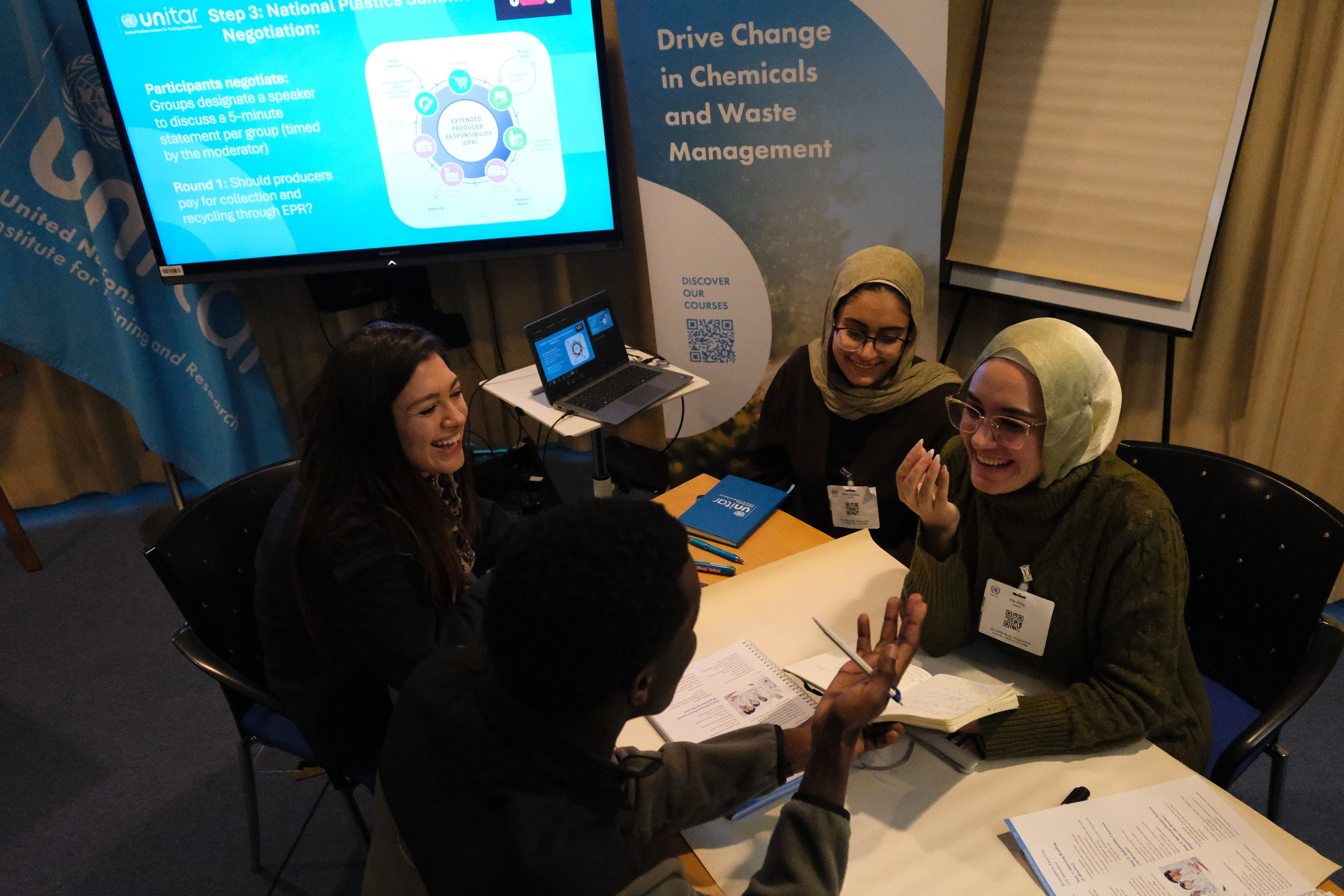
Photo Credit: UNITAR
The programme also highlighted technical instruments and innovative approaches that support implementation. UNITAR introduced the Globally Harmonized System of Classification and Labelling of Chemicals (GHS), emphasizing its role in improving the communication of chemical hazards and strengthening chemical safety.
Further sessions examined electronic waste management, per- and polyfluoroalkyl substances (PFAS), and approaches to tackling plastic pollution. Contributions from UNITAR’s SCYCLE Programme, the Organisation for Economic Co-operation and Development (OECD), and the Global Plastic Action Partnership (GPAP) of the World Economic Forum introduced participants to relevant research, policy approaches and practical case studies.
An interactive exercise on plastics encouraged participants to consider the material's life cycle and the roles of different stakeholders in addressing plastic pollution. Together, these sessions demonstrated how technical knowledge, regulatory instruments and circular approaches can support more sustainable chemicals and waste management.
Translating learning into action
The final part of the programme focused on implementation challenges, sectoral perspectives and opportunities for future cooperation. Drawing on the week’s discussions, participants took part in a Pollution Solution Lab to develop project proposals addressing chemicals and waste management challenges. The activity encouraged them to apply their learning to practical contexts and consider how partnerships and targeted interventions can support national and regional priorities.
The programme concluded with reflections on key lessons, next steps and opportunities to maintain professional connections beyond the study programme.
By bringing together participants and experts from across the international chemicals and waste management community, the second edition of the study programme provided a platform for knowledge exchange, practical learning and collaboration. It reinforced the importance of connecting international policy frameworks with technical expertise and institutional capacity to advance the sound management of chemicals and waste worldwide.
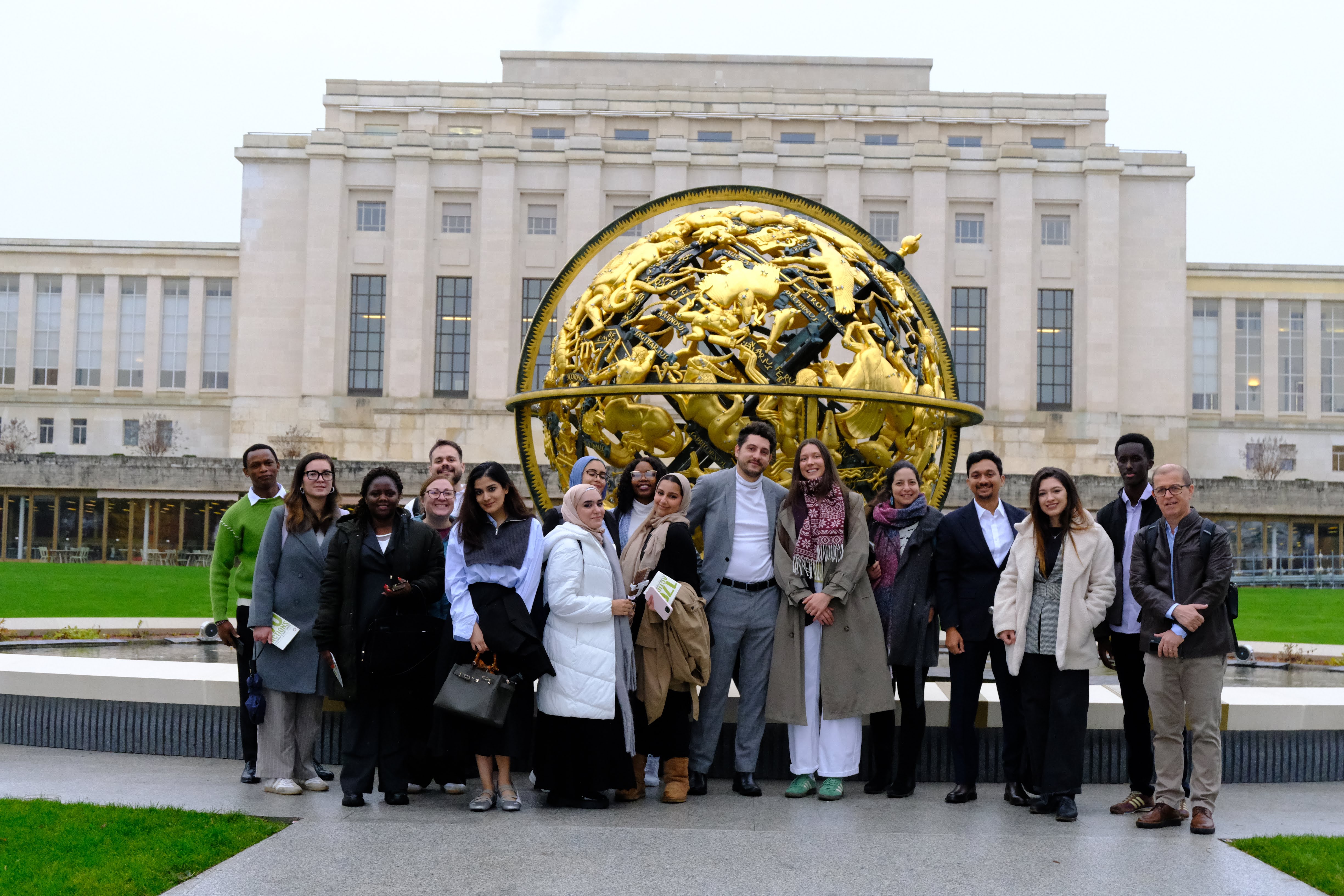
Photo Credit: UNITAR
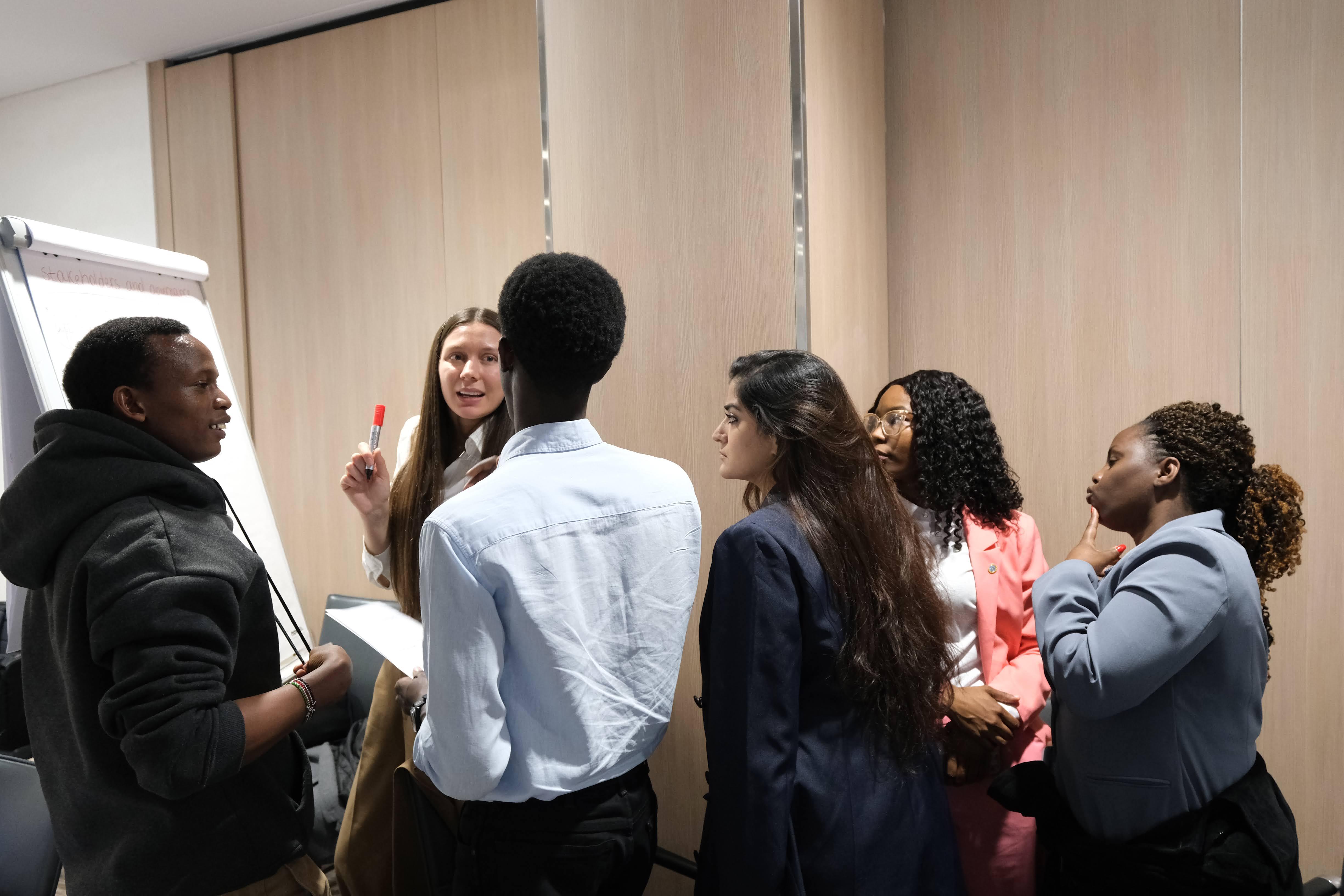
Photo Credit: UNITAR
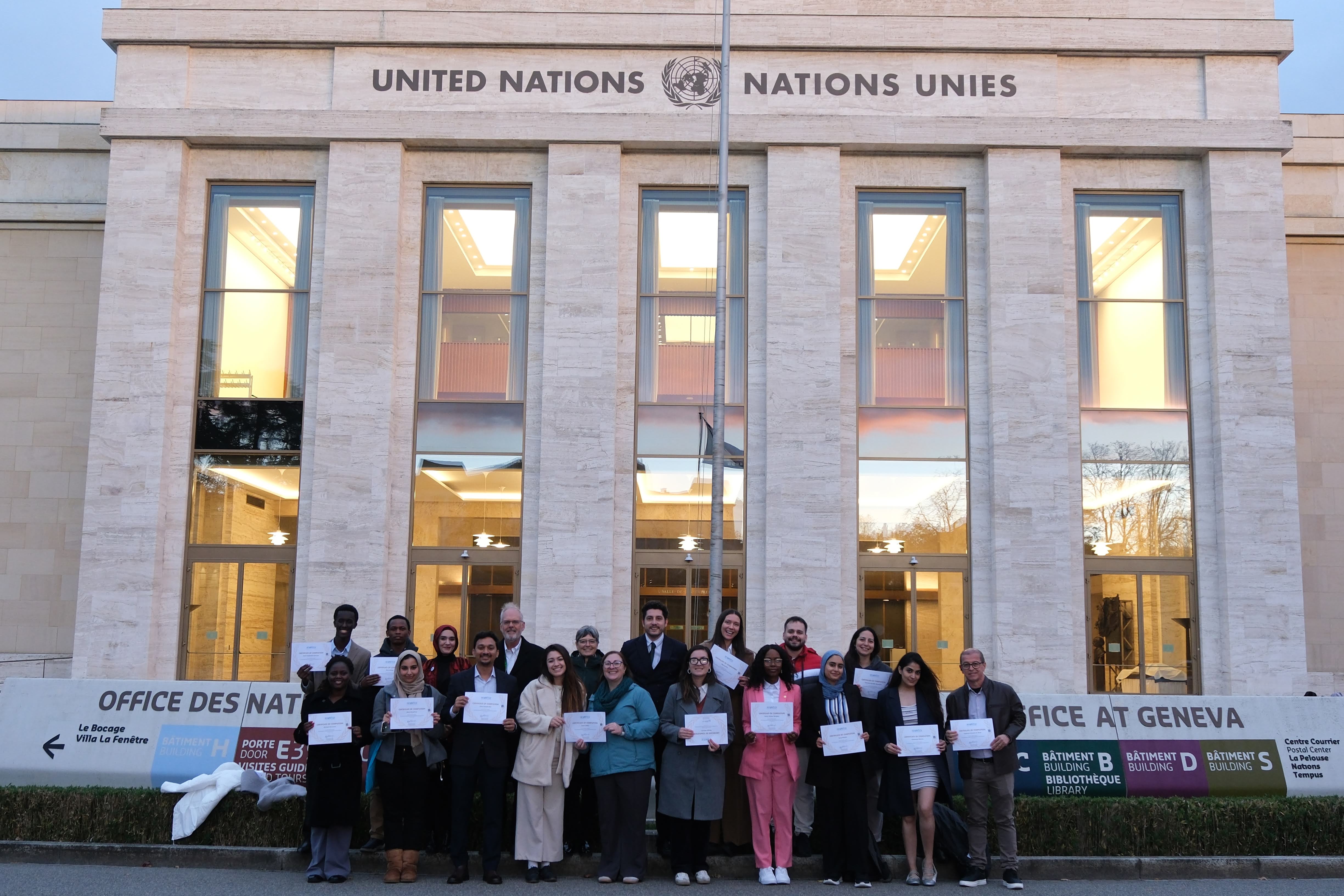
Photo Credit: UNITAR
Acknowledgements
UNITAR extends its appreciation to the experts and partner organizations who contributed to the programme, including WHO, IOMC, CIEL, Givaudan, the Minamata Convention Secretariat, UNECE, ILO, UNCTAD, ISC3, CERN, OECD, the Global Plastic Action Partnership of the World Economic Forum, and the United Nations Environment Programme for hosting the Global Supply Chain Forum.
We would also like to mention a special thanks to the Chemicals and Waste Youth Platform for their support in organizing 9 scholarships for youth recipients to participate in the programme.