

3 June 2026, New York, USA - The United Nations Institute for Training and Research (UNITAR), in partnership with the Permanent Mission of Portugal to the United Nations and the United Nations Department of Political and Peacebuilding Affairs (DPPA), delivered the Briefing for Delegates on the Work of the United Nations Security Council at United Nations Headquarters in New York on 20 and 22 May 2026.
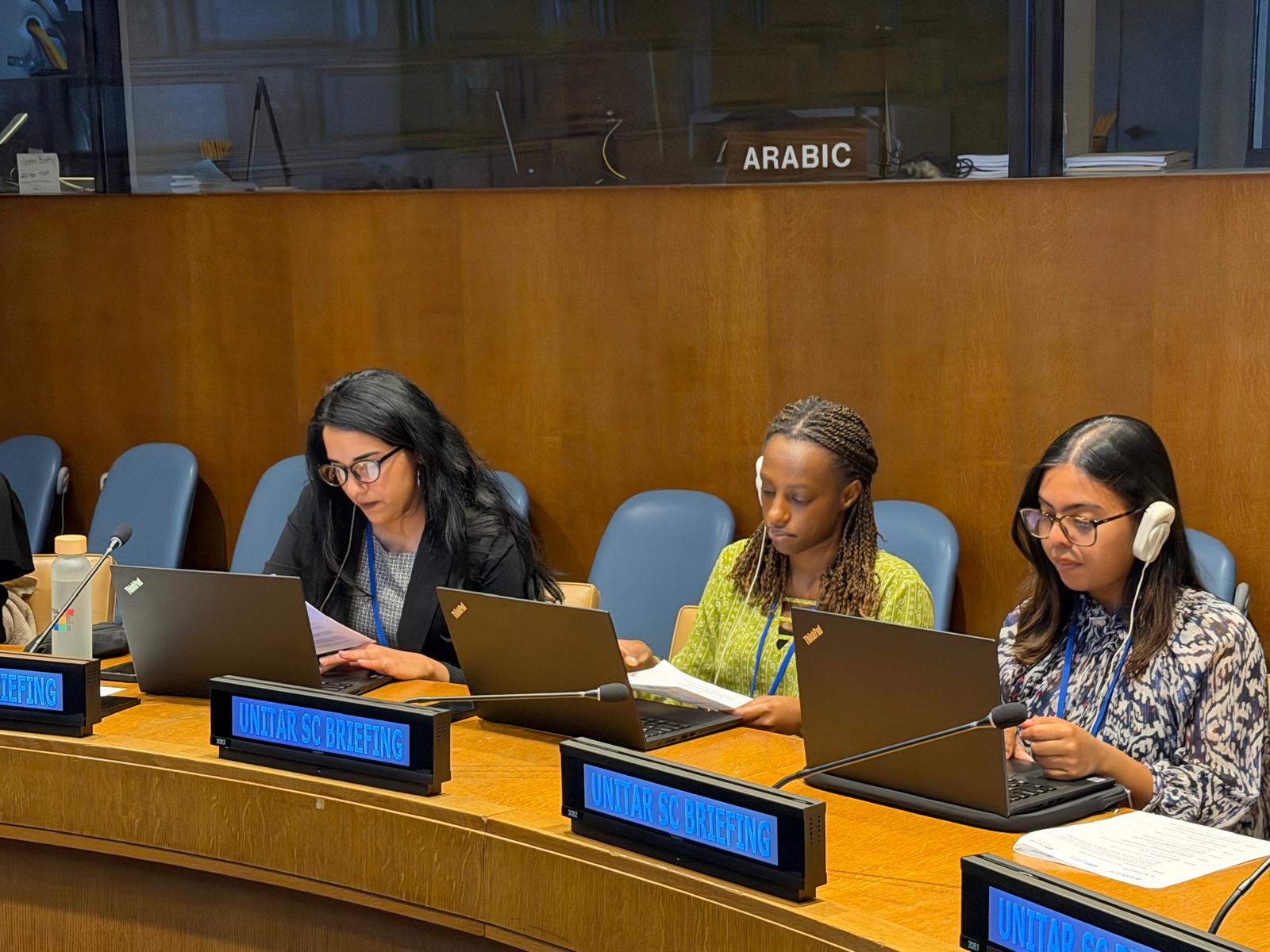
Held in a hybrid format, the two-day information session brought together approximately 1,400 diplomats and representatives from Permanent Missions, both in person and online through UN WebTV, to deepen understanding of the Security Council’s procedures, working methods, and decision-making processes.
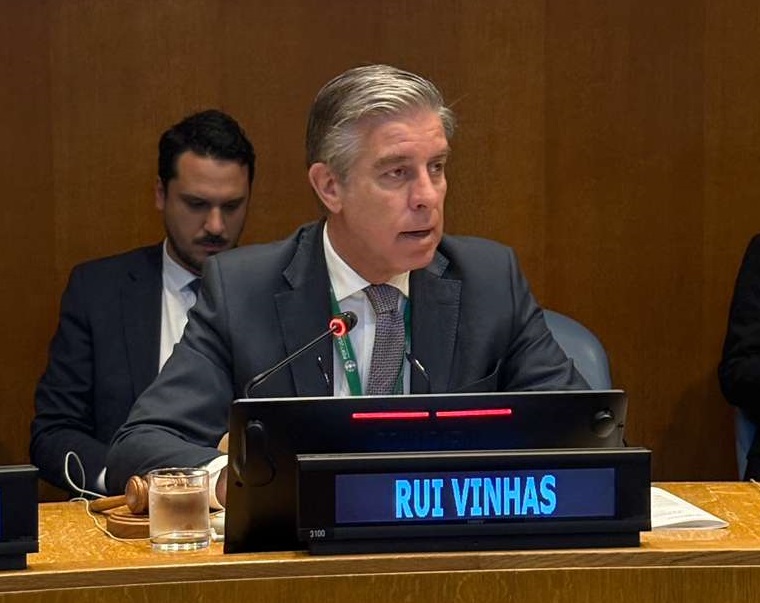
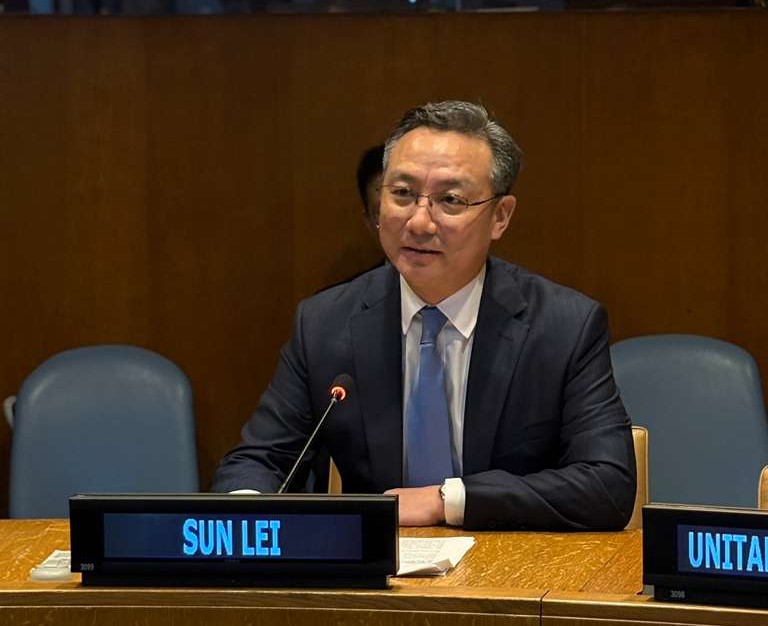
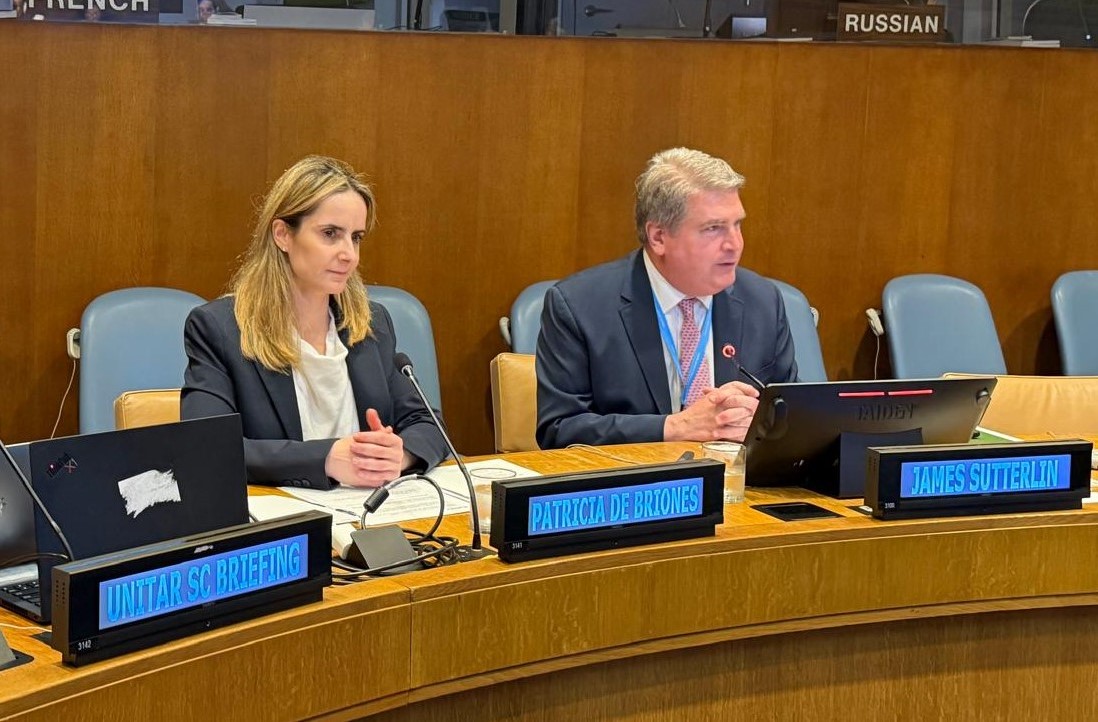
Opening remarks were delivered by H.E. Ambassador Rui Vinhas, Permanent Representative of Portugal to the United Nations; H.E. Ambassador Sun Lei, Deputy Permanent Representative of the People’s Republic of China to the United Nations and President of the Security Council for May 2026; and Ms. Patricia Martín de Briones, Senior Programme Specialist at UNITAR’s Division for Multilateral Diplomacy.
UNITAR
UNITAR
Enhancing Understanding of Security Council Operations
UNITAR
The first day focused on the foundations and day-to-day functioning of the Security Council’s work. Experts including Ms. Claudia Banz, Director at the Security Council Affairs Division; Mr. James Sutterlin, Chief of the Security Council Secretariat Branch; and Ms. Shamala Kandiah Thompson, Executive Director at Security Council Report, led discussions on the functions and powers of the Council, its working methods, programme of work, meeting formats, and agenda-setting processes.
Participants also explored the practical operations of the Council through sessions on procedures and documentation, sanctions committees, subsidiary organs, research tools, and Council outcomes. Ms. Michi Ebata, Chief of the Security Council Subsidiary Organs Branch, highlighted the role of subsidiary bodies in supporting the Council’s mandate, while Mr. Ahmed Ghanem-Ali, Chief of the Security Council Practices and Charter Research Branch, provided insights into the Presidency of the Security Council and its coordination responsibilities.
Insights into Decision-Making and Diplomatic Engagement
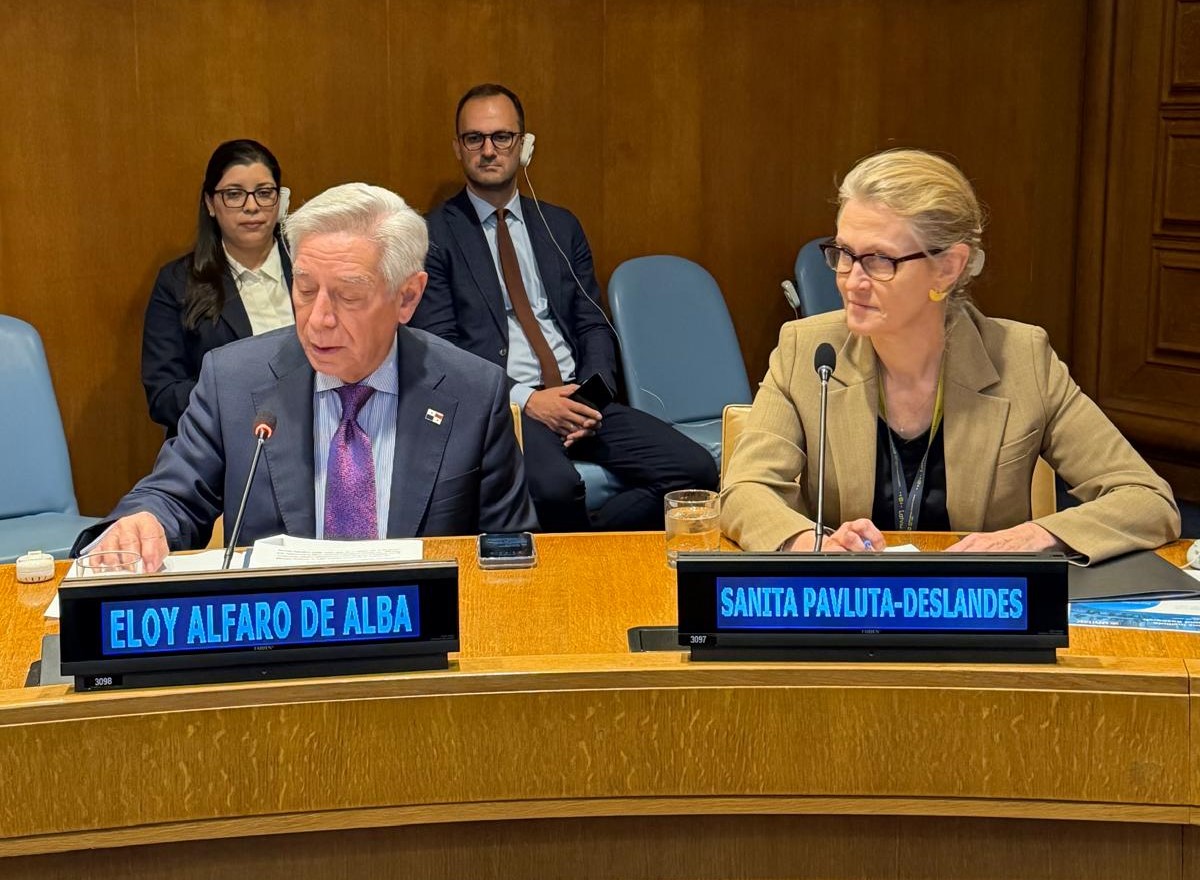
The second day focused on decision-making processes and opportunities for engagement within the Security Council. Current and former Council representatives, including H.E. Ambassador Mohamed Rabi Yusuf of Somalia, H.E. Ambassador Jamal Fares Alrowaiei of Bahrain, H.E. Ambassador Eloy Alfaro de Alba of Panama, H.E. Ambassador Sanita Pavluta-Deslandes of Latvia, and H.E. Mr. Oliver Hoehne of Switzerland, shared perspectives on the Presidency of the Security Council and the practical realities of leading the Council’s work.
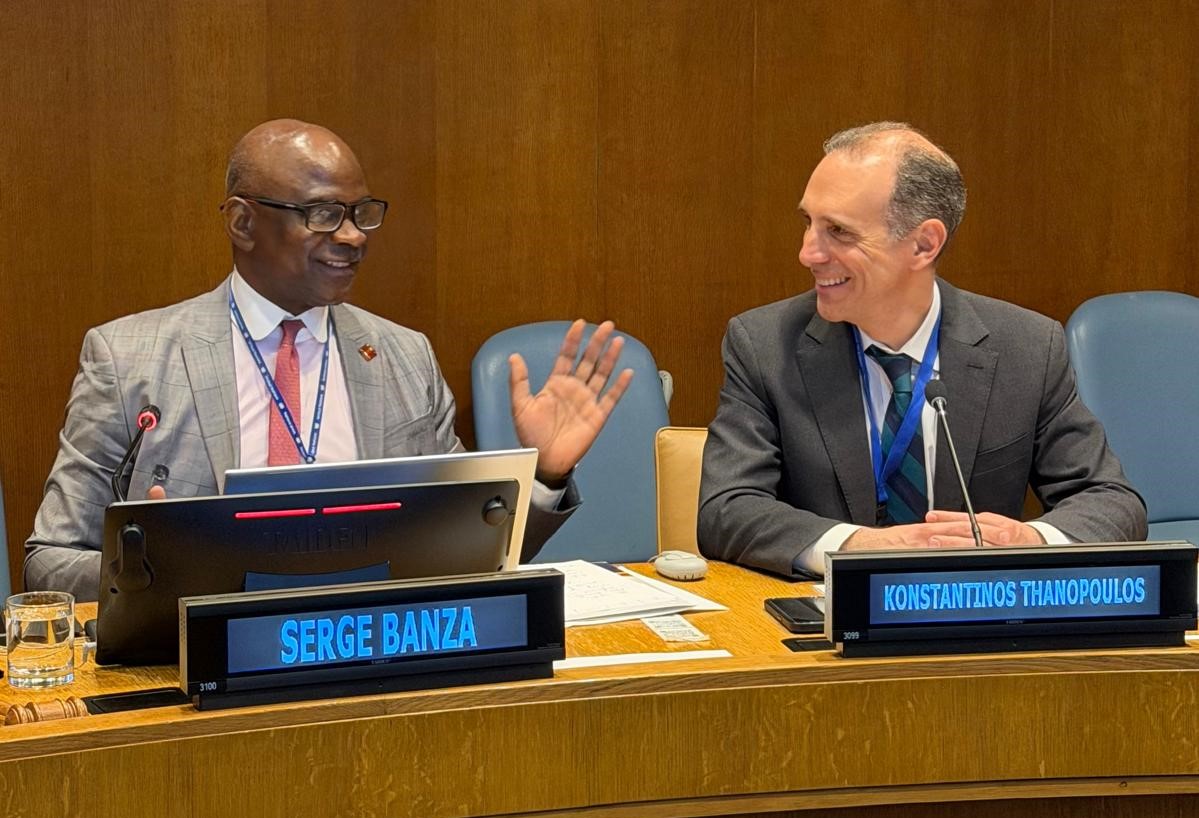
Additional sessions addressed decision-making and the use of the veto, informal meetings and their conduct, improving the Council’s working methods, relations with other UN organs and regional organizations, and the negotiation dynamics of the Incoming Five (I5) and Elected Ten (E10). Speakers included representatives from the Permanent Missions of Greece, the Democratic Republic of the Congo, Denmark, Pakistan, Liberia, Colombia, and Morocco.
UNITAR
UNITAR
Supporting Effective Multilateral Diplomacy
UNITAR
Through expert-led discussions and practical insights from experienced diplomats and UN officials, the programme provided delegates with a deeper understanding of the Security Council’s operations and highlighted opportunities for engagement by both Council and non-Council members.
As global challenges continue to underscore the importance of effective multilateral cooperation, initiatives such as this briefing play a vital role in equipping diplomats with the knowledge and skills needed to engage confidently within the United Nations system.
The programme reaffirmed UNITAR’s commitment to strengthening multilateral diplomacy capacities and supporting Member States in navigating the complexities of international governance and collective decision-making.