
21 October 2026, Nairobi, Kenya – The United Nations Institute for Training and Research (UNITAR), in collaboration with the Fédération Internationale de l'Automobile (FIA), and the FIA Foundation, launched the Safe Mobility for All and for Life (SM4A4L) edition for Africa.
The SM4A4L programme aims to equip FIA Club Members and government authorities with evidence-based methodologies, specialized training, and technical mentorship. The programme focuses on empowering mobility leaders to co-design and implement targeted interventions addressing urgent road safety priorities in their countries.
According to the Africa Status Report on Road Safety published by the Africa Transport Policy Program, the continent faces the highest road traffic fatality rate globally, at 19.6 deaths per 100,000 people. While accounting for only a fraction of global vehicle ownership, Africa represents nearly one quarter of road crash deaths worldwide, claiming an estimated 259,601 lives annually.
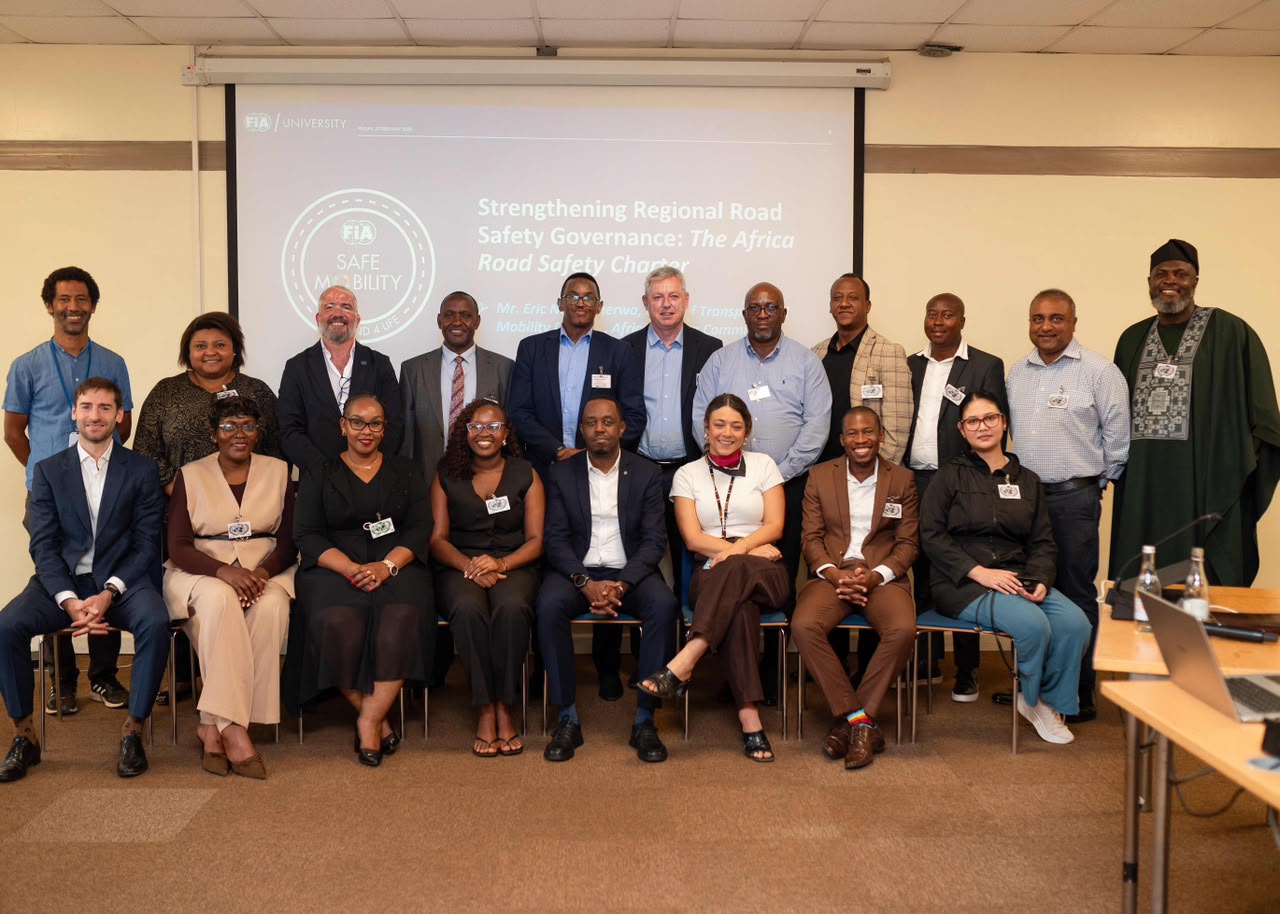
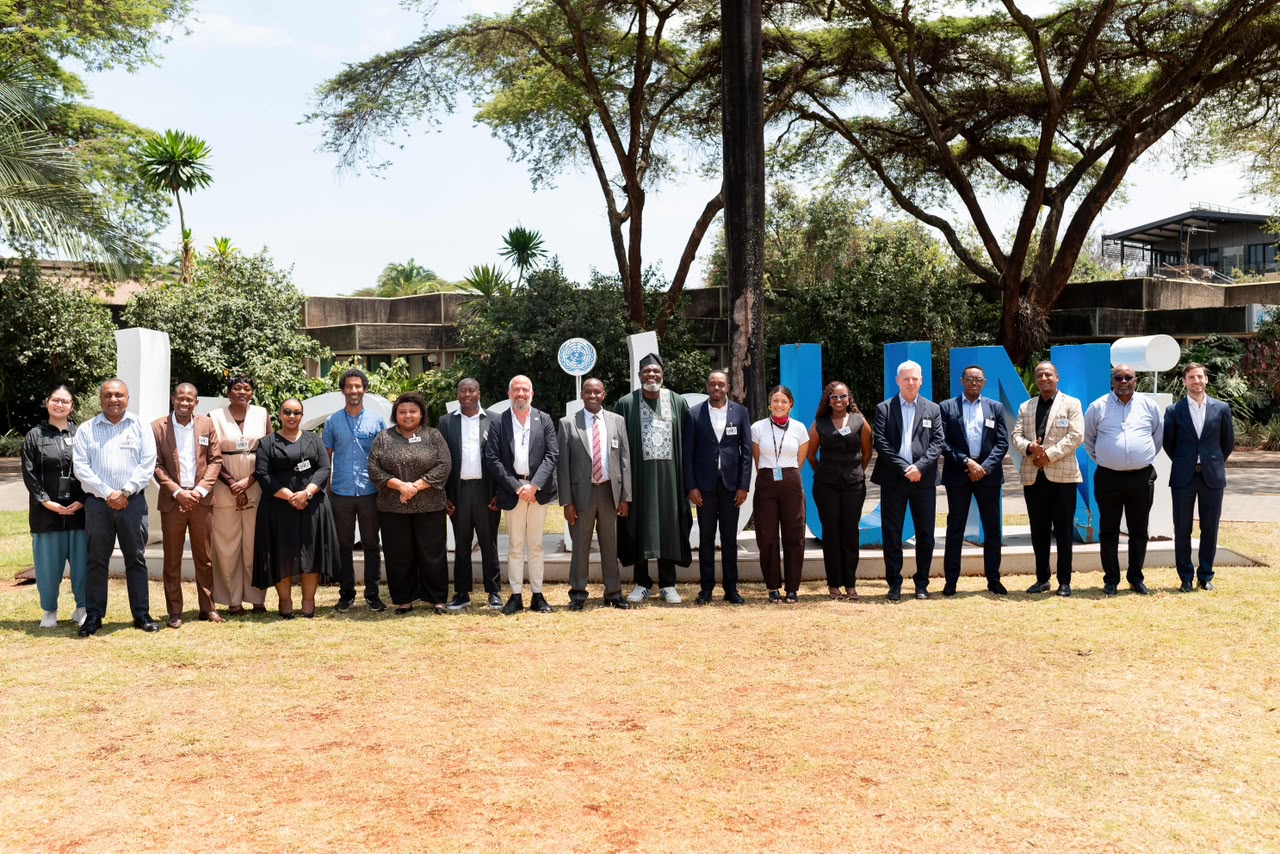
Held at the United Nations Office at Nairobi, the launch brought together participants representing automobile clubs in 10 countries: Botswana, Ethiopia, Kenya, Mozambique, Nigeria, Rwanda, South Africa, Tanzania, Uganda, and Zimbabwe.
The high-level session convened regional partners to examine key governance priorities for road safety in Africa. Contributions made through the African Union Commission and the African Road Safety Observatory underlined the imperative of consolidating binding policy frameworks through the African Road Safety Charter. Meanwhile, technical contributions from the Africa Transport Policy Program alongside the World Bank and the United Nations Environment Programme highlighted urgent needs in infrastructure investment, reliable crash data systems, and sustainable, safe mobility policies.
The meeting also facilitated technical discussions on the Safe System approach, which accounts for human vulnerability and promotes forgiving road infrastructure to prevent fatal crashes. With technical inputs from Global NCAP, participants reviewed vehicle safety benchmarks to establish the groundwork for upcoming project design workshops to identify local priority areas and explore public-private partnerships.
Over the coming months, delegates will complete their online coursework, and with the support of dedicated mentors, develop the analytical foundations for their national proposals ahead of the next fellowship milestones.
UNITAR
UNITAR