

UNITAR
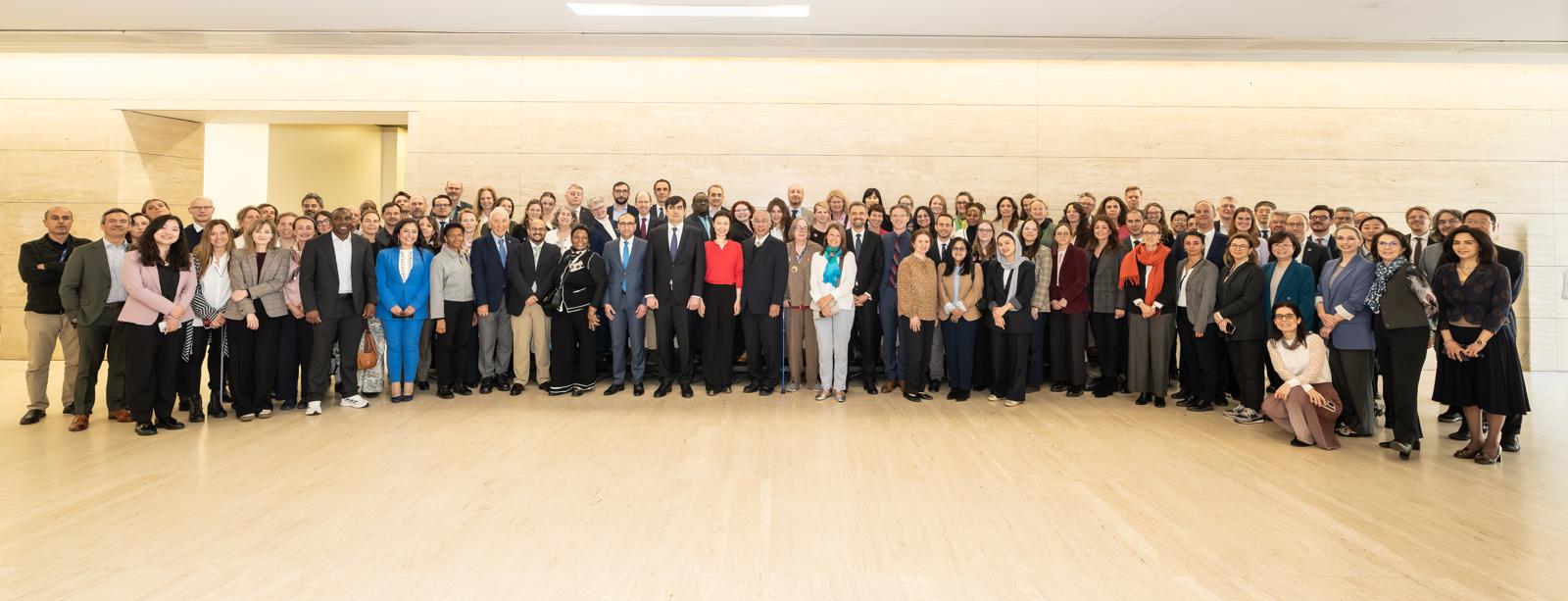
10 April 2026, Geneva, Switzerland - The 43rd UN-Water Meeting, held on 24–26 March 2026 at the headquarters of the International Fund for Agricultural Development (IFAD) in Rome, brought together the largest-ever gathering of UN-Water Members and Partners, country representatives, and senior leaders to accelerate progress on global water and sanitation goals. UNITAR played an active and visible role across two of the meeting's key agenda items, reinforcing its growing engagement in the UN system's coordinated response to the water crisis.
The two-day meeting was chaired by Mr Alvaro Lario, UN-Water Chair and IFAD President, and opened with a keynote address from the UN Secretary-General's Special Envoy on Water. Proceedings focused on the ongoing implementation of the UN System-wide Strategy for Water and Sanitation and preparations for the 2026 UN Water Conference, a landmark moment expected to galvanise political will and financial commitments around SDG 6.
Strengthening Capacity Where It Is Needed Most
UNITAR
In 2025, UNITAR joined the coordination team of the SDG 6 Capacity Development Initiative (CDI), a demand-driven programme that accompanies governments in identifying and addressing critical gaps in their water sectors. At the meeting, UNITAR contributed to discussions on the initiative's progress and the path ahead, CIFAL Global Network training centres, where the CDI expansion is envisaged, were introduced in recognition of their contributions to the CDI work.
Member states and UN agencies across the room called for a coalition of governments to provide sustained financing to scale up the CDI ahead of the 2026 UN Water Conference, underscoring that human capacity remains one of the most critical and underinvested dimensions of achieving SDG 6.
Connecting Science to Policy Through the Academic Hub
UNITAR
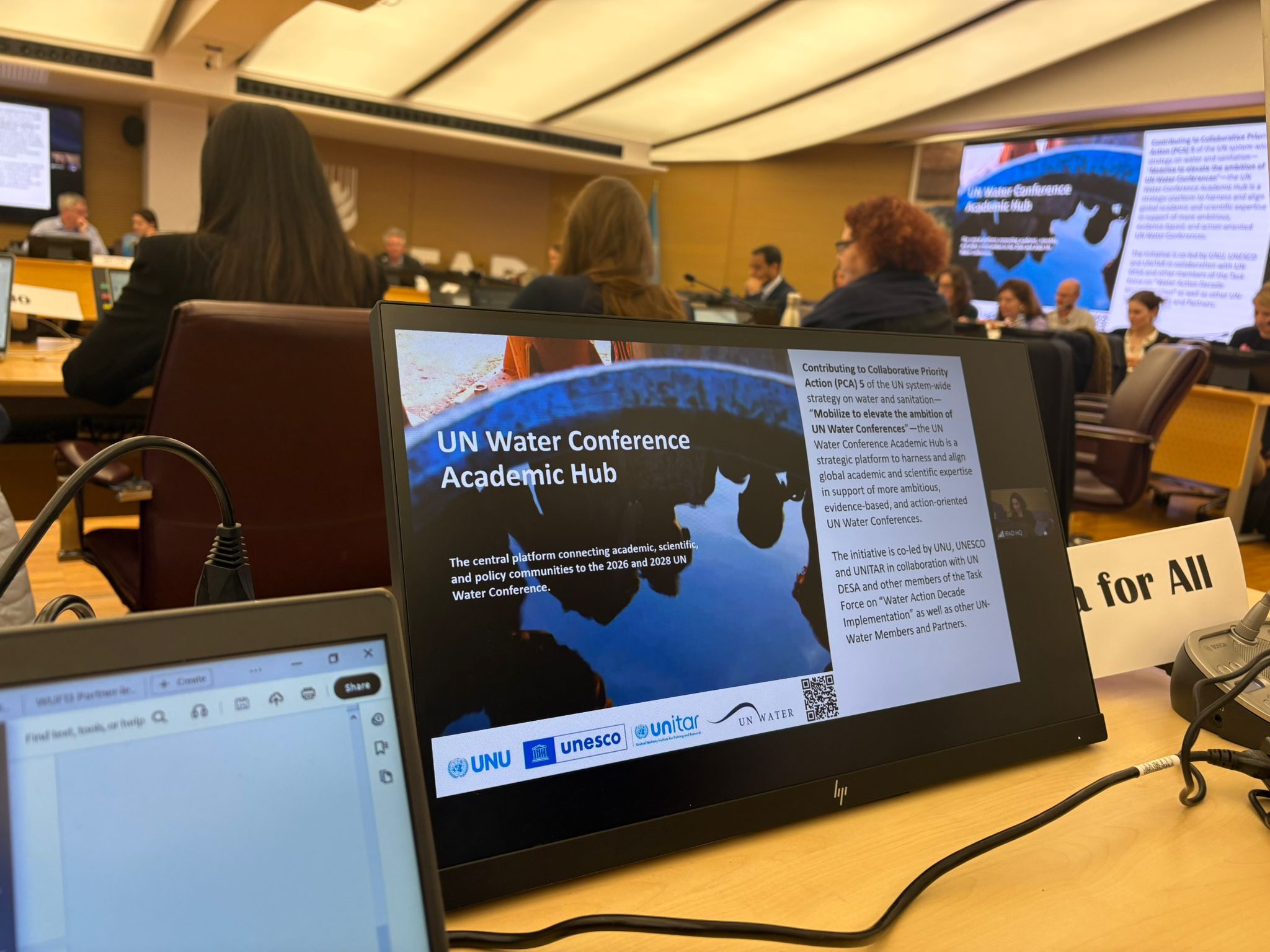
UNITAR also featured prominently in discussions on the UN Water Conference Academic Hub, a new digital platform co-led by United Nations University (UNU), United Nations Educational, Scientific and Cultural Organization (UNESCO), and UNITAR, in collaboration with United Nations Department of Economic and Social Affairs (UN DESA). Launched in Dakar in January 2026, the Hub connects the global academic and scientific community with the work of the 2026 UN Water Conference, with a particular emphasis on amplifying voices from the Global South and bridging the gap between research and policy.
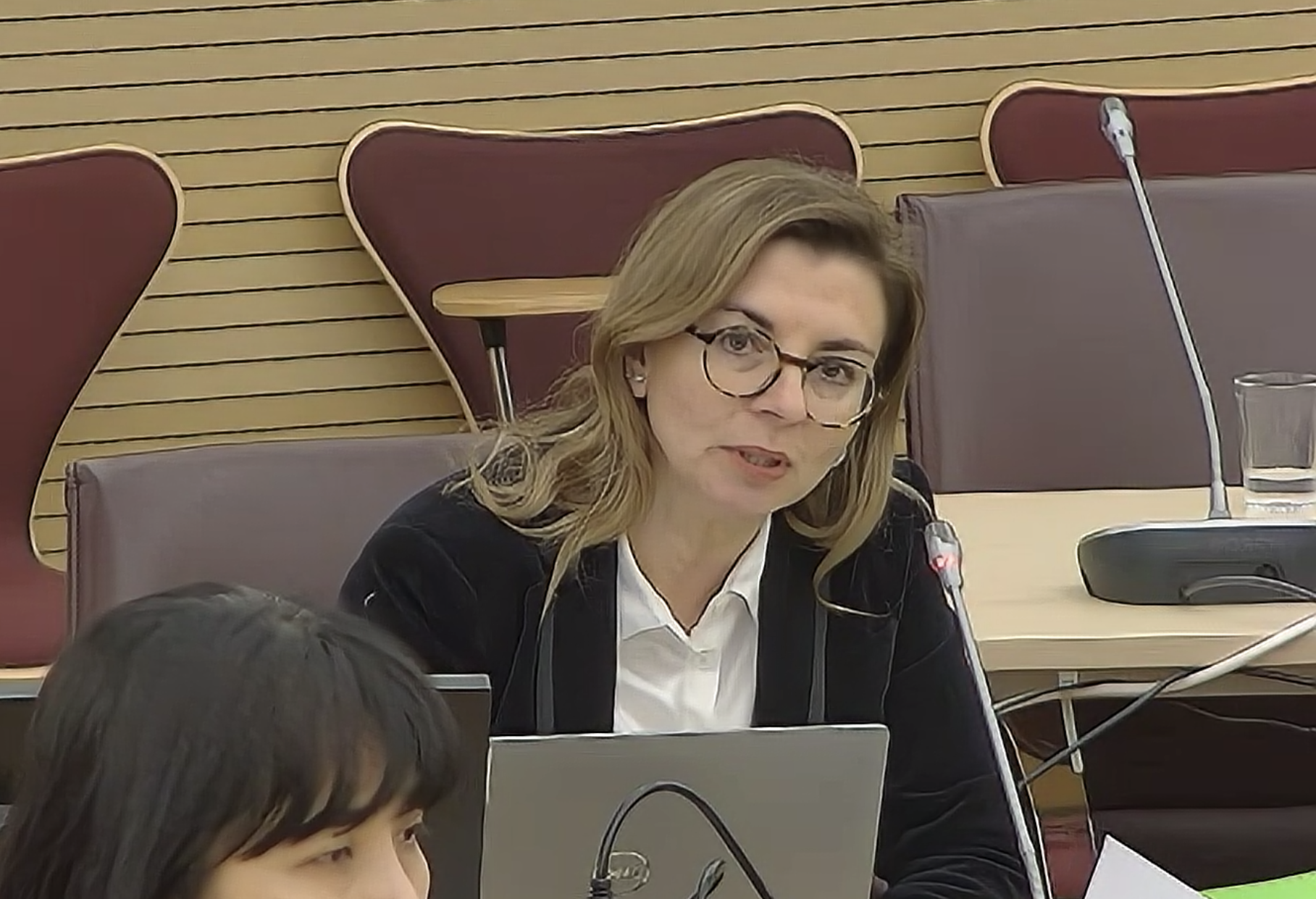
Ms Canan-Sokullu, Director of UNITAR Global Water Academy, called for a strategic approach to building ownership of the Hub within academic communities worldwide, highlighting National Higher Education Councils as key entry points for engagement. UNITAR, which collaborates with universities across its global network, has already begun briefing partner institutions on the Hub and its opportunities for engagement.
The session drew strong interest from member states and international organisations, all pledging to promote the platform through their networks.
Positioning Capacity Development within the Water Financing Ecosystem
The 43rd UN-Water Meeting also included a workshop on the Zero Draft Concept Papers for the 2026 UN Water Conference Interactive Dialogues. UNITAR contributed actively to discussions surrounding Interactive Dialogue F on Investments for Water: Financing, Technology, Innovation and Capacity-Building. In its role as co-convener of this dialogue alongside the World Bank Group and IFAD, UNITAR serves as the voice of capacity development within the financing ecosystem, working to bridge the gap between policy commitment and investment delivery and to ensure that financial flows translate into local skills, institutions, and impact.
Looking Ahead
With the 2026 UN Water Conference on the horizon, UNITAR's engagement across both the CDI, the Academic Hub, and the Interactive Dialogue F for Investments for Water reflects its commitment to ensuring that the conference delivers not just ambition, but actionable and inclusive outcomes for water and sanitation worldwide.