
- The FY2026 Primary Course for Global Human Resource Development for Peacebuilding and Development, commissioned by the Ministry of Foreign Affairs of Japan, has officially commenced, bringing together 21 participants from Japan and overseas to build knowledge and skills for careers in peacebuilding and international development.
- Participants have begun intensive training in Tokyo, exploring peacebuilding, humanitarian action, the 2030 Agenda, partnership approaches, and practical professional skills such as communication and negotiation.
- Over three weeks in Hiroshima, participants will engage in case studies, expert-led discussions, and collaborative exercises to strengthen their peacebuilding and development skills, while drawing lessons from Hiroshima’s post-war recovery and gaining practical experience and opportunities to pursue careers in international organizations.
- The Program is implemented by Hiroshima University in collaboration with the United Nations Institute for Training and Research (UNITAR)
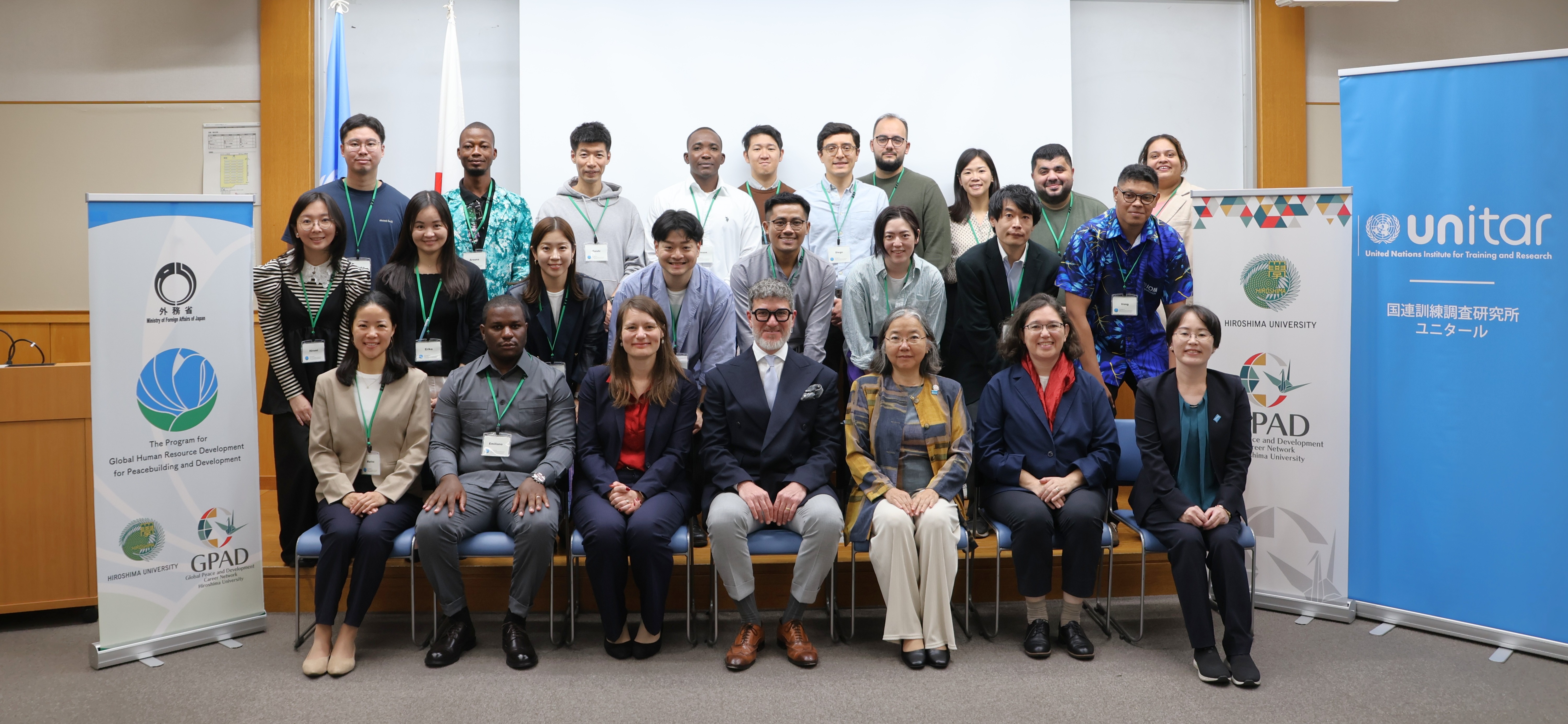
Ministry of Foreign Affairs of Japan and Hiroshima University. Photo by UNITAR
17 November 2026, Hiroshima, Japan – Twenty-one participants from Angola, Burkina Faso, Colombia, Haiti, Japan, Lao PDR, Libya, Palau, Palestine, Sri Lanka, and Ukraine have begun the in-person phase of the FY2026 Primary Course of the Program for Global Human Resource Development for Peacebuilding and Development after completing online learning in October. Over the next three weeks in Hiroshima, they will develop knowledge and practical and professional skills for work in peacebuilding, humanitarian action and international development.
The first week of the intensive training in Tokyo introduced participants to key issues shaping today’s peacebuilding, humanitarian principles, the 2030 Agenda, partnerships and nexus approaches. Participants also practiced skills for professional settings through communication and negotiation exercises and engaged with representatives from international organizations and other institutions, including a courtesy visit to the Ministry of Foreign Affairs of Japan.
The past week has been full of valuable learning opportunities - the negotiation exercise was particularly memorable and practical. I have also learned a great deal from interacting with peers from diverse backgrounds. I am very much looking forward to the remaining three weeks." — Taishi Sakimoto, Associate, FY2026 Primary Course; Economic Cooperation Practitioner
Over the coming weeks, the course will cover the United Nations system, adaptive peacebuilding, project development, digital tools and career planning. Participants will examine these subjects through case studies, collaborative exercises and exchanges with practitioners from international organizations, academia, civil society and government institutions.
Through field visits and discussions in Hiroshima, a city symbolizing reconstruction from the destruction of the atomic bombing, the participants will learn from the city’s post-war recovery and ongoing contributions to peace. They will examine how lessons from Hiroshima can inform contemporary approaches to reconstruction, community resilience, development policy and peacebuilding in conflict-affected settings.
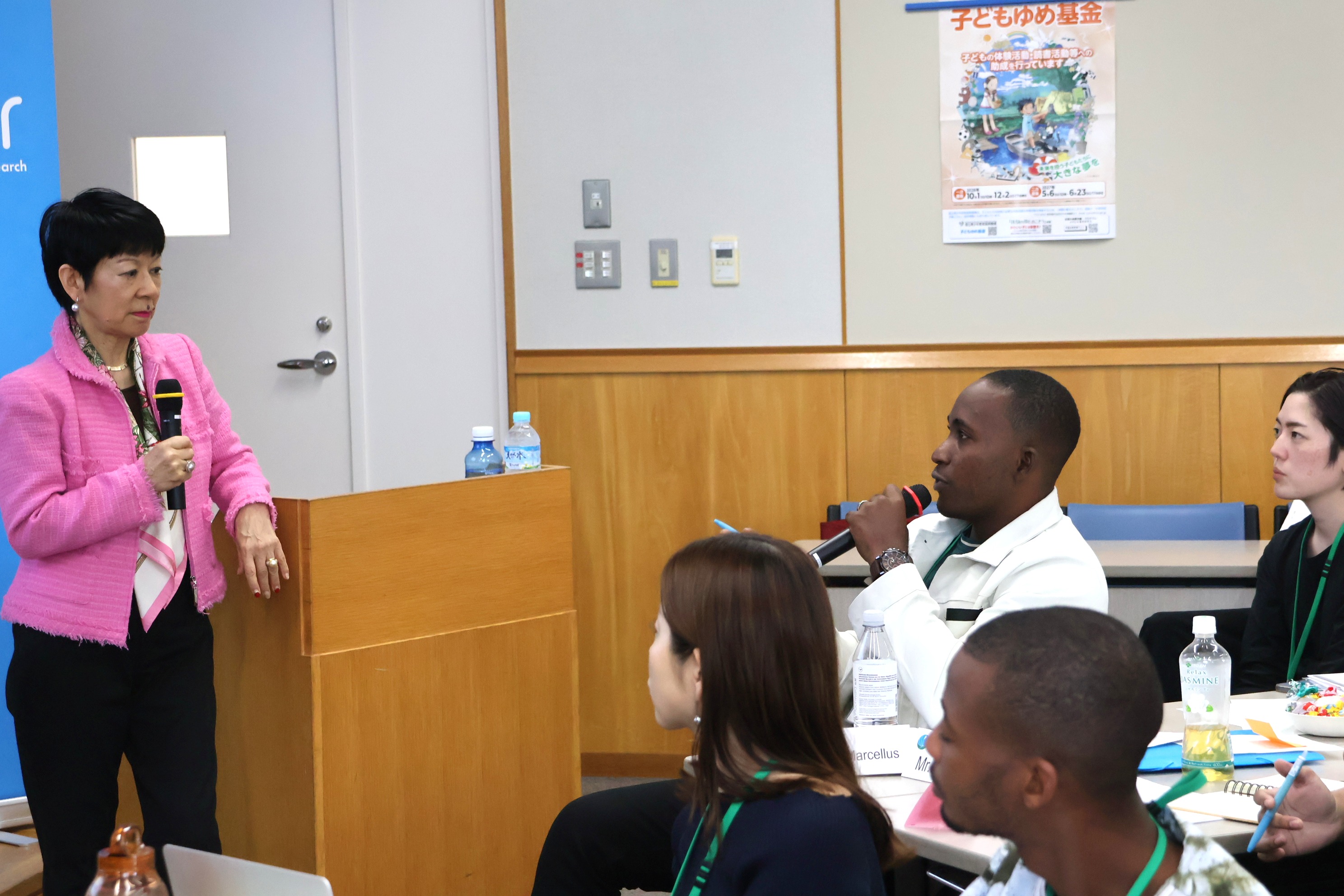
Ministry of Foreign Affairs of Japan and Hiroshima University. Photo by UNITAR
I facilitated 2 sessions on 2030 Agenda/SDGs, Pact for the Future, and UN80 Initiative. The participants were very active, raising many insightful questions and comments. In the group work, they shared their own experiences and came up with good strategies and plans to tackle multiple problems in developing countries facing a polycrisis situation. An impressive group of participants who are eager to gain substantive knowledge and learn from each other." — Akiko Yuge, Facilitator, FY2026 Primary Course; Former Assistant Secretary-General/Assistant Administrator and Director, Bureau of Management, UNDP
The FY2026 Primary Course will continue through November and conclude with participant presentations and career development activities aimed at supporting future professional pathways in peacebuilding and development. In addition, the Japanese participants will have the opportunity to work at United Nations offices as UN Volunteers for a year.
Established by the Ministry of Foreign Affairs of Japan, the program develops the capacities of early-career professionals aspiring to work in peacebuilding, international development and related fields. Since fiscal year 2024, Hiroshima University has been commissioned by the Ministry of Foreign Affairs of Japan to implement and manage the program in cooperation with UNITAR
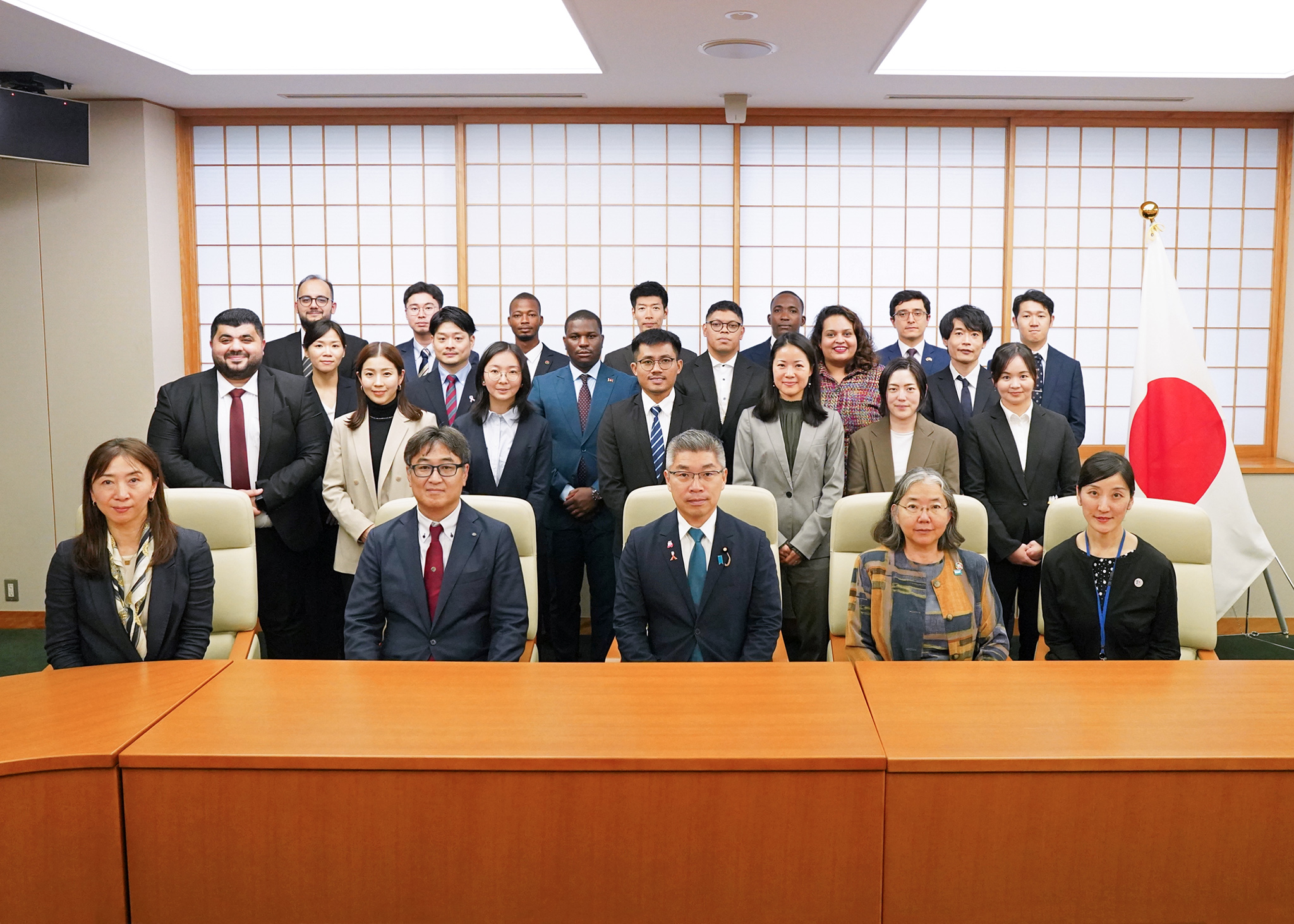
Credit and Photo by Ministry of Foreign Affairs of Japan
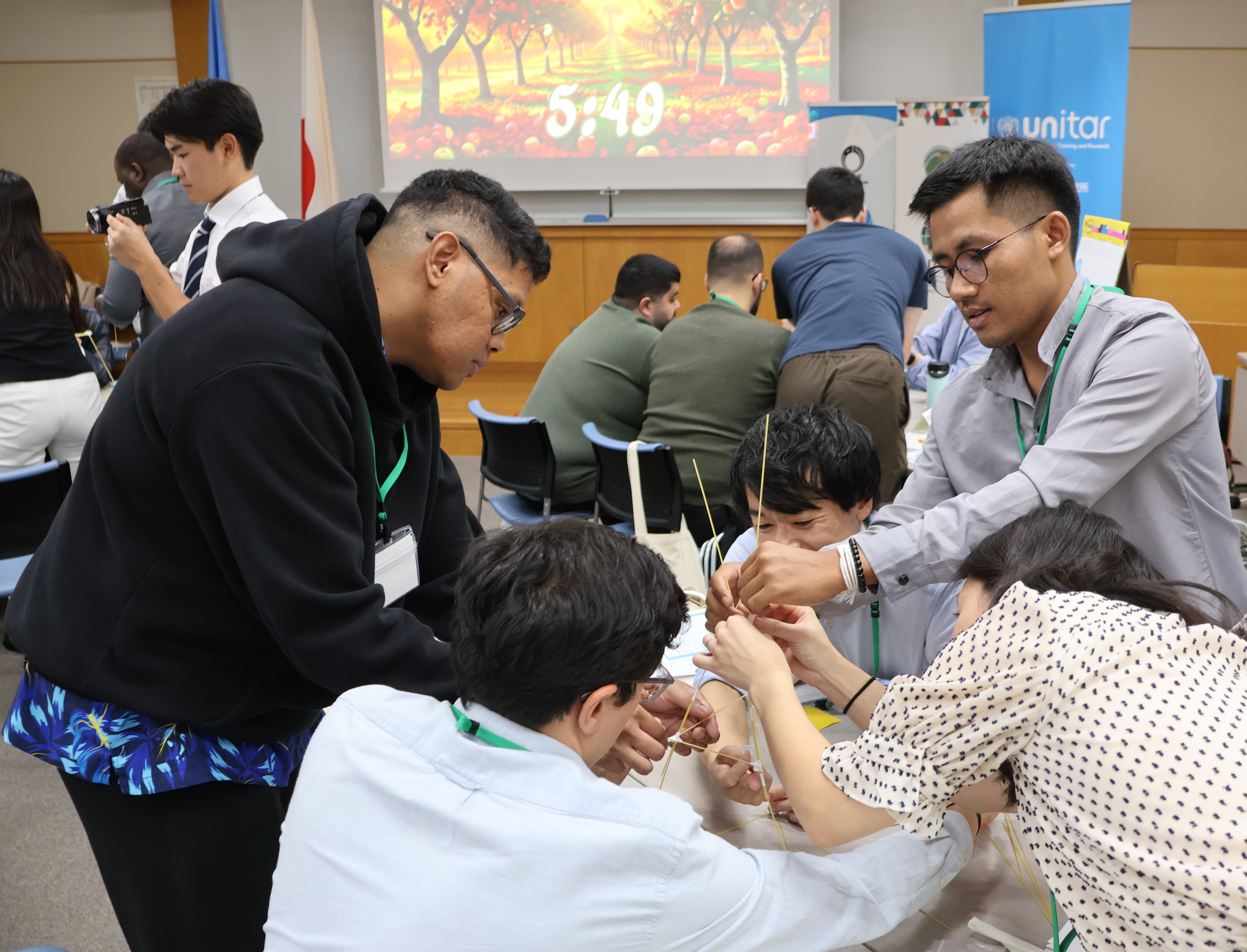
Ministry of Foreign Affairs of Japan and Hiroshima University. Photo by UNITAR
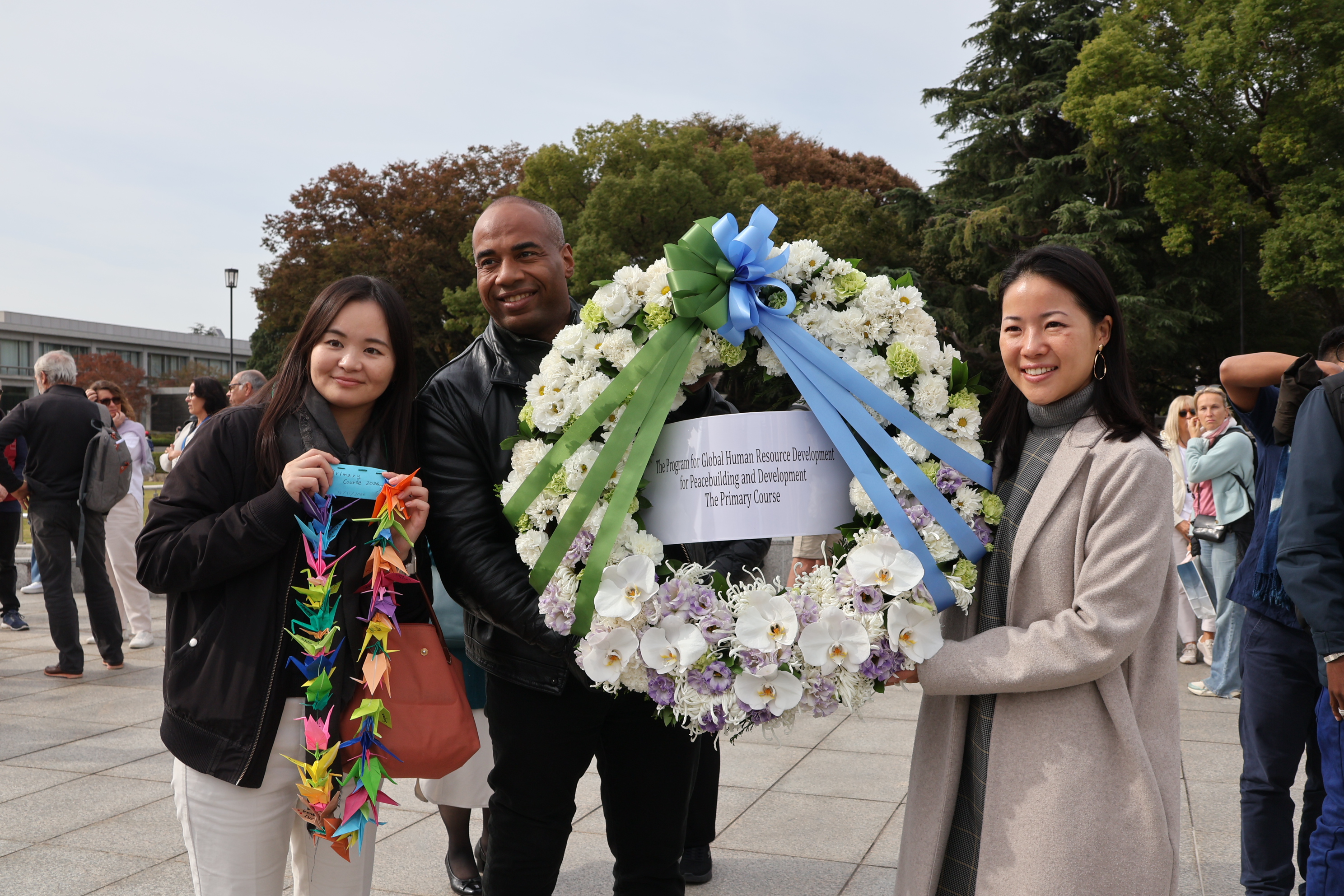
Ministry of Foreign Affairs of Japan and Hiroshima University. Photo by UNITAR