

Baku, Azerbaijan, 15 April 2026 — What began in 2023 as a landmark initiative to bridge the gender gap in technology across Türkiye has now crossed a national border. The Equal Opportunity in Technology programme arrived in Azerbaijan, reaching university students and educators for the first time and marking a significant milestone in the regional expansion of one of the most ambitious women's digital empowerment programmes to emerge from the Türkiye–UN partnership ecosystem.
From Commitment to Cross-Border Impact
CIFAL Istanbul
The programme's origins are rooted in a broader movement. Yapı Kredi, as part of the Koç Group's commitments made at the UN Women's Generation Equality Forum, joined a coalition of major Turkish companies committing to conduct 30 programmes to reach a total of 500,000 women and girls and increase the representation of women in technology and innovation. The Equal Opportunity in Technology initiative translated that commitment into a concrete, structured, and accredited learning programme.
Launched in partnership with CIFAL Istanbul, UNITAR, and Bahçeşehir University (BAU), the project aims to reach 80,000 women over three years, increasing their knowledge and awareness in the field of technology through training delivered by Yapı Kredi Academy and Bahçeşehir University. The programme's curriculum covers topics from big data to artificial intelligence, cloud technologies to cybersecurity, and the Internet of Things to Industry 5.0, a forward-looking content portfolio designed to equip participants not only for today's labor market, but for the rapidly evolving technological landscape of the coming decade.
After its successful rollout in Türkiye, the programme's expansion to Azerbaijan was a natural next step, and as Yapı Kredi Bank Azerbaijan noted, a source of institutional pride. Implementing this programme in Azerbaijan for the first time after Türkiye marks a significant step in the bank's contribution to the global development vision of Koç Holding, with special importance given to women's development and targets set under the project having been achieved ahead of schedule.
A Masterclass to Conclude the Programme, A Certificate to Open Doors
The Azerbaijan edition of the programme concluded on a high note with a masterclass titled "Technology Trends," delivered by Prof. Dr. Yücel Batu Salman, Director of the Graduate School at Bahçeşehir University and one of the programme's core instructors. The session offered participants a forward-looking synthesis of the themes they had studied throughout the programme, situating their newly acquired skills within the broader trajectory of global technological change, and underscoring what these competencies mean for their professional futures.
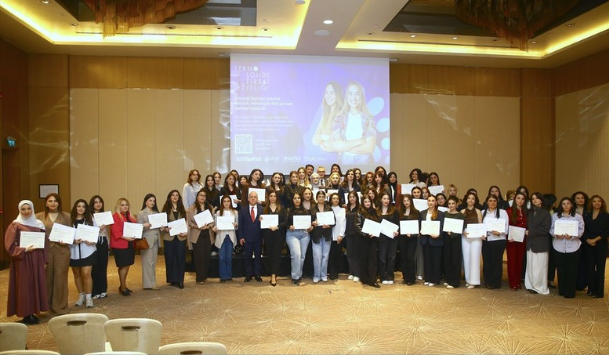
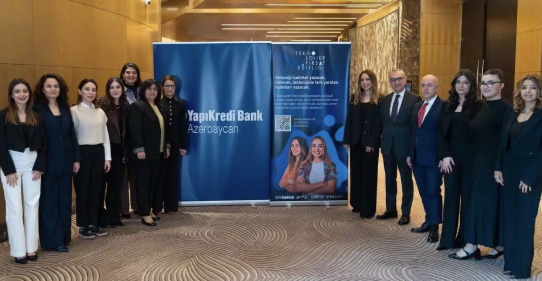
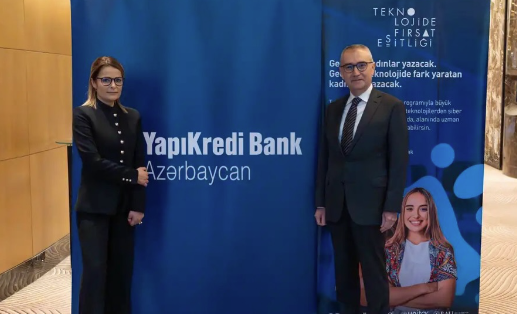
The masterclass gave way to the programme's centerpiece: a ceremony for the first cohort to complete the Equal Opportunity in Technology programme on Azerbaijani soil. The ceremony brought together Yapı Kredi Azerbaijan General Manager Mr Mete Şamil Öztürk, Deputy General Manager Mr Sinan Ağırbaş, and CIFAL Istanbul Director Dr Çisil Sohodol. It was a gathering that reflected both the institutional weight of the initiative and the genuine pride of seeing its first Azerbaijani graduates formally recognized.
CIFAL Istanbul
CIFAL Istanbul

CIFAL Istanbul
Technology as a Tool for Gender Equality
The programme's expansion into Azerbaijan is a statement about what meaningful gender equality in technology requires. Access to cutting-edge content matters, but so does structured learning, institutional backing, accreditation, and the signal that comes from a certificate signed by a UN-affiliated body. The first cohort of Azerbaijani graduates received all of these, alongside something equally important: a professional network and a community of peers.
The involvement of CIFAL Istanbul throughout both the Turkish and Azerbaijani iterations of the programme reflect the center's core mission of advancing capacity on the Sustainable Development Goals, in particular SDG 5 (Gender Equality) and SDG 4 (Quality Education). Dr Çisil Sohodol, whose work spans corporate communication, sustainability, and social impact, has consistently emphasized that genuine equality is built not through declarations, but through the patient, deliberate work of equipping individuals with the knowledge and credentials to participate fully in the economy. The Azerbaijan ceremony was an illustration of exactly that work bearing fruit.
Advancing the 2030 Agenda Through Local Action
The Equal Opportunity in Technology programme illustrates how the ambitions of the Agenda 2030 for Sustainable Development can be translated into meaningful, localized impact. By removing financial barriers and equipping students and educators with critical skills, the initiative contributes directly to advancing the Sustainable Development Goals, particularly in the areas of quality education, gender equality, and inclusive economic growth.
Supported by UNITAR and the CIFAL Global Network, this initiative reflects the Network’s mandate to deliver context-specific capacity-building that bridges global priorities with local realities. Through partnerships that bring together the private sector, academia, and the UN system, it demonstrates how collaborative action can accelerate progress towards the SDGs. As such, it stands as a strong example of how localized initiatives can meaningfully contribute to the achievement of the Agenda 2030 for Sustainable Development.