

CIFAL Merida - The Twenty-first International Hurricane Seminar Reinforces Aviation Sector's Resilience Against Extreme Weather
CIFAL Merida
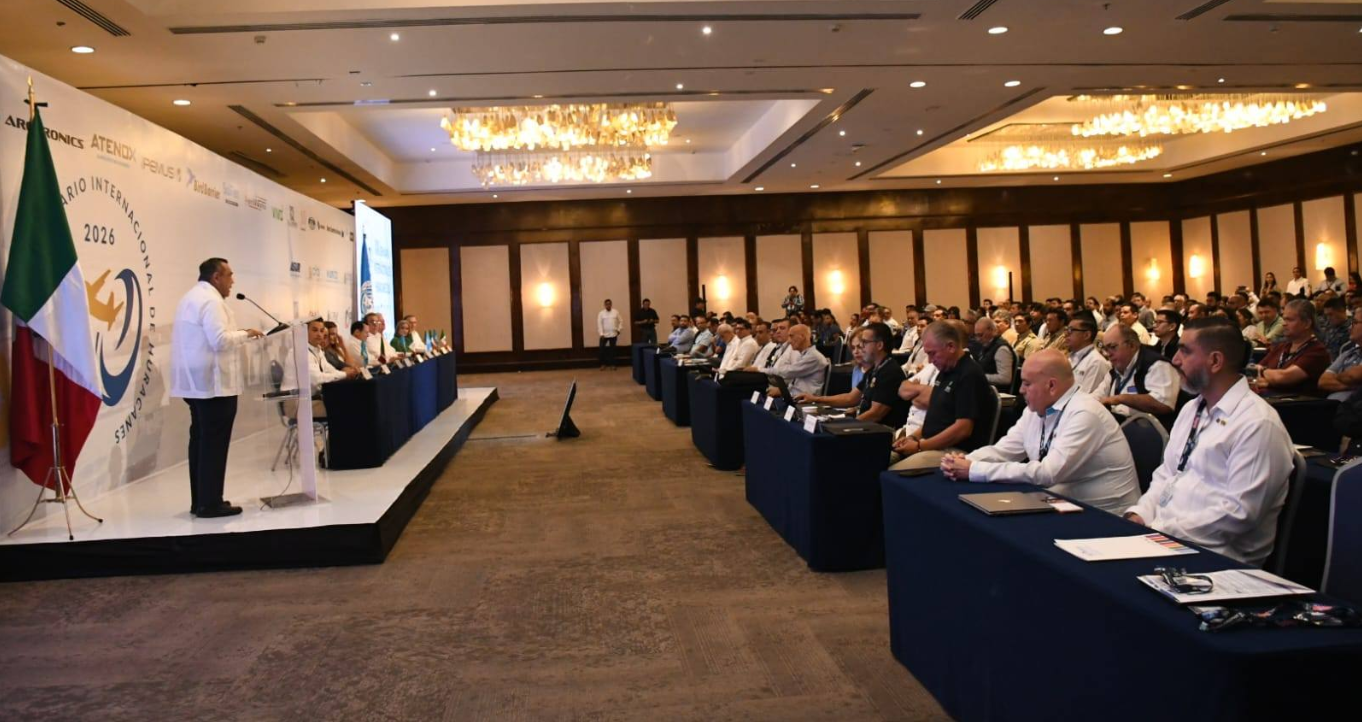
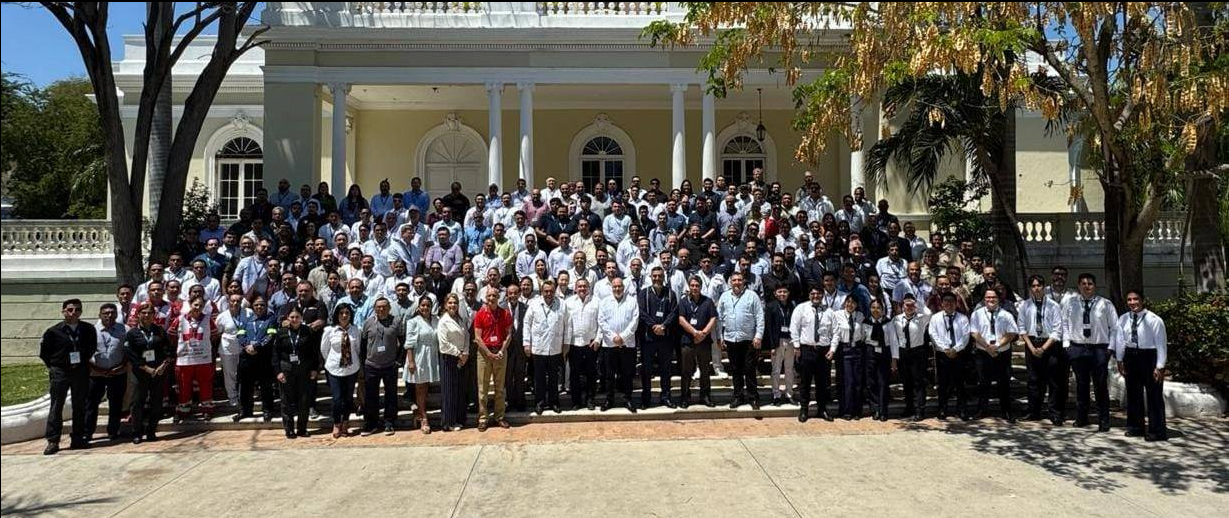
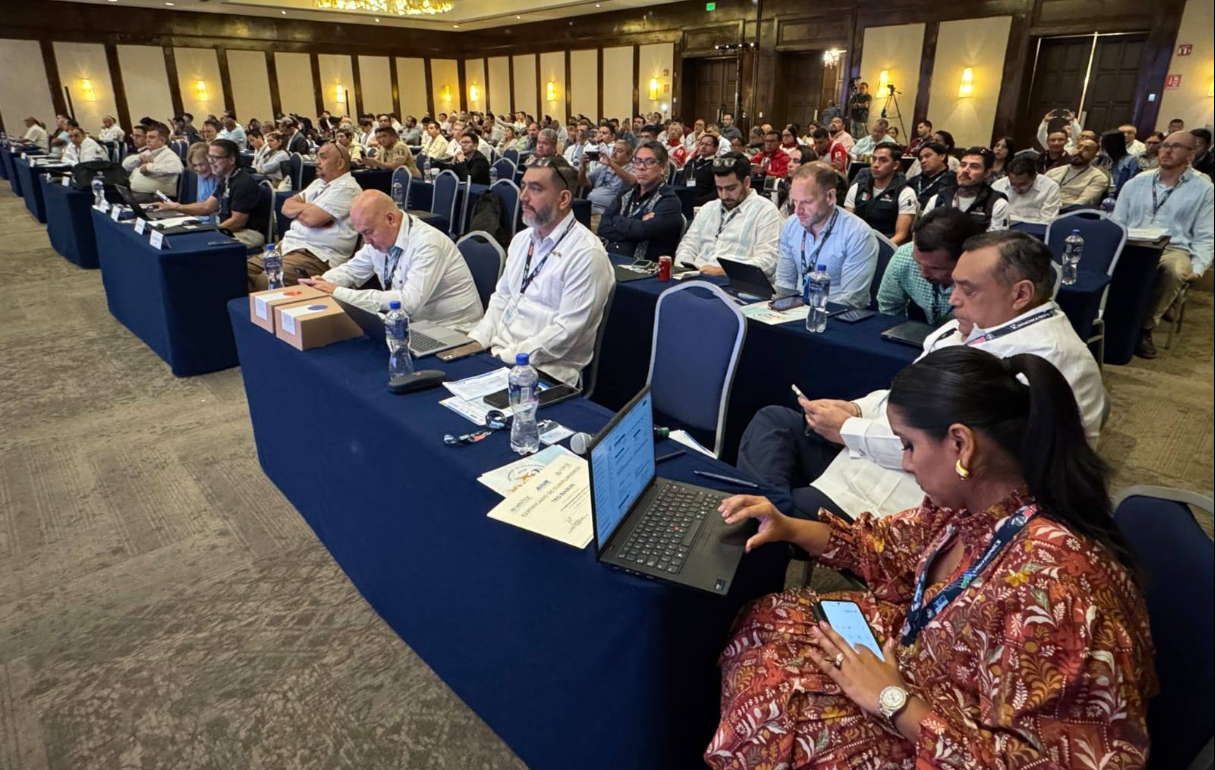
26 March 2026, Mérida, Mexico - The twenty-first International Hurricane Seminar concluded successfully, bringing together 290 in-person attendees and more than 1,600 virtual participants from across the region. Over two days of high-level discussions, technical workshops, and institutional collaboration, the event solidified its standing as a premier platform for strengthening disaster preparedness and operational resilience within the airport sector.
The seminar's opening ceremony was presided over by Yucatán State Governor Joaquín Díaz Mena, who underscored the critical importance of fostering a culture of prevention and reinforcing coordination among government authorities, the private sector, and international organizations. His remarks set a clear target: proactive collaboration, not reactive response, must define how institutions confront the growing threat of extreme meteorological events.
Mérida Municipal President Cecilia Patrón also took the stage to reaffirm her municipality's commitment to risk management and civil protection. Her participation reflected the broad institutional buy-in that has come to characterize the seminar over its two decades of history. It is an event that spans not only the aviation sector but engages the full ecosystem of emergency management stakeholders.
Day One: Lessons Learned and Strategic Frameworks
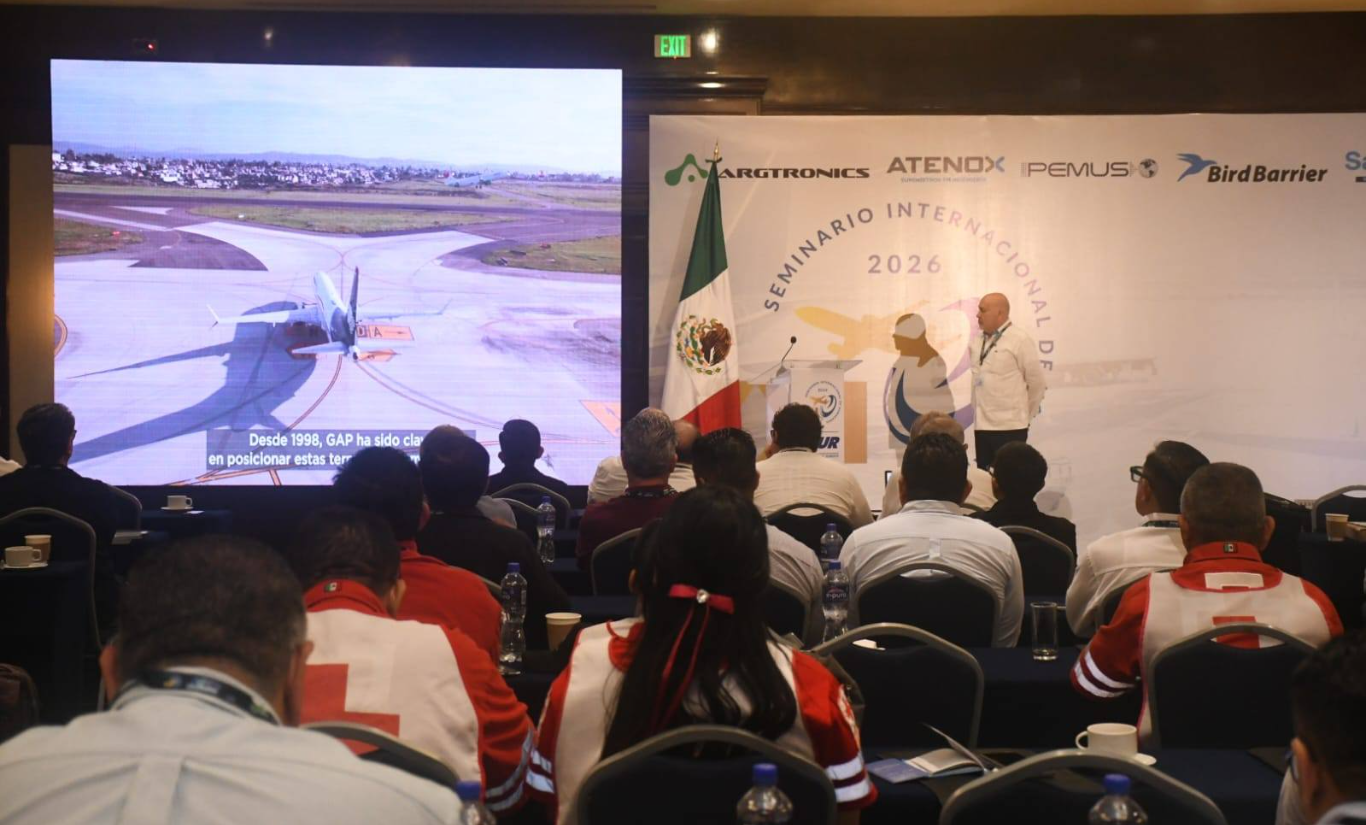
The seminar's first day featured presentations from regional and international specialists covering a wide range of topics central to airport resilience. Analysts reviewed the 2025 hurricane season, drawing on fresh data to identify trends and lessons that can inform planning for the cycles ahead. A particularly notable case study examined the aftermath of Hurricane Melissa in Jamaica, providing attendees with a firsthand account of the challenges airports face when a major storm makes landfall, and how swift, coordinated recovery can restore operations.
Other sessions explored the structural resilience of air traffic control towers, a component of airport infrastructure that is both operationally critical and particularly vulnerable during high-wind events. Specialists also examined how the United Nations Sustainable Development Goals (SDGs) can and should be embedded within emergency management plans, aligning disaster preparedness work with the broader framework of Agenda 2030 for Sustainable Development.
A highlight of the first day was the recognition ceremony hosted by CIFAL Mérida, which presented an award to Grupo Aeroportuario del Pacífico (GAP) for its outstanding work in restoring operational capacity following Hurricane Melissa. The recognition served as a tangible reminder of what effective preparation and rapid response can achieve when institutions have invested in resilience planning.
CIFAL Merida
Hurricane Seminar
CIFAL Merida
Day Two: Operational Tools and Interinstitutional Simulation
The second day shifted focus toward operational capacity building and strategic decision-making. Meteorological tools for the 2026 hurricane season were presented and analyzed, equipping participants with the technical resources needed to improve forecast interpretation and crisis anticipation. Sessions also covered infrastructure damage assessment methodologies and best practices for managing airport operations during active hurricane conditions, including how to sequence decisions under uncertainty and pressure.
One of the seminar's most dynamic sessions was a cabinet-level simulation exercise involving three key Mexican institutions: SENEAM (National Air Navigation Service Provider), AFAC (the Federal Civil Aviation Agency), and civil protection authorities. The exercise placed participants in realistic emergency scenarios, testing interinstitutional communication protocols and decision-making workflows. The exercise reinforced a core message of the seminar: that coordination, practiced and rehearsed, is what transforms a plan on paper into effective action on the ground.
Discussions also examined climate-related risks at airports across Mexico, situating local challenges within a broader conversation about the growing frequency and intensity of extreme weather events in the region. Participants explored how airports can better integrate long-term climate risk into infrastructure investment, operational planning, and workforce training.
The seminar was founded by Mr. Héctor Navarrete Muñoz, Director of Regional Airports at ASUR, who addressed participants and reflected on the event's evolution over more than two decades. He emphasized that the seminar has grown far beyond its origins as a technical gathering, developing into an international learning and cooperation network that allows aviation professionals across Latin America and the Caribbean to share hard-won experiences, benchmark their practices, and collectively raise the sector's capacity to protect lives and maintain operational continuity.
"This forum has always been about learning together," Navarrete Muñoz noted, highlighting that the seminar's value lies precisely in its continuity, returning year after year with updated knowledge, new case studies, and an ever-expanding community of practitioners committed to the same mission.
A Platform Aligned With the 2030 Agenda
Beyond its technical agenda, the 21st International Hurricane Seminar reinforced its alignment with the United Nations Agenda 2030 for Sustainable Development. By incorporating sustainability frameworks into emergency management discussions, the event positions airport disaster preparedness not merely as a sectoral concern, but as an integral component of broader societal resilience and sustainable development.
With 21 years of uninterrupted history, the International Hurricane Seminar continues to serve as the region's leading reference point for aviation sector preparedness, bridging the gap between scientific knowledge and operational practice, and ensuring that the people responsible for keeping airports running have the tools, networks, and insights they need when the next storm arrives.
UNITAR and the CIFAL Global Network remain deeply committed to empowering CIFAL Merida as a regional leader in development. Together, we are scaling local expertise into global impact, fostering resilient communities across Latin America and beyond.