

UNITAR
16 October 2026, Geneva, Switzerland - The Green Helmets initiative has launched a training programme in São Paulo's East Zone, Brazil, focusing on environmental governance, human security and community-based environmental action. Developed in partnership with the Open University for the Environment and Culture of Peace (UMAPAZ), the programme aims to strengthen local capacities to address environmental challenges and promote sustainable practices.
Green Helmets is an international initiative supported by the United Nations Institute for Training and Research (UNITAR), which seeks to empower citizens as environmental leaders and promote ecosystem restoration, sustainable development and community resilience.
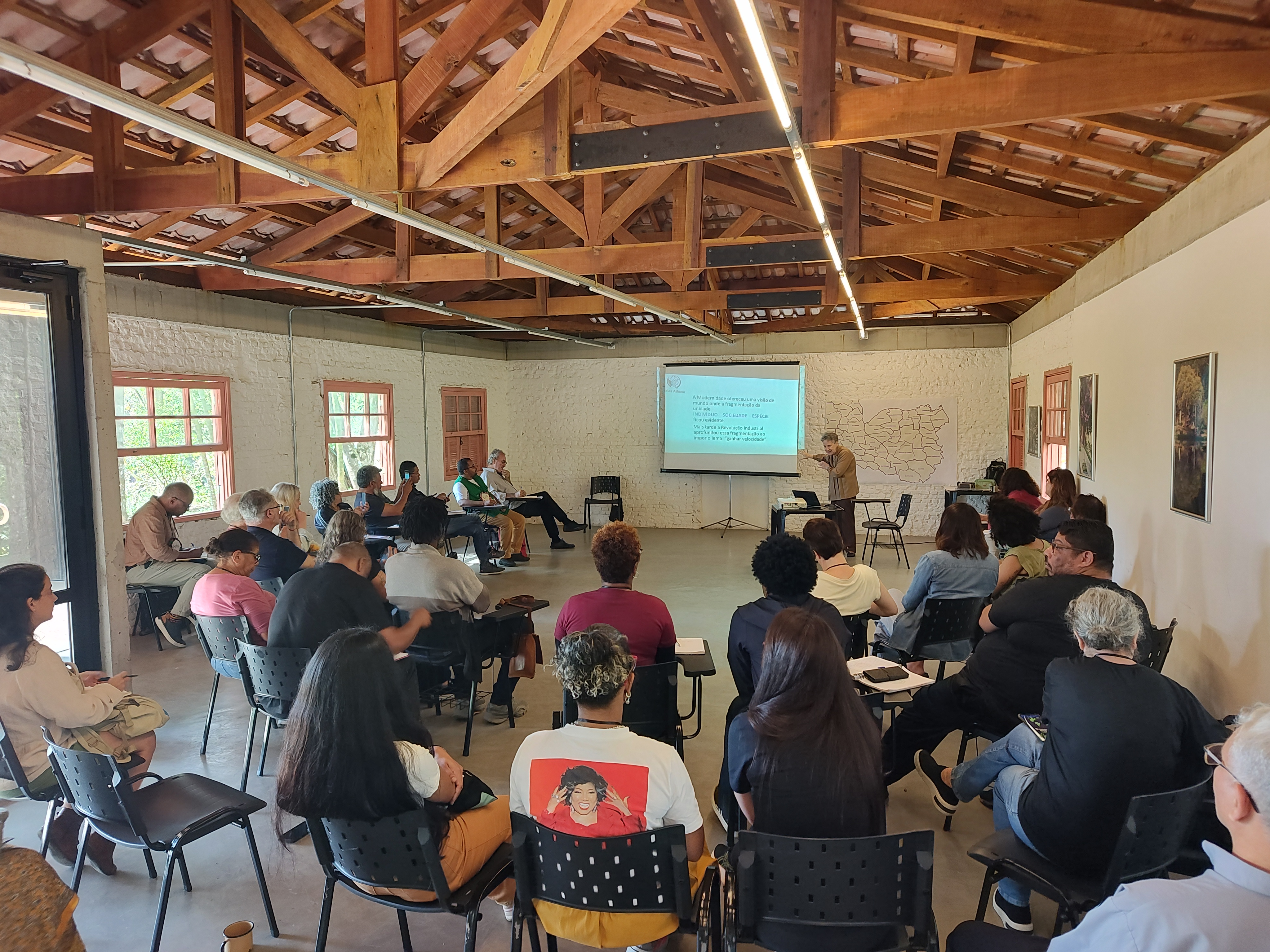
In São Paulo, the initiative is implemented in collaboration with UMAPAZ, part of the Municipal Department of Green Spaces and the Environment. The course, Green Helmets: Environmental Governance, Human Security, and Territorial Action, brings together municipal staff, educators and community leaders from the city, an area facing significant socio-environmental challenges linked to urban expansion and inequality.
Strengthening Local Environmental Leadership
UNITAR
The programme equips participants with tools to identify environmental vulnerabilities, strengthen cooperation between communities and public institutions, and develop practical environmental initiatives. It also introduces the 2030 Agenda and the Municipal Environmental Education Plan as frameworks for local action.
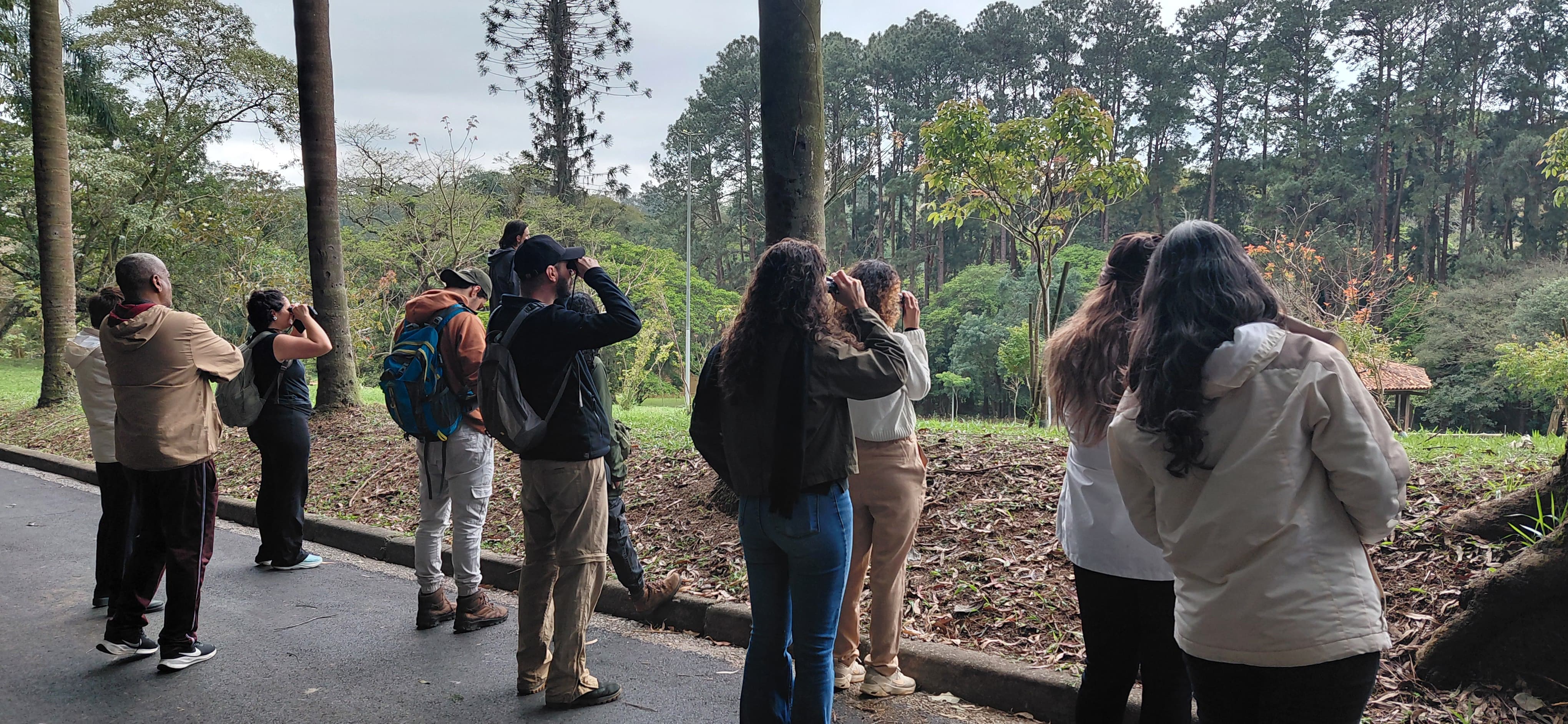
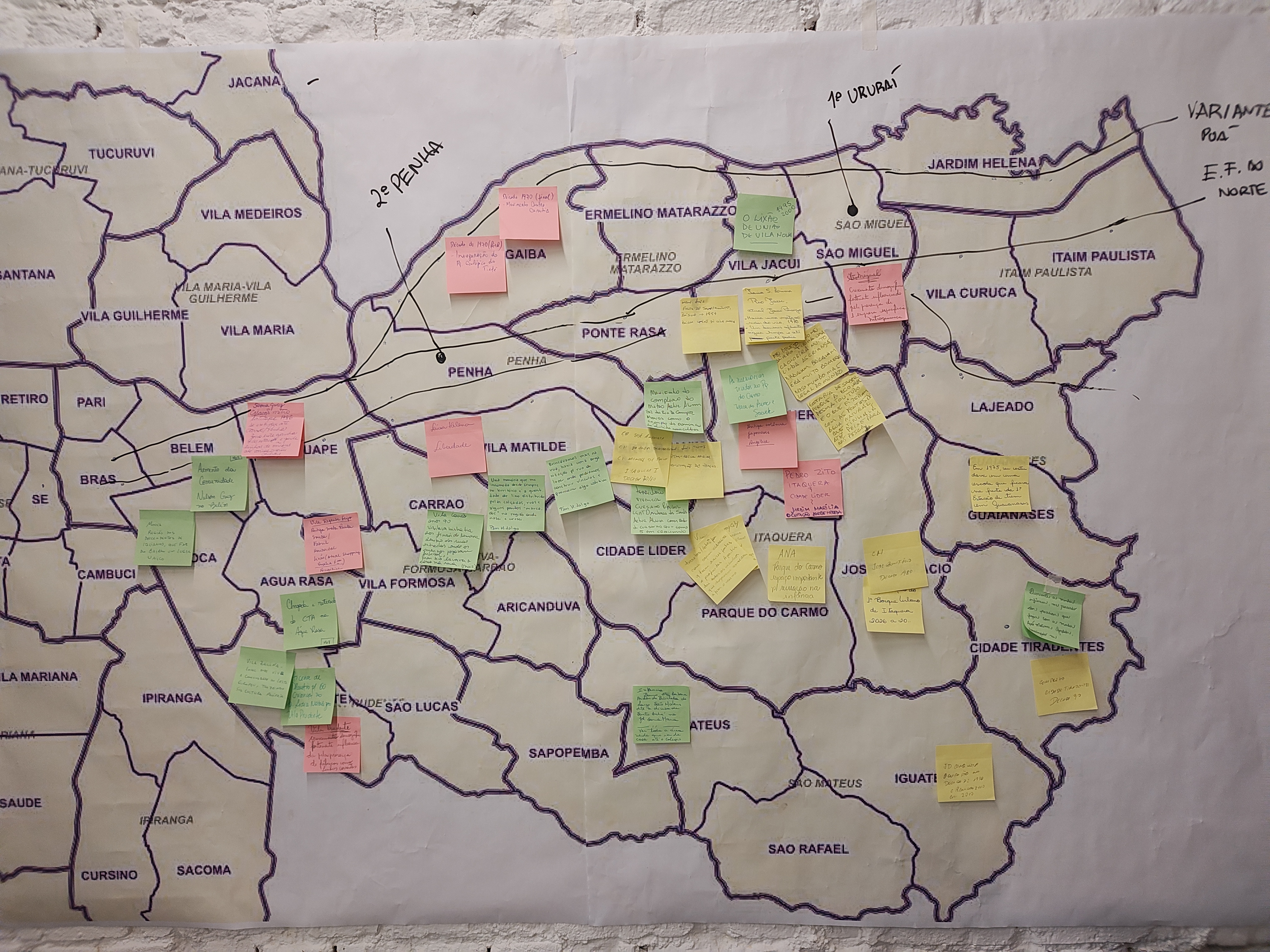
Since the programme began on 4 September, sessions have explored three questions: what protecting life means in an unequal city, how climate change deepens existing inequalities and how urban biodiversity can strengthen community ties. Speakers came from the University of São Paulo, the Palas Athena Association, the Sustainable Cities Institute and the São Paulo Municipal Department of Green Spaces and the Environment. They were joined by community leaders and the teams managing the Tiquatira and Vila Silva linear parks. Participants mapped inequalities in their own neighbourhoods and tested the ideas against situations they face in their work.
From Training to Local Action
UNITAR
The programme follows a participatory methodology combining conceptual learning, territorial mapping, dialogue and action planning. Participants examine local environmental challenges, identify relevant stakeholders and explore opportunities for cooperation and community-led interventions. Throughout the sessions, participants have contributed their professional and community experiences, connecting theoretical discussions with existing local initiatives.
Upon completion, participants meeting the attendance and territorial intervention requirements will receive international certification jointly issued by UNITAR and UMAPAZ. They will also join the Green Helmets International Network of Green Leaders, supporting continued collaboration and knowledge exchange.
The upcoming sessions will further explore territorial governance, stakeholder cooperation and the development of practical environmental actions, contributing to the initiative's broader objective of strengthening environmental leadership and community resilience.