

CIFAL London
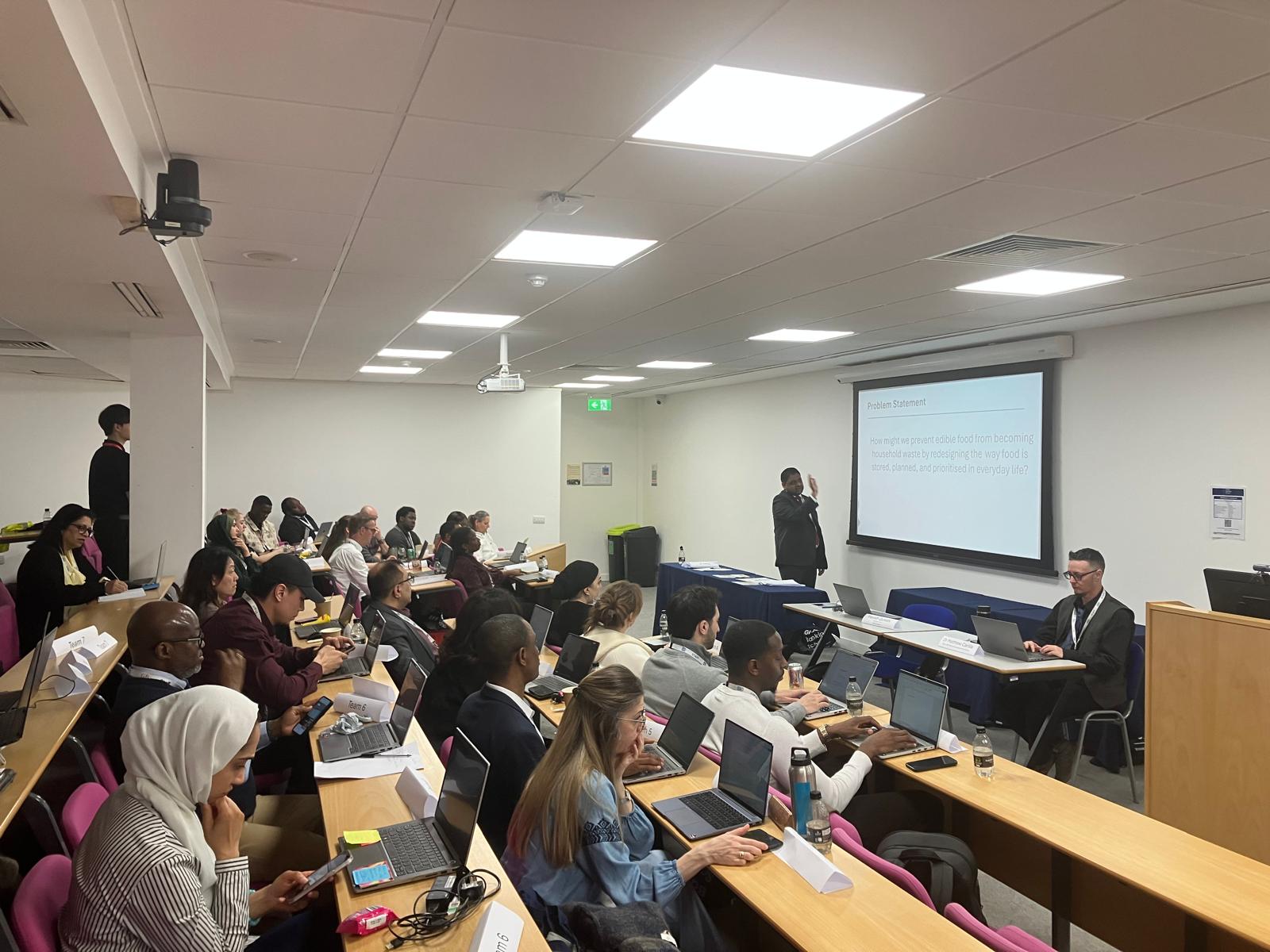
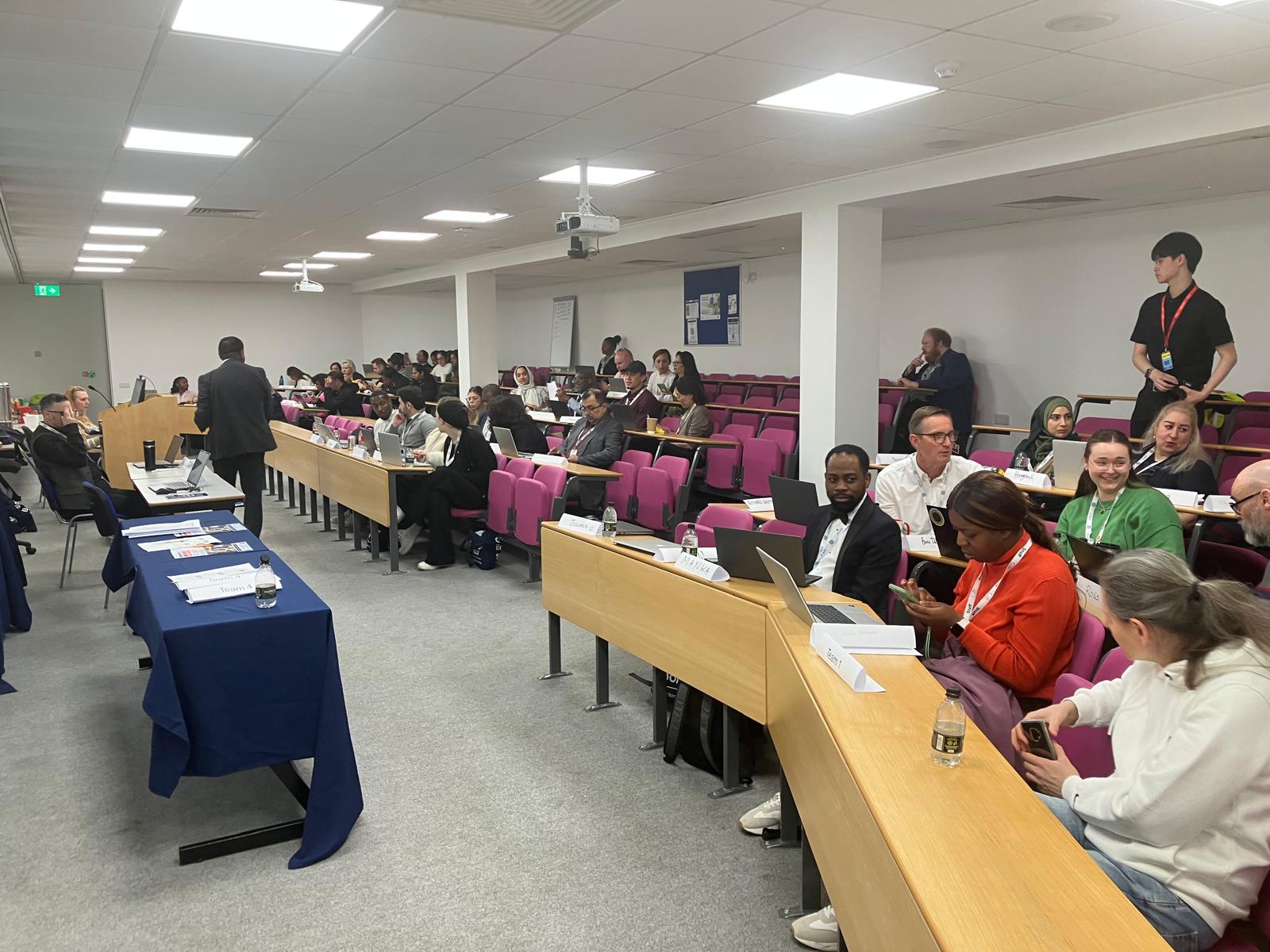
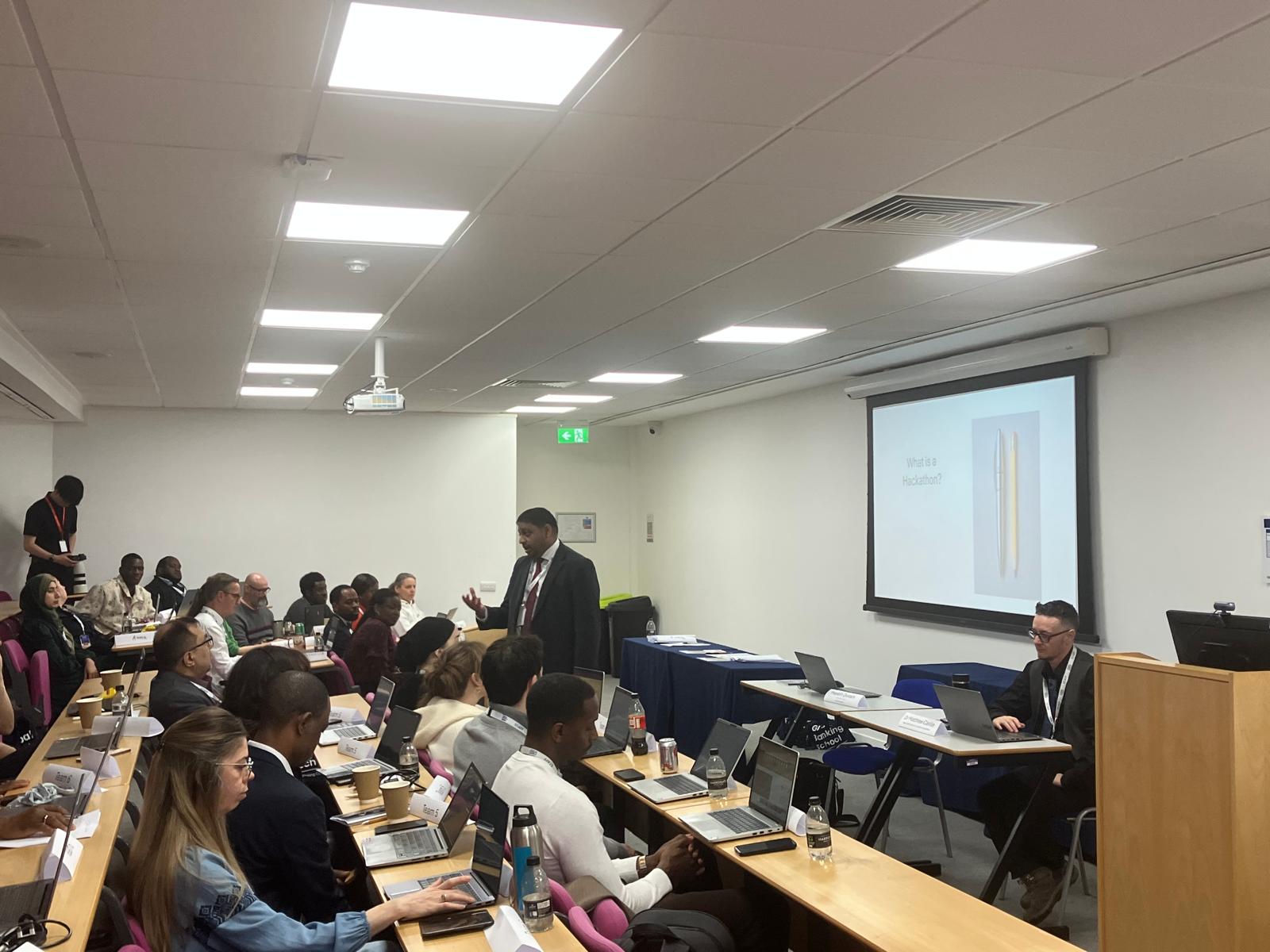
15 April 2026, London, United Kingdom - Against a backdrop of mounting urgency around food security, sustainability, and behavioral change, CIFAL London has launched a purpose-built Hackathon to channel the creative and analytical energy of participants toward one of the most pressing, and most preventable challenges of our time: household food waste. Designed as a high-impact applied learning intervention, the event tasks interdisciplinary teams with moving from systemic understanding to concrete action, producing scalable, real-world solutions aligned with the United Nations Sustainable Development Goal 2: Zero Hunger.
CIFAL London provides a range of learning opportunities, exchanges best practices, and supports improved decision-making and leadership to promote sustainability across Europe. The Hackathon is among the center's most ambitious applied learning initiatives to date, and the problem it confronts is one that sits at the heart of both the UK's sustainability commitments and the United Nations' global agenda. The environmental stakes are equally stark. The food that ends up in UK bins each year is food that could feed communities facing hunger, and the behavioral, systemic, and infrastructural factors that cause it to be wasted instead are precisely what participants are asked to interrogate and address.
From Understanding to Action: The Hackathon's Learning Architecture
What distinguishes CIFAL London's Hackathon from a conventional competition or training workshop is its rigorous learning architecture. The event is structured to develop participants' capacity to think systemically, collaborate across disciplines, and translate global sustainability frameworks into locally implementable interventions.
The first challenge placed before teams is analytical: to critically examine the systemic and behavioral drivers of household food waste in the UK. This means going beyond the headline statistics and engaging with the everyday decisions that produce them, purchasing habits shaped by promotional offers and pack sizes, storage practices that accelerate spoilage, consumption routines that leave leftovers unconsumed.
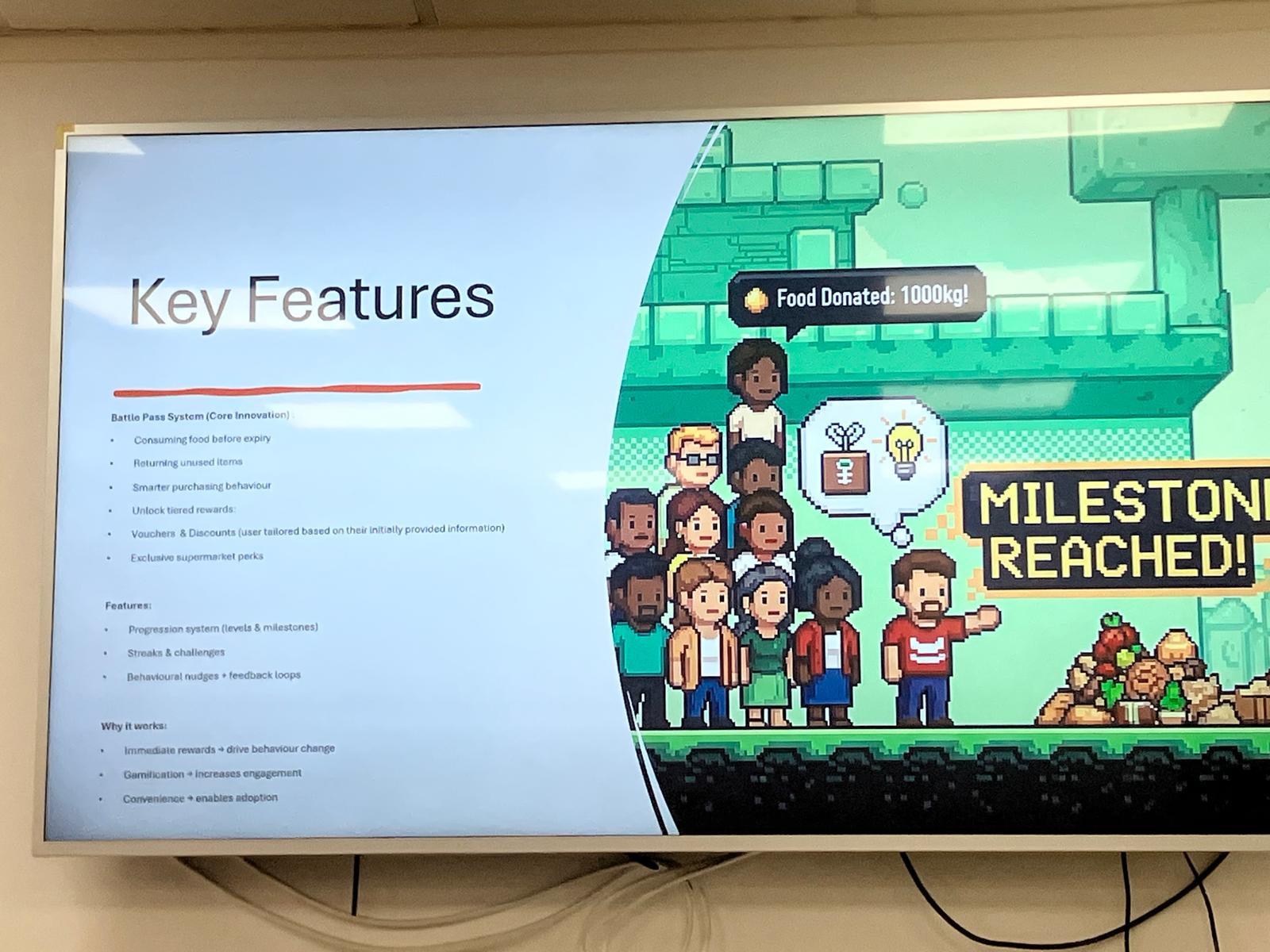
The second dimension of the Hackathon moves participants into the domain of systems thinking and solution design. Teams are asked not simply to identify problems but to engineer responses that are feasible, scalable, and inclusive, interventions that can work at the household or community level while contributing to broader food system transformation. This requires balancing creativity with practicality, innovation with implementation realism, and individual impact with collective reach.
Interdisciplinary Collaboration as a Core Methodology
The Hackathon's design reflects a conviction, central to CIFAL London's educational philosophy, that food waste as a systemic challenge cannot be solved by any single discipline working alone. Solutions emerging purely from a technology or engineering perspective may overlook the behavioral dimensions that determine adoption. Those designed solely around behavioral economics may underestimate the infrastructural and logistical constraints that shape what households can realistically do. Those focused on community organizing may lack the technical tools to scale.
By bringing together participants from diverse academic and professional backgrounds in mixed teams, the Hackathon actively generates the kind of cross-pollination that produces genuinely innovative solutions. Participants are evaluated not only on the quality of their proposed solutions but on their demonstrated capacity to integrate different perspectives, navigate disagreement productively, and co-design in ways that produce something greater than any individual contribution.
For households, better meal planning, smarter shopping, proper food storage, and better use of leftovers are consistently identified as the levers most likely to reduce waste, but unlocking behavioral change at scale requires understanding why these practices are not already universal, and what interventions can shift norms rather than merely provide information. This is exactly the kind of question that interdisciplinary teams, working at the intersection of behavioral science, design thinking, public health, and technology, are well-positioned to explore.
CIFAL London
Hackathon
CIFAL London
Connecting Local Action to Global Commitments
A defining feature of the Hackathon is its explicit grounding in the 2030 Agenda for Sustainable Development, a grounding that reflects CIFAL London's position within the broader CIFAL Global Network and its institutional commitment to translating global frameworks into local action. Participants are asked to design solutions that contribute meaningfully to SDG 2 and its related goals, including SDG 12 (Responsible Consumption and Production), SDG 13 (Climate Action), and SDG 11 (Sustainable Cities and Communities). The UK has committed to halving food waste by 2030, in line with the Sustainable Development Goal 12.3, and this commitment frames the Hackathon as a contribution to a measurable target with real consequences for food security, resource efficiency, and climate outcomes.
The requirement that solutions consider social development, health, and nutrition outcomes adds a further dimension of complexity and ambition. The best solutions to emerge from the event will not simply reduce the tonnage of food thrown away; they will do so in ways that strengthen community resilience, support vulnerable populations, improve nutritional outcomes, and contribute to disaster risk reduction, demonstrating what the SDGs ask of all actors: to think in integrated, indivisible terms across economic, social, and environmental dimensions.
The Hackathon concludes with a presentation phase that tests a skill as consequential as the ability to design solutions: the ability to communicate them. Teams are asked to articulate their proposed interventions with clarity and conviction, providing robust justification for the expected impact, the behavioral change mechanisms their solution activates, and the realistic potential for adoption at scale. CIFAL London's approach ensures that participants who emerge from the Hackathon will carry not only a solution they have co-created, but a practiced ability to explain why it matters, how it works, and why decision-makers, communities, or organizations should adopt it.
A Model for Applied Sustainability Education in the UK
CIFAL London's contribution is to develop practitioners capable of doing better: designing solutions that meet people where they are, address the structural conditions that make waste easy and prevention hard, and ultimately help the UK, and the world make meaningful progress toward a future in which no food, and no person, goes to waste.
UNITAR and the CIFAL Global Network reaffirm their commitment to building the knowledge and collaborative capacity needed to accelerate progress toward SDG 2, demonstrating that the path to Zero Hunger runs through education, innovation, and collective action.