

11 June 2026, Banjul, The Gambia - UNITAR and the University of The Gambia have renewed their cooperation agreement, reaffirming their shared commitment to capacity building, sustainable development, and human capital formation across The Gambia and the wider West-African region. The renewal signals a deliberate broadening of the centre's programmatic ambitions for the years ahead.
A Centre With Deep Roots
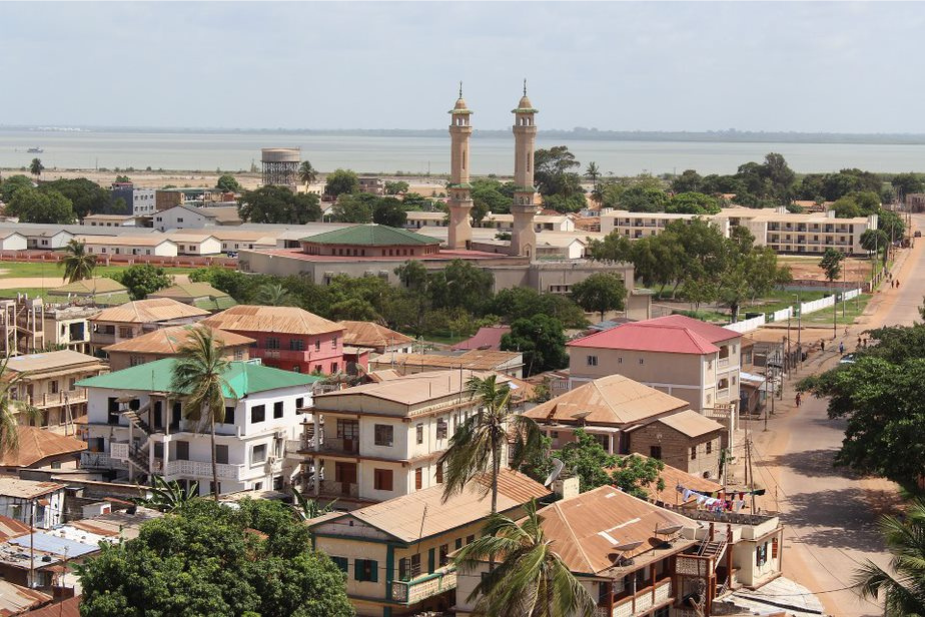
CIFAL Banjul
Established in 2023 and hosted by the University of The Gambia (UTG), CIFAL Banjul provides a range of learning opportunities to enhance capabilities, refine decision-making processes, and foster knowledge exchange between public servants and leaders of African Region countries, with the goal of improving governance and encouraging sustainable development. In the short time since its founding, the centre has established itself as a credible and active platform for the kind of technical, policy-oriented, and interdisciplinary training that The Gambia's development trajectory demands.
Leading the centre is Dr. Christopher Belford, an Associate Professor in Economics at the University of The Gambia with expertise in Economic Development, Climate Change Economics, International Trade, and Economic Policy Analysis in developing countries. His profile reflects the centre's distinctive strength: the capacity to situate local development challenges within the framework of international economics and global sustainability policy. It is an ability that gives CIFAL Banjul's programming both technical credibility and practical relevance.
The renewal of the cooperation agreement with UNITAR is an institutional statement of intent; a commitment by both parties to build on what the centre's first years have demonstrated and to deepen the programming, partnerships, and impact that the agreement makes possible.
A Thematic Agenda Built for The Gambia and the Region
Central to the renewed agreement is an updated and expanded capacity-building agenda that reflects both the country's specific development priorities and the broader challenges facing the African continent. The renewed framework commits CIFAL Banjul to deliver programmes across interconnected thematic areas: the UN Sustainable Development Goals, Climate Change Financing, Circular Economy and Waste Management, Public Health and Data Management, Nutrition, Smart Agriculture, Agriculture Value Chain Development, and Youth Empowerment.
Each area addresses a dimension of development that is both globally relevant and locally urgent. Smart agriculture and agriculture value chain development address the food security and economic diversification priorities at the heart of the country's national development plan. Youth empowerment is a cross-cutting theme that runs through all the others. It acknowledges that the country's demographic profile is its greatest long-term asset, provided young people are equipped with the skills, knowledge, and networks to contribute to and benefit from development.
Programmes Built for Scale and Diversity
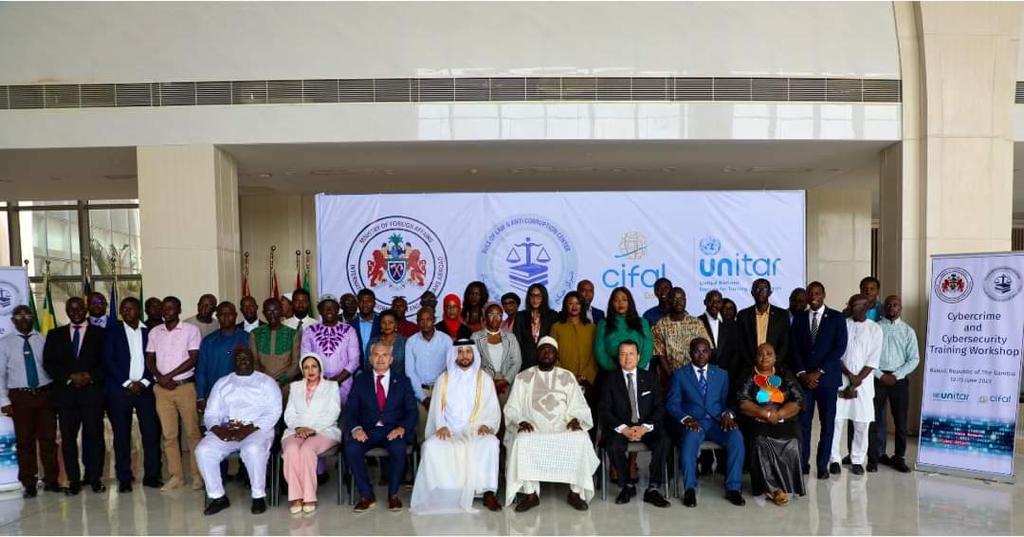
CIFAL Banjul
The renewed agreement sets an ambitious operational standard: a minimum of twelve activities per year, delivered across a diversified range of formats designed to maximize reach, accessibility, and learning effectiveness. The programming architecture encompasses face-to-face training through short and medium-term workshops, seminars, and conferences; e-learning courses delivered in both synchronous real-time and asynchronous self-paced formats; blended programmes combining in-person and digital components; and national, regional, and international events focused on the role of government and private sector leaders in achieving the SDGs at multiple levels.
Beyond formal training delivery, the agreement also commits CIFAL Banjul to knowledge-sharing events, capacity development needs assessments, and technical support to UNITAR, other UN agencies, and fellow CIFAL centres across the network. Field visits by targeted beneficiaries round out a programming model that is as much about applied learning and practical engagement as it is about classroom instruction. The schedule of topics and training activities will be determined jointly between CIFAL Banjul and UNITAR, ensuring that the programmes remain responsive to emerging priorities without losing their strategic coherence.
Results That Compound Over Time
The agreement sets out a clear results framework operating at two distinct time horizons. In the short term, CIFAL Banjul aims to promote a better understanding of local and global development issues among its target audiences, providing not only awareness but the technical know-how and administrative expertise in its established thematic areas that equip participants to act. Equally important is the centre's commitment to facilitating engagements between key stakeholders in different areas, strengthening the working relationships that allow knowledge to flow across sectors and institutions.
The long-term vision is more transformative in scope. The renewed agreement orients CIFAL Banjul toward the inclusion of development strategies that genuinely integrate economic, social, cultural, and environmental dimensions, moving beyond siloed sectoral approaches toward the kind of holistic thinking that the Agenda 2030 for Sustainable Development demands. It also commits to the empowerment of authorities locally, regionally, and internationally to promote cross-sectoral cooperation and partnership, building the relational infrastructure that sustainable development requires. And it positions CIFAL Banjul as a centre of excellence in the region, offering specialized training programmes, access to technical resources, and expertise in key development areas to partners and beneficiaries across the African continent.
A Regional Platform in a Growing Network
In 2025, the CIFAL Global Network advanced significantly in its efforts to strengthen governance, refine strategic direction, and consolidate its global training footprint, with UNITAR undertaking extensive coordination, monitoring, and performance-analysis processes to ensure that the Network's operations remain aligned with the evolving priorities of the United Nations, the new UNITAR Strategic Framework 2026–2029, and the needs of the 30 CIFAL Centres operating worldwide. The renewal of CIFAL Banjul's agreement is a direct expression of that strategic consolidation, and of the CIFAL Global Network's commitment to ensuring that every centre, including those in countries at the earliest stages of their development journeys, has the institutional foundation, programmatic clarity, and UNITAR partnership to deliver impact at scale.
With the renewed agreement in place, CIFAL Banjul enters its next chapter with a strengthened mandate and an expanded thematic agenda, reaffirming that The Gambia's contribution to the global pursuit of the Sustainable Development Goals is essential.