

Over the past years, the Tanzania Peacekeeping Training Centre (TPTC) has undergone a significant transformation: from a relatively low-profile national training institution to an increasingly recognized centre of reference for peacekeeping training in Africa. UNITAR’s support in 2025 contributed to accelerating this trajectory by reinforcing the centre’s institutional capacity, training methodologies, and ability to adapt to evolving operational demands.
While UNITAR-supported activities reached 1,494 personnel across pre-deployment and specialized training modules, these interventions formed part of a much broader training programming delivered by TPTC. The added value of UNITAR’s engagement was not in scale alone, but in strengthening how training is designed, delivered, and continuously improved.
This is not about training more people. It is about training them better and supporting institutions to sustain that quality.
Shifting the Focus: From Content Delivery to Performance
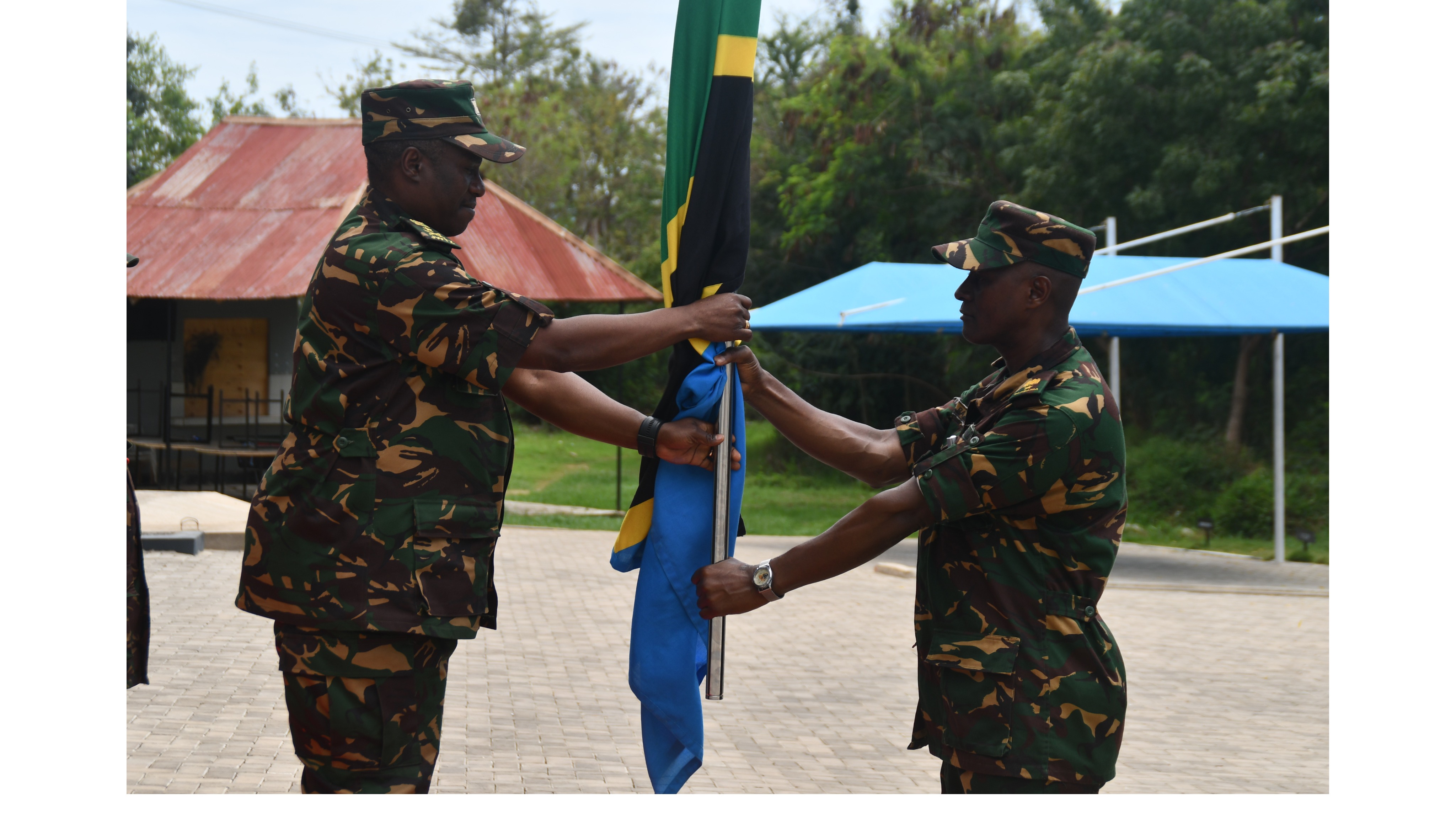
The Tanzania Peacekeeping Training Centre
A key change observed at TPTC in 2025 is the transition from content-based training to performance-oriented preparation. Through curriculum revision and instructor support, training programmes were increasingly structured around operational tasks, decision-making, and real-world scenarios.
Scenario-based exercises now simulate the complexity of peace operations, requiring participants to apply judgment, coordinate across units, and respond to evolving situations. This approach is particularly critical at the battalion level, where effectiveness depends on collective performance rather than individual knowledge.
As one instructor involved in pre-deployment training explained:
Before, we focused on delivering modules. Now we focus on whether a unit can actually perform in the field—under pressure, with the right decisions and the right behaviour.
Training is no longer measured by what is taught, but by how units perform when it matters.
Strengthening Discipline, Conduct, and Field Readiness
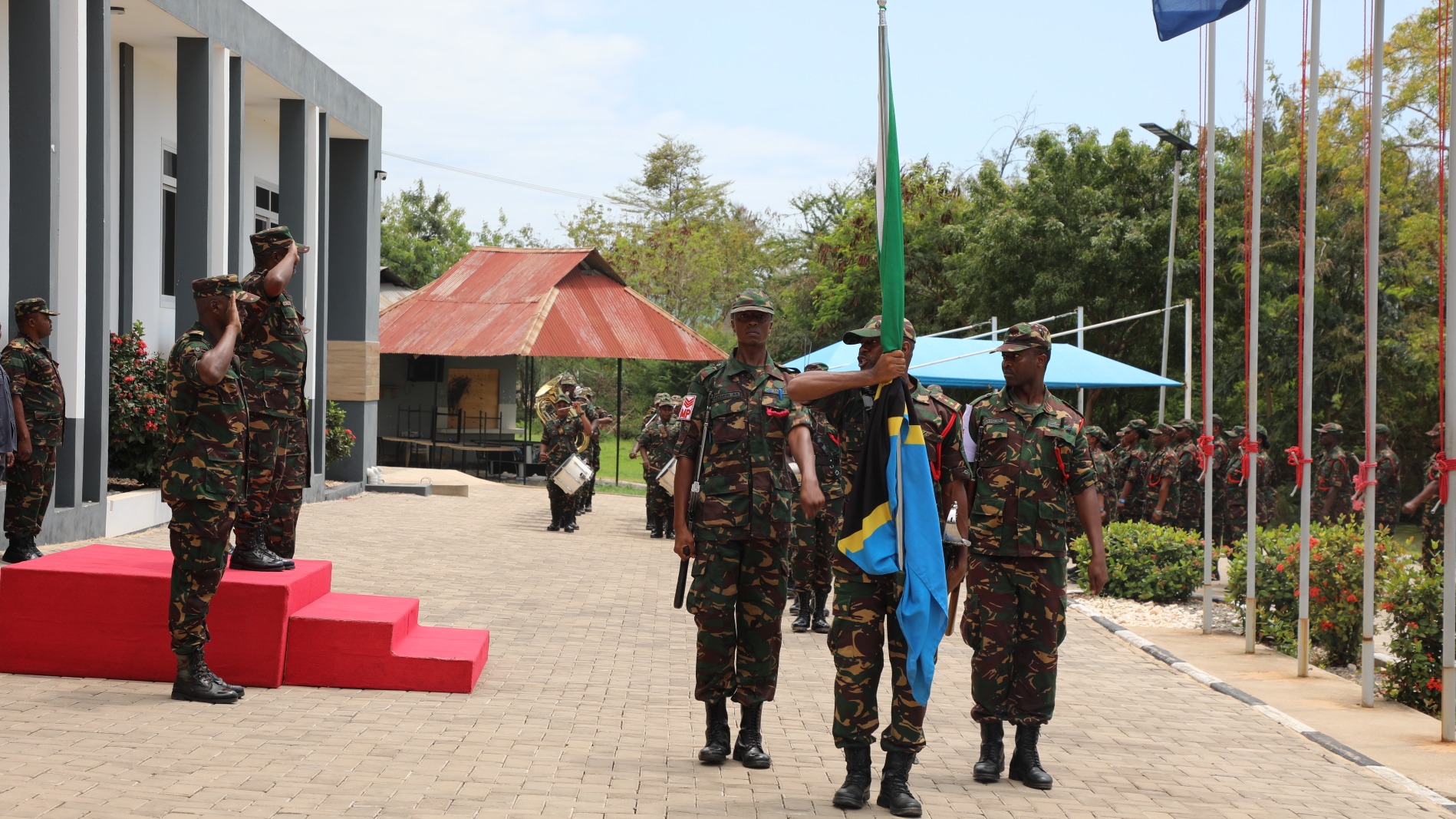
The Tanzania Peacekeeping Training Centre
The impact of these changes is increasingly visible in the field. Better structured and more realistic training is contributing to contingents that are not only operationally prepared, but also more disciplined and aligned with UN standards of conduct.
This is particularly important in the context of Tanzania’s strong institutional commitment to zero tolerance for sexual exploitation and abuse (SEA), which is systematically integrated into training programmes, including dedicated reinforcement modules on conduct and discipline.
Participants highlighted that training now places greater emphasis on behaviour, accountability, and decision-making in sensitive situations. A company-level officer noted:
The difference is clear when units deploy. There is more discipline, more awareness of responsibilities, and stronger adherence to conduct standards.
Operational readiness is not only about tactics—it is about discipline, judgment, and accountability in complex environments.
Embedding Lessons Learned and Digital Innovation
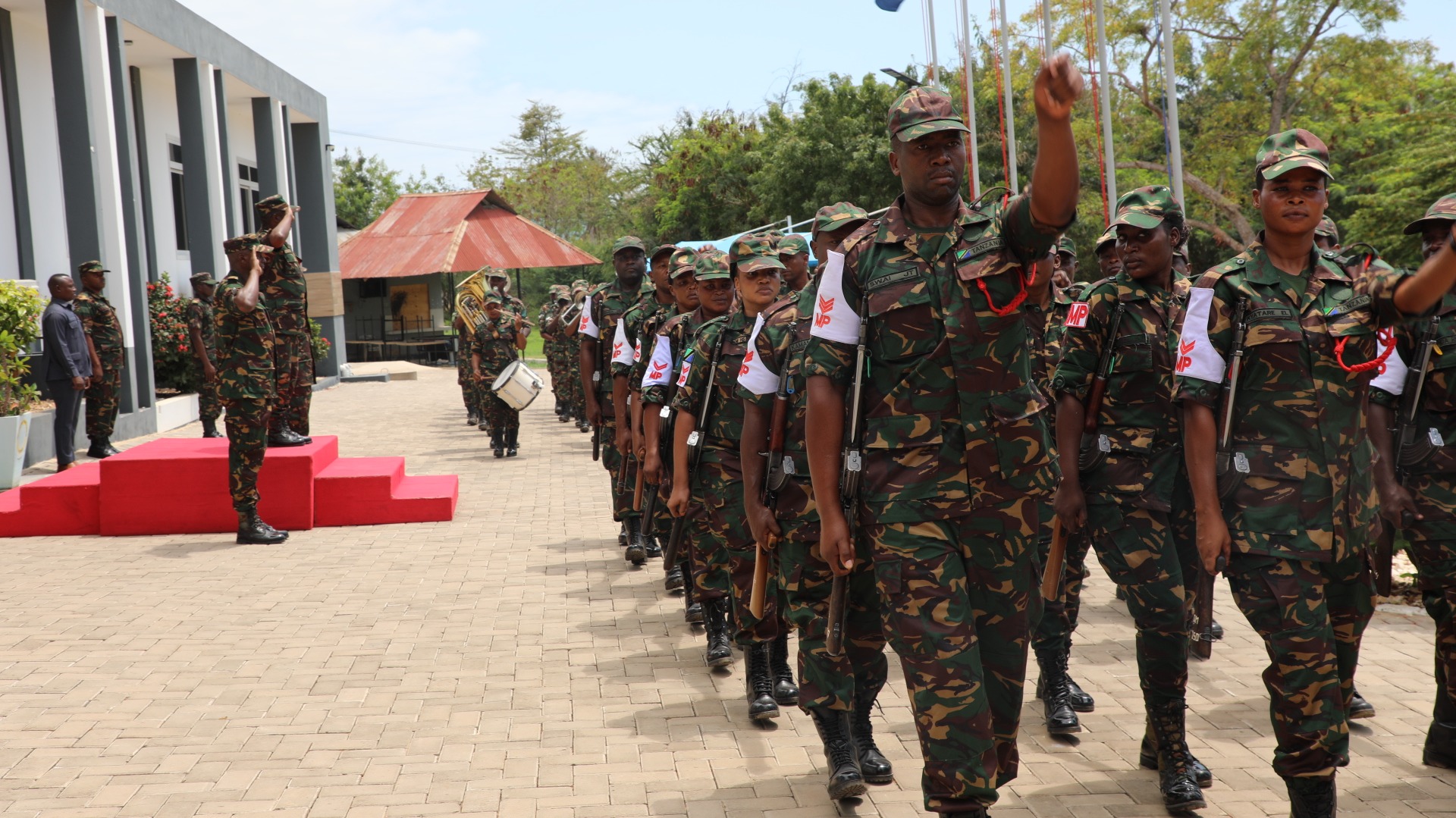
The Tanzania Peacekeeping Training Centre
Another major step forward in 2025 was the integration of lessons learned into training systems. With UNITAR’s support, TPTC operationalized data collection mechanisms to capture insights from previous deployments and began piloting the use of data analysis to inform curriculum updates.
The introduction of digital tools enabled the centre to move toward a more systematic, evidence-based approach to training. For the first time, operational experiences are being captured, analysed, and reintegrated into training design, creating a feedback loop between the field and the classroom.
A senior staff member described this shift:
We are starting to learn as an institution. What we see in the field is now coming back into how we train. That changes everything.
When lessons from the field shape training, training becomes a strategic asset not just a requirement.
Building Instructor Capacity and Institutional Ownership
UNITAR’s engagement also strengthened instructor capacity, enabling TPTC staff to take greater ownership of training development and delivery. Instructors are increasingly able to design, adapt, and refine training modules independently, reducing reliance on external inputs and reinforcing sustainability.
This shift is essential to building a self-sustained training institution capable of evolving with changing operational needs.
As one training officer emphasized:
We are no longer waiting for updated materials. We are producing them ourselves, based on what we observe and what is needed.
Towards a Learning Ecosystem with Continental Reach
The combined effect of these changes is the emergence of TPTC as a learning ecosystem, one that integrates performance-based training, lessons learned, digital tools, and institutional capacity into a coherent system.
This transformation is not only strengthening Tanzania’s contribution to UN peace operations but is also positioning TPTC as a hub for training excellence at the regional level.
From a training centre that was once relatively unknown, TPTC is becoming a reference point for how peacekeeping training can be structured, delivered, and continuously improved.
This trajectory will culminate in 2026, when TPTC will host the International Association of Peacekeeping Training Centres (IAPTC) conference, marking its recognition as a key actor within the global peacekeeping training community.