

Background
Higher Education Institutions (HEIs) play a critical role in advancing sustainable development by shaping the knowledge, skills, and mindsets of present and future generations. Developed by UNITAR, UNESCO, and a collective of HEIs, the Leaders in Higher Education Alliance and Programme for Accelerating Sustainability Transformations (LEAP-FAST) aimed to strengthen this role by fostering a global movement of sustainability leaders in higher education. The initiative comprises four components: a Leadership Dialogue, a Certificate Programme, an SDG Ambassadors' Programme, and Regional and National Spin-offs.
In 2025, two editions of the LEAP-FAST Certificate Programme were delivered, funded by and in partnership with Majmaah University. The first ran from 23 March to 31 May, the second from 14 September to 27 November. Together, they welcomed 113 participants from 32 institutions across more than 15 countries. Over the course of 10 weeks, academic directors, faculty members, and teaching staff learned how to embed sustainability and Sustainable Development Goals (SDG) action at the heart of their work; in institutional practices, curricula, and teaching methods across cognitive, socio-emotional, and behavioural domains.
The programme was designed as a blended learning journey, combining self-paced learning on UNITAR's Moodle platform, online workshops, and peer exchange. This all culminated in a five/six-day in-person workshop hosted by Majmaah University and CIFAL Saudi Arabia. At the close, 36 participants from the first edition and 53 participants from the second edition were awarded a certificate of completion for the programme.
This is the story of that learning journey, and of the people who are putting it into practice.
Links with the Sustainable Development Goals (SDGs):
The programme primarily aligns to SDG 4 Quality Education, target 4.7.
Links with UNITAR’s Strategic Objectives (SO):
The programme most strongly aligns to SO 3 “Countries build robust learning ecosystems to meet their learning needs and foster lasting impact”.
Programme Results
Participants were invited to share their insights and experiences at two points in time: immediately after completing the programme, and again through a follow-up survey and focus group discussion several months later.
The first survey results indicate high satisfaction levels. Across both editions, around 90 per cent of respondent found the content useful. Moreover, a large majority considered it relevant to their professional practice. The first cohort rated relevance slightly higher than the second, at 91 per cent versus 84 per cent. For 74 per cent the content was also new.
The second survey and focus group, conducted after participants had time to apply what they learned, offer more insight on the changes set in motion.
Programme Reach
UNITAR
First and foremost, the profile of those driving the change is telling. LEAP-FAST reached participants across different levels of institutional influence: the largest share of respondents or 38 per cent describe themselves as contributors or advocates without formal authority, 25 per cent are primarily responsible for implementation at programme or unit level, 23 per cent influence strategic or policy decisions, and 13 per cent hold formal leadership authority with the power to approve or initiate institutional change. This diversity reflects the programme’s goal to build a broad-based movement of sustainability leaders capable of influencing change from multiple entry points.
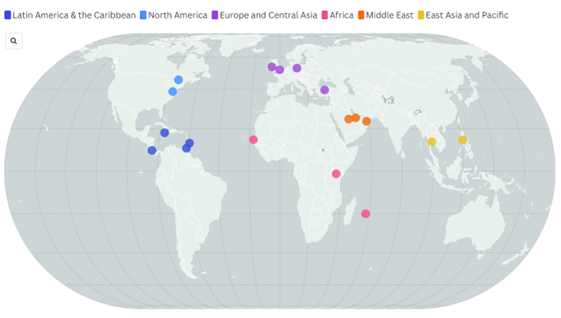
Geographically, the programme drew participants from more than 15 countries across 5 continents (See Figure 1). This reach was in part made possible by the programme’s commitment to inclusive participation. In line with the eave No One Behind principle, travel costs were covered for participants from low and lower-middle income countries, Small Island Developing States, and those who would otherwise have been unable to participate.
Leadership and Professional Development
All respondents reported that the programme contributed to developing their leadership. Concretely, 40 per cent noted an increased leadership scope, 28 per cent took on more responsibilities, 21 per cent gained greater involvement in decision-making, and 10 per cent moved into a new role or position.
For one of the focus group participants, this represented a fundamental shift in how she approaches her work. What previously consisted of fragmented initiatives evolved into coherent institutional action led by her after the programme.
Before the programme, my work related to sustainability was more initiative based and focused on individual efforts. After the programme, my approach became more strategic and structured. I now focus on integrating sustainability as the [...] institution and [across] the whole curricula at my institution. [...] Overall, my role has evolved from building initiative to leading and living sustainability integration across multiple levels.
Moreover, all respondents find that at least one programme outcome continues to be relevant and useful to their ongoing professional or institutional practice. Among the outcomes that resonated most, practical tools, methods, and frameworks for sustainability transformation came out on top, cited by 78 per cent of respondents, followed by professional networks and partnerships at 63 per cent, a leadership mindset and strategic perspective at 54 per cent, and a shared institutional language around sustainability and the SDGs at 50 per cent.
Workplace Application
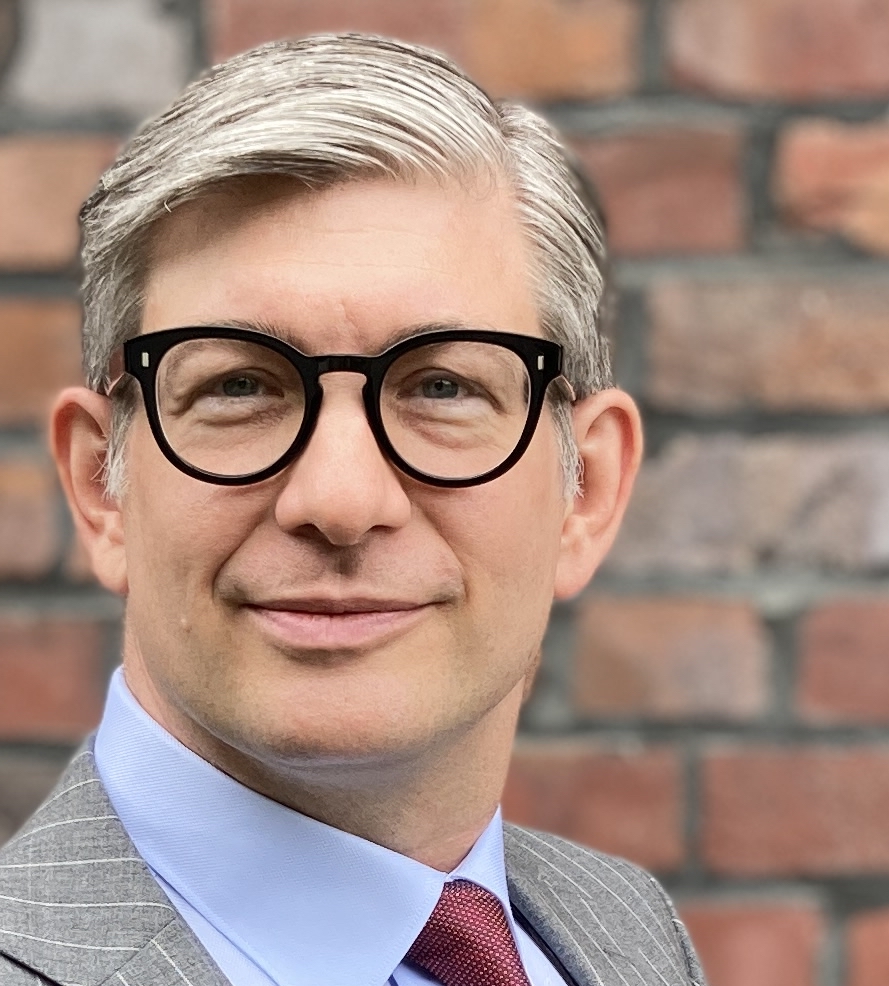
More than 90 per cent of respondents have applied the knowledge and skills gained through LEAP-FAST in their workplace. Of these, 42 per cent directly attribute 51 to 75 per cent of that application to the programme, and 27 per cent attribute 76 to 100 per cent. Moreover, they are doing it consistently and with conviction: 38 per cent reported applying their learning frequently, 40 per cent often, and 22 per cent occasionally. A large majority, 86 per cent, rated the importance of that application as very or fully important. Overall, confidence levels are high, with 86 per cent reporting feeling fully or very confident in applying what they learned, though men were more likely to describe themselves as fully confident than women.
Mr. Bracker remarks how being able to point to internationally recognised expertise has changed how his voice is received. The credential is both a marker of learning and a tool for influence.
What I found very helpful is, in conversations with others who I am advising, that I could rely on this course and say, ‘look I did a certification course in an international community’, that is a convincing argument. So, the LEAP-FAST course was or has a quite an empowering angle [...].
SDG Contribution and Institutional Impact

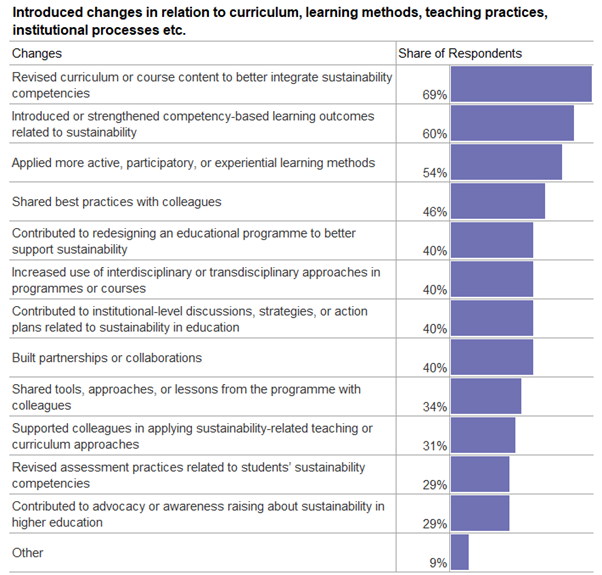
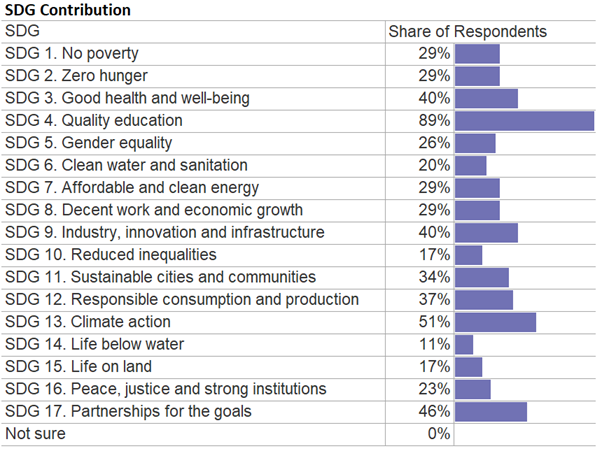
Equally striking, 76 per cent feel they have contributed to SDG-supporting changes within their institution or country, with 68 per cent describing these changes as significant or very significant. As presented in Figure 2, the most frequently reported changes are the revision of curriculum or course content to better integrate sustainability competencies, the introduction or strengthening of competency-based learning outcomes, and the adoption of more active, participatory, or experiential learning methods. Fittingly, Quality Education (SDG 4) is by far the SDG that respondents most frequently linked their contributions to, cited by 88 per cent of respondents (See Figure 3)
While the available data does not allow for robust conclusions, the focus group discussion surfaced encouraging signals of a multiplication effect. Participants observed that the changes are reaching their universities’ students and are being positively received, as evidenced by increased student engagement, stronger critical thinking, and a growing awareness of sustainability issues. Ms. Ülker shares:
Actually, the feedback from students was very positive. They appreciated the practical and interactive nature of the learning experience. Many students expressed increased awareness of environmental issues and a stronger sense of responsibility toward sustainable projects. They also valued the opportunity for them to participate in projects and community-based activities. [...] Overall, students reported that this experience helped them to develop their knowledge, their critical thinking, [...] problem-solving skills [...]
One student’s words stayed with her:
We did not just get the information and just remember it. We applied what we learned, and we showed our knowledge to the community.
Figure 2 further points to a ripple effect among peers: 46 per cent of respondents shared best practices with colleagues, 34 per cent passed on tools, approaches, or lessons from the programme, and 31 per cent supported colleagues in applying sustainability-related teaching or curriculum approaches. This appears to support the assumption that individual learning journeys extend into institutional ones. Here, it is worth noting that many respondents were operating in already relatively enabling environments: 77 per cent reported that senior leadership was fully aware and actively supportive of their participation in LEAP-FAST, 16 per cent said leadership was aware but not actively supportive, and only 7 per cent reported limited awareness.
UNITAR
UNITAR
Enablers and Barriers
Yet, support received from supervisors at work did not emerge as a primary enabler. When asked about what most enabled them to apply the acquired knowledge, skills, and competencies, respondents above all pointed to opportunity (91 per cent), followed by the programme's training design and methodology (60 per cent) and confidence (56 per cent).
The importance of programme design and methodology is further reflected in the extent to which participants continue to build on the practical outputs developed during the programme, using them as roadmaps for implementation within their institutions. The individual action plan is most widely taken forward, cited by 69 per cent of respondents, followed by the capstone project at 59 per cent, and both the institutional strategy and group action plan at 44 per cent.
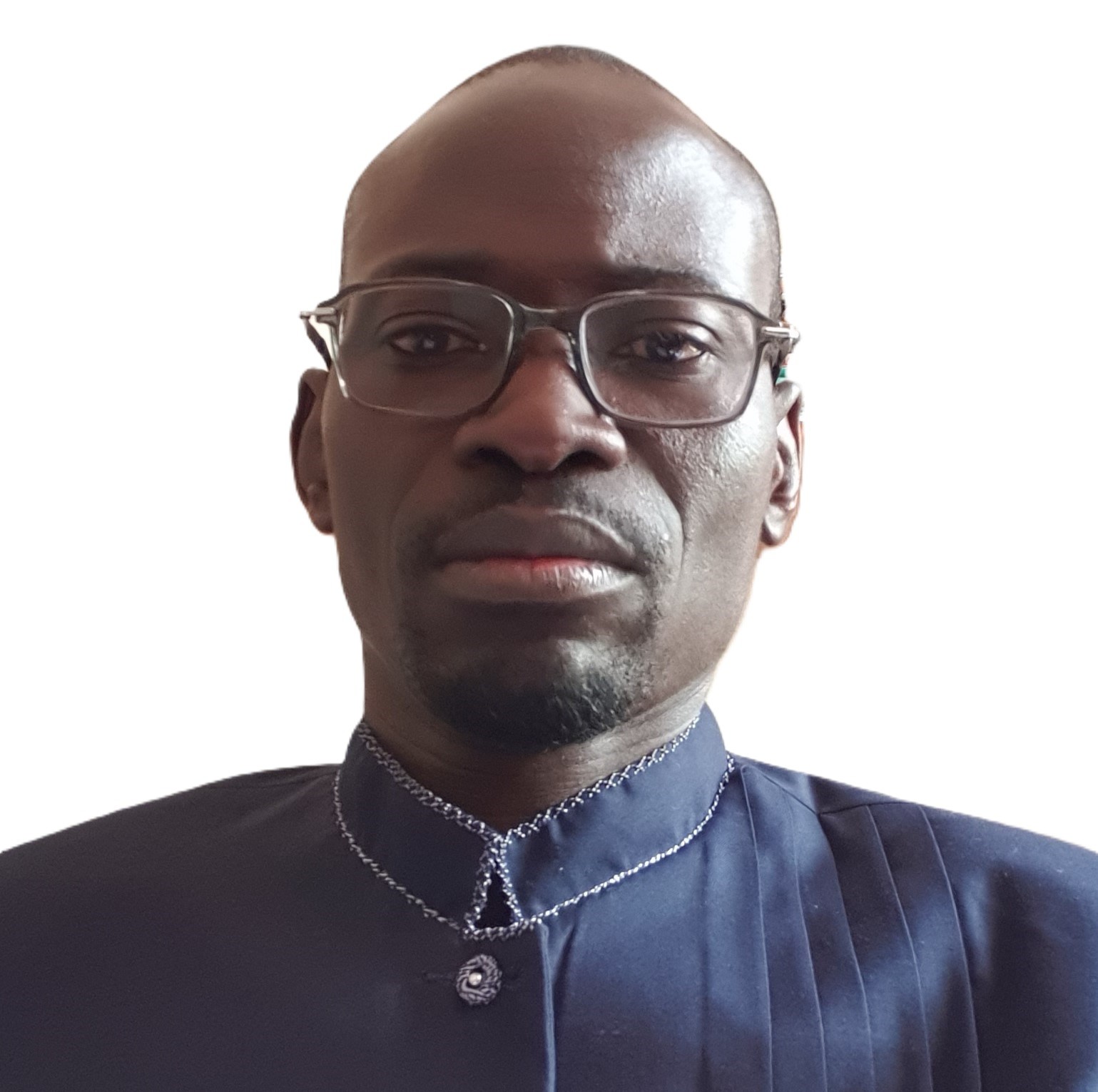
Mr. Dioum returned to the Université Cheikh Anta Diop de Dakar (UCAD) in Senegal with a clear plan. The theoretical had become practical, and he was ready to build on his capstone project to make the case internally to the Academic Affairs Office. He explains:
After this programme, I have had so many discussions with my institution to see how it is possible to integrate the SDGs in our curriculum and course content [...] This programme gave us the possibility to integrate all the practical approaches [...]
I developed a caption project that I will present next week […]. I am invited to make a presentation on how to integrate sustainability competences in our course during the series “Coffee Talk on Pedagogy”, organized twice monthly by the Direction des Affaires Pédagogiques.
University of Philippines
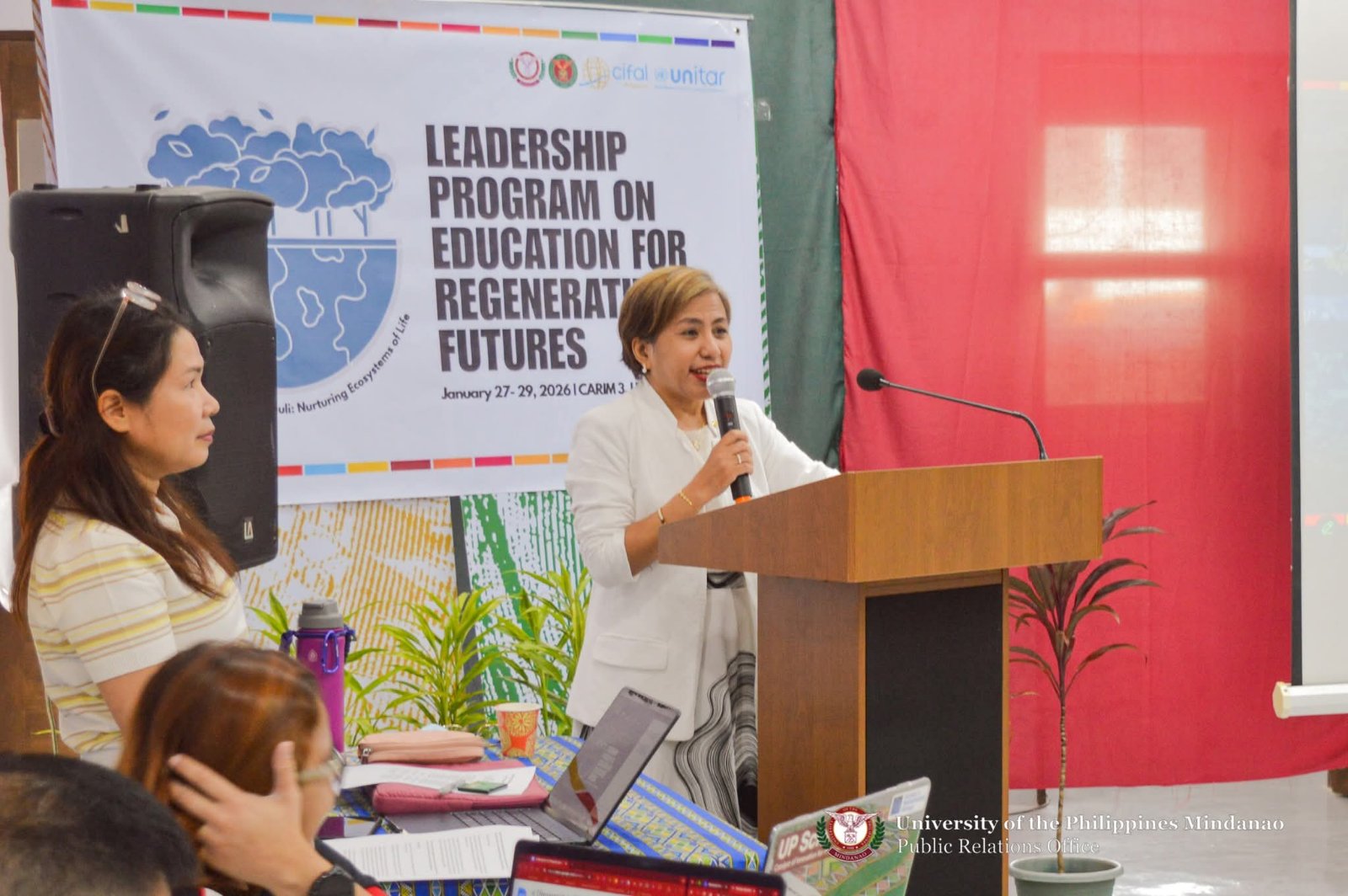
Across the Indian Ocean, at the University of the Philippines, Chancellor Murao deliberately embedded a carbon footprint reduction goal into the university's institutional strategy following the programme. She describes:
Because it is now intentionally part [...] of our strategic plan […], people start to [...] talk about how we can save on energy, use of electricity, use of lights, use of air conditioning, [...] it is becoming part of our conversations already. [...] also because we have some policies on energy conservation. People are now more conscious of that policy and are trying to really practice it.
At the same time, the survey points to persistent barriers. The most cited challenges are lack of funding, lack of time, and lack of established structures and policies, reported by 55, 31, and 22 per cent of respondents, respectively. Interestingly, the latter weighed more heavily on respondents from the second edition, while those from the first edition more frequently reported resistance at the senior leadership or governance level and resistance due to institutional culture, procedures, or competing priorities. However, it is important to keep these figures in perspective, as they were reported by only 11 and 13 per cent of first edition respondents. While broadly consistent with the earlier finding that most respondents enjoyed senior leadership support, it is also a reminder that enabling conditions and pockets of friction often co-exist.
These challenges resonated strongly among participants of the focus group. Mr. Bracker expressed:
[...] A lack of financial support is always a problem, and [...] then of course, professors or teachers asking what do I gain from changing my courses and my curriculum? You have to set incentives, and all this costs a lot of money, and that is, especially in the current political situation, a problem.
These barriers underscore that sustainable transformation also depends on enabling conditions that extend well beyond what a single programme can provide.
Bringing Sustainability into Every Classroom
UNITAR
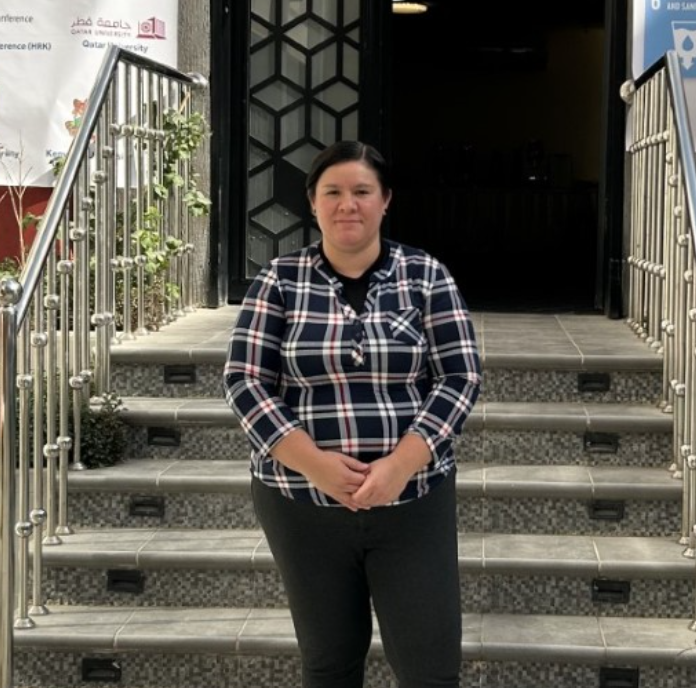
As a student at Costa Rica's National University (UNA), Ms. Carolina Carrillo Artavia became very interested in climate change and environmental issues. Today, as a professor and education coordinator at the same university, she helps colleagues embed sustainability into their teaching, so that a new generation of students can experience the same inspiration that first sparked her own commitment years ago.
In 2024, UNA joined the Erasmus+ ACT! Sustainable Development Goals project, prompting university-wide reflections on how the SDGs could be integrated across the university beyond their role as course objectives. The LEAP-FAST Certificate Programme (1st edition) arrived at the right time to complement this work by building practical knowledge, tools , and confidence to translate the SDGs into concrete teaching practices and learning experiences.
We had never trained a group of professors, only regular students. So, we were kind of afraid...because sometimes working with colleagues is not that easy, and people tend to criticize more... However, when we started taking the LEAP-FAST Certificate Programme , we were quite happy because we both thought that maybe that could help us to have a clearer idea [of]...how to train people.
After successfully completing the latter, Prof. Artavia and her colleague went on to train approximately 30 professors at their university, drawing not only on the knowledge and skills they had gained but also on the learner-centred methodologies and delivery approaches they had experienced throughout the programme.
It was quite clear...[and] organized, the syllabus, ...things that you had to do. Things designed for people that sometimes have like a very difficult agenda... that gave us like many ideas that it was possible to train a lot of people by using this methodology
Encouraged by the positive response to their course and with the support of the Dean of the Faculty of Education, she plans to offer a second edition of “Teacher Training in Higher Education for Sustainability” that could reach up to 200 professors. Looking further ahead, Prof. Artavia aims to institutionalize the course as a permanent asynchronous training programme for new faculty members, ensuring that sustainability remains embedded in teaching practice long after individual projects have ended.
I have talked to the authorities of my university about how it's quite important to implement something that remains with time, and that does not depend on people or knowledge. Because at the end, you know, people leave
Participating in the LEAP-FAST Certificate Programme has also raised Prof. Artavia's profile beyond her own institution. Having gained recognition, she was invited by Honduras' largest public university to contribute to a faculty training programme. There, she delivered a module on the foundations of environmental education in higher education, adapting the approaches she learned through the LEAP-FAST Certificate Programme to the Honduran context. The experience was so well-received that she was invited back to train a second cohort of professors.
As part of the experience from the [LEAP-FAST] Certificate Programme, I gained some recognition... people ask me to give a speech or a talk or something like that
Back at her own university, she is currently following up with professors and collecting evidence on how her course influenced teaching practices across the university. According to Prof. Artavia, change often begins with methodology, as revising course content can be a lengthy and administratively complex process.
How from your methodologies can you improve as a professor from your methodologies? How can you do different things like field trips, inviting other people, gatherings with other majors, other students, other universities, or visiting communities? Costa Rica has very different, very interesting social scenarios. How can we also give back to the community...so students can really develop critical thinking and... [become] more responsible with the planet?
The initial results point in a positive direction, with most colleagues taking field trips, inviting guest speakers, talking about climate change , and even using the resources she shared. Leading by example, she also adopted these approaches in her own teaching. For instance, by organizing an interdisciplinary field trip that brought together future English teachers and International Affairs students. The visit focused on a community close to the Costa Rica–Nicaragua border, where many families face social and economic challenges. The International Affairs students shared insights into the political, social, and migration dynamics shaping the region, while the future English teachers engaged directly with local children. For Prof. Artavia, this is the kind of experiential learning that helps sustainability move from a concept to a lived reality. It stays with the students and shapes their actions, long after they might have forgotten classroom lectures.
I always joke that sometimes they do not think about me as a great professor, but they always remember the activities. Like “professor, I remember when you took us, and we saw that” I am always happy that I know that I made an impact on them... they will become professionals that are very aware of things going on in their own country, on the planet.
She believes this work is more important than ever as Costa Rica's government has stepped away from the 2030 Agenda. By equipping both professors and students with the knowledge and critical thinking skills to engage with complex environmental and social challenges, she hopes that universities remain powerful drivers of positive change for future generations.
In public universities, we have taken the stand... that has become like a personal thing that we cannot give up on. Costa Rica has always fought for human rights and to do the right thing in history. So, we will remain to continue with that position, especially for young people, they need this a lot.
Building Responsible Knowledge Factories
UNITAR
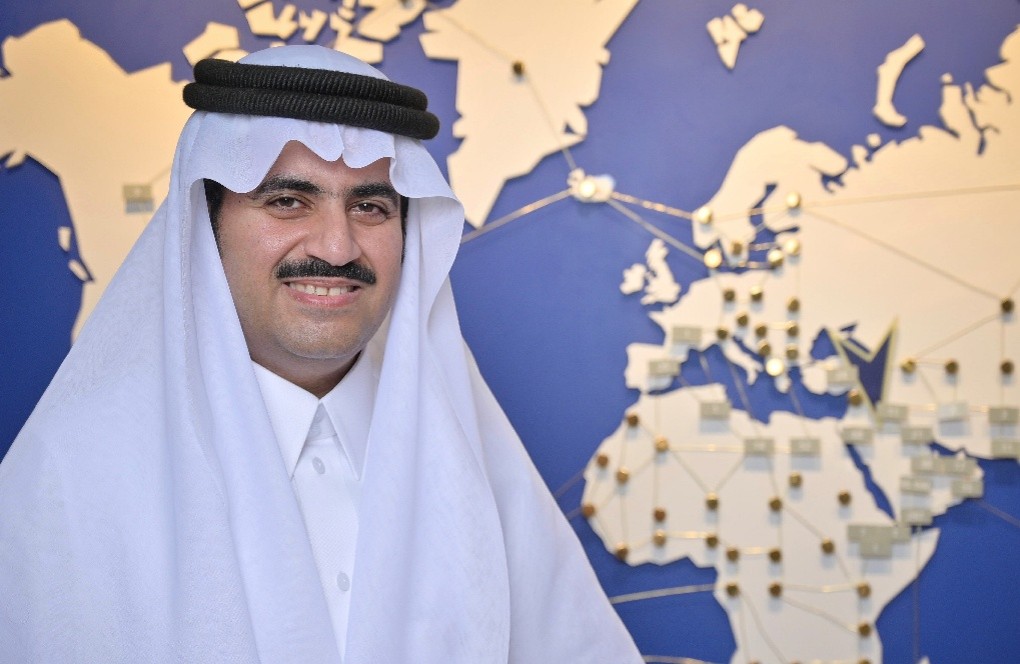
As Director of the Sustainable Development Unit at Imam Abdulrahman Bin Faisal University (IAU), Dr. Fahad Alyami believes that universities have a unique responsibility to advance sustainable development through their teaching, research , and community engagement. When he was invited by the academic partner of the LEAP-FAST Certificate Programme - Majmaah University, in collaboration with CIFAL Saudi Arabia, to participate in the 2nd edition of the LEAP-FAST Certificate Programme, he saw an opportunity to learn how to better transform that vision into a university-wide strategy.
I call universities knowledge factories. The SDGs are a paradigm that should be put in this factory...to develop this ability [in students] to apply research to what the world needs and for problems to be solved
During the programme, participants developed a framework for integrating sustainability and the SDGs across their institutions, receiving direct guidance and feedback from UNITAR and UNESCO, as well as experts and fellow academics who helped them sharpen and strengthen their proposed approaches. For Dr. Alyami, both the framework and the relationships built along the way rank among the most valuable outcomes of his participation, and neither stopped at the programme's end. He remains in contact with several participants and facilitators, still able to draw on their expertise as new ideas and opportunities emerge. Back at IAU, the framework was presented to the University Council, received institutional endorsement, and has since been translated into concrete action.
The university president and the other leaders were keen to know what's going on and what's next to do with this programme
Dr. Alyami began by aligning the university's main initiatives, research strategy , and the social responsibility bank’s activities with the SDGs, ensuring that research outputs and community-based initiatives contribute to real-world sustainable development challenges. Furthermore, he is now leading efforts to map all undergraduate and postgraduate programmes to relevant SDGs and their indicators, a process designed to make the university's contribution to national and international sustainable development visible, measurable, and systemic, in alignment with Saudi Vision 2030. The programme also strengthened his ability to communicate and document these efforts, equipping him with the language and tools needed to connect institutional activities to international frameworks and report on them more effectively.
Implementation has been met with strong support, though embedding sustainability across an entire university is not without its challenges. Significant coordination and time are required, and encouraging faculty members to recognise how their everyday academic work connects to the SDGs remains an ongoing effort.
For Dr. Alyami, this is only the beginning. Plans are already in motion to improve the sustainability of the university campus itself, to launch an annual exhibition showcasing the university's contributions to the SDGs, and to engage students further. By providing a practical framework, guidance, and an international network of peers, the LEAP-FAST Certificate Programme provided the tools to move from vision to implementation.
Conclusion
Across two editions, 113 participants from 32 institutions in more than 15 countries completed a 10-week learning journey designed to strengthen their capacity to lead sustainability transformation in higher education. Survey and FGD results suggest that for many, this journey did not end with the certificate.
Most respondents regularly and confidently apply the knowledge, skills and competencies developed during the programme in their workplace. In doing so, the majority feel they have contributed to SDG-supporting changes within their institution or country. Most frequently through the revision of curricula, the introduction of competency-based learning outcomes, and the adoption of more participatory teaching methods. Moreover, there are early indications of a multiplication effect as these changes reach students, colleagues, and in some cases, institutional strategies.
When asked about what most enabled this application, respondents most frequently cited opportunity, confidence and the programme's training design and methodology. At the same time, the results highlight the limits of what a single programme can achieve. Persistent barriers include lack of funding, time, and structural support.
Taken together, the findings demonstrate how the LEAP-FAST Certificate Programme is growing a movement of sustainability leaders embedded across institutions, roles, and regions. From revised curricula in Saudi Arabia to new strategic plans in the Philippines, from capstone projects in Senegal to empowered advisors in Germany.
File
leap-fast-is-fv_1.pdf828.67 KB