

Europe’s vast ‘urban mine’ is mapped – a world first
FutuRaM project delivers comprehensive mapping and quantification of critical metals and minerals essential to clean energy, digital technologies, defense and modern industry – and assesses recoverability
Improves transparency and confidence in Europe’s ‘urban mine’ potential
Benefits of recycling include net avoidance by 2050 up to 273Mt of CO2-equivalent emissions, comparable to the annual emissions of Spain
27 May 2026, Brussels, Belgium – EU-funded experts today delivered the most comprehensive assessment ever of Europe’s ‘urban mine’ – materials stocks and waste streams containing a vast, an underutilized reservoir of metals and minerals essential for clean energy, digital technologies, and modern industry.
FutuRaM (Future Availability of Secondary Raw Materials) project, researchers today debuted a comprehensive mapping of critical raw materials (CRMs) embedded in discarded products, industrial residues, and demolished infrastructure across the EU27+4 (EU, UK, Switzerland, Iceland, and Norway).
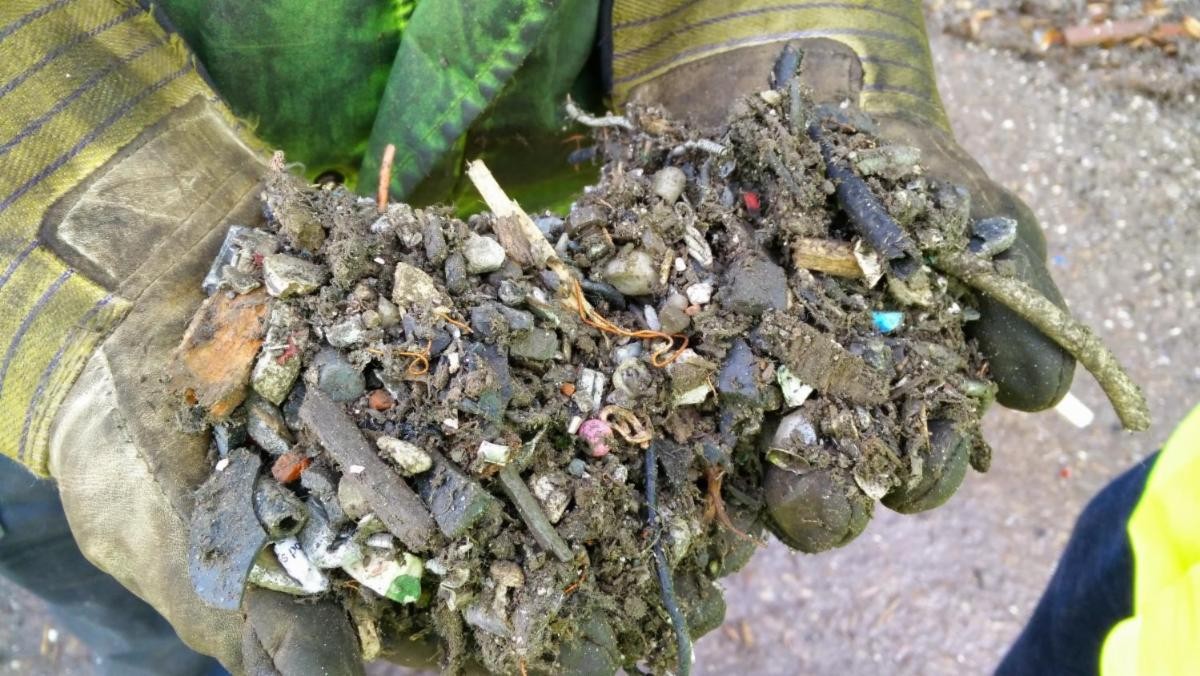
The unprecedented survey involved analysis of 42 critical elements contained in several waste streams, from electronic waste, vehicles and their batteries to wind turbines, slags and ashes and building construction and demolition debris.
FutuRam final report
It revealed that recovery systems could, by 2050, enable Europe to recover between 4.1 and 5.7 million tonnes of CRMs annually, with primary substitution potential ranging from up to 33% under business-as-usual conditions, up to 47% with improved recovery systems and 56% under a circular economy scenario, if the quality of secondary raw materials can substitute for primary.
This would reduce European reliance on imported materials and strengthen supply security for key technologies such as batteries, electric vehicles, and renewable solar and wind energy.
A key advance of the project is a comprehensive overview for multiple waste streams from items placed on the market to waste generation with a new recovery model that distinguishes between critical raw materials present in waste and those available as secondary raw materials after treatment, addressing a major limitation in previous assessments and allowing more policy-relevant estimates of supply potential.
All the project data are now available through the Urban Mine Platform (urbanmineplatform.eu), a digital tool that helps visualize the availability of CRMs across Europe’s waste streams, analyzed using a common framework that tracks flows from products and components down to individual materials and chemical elements.
The FutuRaM (Future Availability of Secondary Raw Materials) report and the Urban Mine Platform offers a detailed guide for CRMs for the EU27+4 countries which are today largely supplied by China (e.g. rare earth metals, lithium and cobalt), the Democratic Republic of Congo (cobalt), Australia (lithium), South Africa (platinum), and Turkey (boron).
A waste landscape rich in strategic opportunity
FutuRam final report
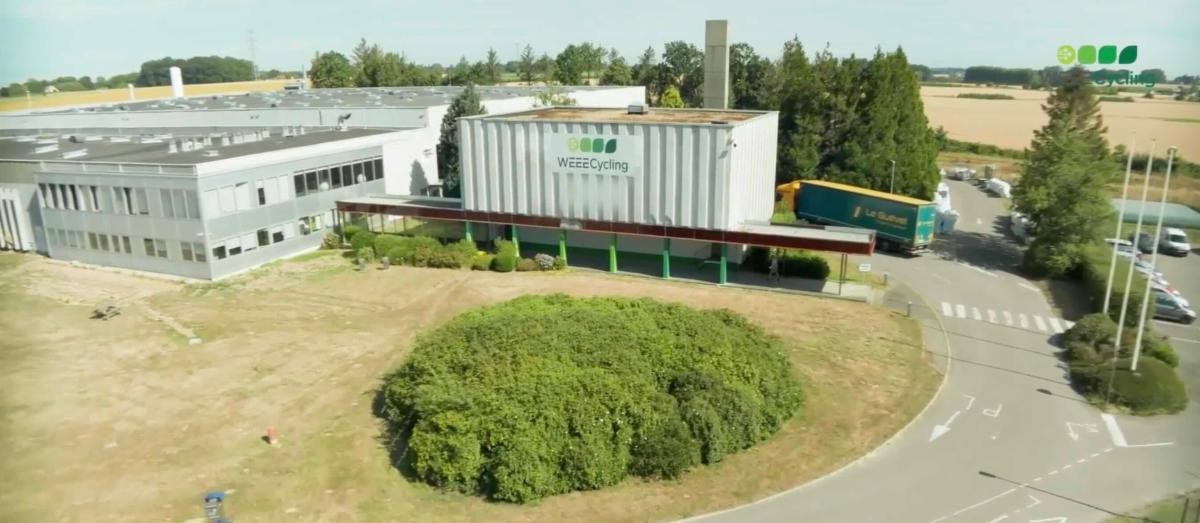
The platform and final report brings together harmonized data on seven major waste streams:
- Waste electrical and electronic equipment (WEEE)
- Waste batteries
- End-of-life vehicles
- Construction and demolition waste from buildings
- Slags and ashes from industrial processes
- Mining waste
- Dismantled wind turbines
It confirms that 5.2 million tonnes of CRMs embedded in products were placed on the market in 2022, compared to 2.1 million tonnes embedded in waste and 1.4 million tonnes recovered, highlighting both the scale of material flows and the gap between consumption and recovery.
By 2050, CRMs in products placed on the market could rise to between 8.4 and 12.2 million tonnes annually as waste generation reaches 5.2 to 6.4 million tonnes, and recovery could reach 4.7 to 5.7 million tonnes underscoring the growing strategic importance of recycling systems.
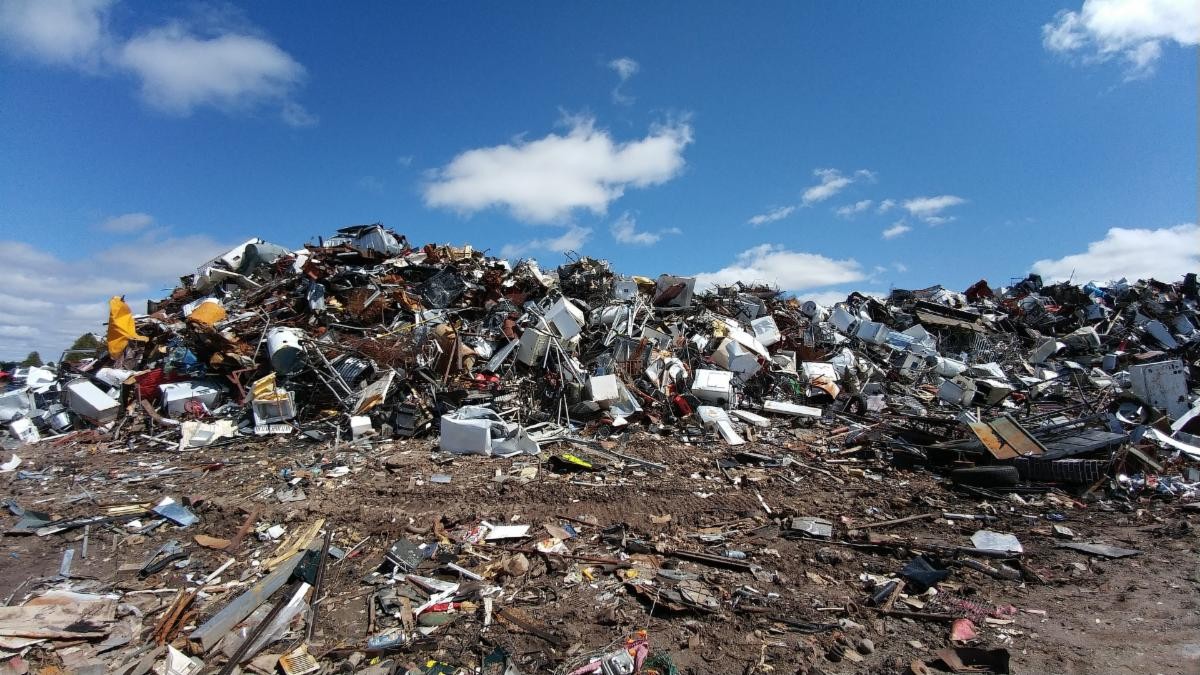
Many strategically important materials, including lithium, cobalt, and rare earth elements, are largely lost during collection and/or waste processing today.
Five CRMs – including platinum, and rhodium – have recovery rates of over 80% thanks largely to well-established collection and processing routes.
Eight others, including aluminium, copper, palladium, and nickel fall in the 40–80% range, where collection and treatment infrastructure is in place but losses remain significant.
And for 22 CRMs, recovery yields less than one tonne per year across the entire EU27+4 (2022 data) , with most rare earth elements in this category.
According to the report, with the right legislative and industrial choices made now, within 24 years some 17 CRMs, including cobalt, lithium, and rare earth metals such as dysprosium and neodymium, could achieve recovery rates above 80%.
FutuRam final report
The volume of products placed on the market that contain CRMs is expected to grow sharply as electrification, renewable energy deployment, and digitalization accelerate. This increase in the mass of CRMs in the urban mine leads to an increase in the amount that could be recovered in the future.
The research found that by 2050, aluminium recovery could grow from about 0.9 million tonnes per year today to as much as 2.7 - 3.5 million tonnes, while copper recovery could rise from 0.3 million tonnes to as much as 0.8 - 1.4 million tonnes annually.
Notably, some of the most valuable materials are the least likely to pass through formal recycling systems as the market value of elements such as gold drives diversion of products into informal and often untracked flows.
Some of the fastest-growing use of CRMs are associated with the transition to electric mobility and renewable energy, leading to greater potential for recovery.
For example:
- Lithium recovery could increase from much less than 1,000 tonnes today to 30,000–52,000 tonnes per year by 2050.
- Cobalt recovery could grow from about 1,000 tonnes to as much as 25, 000 - 40,000 tonnes annually.
- Nickel recovery could increase from about 4,000 tonnes to more than 103,000 - 171,000 tonnes per year.
These increases are driven largely by the expected surge in battery waste as electric vehicles and energy-storage systems reach the end of their life cycles.
Rare earth elements used in wind turbines, WEEE and electric motors are also projected to grow significantly, highlighting the importance of developing recycling technologies for permanent magnets.
Climate dividend: comparable to avoiding the CO2e emissions of Spain
FutuRam final report
Beyond supply security, recovering critical raw materials from waste also delivers significant environmental benefits.
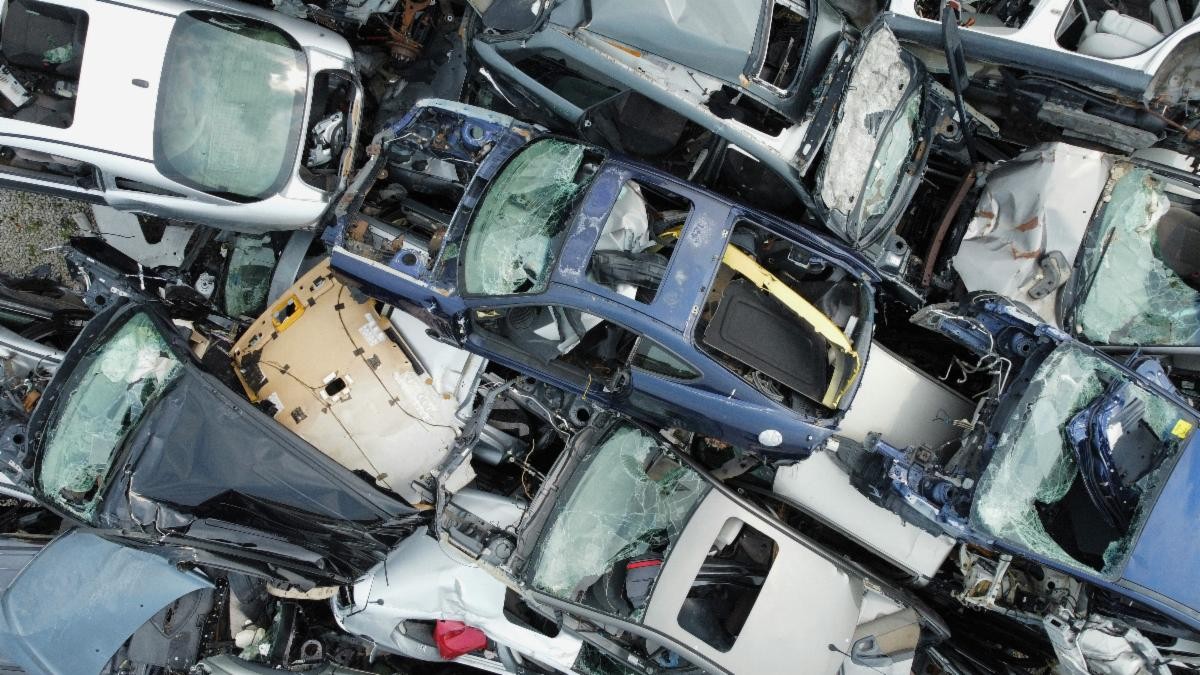
In recent years, the annual recovery of secondary raw materials from the analyzed European waste streams generated about 38 Mt of direct emissions but avoided 77 Mt through reduced primary extraction, resulting in a net climate benefit of roughly 39 Mt CO₂-equivalent.
By 2050 avoided emissions could reach between 81 Mt and 273 Mt CO₂ equivalent per year, far outweighing direct processing emissions of 71–80 Mt – reinforcing recycling as a major climate mitigation strategy.
Closing gaps in Europe’s recycling system
Despite the enormous potential, the study highlights major gaps in current collection and recycling systems.
For example, despite Europe being a global leader in WEEE management, nearly half of its electronic waste is handled outside compliant recycling systems, and part of the losses even arise in compliant waste management, leading to the most significant (500 kilotonnes) losses of critical raw materials in 2022.
Similarly, many batteries are improperly discarded or exported , while a large number of end-of-life vehicles remain outside official treatment channels or exported in second hand vehicles outside the EU, leading to losses of over 200 kilotonnes of critical raw materials in 2022.
Improving collection rates, tracking systems, and recycling infrastructure could therefore unlock substantial additional supplies of critical materials.
In the case of batteries, current recycling capacity for lithium-ion technologies is still expanding. Significant quantities of partially processed battery materials known as “black mass” are exported from Europe, meaning valuable resources are not fully recovered within the region.
Key gaps are:
- Making recycling projects more viable in Europe
- Investing in better waste sorting and mechanical treatment/dismantling
- Investing in innovative recycling techniques
A new approach
FutuRam final report
A new approach developed under the FutuRaM project aims to bring order and clarity to one of the most complex challenges in the circular economy: deciding which recycling projects are worth pursuing. Building on the United Nations Framework Classification (UNFC), an internationally-recognized system to assess mining and energy projects, the new tool, known as SARA4UNFC, adapts those principles to waste and recycling. It allows governments, investors, and industry to evaluate not just whether valuable materials exist in waste streams, but whether they can realistically be recovered in a way that is technically feasible, economically viable, and socially and environmentally responsible.
SARA4UNFC is a decision-making tool for turning waste into a reliable source of CRMs. It helps compare different recycling options, identify the most promising projects, and reduce uncertainty for investment in infrastructure and new technologies. By providing a consistent framework across multiple waste streams and value chains, it also improves communication between stakeholders, from policymakers to private investors, and supports implementation of the EU’s Critical Raw Materials Act. Ultimately, the goal is to accelerate the shift from pilot projects to large-scale recovery systems, making secondary raw materials a dependable part of future supply chains.
Policy recommendations
The report outlines a set of policy actions to unlock Europe’s urban mine potential, including:
- Establish a harmonised EU framework for secondary raw materials reporting and classification. A common system would ensure consistent, comparable data across Member States, enabling more accurate tracking of critical materials and better-informed policy decisions.
- Institutionalise the Urban Mine Platform as core EU data infrastructure. Embedding the platform within EU systems would provide a permanent, trusted source of data to support monitoring, investment planning, and regulatory implementation.
- Apply the UNFC classification system to secondary resources. Extending this globally recognised framework to recycling projects would improve transparency, comparability, and confidence for investors and policymakers.
- Strengthen enforcement and monitoring of illegal waste flows. Tighter controls and better tracking are needed to prevent valuable materials from being lost through informal channels, exports, or non-compliant treatment.
- Support long-term scenario modelling for strategic planning. Using forward-looking models can help policymakers anticipate future material demand and align infrastructure, investment, and regulation accordingly.
Invest in skills, awareness, and recycling capacity across value chains. Building technical expertise and expanding recycling infrastructure is essential to scale up recovery and fully integrate secondary materials into supply chains.
A foundation for Europe’s circular economy
FutuRam final report
The FutuRaM project marks a major advance in understanding Europe’s urban mine but further work remains.
Improved data collection, stronger alignment between recovery estimates and real-world recycling processes, and better tracking of waste exports will all be necessary to fully unlock the potential of secondary raw materials.
The datasets and analytical tools developed by the project are designed to remain available and reusable, following international FAIR data principles that ensure information is findable, accessible, interoperable, and reusable.
Together, they provide a foundation for long-term monitoring of Europe’s raw-material resources and a practical roadmap for integrating secondary raw materials into Europe’s industrial strategy, strengthening resilience in an increasingly uncertain global supply landscape.
Comments
Europe’s waste streams already contain vast quantities of critical raw materials. Harnessing this urban mine will be essential for strengthening supply security, supporting the clean-energy transition, and reducing environmental impacts.
- Kees Baldé, Senior Scientific Specialist at United Nations Institute for Training and Research - SCYCLE
This report allows policymakers, researchers, and industry to assess Europe’s ‘urban mine’ with unprecedented clarity. The data and infrastructure we have built provides a foundation for evidence-based policymaking, long-term monitoring, and strategic investment decisions. Whether Europe realises this potential depends on the choices made now – on legislation, recycling infrastructure, and data collection. Considering these powerful findings, our mindset needs to shift to think of ‘secondary’ sources of CRMs as the new primary source.
- Pascal Leroy, Director General, Waste Electrical and Electronic Equipment (WEEE) Forum
By applying the UNFC framework to recycling, we are giving policymakers and investors a common language to evaluate secondary raw materials, something that has long been missing in the transition to a circular economy.
- Soraya Heuss-Aßbichler, Professor of Mineralogy, Ludwig-Maximilians Universität München
About FutuRaM
FutuRaM (Future Availability of Secondary Raw Materials) is an EU-funded project that developed datasets, methods, and tools to assess secondary raw material availability across Europe’s key waste streams. Building on the ProSUM initiative, the project analysed 42 critical raw materials in seven waste streams and created the Urban Mine Platform, the most comprehensive digital map of CRMs in the EU27+4. All data is accessible at www.urbanmineplatform.eu and via FutuRaM’s repository on Zenodo.
Working closely with the European Commission and other relevant policy makers, the project ran for four years and was funded under the EU's Horizon Europe research and innovation programme.
* * * * *
FutuRaM project contributing partners: A short description of each, along with its project role and responsibilities is available on the linked page.